Letter Settlement Estate Sample With Deed Of Sale In Michigan
Description


Get your form ready online
Our built-in tools help you complete, sign, share, and store your documents in one place.
Make edits, fill in missing information, and update formatting in US Legal Forms—just like you would in MS Word.
Download a copy, print it, send it by email, or mail it via USPS—whatever works best for your next step.
Sign and collect signatures with our SignNow integration. Send to multiple recipients, set reminders, and more. Go Premium to unlock E-Sign.
If this form requires notarization, complete it online through a secure video call—no need to meet a notary in person or wait for an appointment.
We protect your documents and personal data by following strict security and privacy standards.

Make edits, fill in missing information, and update formatting in US Legal Forms—just like you would in MS Word.

Download a copy, print it, send it by email, or mail it via USPS—whatever works best for your next step.

Sign and collect signatures with our SignNow integration. Send to multiple recipients, set reminders, and more. Go Premium to unlock E-Sign.

If this form requires notarization, complete it online through a secure video call—no need to meet a notary in person or wait for an appointment.

We protect your documents and personal data by following strict security and privacy standards.
Looking for another form?
Form popularity
FAQ
An estate cannot be closed in less than five months from filing. The estate's creditors must be notified of the decedent's death. They are given a four-month period to file their claims against the estate.
(g) That, if the estate is not settled within 1 year after the personal representative's appointment, within 28 days after the anniversary of the appointment, the personal representative must file with the court and send to each interested person a notice that the estate remains under administration and must specify ...
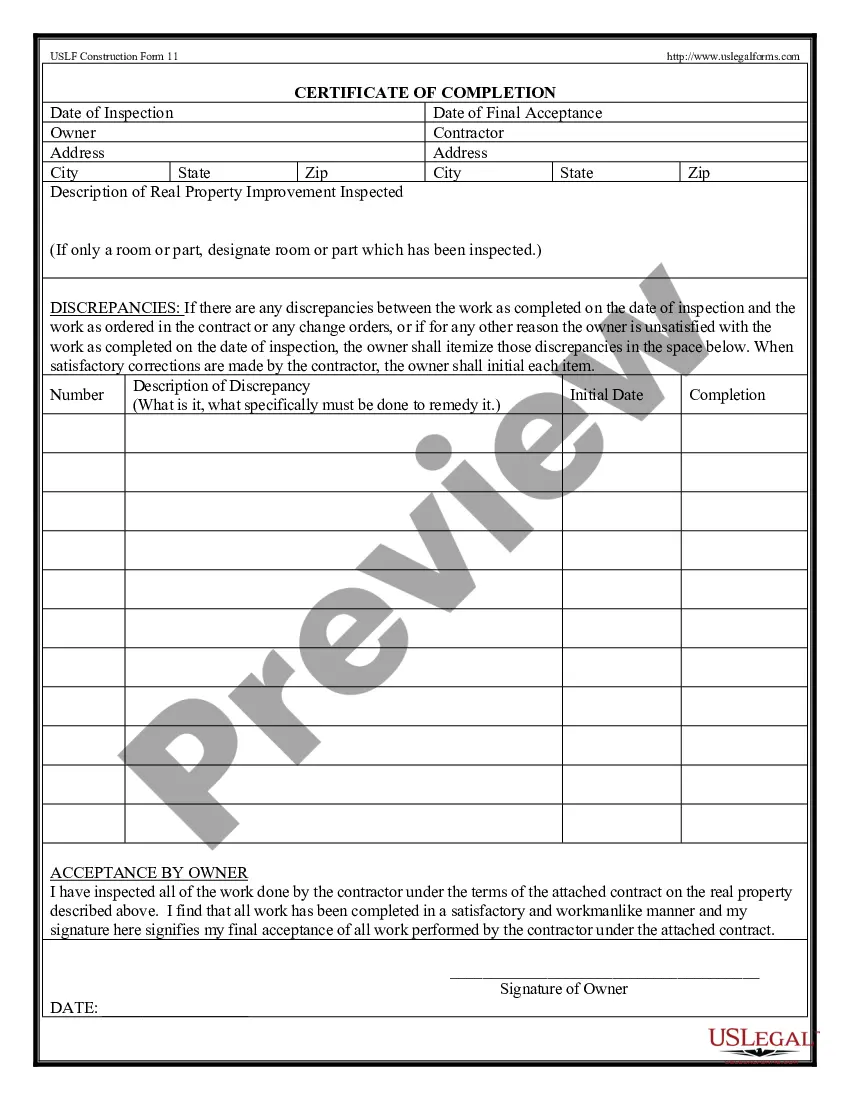
When an estate is under unsupervised administration, it can be closed with a Petition for Complete Estate Settlement . Or you can use the Sworn Statement to Close Unsupervised Administration to close the estate. But you will also need to file a Certificate of Completion .
This does not involve filing anything with the court. Instead, the person who will inherit the decedent's property can get it by presenting the death certificate and the Affidavit to whomever holds the property, such as a bank. You can use our Do-It-Yourself Settling a Small Estate tool to complete the affidavit.
Section 700.3715 of the Michigan Probate Code enumerates transactions authorized for the personal representative of an estate.
Although we typically think of the person that handles estates after someone dies an "executor," in Michigan, this person is called a personal representative. In other words, "personal representative" is simply the legal term for an executor of a will in Michigan.
There are different steps and forms used in both types of administration. To learn more, read Supervised and Unsupervised Probate Administration. Formal probate is very complex, whether it is supervised or unsupervised. You may want to talk to a lawyer if you are planning on formally probating an estate.
If you want to be the personal representative, complete the Application for Informal Probate and/ or Appointment of Personal Representative form. File the form, the decedent's will (if there is one), and a certified copy of the death certificate with the county probate court where the decedent lived.
In Michigan, a deed must be signed by the grantor, notarized, and recorded to the Register of Deeds for the property transfer to be considered valid and effective.

