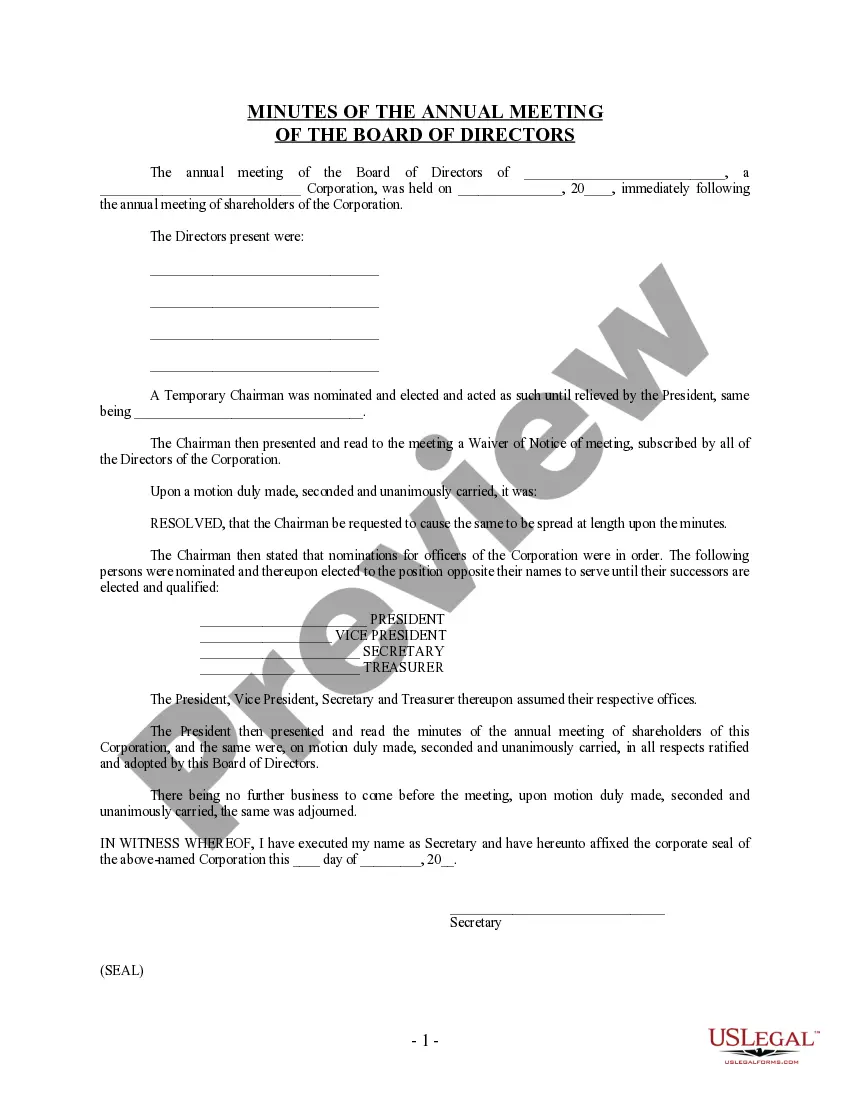
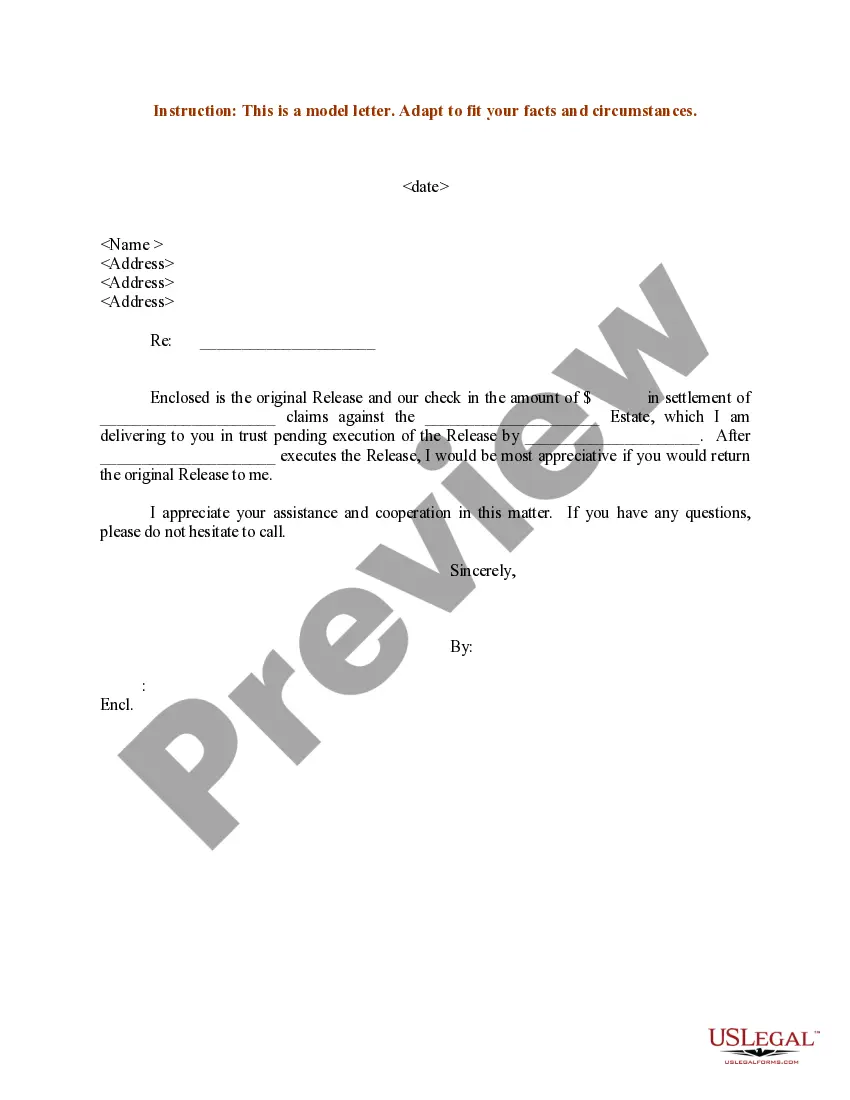
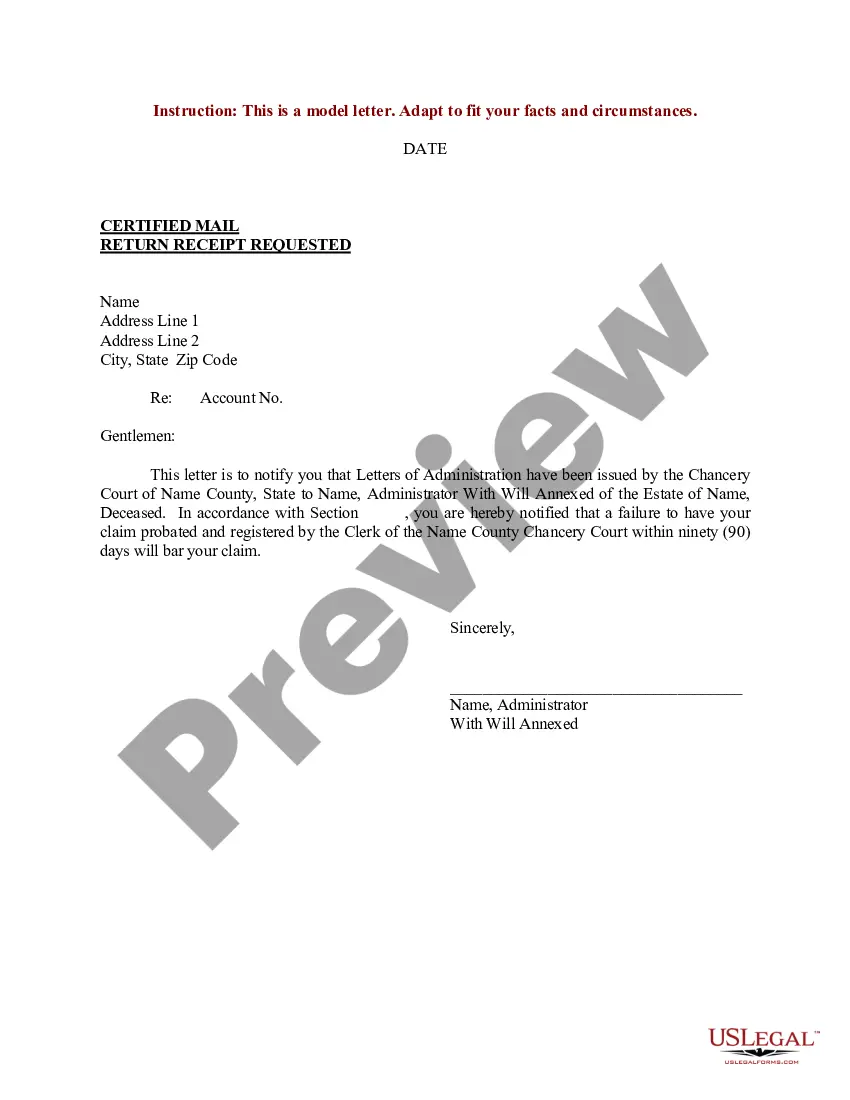
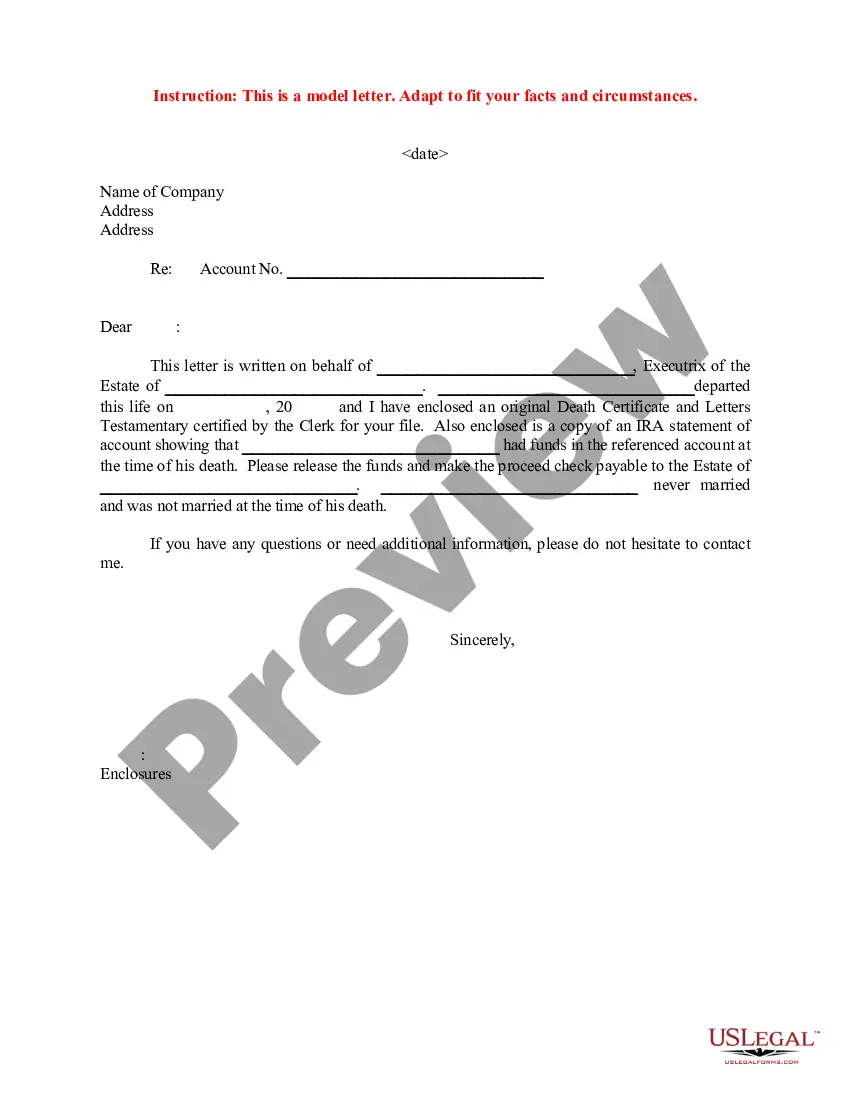
Settlement Against Estate With Waiver Of Rights In Miami-Dade
Description
Get your form ready online
Our built-in tools help you complete, sign, share, and store your documents in one place.
Make edits, fill in missing information, and update formatting in US Legal Forms—just like you would in MS Word.
Download a copy, print it, send it by email, or mail it via USPS—whatever works best for your next step.
Sign and collect signatures with our SignNow integration. Send to multiple recipients, set reminders, and more. Go Premium to unlock E-Sign.
If this form requires notarization, complete it online through a secure video call—no need to meet a notary in person or wait for an appointment.
We protect your documents and personal data by following strict security and privacy standards.

Make edits, fill in missing information, and update formatting in US Legal Forms—just like you would in MS Word.

Download a copy, print it, send it by email, or mail it via USPS—whatever works best for your next step.

Sign and collect signatures with our SignNow integration. Send to multiple recipients, set reminders, and more. Go Premium to unlock E-Sign.

If this form requires notarization, complete it online through a secure video call—no need to meet a notary in person or wait for an appointment.

We protect your documents and personal data by following strict security and privacy standards.
Looking for another form?

Form popularity
FAQ
The formal probate administration usually takes 6-9 months under most circumstances - start to finish. This process includes appointing a personal representative (i.e., the "executor"), a 90 days creditor's period that must run, payment of creditor's claims and more.
The County Civil Division has jurisdiction over civil cases up to $50,000 and Small Claims cases with amounts up to $8,000.
Maria de Jesus Santovenia is a judge of the Florida 11th Circuit Court. She assumed office on January 8, 2013. Santovenia won re-election for judge of the Florida 11th Circuit Court outright in the general election on November 5, 2024, after the primary and general election were canceled.
In several circuits in South Florida including Miami-Dade County, a “status quo” order must also be served with the divorce petition. This type of order means that both parties must maintain financial and familial “status quo” once the divorce proceedings start.
First, you need to complete and file the appropriate form, called a Petition and Order to Reopen Estate (Form AOC-E-908). The form should also list your reasons for wanting to reopen the probate.
As a result, you will begin to see the case status Post-Judgement Inactive (PJREPINACT) or Post-Judgement Active (PJREPACT) appear when viewing cases through the Clerk of Court Online Docket or the Florida Courts E-filing Portal.
Public Records Requests However, if you are unable to locate the records online, you may submit a Public Records Request form. This form may be submitted by mail to Records Management, Miami-Dade County Clerk of Courts, P.O. Box 14695, Miami, FL 33101 or by email to cocpubreq@miamidade.
Contact Clerk of the Court and Comptroller For general information, call 305-275-1155 for the Interactive Voice Response System.