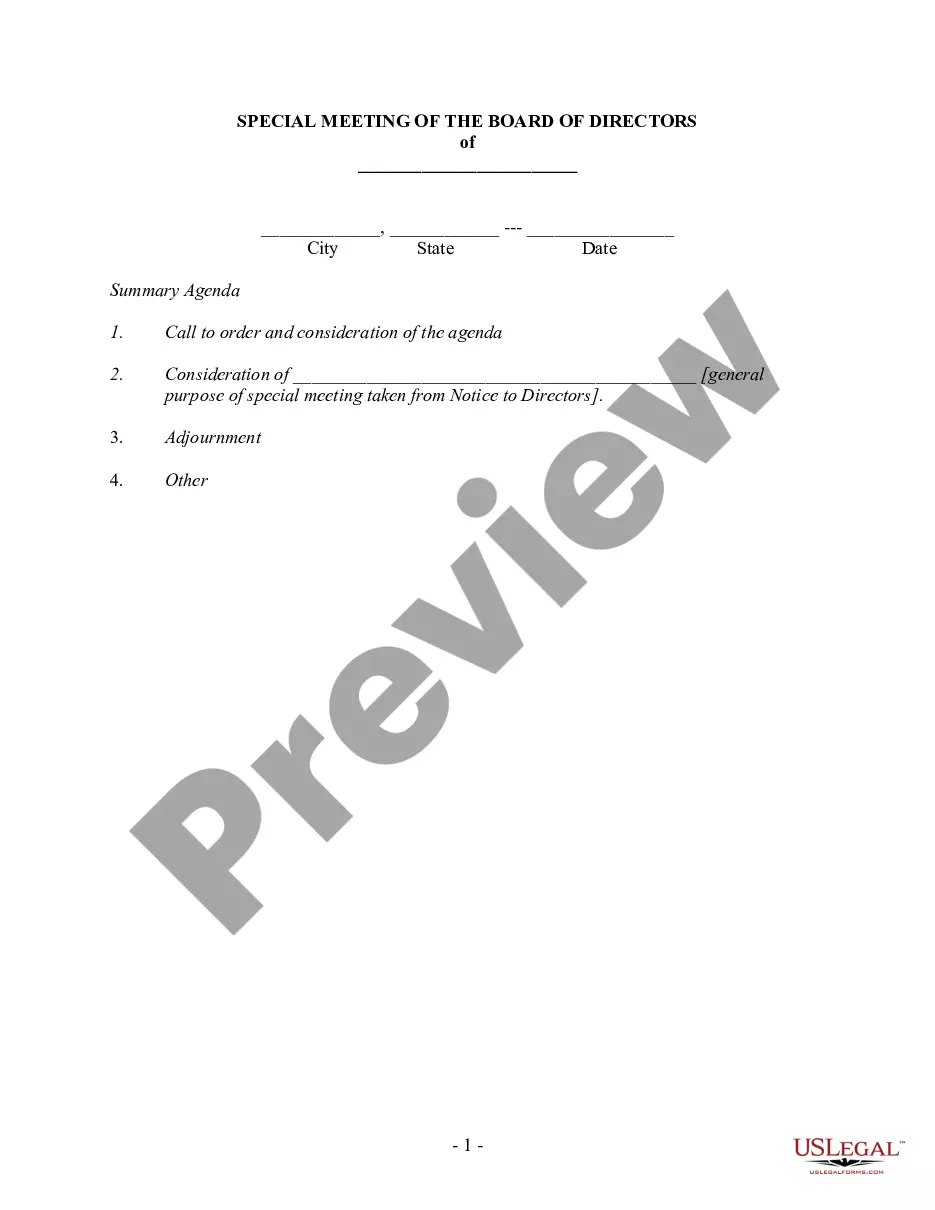
Estate Against Withdrawal In Miami-Dade
Description


Get your form ready online
Our built-in tools help you complete, sign, share, and store your documents in one place.
Make edits, fill in missing information, and update formatting in US Legal Forms—just like you would in MS Word.
Download a copy, print it, send it by email, or mail it via USPS—whatever works best for your next step.
Sign and collect signatures with our SignNow integration. Send to multiple recipients, set reminders, and more. Go Premium to unlock E-Sign.
If this form requires notarization, complete it online through a secure video call—no need to meet a notary in person or wait for an appointment.
We protect your documents and personal data by following strict security and privacy standards.

Make edits, fill in missing information, and update formatting in US Legal Forms—just like you would in MS Word.

Download a copy, print it, send it by email, or mail it via USPS—whatever works best for your next step.

Sign and collect signatures with our SignNow integration. Send to multiple recipients, set reminders, and more. Go Premium to unlock E-Sign.

If this form requires notarization, complete it online through a secure video call—no need to meet a notary in person or wait for an appointment.

We protect your documents and personal data by following strict security and privacy standards.
Looking for another form?







Form popularity
FAQ
Due to this requirement, formal probates at a minimum will remain open for approximately 4 months, but on average most probates will stay open anywhere from 7-9 months. Probate assets should never be distributed before the creditor period has expired and all creditor claims have been dealt with appropriately.
It takes a minimum of six months, but it generally takes 18 months, and, as in any state, complex and litigated estates can add a year or more to the timeline. In almost all cases, Florida law requires that a licensed attorney administer the estate. With summary administration, probate usually takes one to two months.
A: The 10-day rule for probate in Florida is in reference to the will being filed in the court. The will of a deceased person must be filed with the probate court within 10 days of their death. The rule applies to both formal and summary administration proceedings. To avoid delays, the executor should file promptly.
Probate in Miami-Dade County usually takes about 9 to 12 months. If things are simple, it might only take 6 months, but complicated cases can last up to 18 months.
Except as stated in subdivision (c), a lawyer may withdraw from representing a client if: (1) withdrawal can be accomplished without material adverse effect on the interests of the client; (2) the client insists upon taking action that the lawyer considers repugnant, imprudent, or with which the lawyer has a ...
The Florida petition to determine heirs form is structured to gather foundational information pertinent to probate proceedings. Essential sections include personal information about the decedent and details about all potential heirs.
There are two main types of probate in Florida: a formal probate administration and a summary probate administration. There is also a disposition without administration that is available in very limited circumstances. The formal probate administration usually takes 6-9 months under most circumstances - start to finish.
As a result, you will begin to see the case status Post-Judgement Inactive (PJREPINACT) or Post-Judgement Active (PJREPACT) appear when viewing cases through the Clerk of Court Online Docket or the Florida Courts E-filing Portal.
This requires several steps: Petition the court to open the estate. The probate attorney will prepare a document called a petition to file with the court to open the estate. File proof of decedent's death. File oath of office. Designate resident agent. Furnish bond. Serve notice of administration.
You may file your case with the Clerk of the Circuit Court & Comptroller's office online using the statewide E-Filing portal, or in person or by mail at any Clerk of the Circuit Court & Comptroller courthouse location.