Suing An Estate Executor For Misrepresentation In Los Angeles
Description


Get your form ready online
Our built-in tools help you complete, sign, share, and store your documents in one place.
Make edits, fill in missing information, and update formatting in US Legal Forms—just like you would in MS Word.
Download a copy, print it, send it by email, or mail it via USPS—whatever works best for your next step.
Sign and collect signatures with our SignNow integration. Send to multiple recipients, set reminders, and more. Go Premium to unlock E-Sign.
If this form requires notarization, complete it online through a secure video call—no need to meet a notary in person or wait for an appointment.
We protect your documents and personal data by following strict security and privacy standards.

Make edits, fill in missing information, and update formatting in US Legal Forms—just like you would in MS Word.

Download a copy, print it, send it by email, or mail it via USPS—whatever works best for your next step.

Sign and collect signatures with our SignNow integration. Send to multiple recipients, set reminders, and more. Go Premium to unlock E-Sign.

If this form requires notarization, complete it online through a secure video call—no need to meet a notary in person or wait for an appointment.

We protect your documents and personal data by following strict security and privacy standards.
Looking for another form?
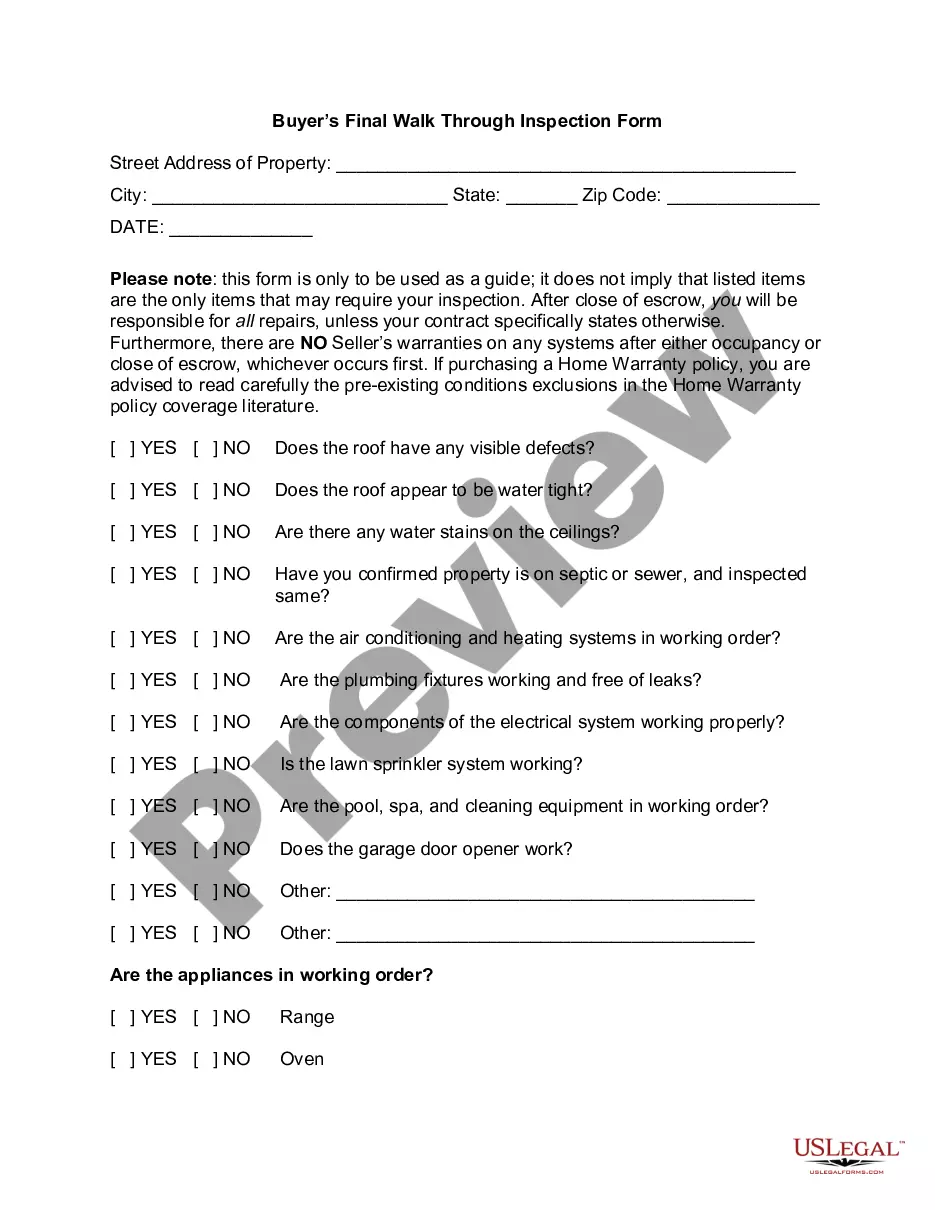







Form popularity
FAQ
How To Sue A Deceased Person's Estate: Understanding California Law. Probate Code Sections 550 and 552 provide that an action against a deceased person, where the plaintiff seeks recovery of insurance proceeds only, may be filed against “the Estate of Decedent” within the decedent's estate.
– Executors are fiduciaries, meaning they must act in the best interest of the estate and its beneficiaries. They cannot use estate assets for personal gain or benefit from the estate improperly.
They are not allowed to change the distribution by adding in or removing beneficiaries. Even if they believe that assets should be distributed differently, the executor must follow the testator's directions in the will. Further, the executor must first obtain a court order before distributing estate assets.
California executors generally have one year from their appointment as executor to settle an estate and distribute its assets, paying creditors and distributing assets among beneficiaries. Delays may arise, which could extend this timeline in complex estate situations.
– Executors are fiduciaries, meaning they must act in the best interest of the estate and its beneficiaries. They cannot use estate assets for personal gain or benefit from the estate improperly.
Liability when an executor makes a mistake Unfortunately, a genuine mistake can sometimes snowball into a much bigger and often expensive problem that can be very complicated to resolve. The executor of an estate can be held personally liable for a mistake that results in a loss to the estate.
How To Sue A Deceased Person's Estate: Understanding California Law. Probate Code Sections 550 and 552 provide that an action against a deceased person, where the plaintiff seeks recovery of insurance proceeds only, may be filed against “the Estate of Decedent” within the decedent's estate.
How Long Does An Executor Have To Sell Property In California? In the Golden State, there's no hard and fast deadline for an executor to sell a property. However, they do need to keep things moving along with the estate's timely administration.
Understanding the Deceased Estate 3-Year Rule The core premise of the 3-year rule is that if the deceased's estate is not claimed or administered within three years of their death, the state or governing body may step in and take control of the distribution and management of the assets.

