Sample Letter To Judge For Leniency In Sentencing In Dallas
Description


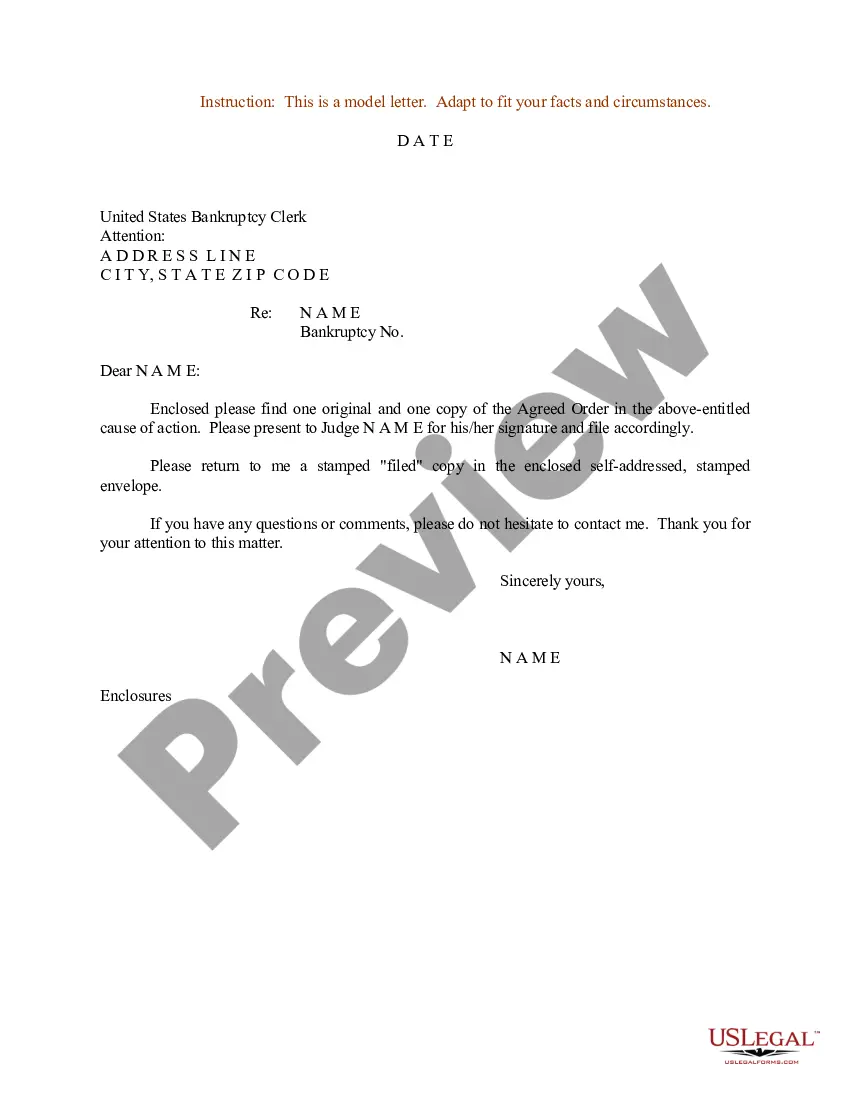
Get your form ready online
Our built-in tools help you complete, sign, share, and store your documents in one place.
Make edits, fill in missing information, and update formatting in US Legal Forms—just like you would in MS Word.
Download a copy, print it, send it by email, or mail it via USPS—whatever works best for your next step.
Sign and collect signatures with our SignNow integration. Send to multiple recipients, set reminders, and more. Go Premium to unlock E-Sign.
If this form requires notarization, complete it online through a secure video call—no need to meet a notary in person or wait for an appointment.
We protect your documents and personal data by following strict security and privacy standards.

Make edits, fill in missing information, and update formatting in US Legal Forms—just like you would in MS Word.

Download a copy, print it, send it by email, or mail it via USPS—whatever works best for your next step.

Sign and collect signatures with our SignNow integration. Send to multiple recipients, set reminders, and more. Go Premium to unlock E-Sign.

If this form requires notarization, complete it online through a secure video call—no need to meet a notary in person or wait for an appointment.

We protect your documents and personal data by following strict security and privacy standards.
Looking for another form?

Form popularity
FAQ
Explain why you deserve leniency, such as ignorance or misinformation about your actions, the severity and impact upon your life if the court imposes the maximum outcome, and an absence of a prior history of similar acts. Give the judge a good reason to help you. Don't be too proud to ask for help. Act humbly.
Here are ways to convince a judge to give you a lesser sentence. Hire a Criminal Lawyer. An experienced criminal defense attorney can identify potential weaknesses in the prosecution's case. Present Some Mitigating Evidence. Cooperate With Law Enforcement. Strictly Follow Court Orders. Hire a Seasoned Attorney.
Character letters, which are also known as “sentencing letters,” are written by the defendant's friends and family members in an effort to convince the judge to assess a lower sentence. These are a mainstay of federal criminal cases.
When setting forth your reasons for leniency, try to tell a story or use examples that help paint a favorable picture of the defendant. For example, if the defendant frequently devotes his/her time to the community, provide specific instances of when the defendant did so.
The core of your letter should explain why you believe the judge should show leniency towards the defendant. Highlight the defendant's positive traits and contributions, such as: Their role in caring for and providing for their family. Good character traits or values they possess.

