Settlement Against Estate With Deed Of Donation In King
Description


Get your form ready online
Our built-in tools help you complete, sign, share, and store your documents in one place.
Make edits, fill in missing information, and update formatting in US Legal Forms—just like you would in MS Word.
Download a copy, print it, send it by email, or mail it via USPS—whatever works best for your next step.
Sign and collect signatures with our SignNow integration. Send to multiple recipients, set reminders, and more. Go Premium to unlock E-Sign.
If this form requires notarization, complete it online through a secure video call—no need to meet a notary in person or wait for an appointment.
We protect your documents and personal data by following strict security and privacy standards.

Make edits, fill in missing information, and update formatting in US Legal Forms—just like you would in MS Word.

Download a copy, print it, send it by email, or mail it via USPS—whatever works best for your next step.

Sign and collect signatures with our SignNow integration. Send to multiple recipients, set reminders, and more. Go Premium to unlock E-Sign.

If this form requires notarization, complete it online through a secure video call—no need to meet a notary in person or wait for an appointment.

We protect your documents and personal data by following strict security and privacy standards.
Looking for another form?

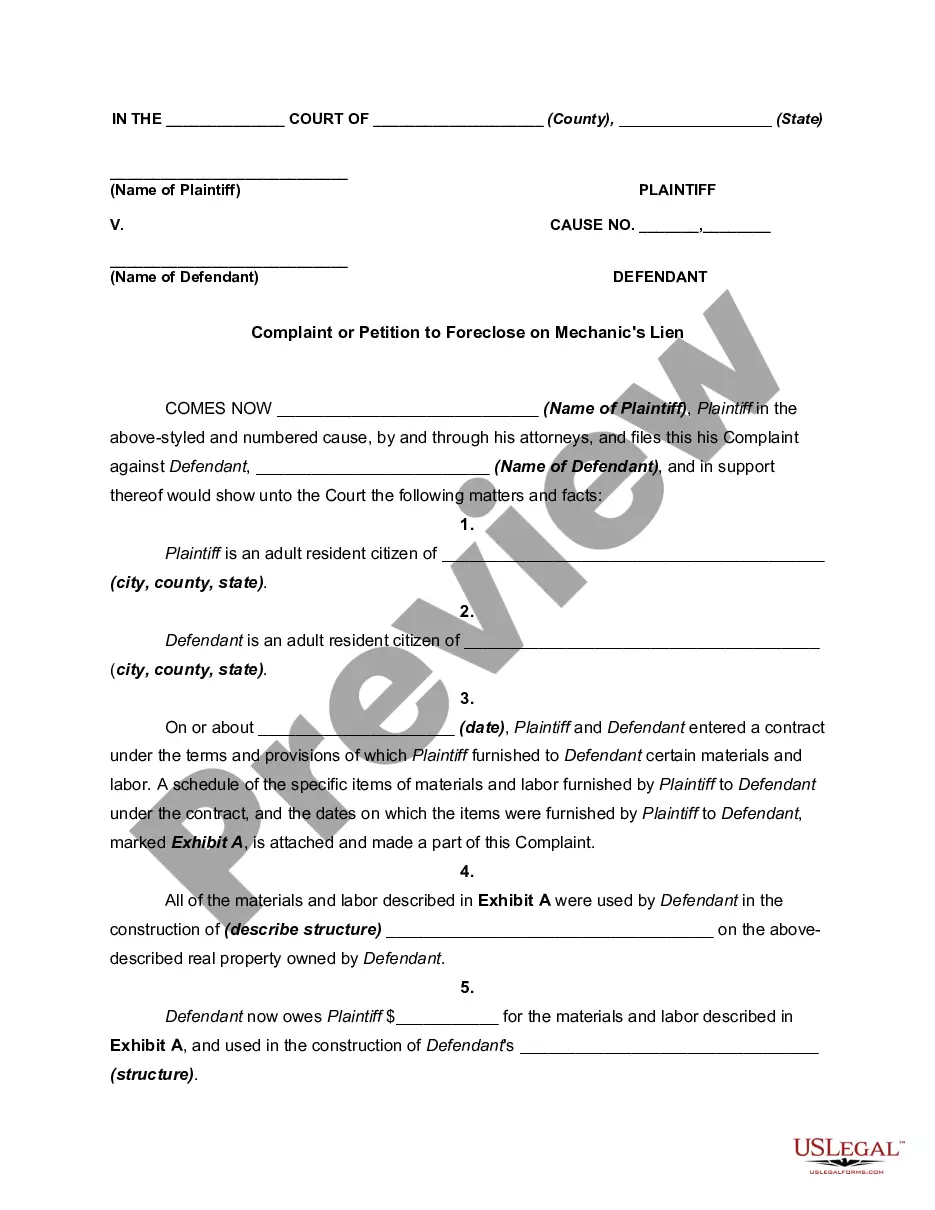






Form popularity
FAQ
There is no fixed legal timeline by which an executor needs to complete their duties in Alberta. However, they are required to distribute the estate as soon as possible, and since probate generally takes up to a year, the rule of thumb is that executors generally have up to a year to complete their responsibilities.
Transferring property owned by a sole owner This will be dictated by the terms of the will if there is one or by inheritance laws, if there isn't. For the property to be transferred to a beneficiary, the executor or administrator will need to submit a document called an 'Assent' to the Land Registry.
Gift Deed: Can be revoked only under certain conditions agreed upon by both parties. Settlement Deed: Can be revoked if the conditions set forth in the deed are not met Ouseph Fernandez VS Teena Ben - Kerala (2023).
Understanding the Deceased Estate 3-Year Rule The core premise of the 3-year rule is that if the deceased's estate is not claimed or administered within three years of their death, the state or governing body may step in and take control of the distribution and management of the assets.
There is no strict and specified timeline for distributing a will for executors. However, the rule of thumb, ing to common law, is that the executor needs to wrap up or settle an estate ing to the will within one year of the decedent's death. This is also called the executor's year.
A deed of variation (also known as a deed of family arrangement) is a legal document that allows beneficiaries to rearrange or vary the entitlements due to them.
For the property to be transferred to a beneficiary, the executor or administrator will need to submit a document called an 'Assent' to the Land Registry. The Land Registry will then transfer the property into the name of the new owner.
How to Change a Deed When Inheriting a House Step 1: Get a Copy of the Probated Will. Step 2: Confirm the Nature of Property Ownership. Step 3: Get a Certified Copy of the Death Certificate. Step 4: Draft a New Deed that Names You as the Property Owner. Step 5: Sign the Deed. Step 6: Have the New Deed Notarized.
This means you don't need to do anything to change the deed on a property you inherit. The deed to the property automatically transfers to you after your loved one passes away. From that point, all you would need to prove that you are the rightful owner of the property is: A copy of your loved one's death certificate.
If multiple siblings inherit the house as joint tenants, they have equal rights to the property. The property can be registered with the Land Registry to establish legal ownership, but this is not required unless the property is sold or mortgaged.

