Estate Against Without Income Proof In Illinois
Description


Get your form ready online
Our built-in tools help you complete, sign, share, and store your documents in one place.
Make edits, fill in missing information, and update formatting in US Legal Forms—just like you would in MS Word.
Download a copy, print it, send it by email, or mail it via USPS—whatever works best for your next step.
Sign and collect signatures with our SignNow integration. Send to multiple recipients, set reminders, and more. Go Premium to unlock E-Sign.
If this form requires notarization, complete it online through a secure video call—no need to meet a notary in person or wait for an appointment.
We protect your documents and personal data by following strict security and privacy standards.

Make edits, fill in missing information, and update formatting in US Legal Forms—just like you would in MS Word.

Download a copy, print it, send it by email, or mail it via USPS—whatever works best for your next step.

Sign and collect signatures with our SignNow integration. Send to multiple recipients, set reminders, and more. Go Premium to unlock E-Sign.

If this form requires notarization, complete it online through a secure video call—no need to meet a notary in person or wait for an appointment.

We protect your documents and personal data by following strict security and privacy standards.
Looking for another form?






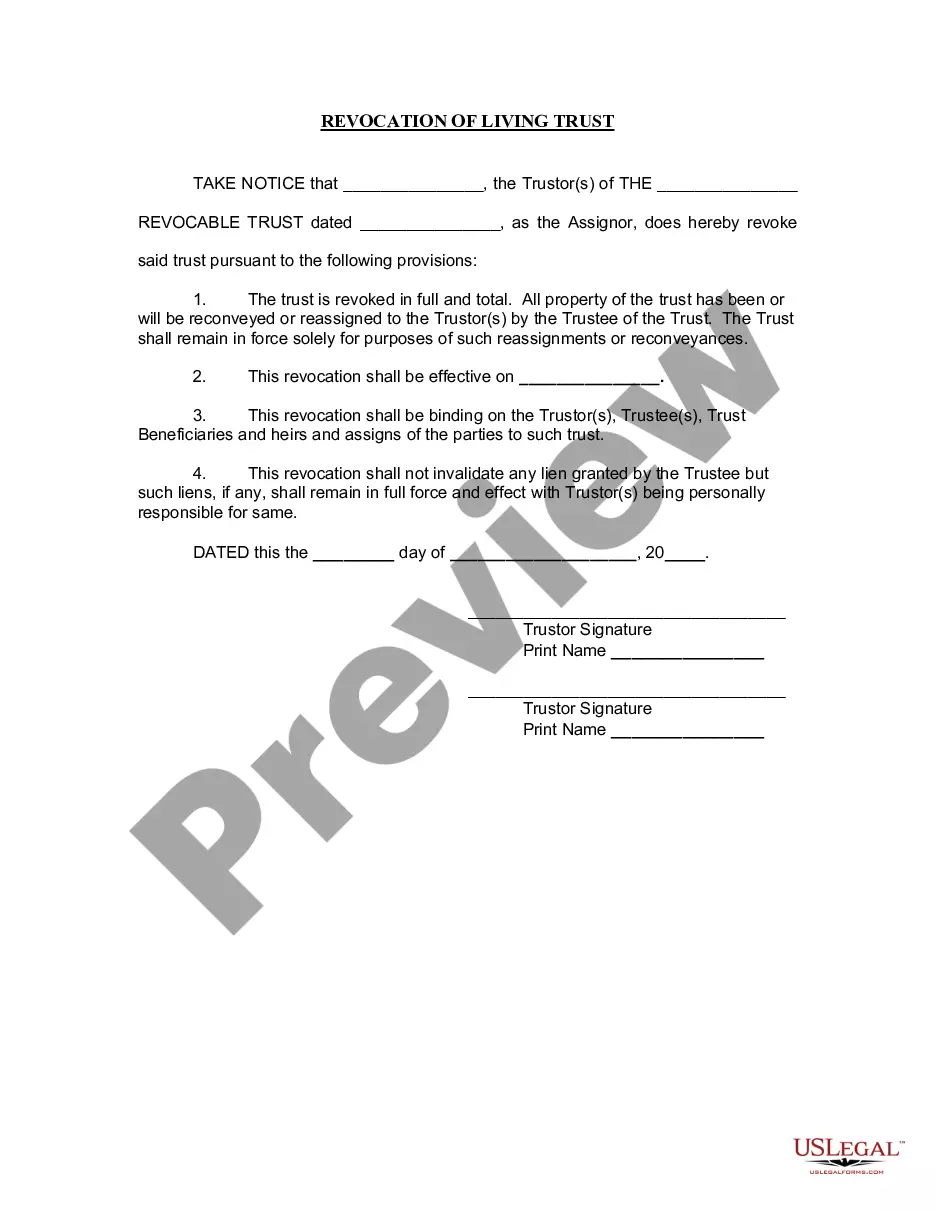
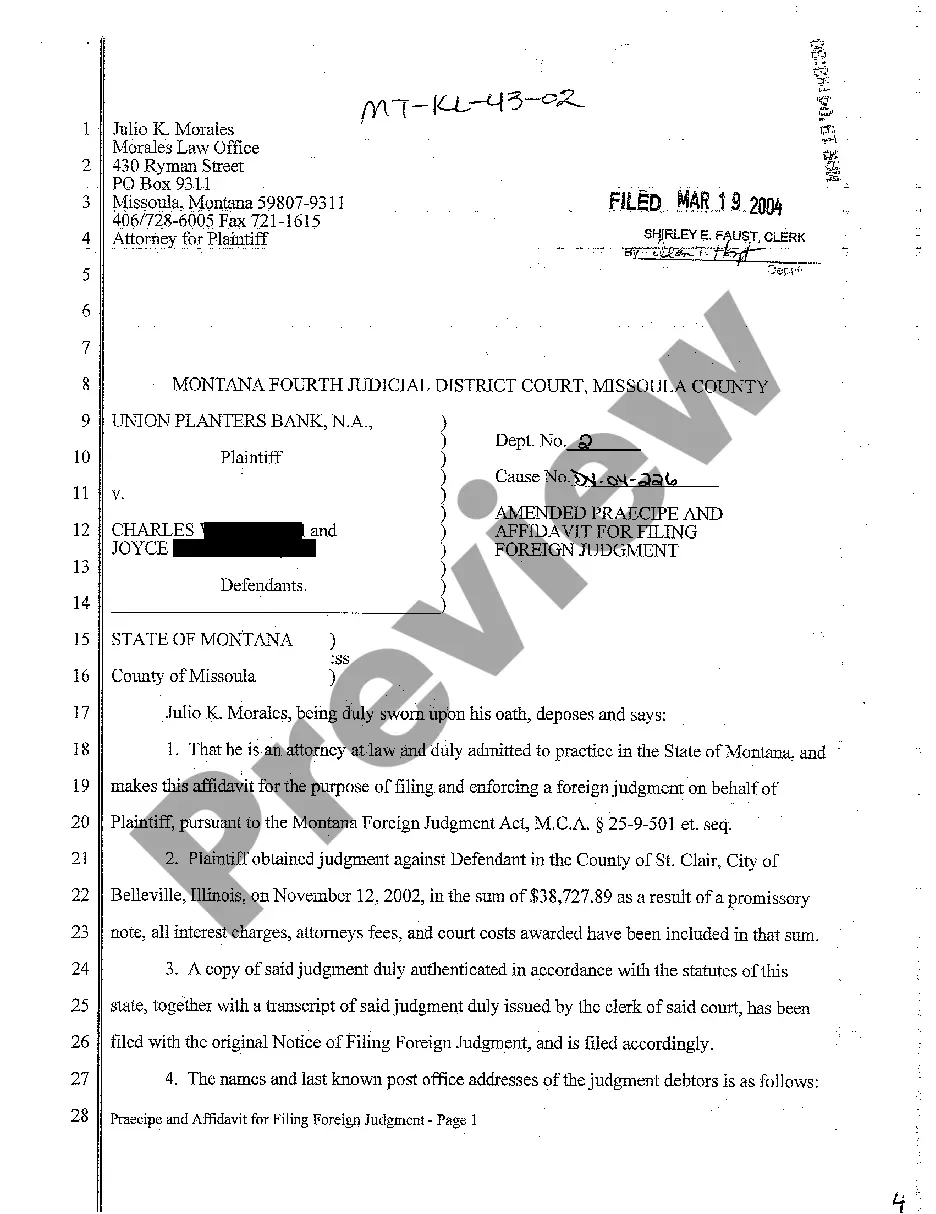
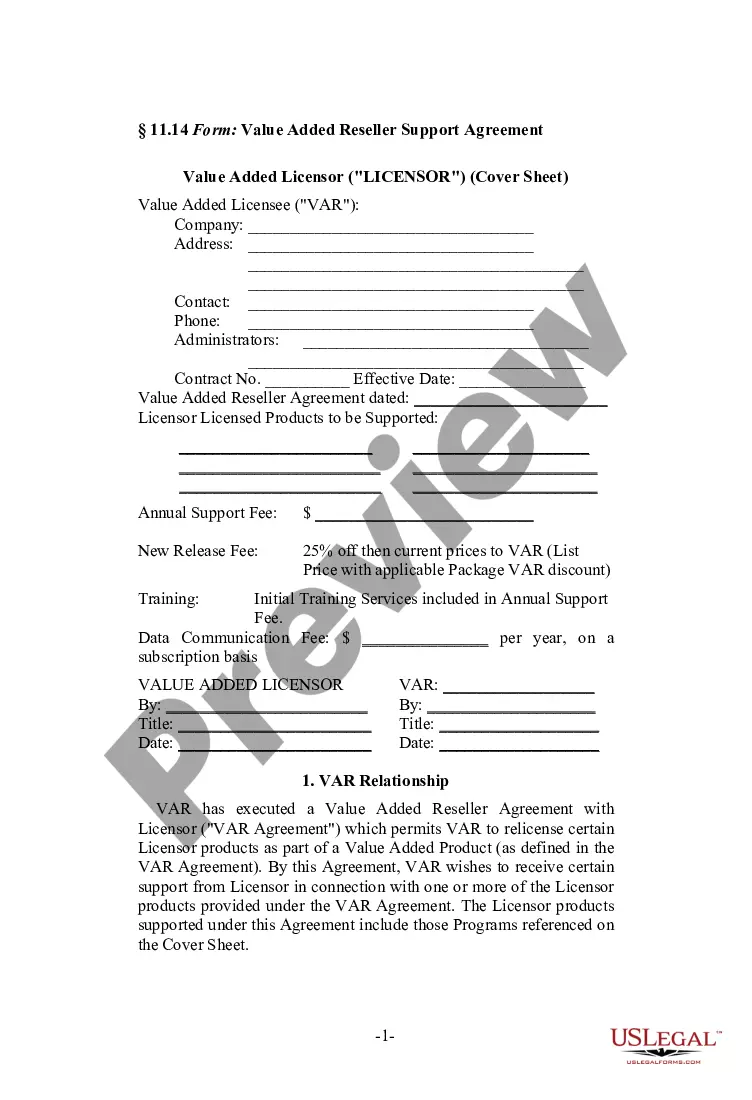

Form popularity
FAQ
How to fill out a small estate affidavit in Illinois Fill in your name and information in #1. Complete the information about the decedent in #2-4. Mark either #7a or #7b depending on what is true. Complete #9a to indicate the names of the spouse and children if any.
Though the affiant is not legally required to have a lawyer, it is wise for the affiant to hire one. It may seem wasteful to hire a lawyer when an estate is small, but many of the same rules that govern the full blown Illinois probate process apply to the affidavit.
To use a Small Estate Affidavit in Illinois, you'll need to meet the following qualifications: The total value of the estate must be less than $100,000. The estate must not include any real property. There cannot be any outstanding debts or claims against the estate.
How to Avoid Probate in Illinois Establish a Living Trust. Creating a living trust is one of the most effective ways to avoid probate. Joint Ownership of Property. Use of Transfer-on-Death Instruments. Payable-on-Death (POD) and Beneficiary Designations. Utilize the Illinois Small Estate Affidavit.
How to fill out a small estate affidavit in Illinois Fill in your name and information in #1. Complete the information about the decedent in #2-4. Mark either #7a or #7b depending on what is true. Complete #9a to indicate the names of the spouse and children if any.
When a person dies in Illinois, anyone who has a claim against a decedent's estate —whether it is a contract, tort, or statutory custodial claim—may file that claim with the estate representative or with the court.
In this article... In the state of Illinois, a strict statute of limitations governs the filing period for claims against an estate in probate court. Creditors have exactly two years from the date of death to file their claim.
When a person dies in Illinois, anyone who has a claim against a decedent's estate —whether it is a contract, tort, or statutory custodial claim—may file that claim with the estate representative or with the court.
An interested person, usually a family member, files a petition with. the Probate Court asking that an "administrator" be appointed, that the Court determine the heirs, and that an estate be opened. Notice of the presentation of that petition and the hearing must be given in writing to close relatives.

