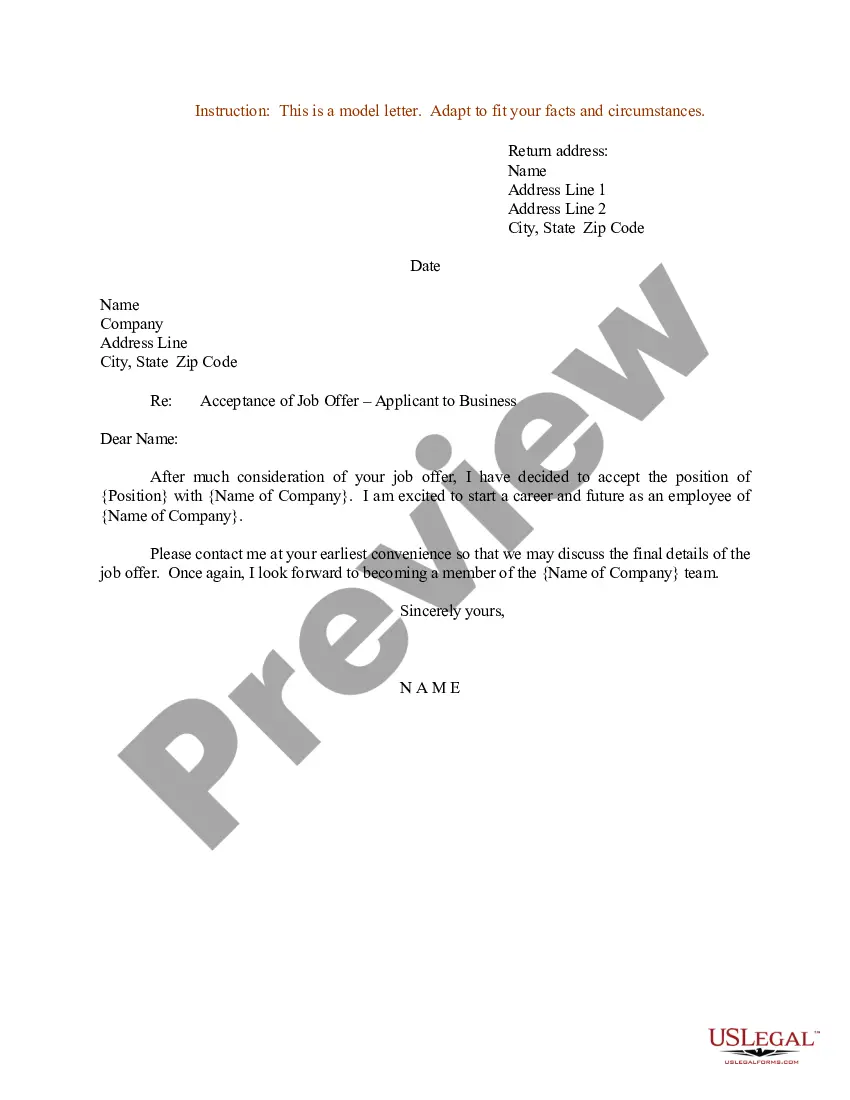
Claim Statement Examples In Hennepin
Description


Get your form ready online
Our built-in tools help you complete, sign, share, and store your documents in one place.
Make edits, fill in missing information, and update formatting in US Legal Forms—just like you would in MS Word.
Download a copy, print it, send it by email, or mail it via USPS—whatever works best for your next step.
Sign and collect signatures with our SignNow integration. Send to multiple recipients, set reminders, and more. Go Premium to unlock E-Sign.
If this form requires notarization, complete it online through a secure video call—no need to meet a notary in person or wait for an appointment.
We protect your documents and personal data by following strict security and privacy standards.

Make edits, fill in missing information, and update formatting in US Legal Forms—just like you would in MS Word.

Download a copy, print it, send it by email, or mail it via USPS—whatever works best for your next step.

Sign and collect signatures with our SignNow integration. Send to multiple recipients, set reminders, and more. Go Premium to unlock E-Sign.

If this form requires notarization, complete it online through a secure video call—no need to meet a notary in person or wait for an appointment.

We protect your documents and personal data by following strict security and privacy standards.
Looking for another form?







Form popularity
FAQ
Conciliation Court can accept claims for filing that are at, or below, the limit set by law. Currently the limit is $15,000. The limit is $4,000 if the claim involves consumer credit transaction. You cannot file a claim in Conciliation Court involving the title to real estate.
Conclusion: Going to small claims court may be worth it for $500, but it will determine how you weigh your costs versus benefits. At a minimum, it is worth it to send a demand letter.
To start a Small Claims Court case, the Plaintiff completes the Claim Affidavit (Form 2), the Affidavit of Identification (Form 8), gathers copies of documents (exhibits) the Plaintiff believes proves their claim, and files the completed forms and copies of documents (exhibits) with the clerk of court.
What is conciliation court? Minnesota statute 491A. 01 created the conciliation court - also called small claims court. This court allows citizens to bring their legal claims to court without expensive costs or complicated legal procedures.