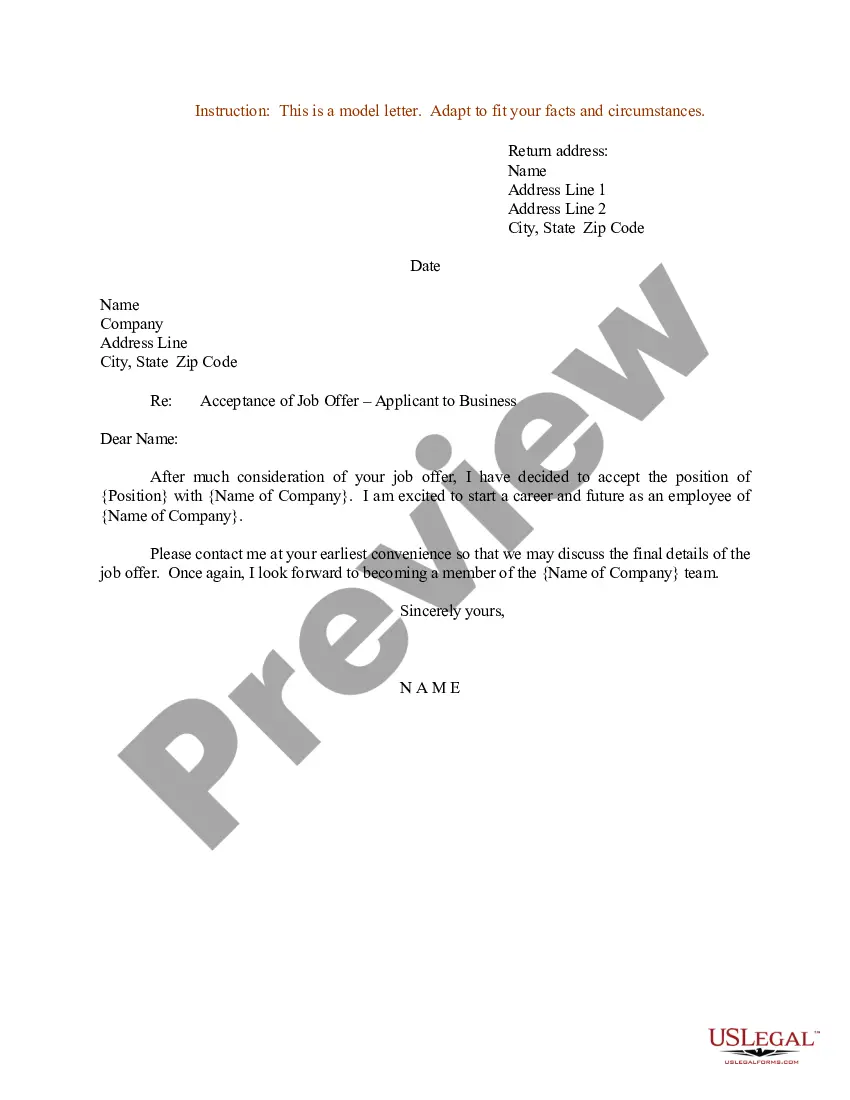
Sample Claim Statement With Example In Georgia
Description


Get your form ready online
Our built-in tools help you complete, sign, share, and store your documents in one place.
Make edits, fill in missing information, and update formatting in US Legal Forms—just like you would in MS Word.
Download a copy, print it, send it by email, or mail it via USPS—whatever works best for your next step.
Sign and collect signatures with our SignNow integration. Send to multiple recipients, set reminders, and more. Go Premium to unlock E-Sign.
If this form requires notarization, complete it online through a secure video call—no need to meet a notary in person or wait for an appointment.
We protect your documents and personal data by following strict security and privacy standards.

Make edits, fill in missing information, and update formatting in US Legal Forms—just like you would in MS Word.

Download a copy, print it, send it by email, or mail it via USPS—whatever works best for your next step.

Sign and collect signatures with our SignNow integration. Send to multiple recipients, set reminders, and more. Go Premium to unlock E-Sign.

If this form requires notarization, complete it online through a secure video call—no need to meet a notary in person or wait for an appointment.

We protect your documents and personal data by following strict security and privacy standards.
Looking for another form?






Form popularity
FAQ
You can file a claim for which you are seeking $15,000 or less. If your claim exceeds $15,000 principal, the Magistrate Court does not have jurisdiction (the legal authority) to hear your case, and it must be filed in another court; such as, Superior Court.
The plaintiff must file a sworn statement with the clerk of the appropriate magistrate court, describing the charges made by the plaintiff against the defendant. This statement is called a statement of claim, or a claim.
When you are served, a summons will be on the top of the petition. It will tell you how many days you have to file a written answer with the Court and on whom you must serve a copy of your answer. You can use the attached form Answer and Counterclaim to draft your answer and counterclaim.
What is a statement of claim? A statement of claim is a document prepared by the plaintiff, that is, the person or company who is initiating the case in the court. A statement of claim usually accompanies a writ or could be otherwise needed during the course of a proceeding.
You can file a claim for which you are seeking $15,000 or less. If your claim exceeds $15,000 principal, the Magistrate Court does not have jurisdiction (the legal authority) to hear your case, and it must be filed in another court; such as, Superior Court.
Statement of Claim Write a short and plain statement of the claim. Do not make legal arguments. State as briefly as possible the facts showing that each plaintiff is entitled to the damages or other relief sought.