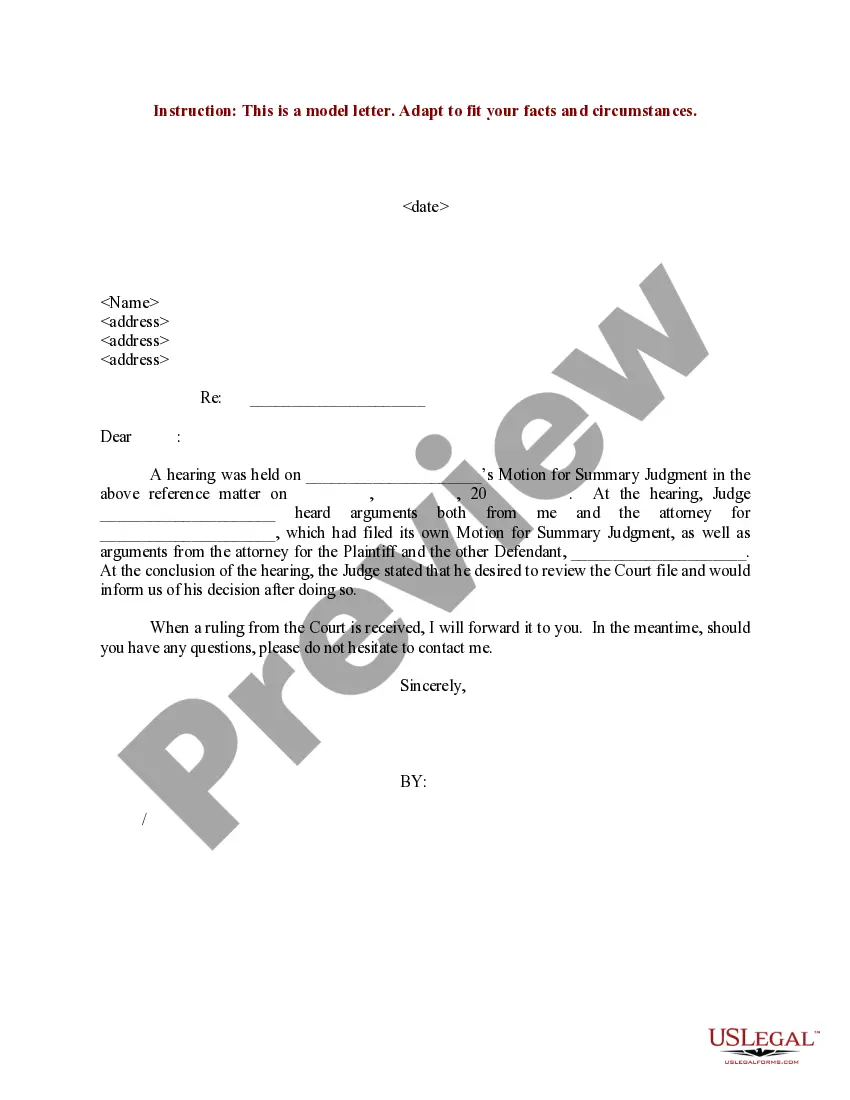
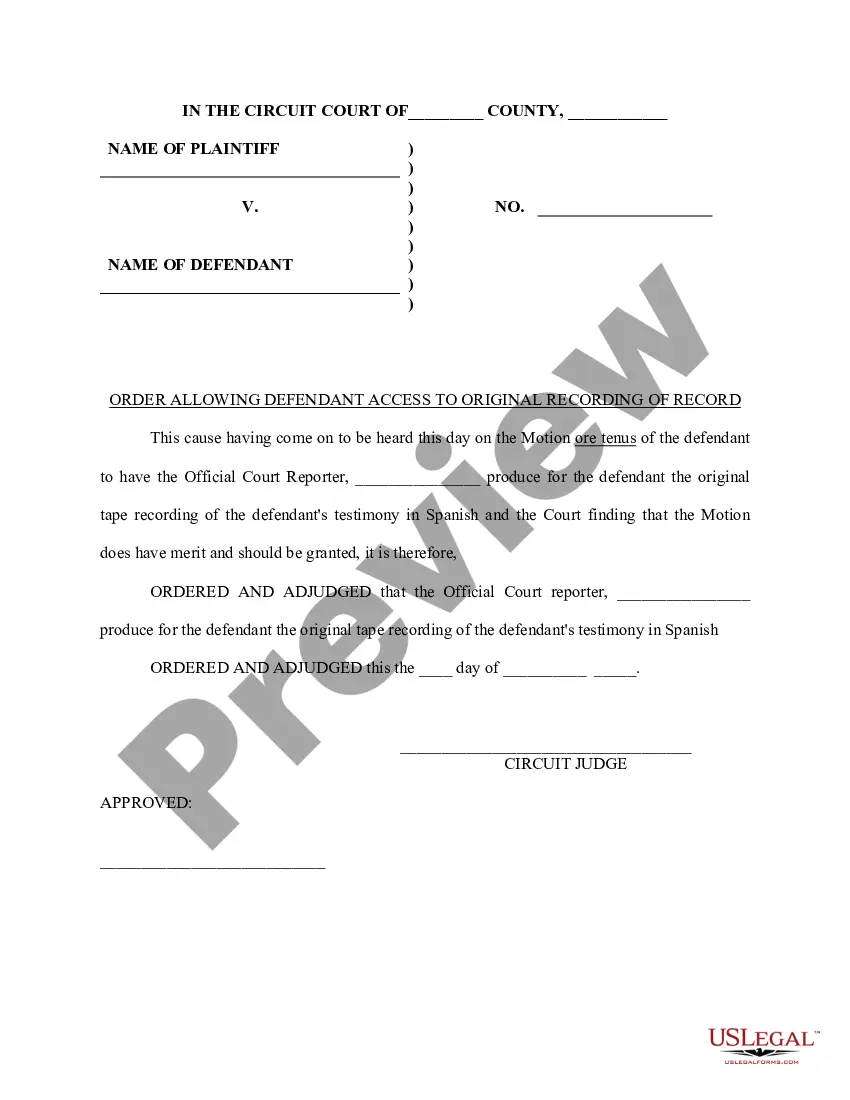
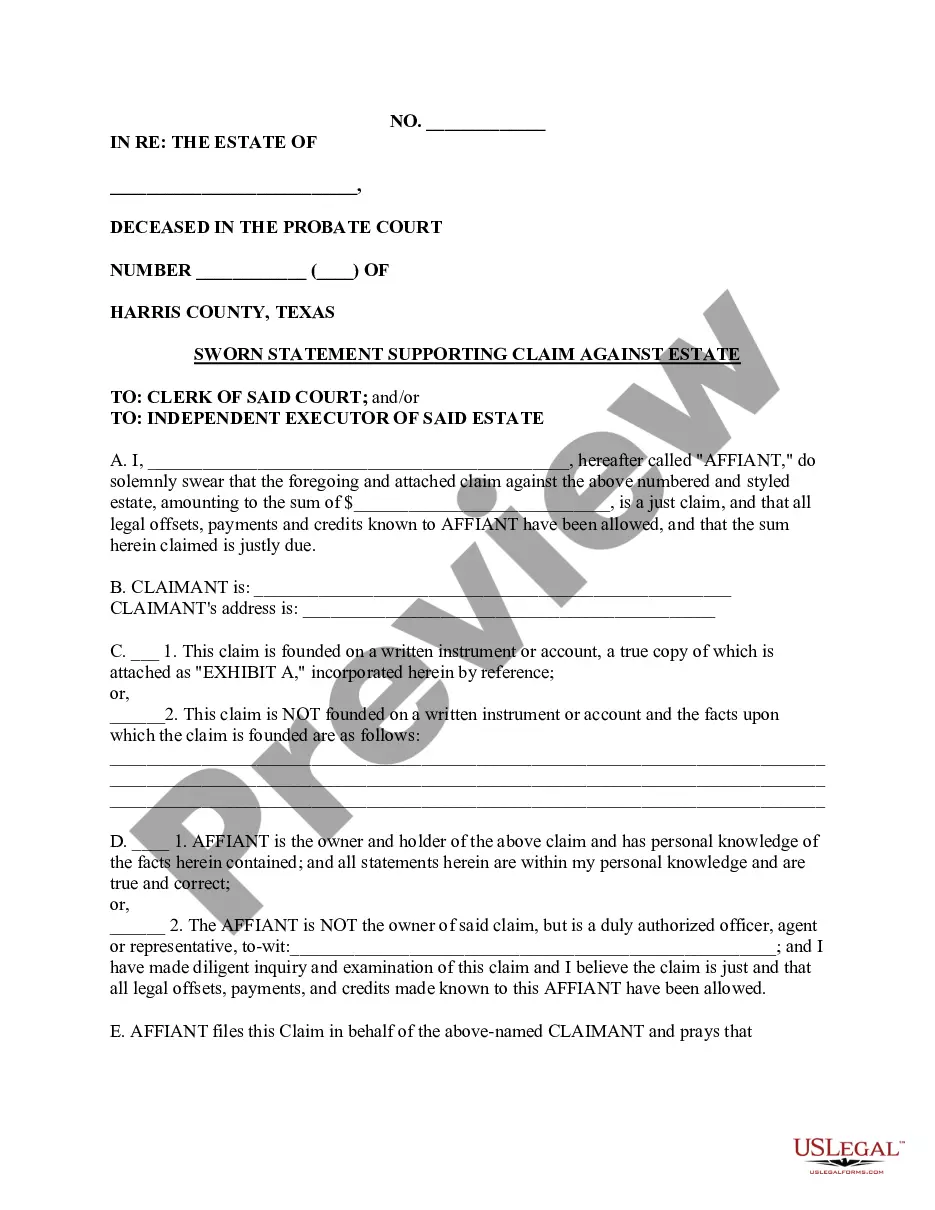
Claim Against Executor Of Estate Without Will In Fulton
Description


Get your form ready online
Our built-in tools help you complete, sign, share, and store your documents in one place.
Make edits, fill in missing information, and update formatting in US Legal Forms—just like you would in MS Word.
Download a copy, print it, send it by email, or mail it via USPS—whatever works best for your next step.
Sign and collect signatures with our SignNow integration. Send to multiple recipients, set reminders, and more. Go Premium to unlock E-Sign.
If this form requires notarization, complete it online through a secure video call—no need to meet a notary in person or wait for an appointment.
We protect your documents and personal data by following strict security and privacy standards.

Make edits, fill in missing information, and update formatting in US Legal Forms—just like you would in MS Word.

Download a copy, print it, send it by email, or mail it via USPS—whatever works best for your next step.

Sign and collect signatures with our SignNow integration. Send to multiple recipients, set reminders, and more. Go Premium to unlock E-Sign.

If this form requires notarization, complete it online through a secure video call—no need to meet a notary in person or wait for an appointment.

We protect your documents and personal data by following strict security and privacy standards.
Looking for another form?


Form popularity
FAQ
When a property has to be sold it is wise to use a solicitor to complete that process. The executor has to wait for at least 6 months after a death before distributing the possessions and assets.
The timeline for distributing funds after probate depends largely on the complexity of the estate. For straightforward estates with minimal assets, such as a single bank account and no property, beneficiaries might receive their inheritance within six months.
If the concerns about the behaviour of the Executor still remain, you may be able to make an application to the Court to seek an Order for the current Executor to be removed.
How long after probate can funds be distributed in the UK? A Personal Representative, or executor, has 365 days in which to administer the estate of the deceased and to distribute their assets to the Beneficiaries. As complex estates can take longer than a year to wind up, this isn't a strict deadline.
Strictly speaking, a beneficiary has no entitlement or right to such documentation and it is at your discretion as executor whether or not you disclose it.
Place an advertisement in a local newspaper where the deceased usually lived, as well as the Government Gazette. This advertisement will inform all creditors of the deceased's death and request them to lodge their claims against the deceased estate (“claims”) within 30 days from the date of the advertisement.
In Georgia, when someone dies without a will, the intestate succession laws dictate that the deceased person's property goes to the closest living relative(s). Here are some common examples of how this could play out: If you die with a spouse and no children, your surviving spouse inherits everything.
Children (or if none, grandchildren) will get an equal share. if there are no children or grandchildren, surviving parents will get a share. if there are no children, grandchildren or surviving parents, any brothers and sisters will get a share (or their children if they died while the deceased was still alive)
Under Georgia law, legally adopted children will receive an equal share of the estate with biological children. Children born after a decedent's death are considered heirs, provided the child is born within ten months of the decedent's death and survived 120 hours or more after birth.