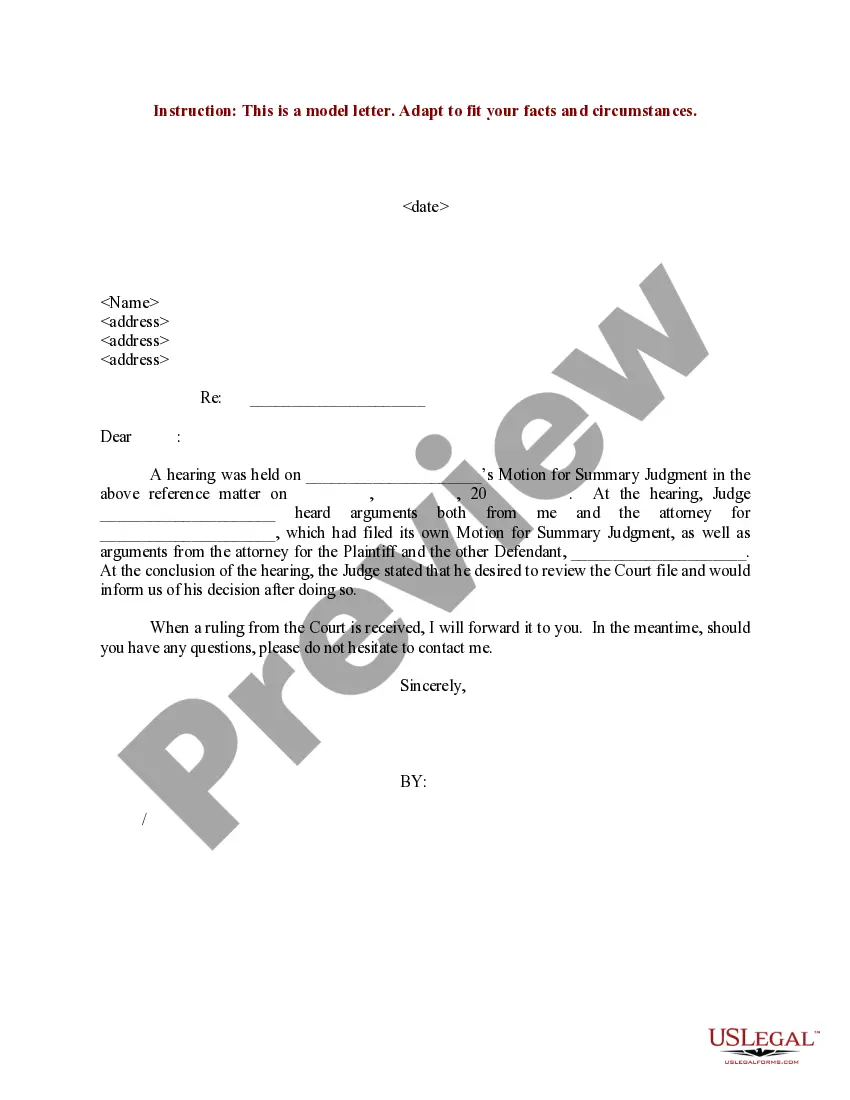
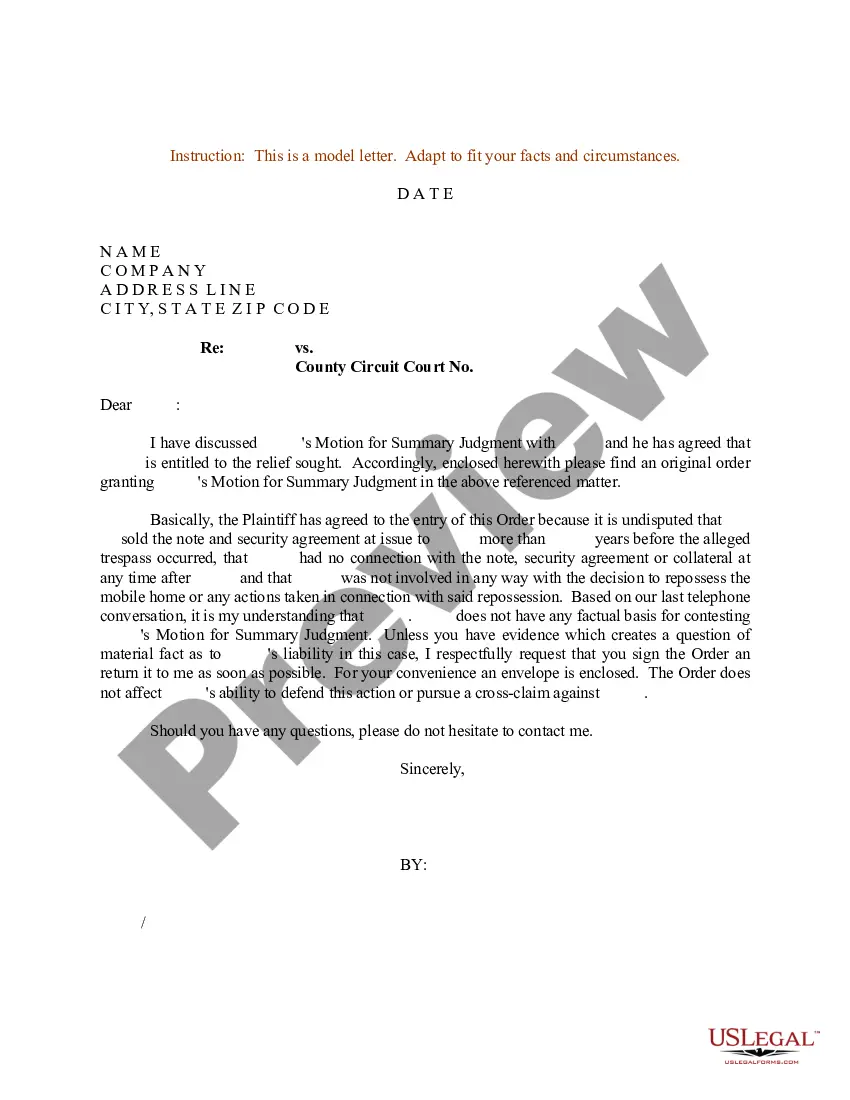
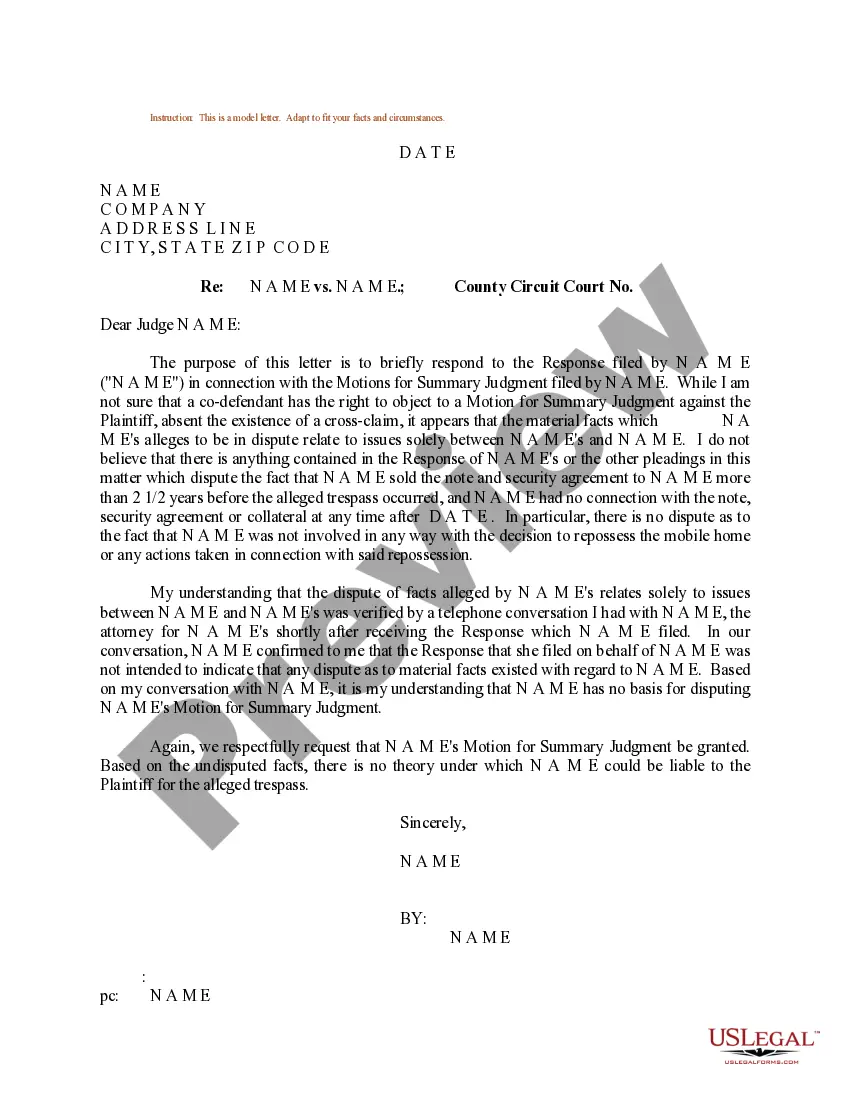
Letter Concerning Hearing Without Consent In Los Angeles
Description
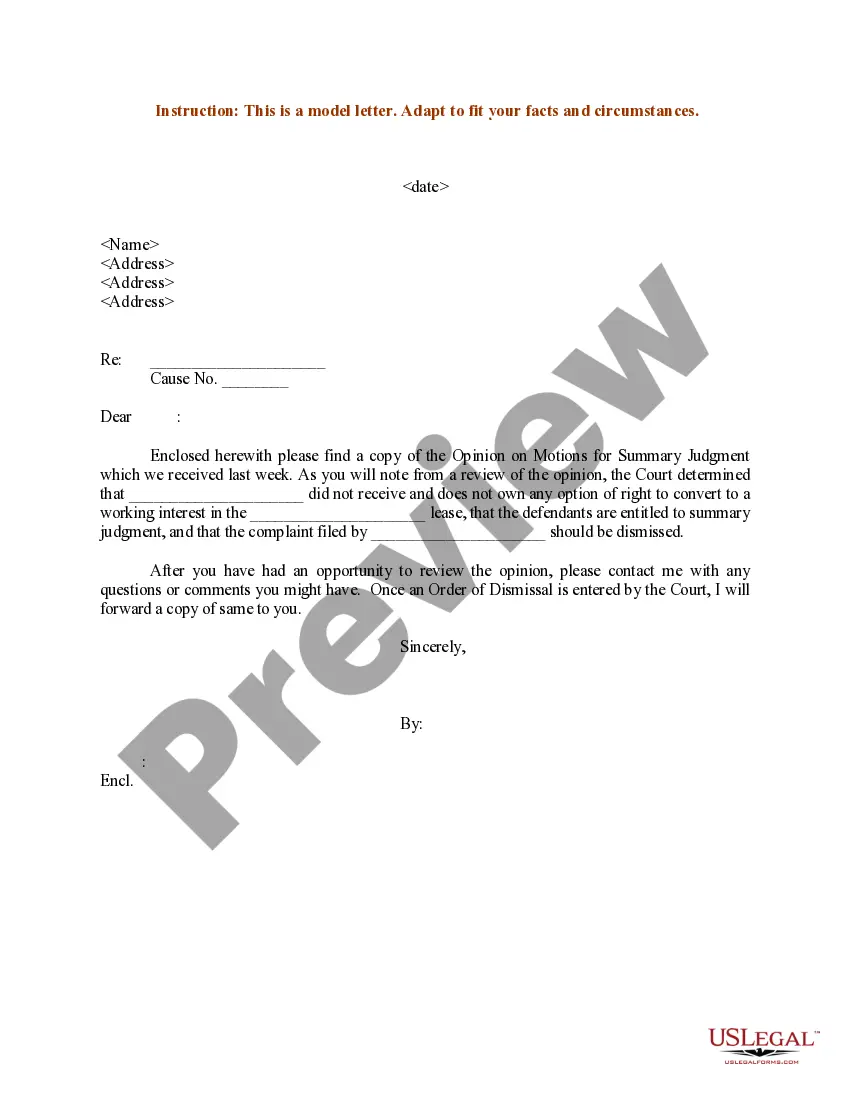
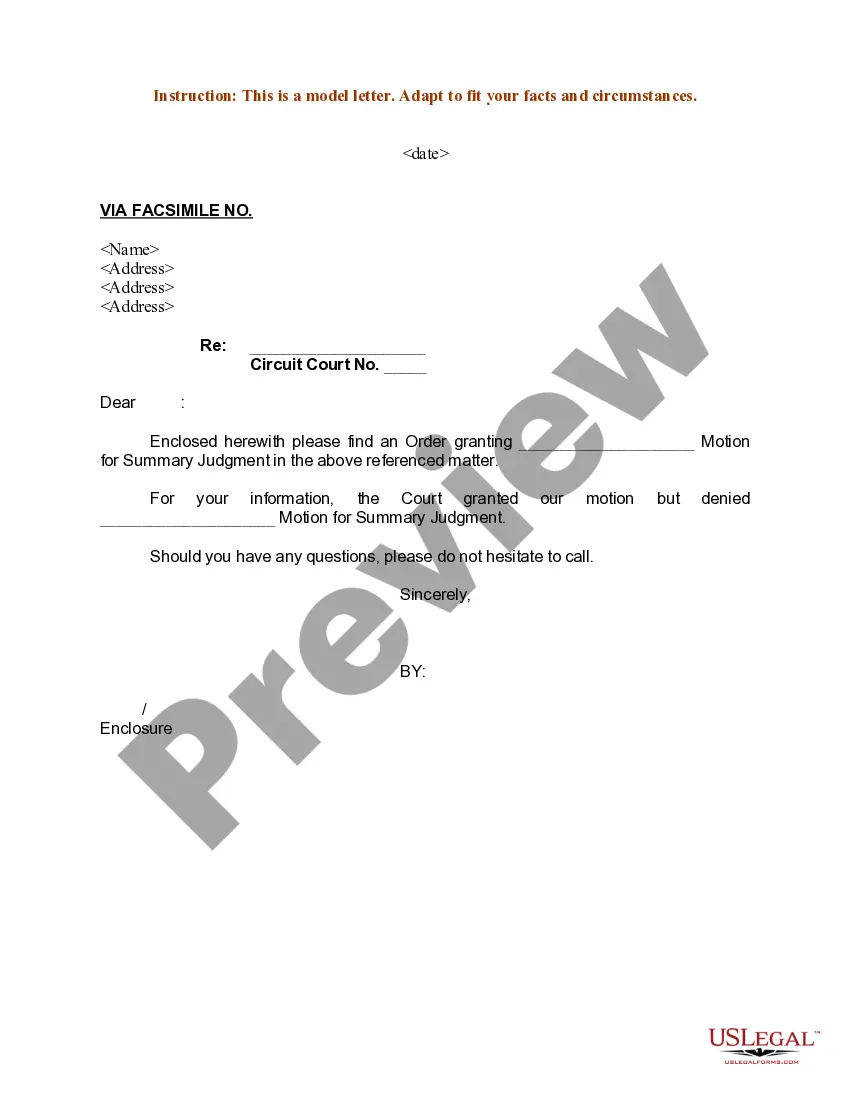
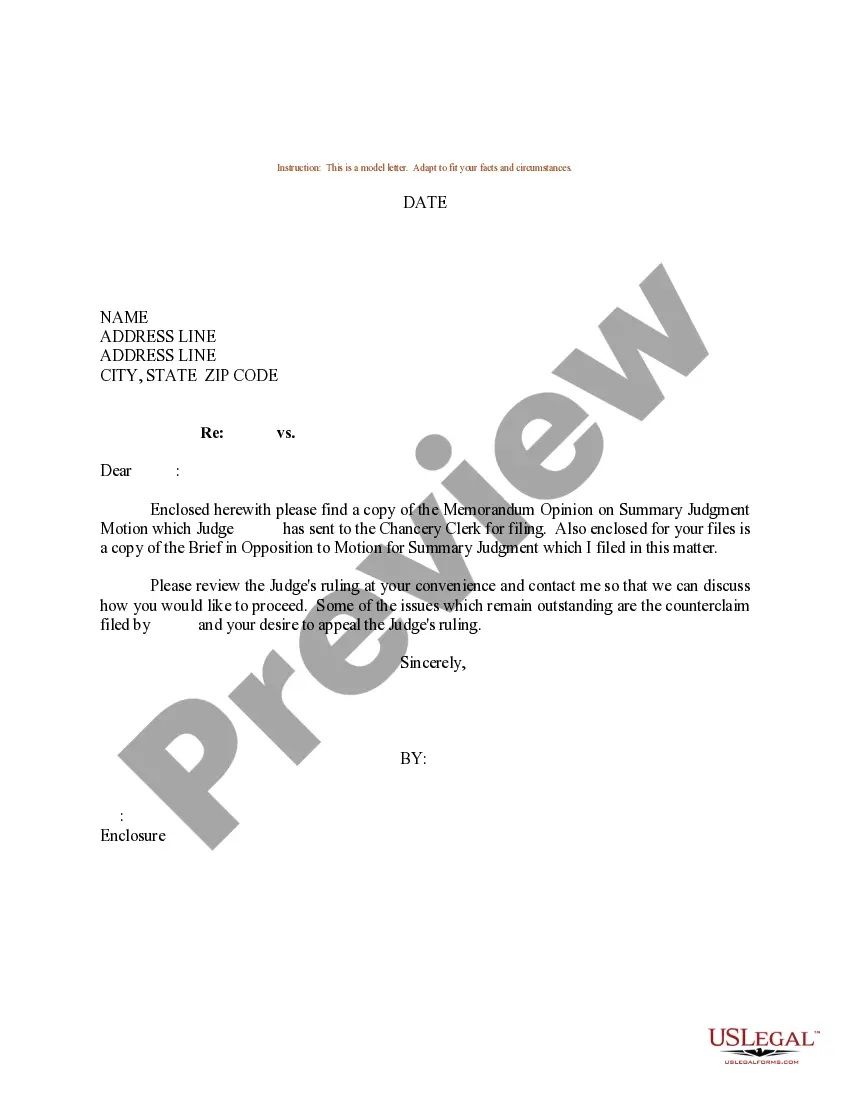
Get your form ready online
Our built-in tools help you complete, sign, share, and store your documents in one place.
Make edits, fill in missing information, and update formatting in US Legal Forms—just like you would in MS Word.
Download a copy, print it, send it by email, or mail it via USPS—whatever works best for your next step.
Sign and collect signatures with our SignNow integration. Send to multiple recipients, set reminders, and more. Go Premium to unlock E-Sign.
If this form requires notarization, complete it online through a secure video call—no need to meet a notary in person or wait for an appointment.
We protect your documents and personal data by following strict security and privacy standards.

Make edits, fill in missing information, and update formatting in US Legal Forms—just like you would in MS Word.

Download a copy, print it, send it by email, or mail it via USPS—whatever works best for your next step.

Sign and collect signatures with our SignNow integration. Send to multiple recipients, set reminders, and more. Go Premium to unlock E-Sign.

If this form requires notarization, complete it online through a secure video call—no need to meet a notary in person or wait for an appointment.

We protect your documents and personal data by following strict security and privacy standards.
Looking for another form?








Form popularity
FAQ
Request for Order (form FL-300) If you received a Request for Order (form FL-300), it means the other person in your family law case is asking the judge to make a decision. The court sets a date to hear from both sides (a hearing) before it makes a decision.
All Superior Courts in California have authority over a wide variety of case types: Civil Cases - Includes both limited civil cases ($35,000 or less) and unlimited civil cases (over $35,000). Criminal Cases - Both felony and misdemeanor crimes (including such offenses as driving under the influence).
The clerk of courts may send you a letter to notify you of upcoming court dates. Changes in in theMoreThe clerk of courts may send you a letter to notify you of upcoming court dates. Changes in in the case status or other important updates. If you've recently been involved in a traffic violation.
Responsive Declaration to Request for Order (FL-320) Tell the court and the other party if you agree or disagree with the orders the other party asked for in Request for Order (form FL-300). Also describe the orders you want the court to make instead of those that the other party asked for.
Superior courts handle: All civil cases (family law, probate, juvenile, and other civil cases); All criminal cases (felonies, misdemeanors, and infractions, like traffic tickets);
Magistrate and State Court do not have jurisdiction to hear/try cases involving felony offenses. Only the Superior Court may hear such cases. The formal documents which lays out the charges is known as (generally) either an accusation (misdemeanor offenses) or an indictment (felony charges).
A motion made for the purpose of precluding the mention or display of inadmissible and prejudicial matter in the presence of the jury must be accompanied by a supporting declaration. LASC LR 3.57(a) (amended eff 7/1/14).
A Notice to Attend Hearing or Trial is written notice, on pleading paper, that can be used to compel a party to appear at a hearing or trial. It cannot be used for a third-party, only a party to the case, and the other party MUST be a California Resident.
If you want to file a motion, the process is generally something like this: You write your motion. You file your motion with the court clerk. The court clerk inserts the date and time your motion will be heard by the judge. You “serve” (mail) your motion to the other side.
If the person refuses to take the papers, the server can leave them on the ground in front of them. This still counts as service. The server fills out a form called a "proof of service" to show when and where they gave the papers. They give the form back to you so you can file it in court.