Letter Settlement Estate Sample With Deed Of Donation In Fairfax
Description


Get your form ready online
Our built-in tools help you complete, sign, share, and store your documents in one place.
Make edits, fill in missing information, and update formatting in US Legal Forms—just like you would in MS Word.
Download a copy, print it, send it by email, or mail it via USPS—whatever works best for your next step.
Sign and collect signatures with our SignNow integration. Send to multiple recipients, set reminders, and more. Go Premium to unlock E-Sign.
If this form requires notarization, complete it online through a secure video call—no need to meet a notary in person or wait for an appointment.
We protect your documents and personal data by following strict security and privacy standards.

Make edits, fill in missing information, and update formatting in US Legal Forms—just like you would in MS Word.

Download a copy, print it, send it by email, or mail it via USPS—whatever works best for your next step.

Sign and collect signatures with our SignNow integration. Send to multiple recipients, set reminders, and more. Go Premium to unlock E-Sign.

If this form requires notarization, complete it online through a secure video call—no need to meet a notary in person or wait for an appointment.

We protect your documents and personal data by following strict security and privacy standards.
Looking for another form?






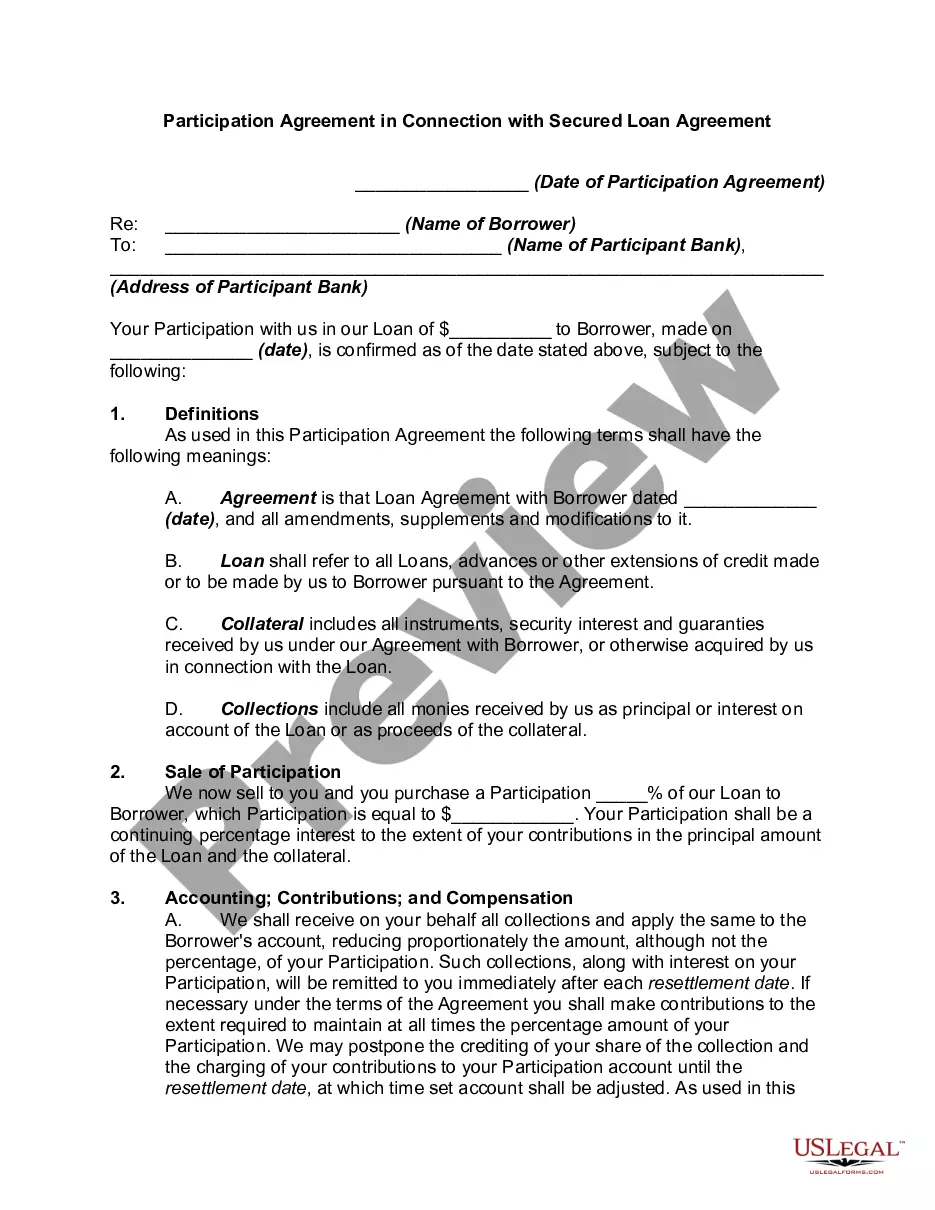

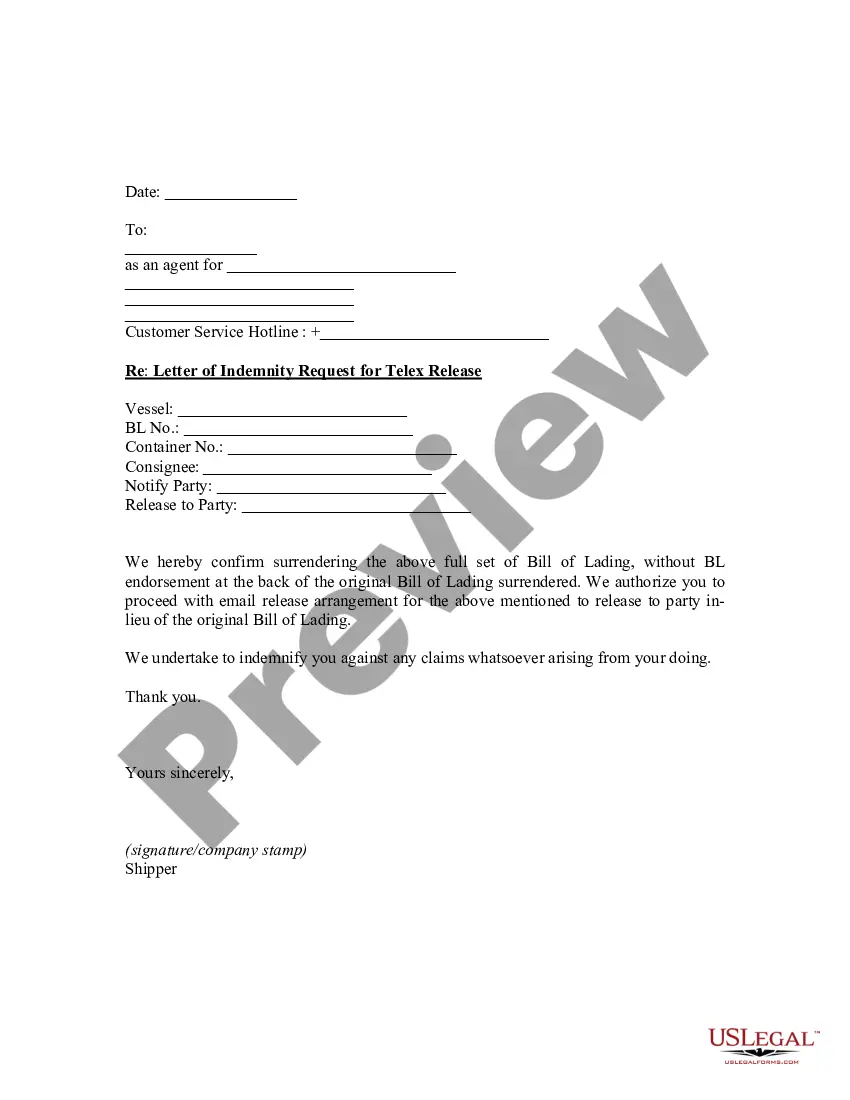

Form popularity
FAQ
An affidavit must be made voluntarily by the affiant or deponent to be valid. It must also be made under oath or affirmation administered by a person authorized to do so by law. In addition, the affidavit must contain the following information: The name, address, and telephone number of the affiant or deponent.
A Virginia small estate affidavit may expedite a probate process for an estate worth less than $50,000 (excluding real estate). The form may not be used until at least 60 days have passed since the decedent's death date.
The Virginia Small Estate Affidavit is a legal document used for managing estates valued at $50,000 or less. It expedites the distribution of small estates and allows direct transition of assets without formal probate.
§ 64.2-600. "Small asset" means any indebtedness owed to or any asset belonging or presently distributable to the decedent, other than real property, having a value, on the date of the decedent's death, of no more than $50,000.
In Virginia, an estate will need to be probated when a person dies with property valued at more than $50,000. So, to avoid probate, you must either have a very small estate or take steps to ensure that your assets transfer automatically to beneficiaries.
A donation deed is a legal document that transfers ownership of land or property from one person or entity to another as a gift. It is a type of deed, which is a written instrument used to convey property.
“In loving memory of NAME, we have made a donation to ORGANIZATION/CAUSE…” “In memory of NAME, a contribution has been made to ORGANIZATION/CAUSE…” “Our hearts are with you and your family during this difficult time…”
The Deed of Sale has stronger legal weight because it is a contract of onerous disposition (involves payment). Donations, being gratuitous, are generally subordinate to valid sales.
Donations are subject to donor's tax, as specified under the National Internal Revenue Code (NIRC). As of the latest amendments under the Tax Reform for Acceleration and Inclusion (TRAIN) Law, the donor's tax rate is 6% of the value exceeding PHP 250,000, regardless of the relationship between the donor and the donee.
Donations can be revoked due to ingratitude or other grounds specified by law. Additionally, if a donation infringes on the legitime (compulsory portion) of forced heirs, it may be subject to reduction.

