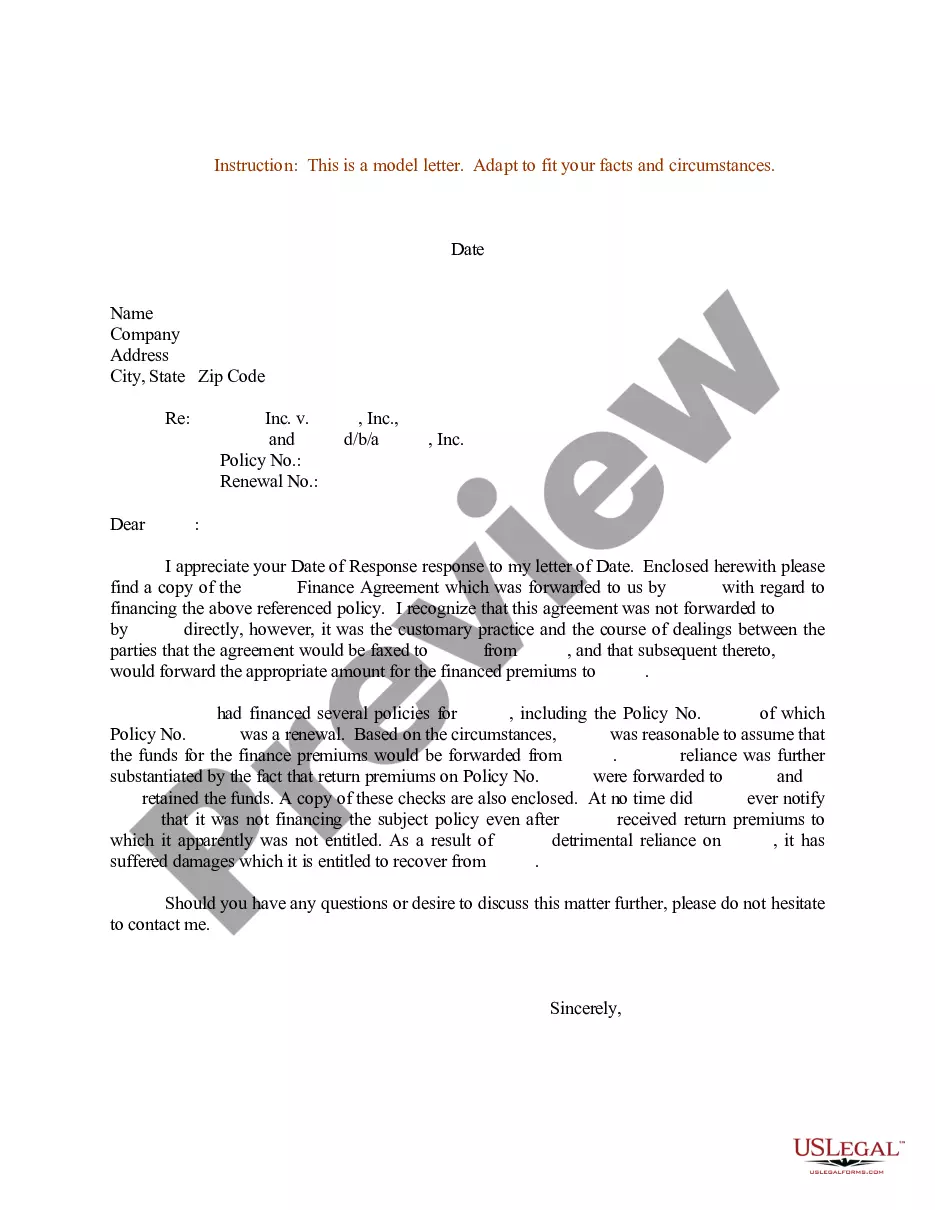
Letter Of Agreement For Payment Sample In Middlesex
Description
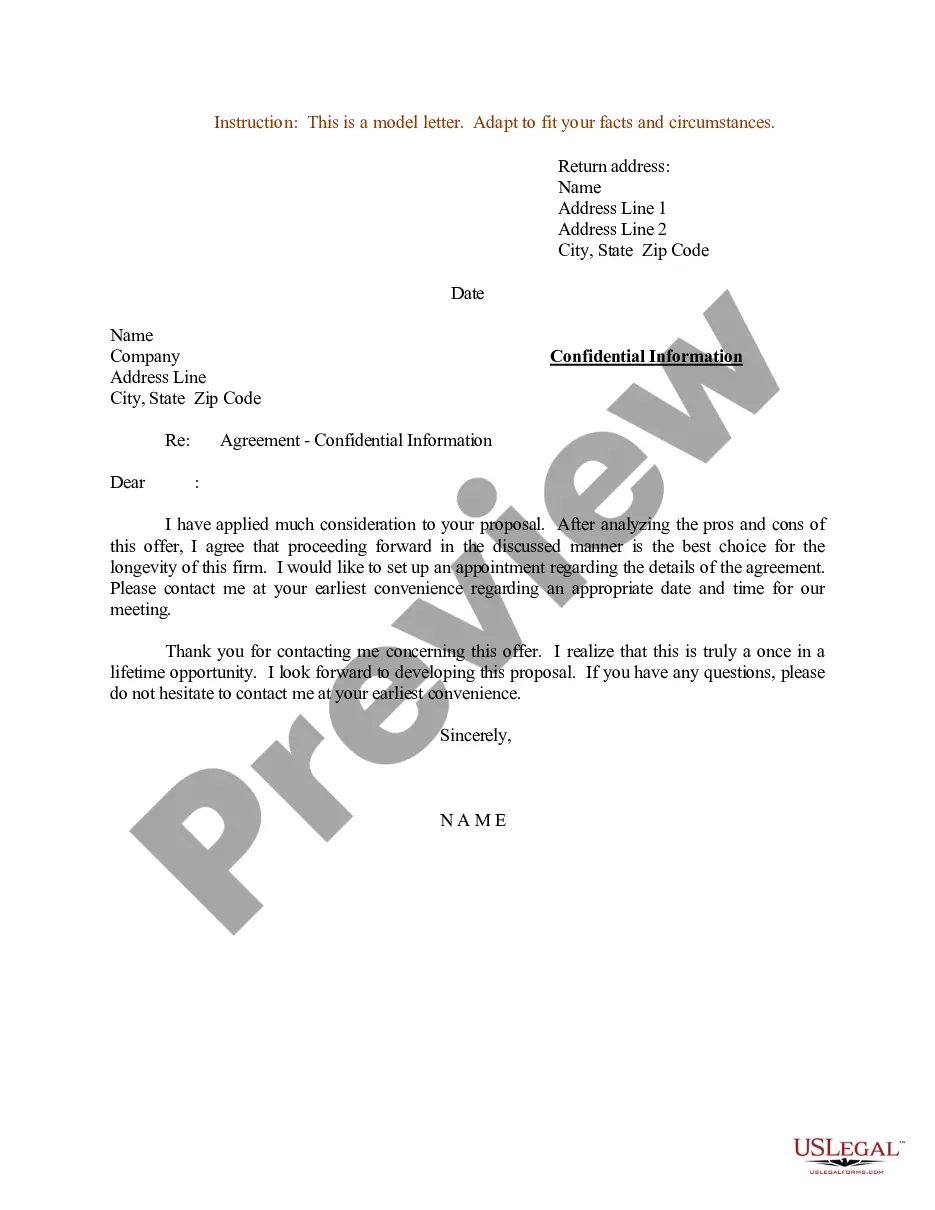
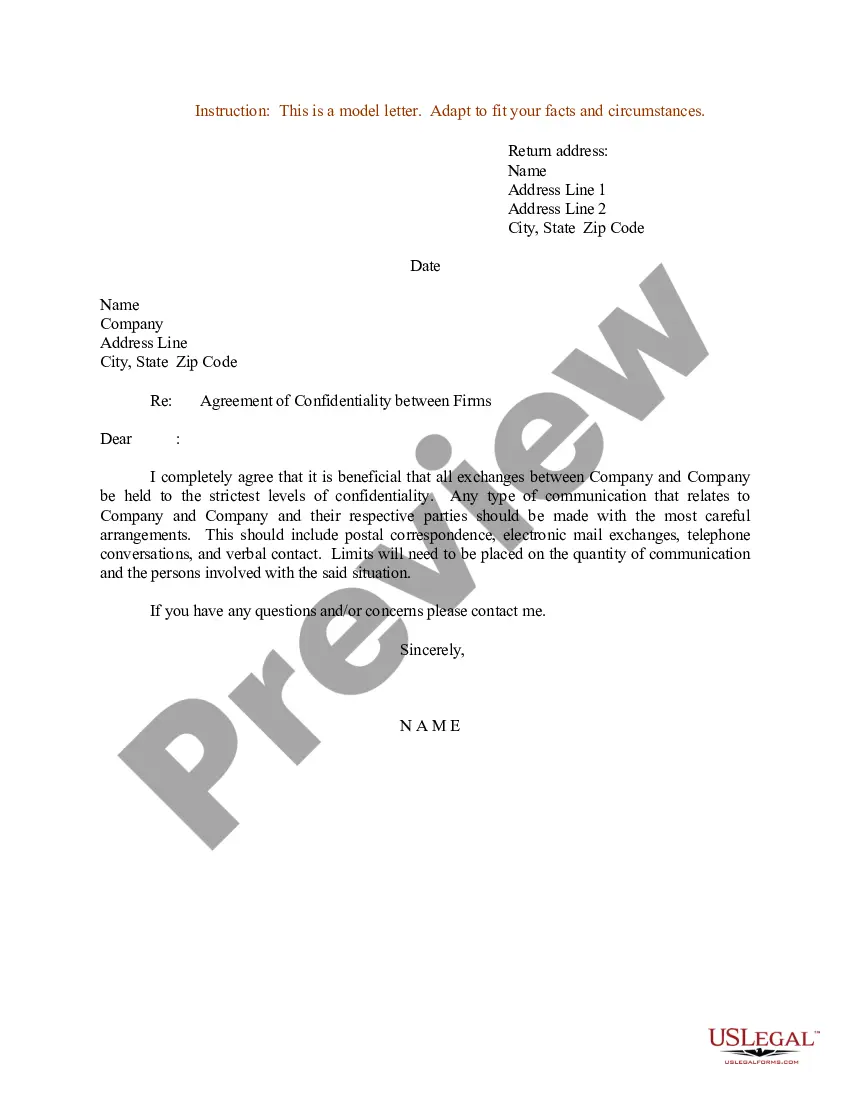
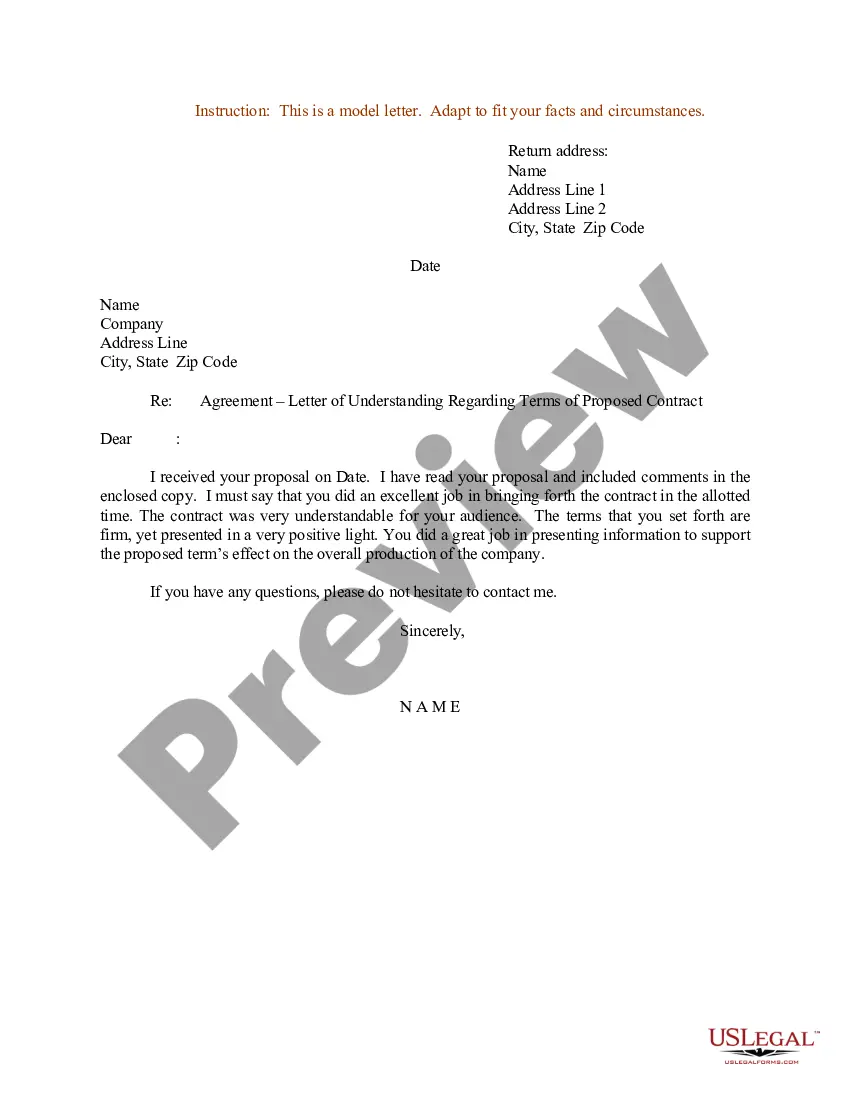
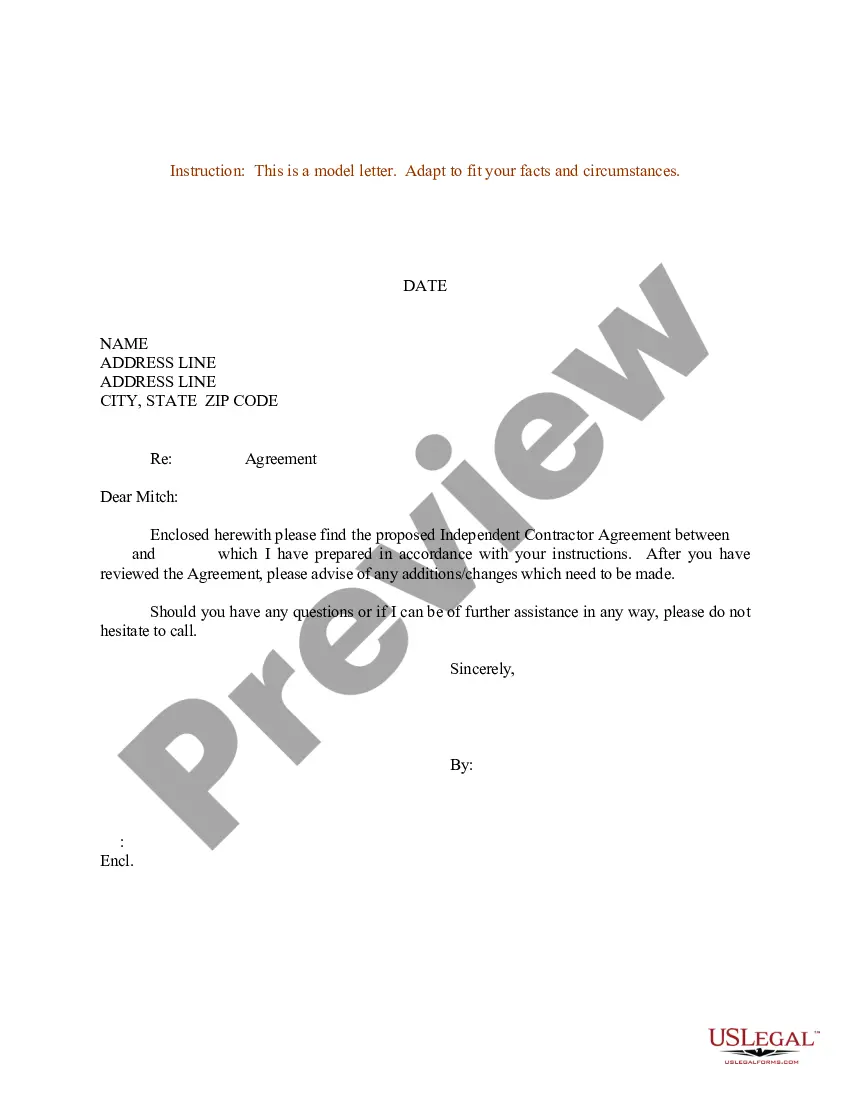
Get your form ready online
Our built-in tools help you complete, sign, share, and store your documents in one place.
Make edits, fill in missing information, and update formatting in US Legal Forms—just like you would in MS Word.
Download a copy, print it, send it by email, or mail it via USPS—whatever works best for your next step.
Sign and collect signatures with our SignNow integration. Send to multiple recipients, set reminders, and more. Go Premium to unlock E-Sign.
If this form requires notarization, complete it online through a secure video call—no need to meet a notary in person or wait for an appointment.
We protect your documents and personal data by following strict security and privacy standards.

Make edits, fill in missing information, and update formatting in US Legal Forms—just like you would in MS Word.

Download a copy, print it, send it by email, or mail it via USPS—whatever works best for your next step.

Sign and collect signatures with our SignNow integration. Send to multiple recipients, set reminders, and more. Go Premium to unlock E-Sign.

If this form requires notarization, complete it online through a secure video call—no need to meet a notary in person or wait for an appointment.

We protect your documents and personal data by following strict security and privacy standards.
Looking for another form?









Form popularity
FAQ
In terms of how to write an agreement letter for business, incorporate the following elements into your overall contract template design: The names and address of the parties involved. The terms and conditions upon which you agreement. How payments are made and invoicing is accomplished.
How to set up (structuring) an agreement Identification of (key) subject matters. Identifying and grouping the transaction or the main elements of the contract which need to be addressed. Splitting up. Use of definitions. Classification. Prioritisation and logical ordering.
How to Write an Agreement in Microsoft Word Draft Your Agreement in a Proper Layout. An agreement is a formal document for business purposes. State the Agreement's Involved Parties and Obligations. Use Suitable Formats for Different Sections. Add Signatures to Your Agreement Document.
Write the contract in six steps Start with a contract template. Open with the basic information. Describe in detail what you have agreed to. Include a description of how the contract will be ended. Write into the contract which laws apply and how disputes will be resolved. Include space for signatures.
How to write an agreement letter Title your document. Provide your personal information and the date. Include the recipient's information. Address the recipient and write your introductory paragraph. Write a detailed body. Conclude your letter with a paragraph, closing remarks, and a signature. Sign your letter.
Contract payment terms often include details on how invoices should be submitted, the payment due date, and any late payment penalties or interest charges. It's also important to include provisions for confirming the receipt of payments, such as receipts, acknowledgment of invoices, or other forms of documentation.
I am writing to remind you of the outstanding payment for Invoice No. X, dated Invoice Date, in the amount of Amount Due. As of today, Date, this payment is Number of Days days overdue. Despite our previous reminders sent on Dates, we have not yet received this payment.
How to draft a contract between two parties: A step-by-step checklist Know your parties. Agree on the terms. Set clear boundaries. Spell out the consequences. Specify how you will resolve disputes. Cover confidentiality. Check the legality of the contract. Open it up to negotiation.
Keep the agreement brief, simple, and concise (simple wording provides clarity and ensures everyone knows what's expected of them) Clearly mention each party involved by name. Clearly explain the purpose of the agreement along with the responsibilities and duties of each party involved.
A payment agreement, also known as a payment plan agreement or Installment Agreement, is a legal contract that outlines the terms of payment between two parties. It details the payment structure, timelines, amounts, and conditions under which payments must be made.

