Agreement Letter For Loan In Bronx
Description
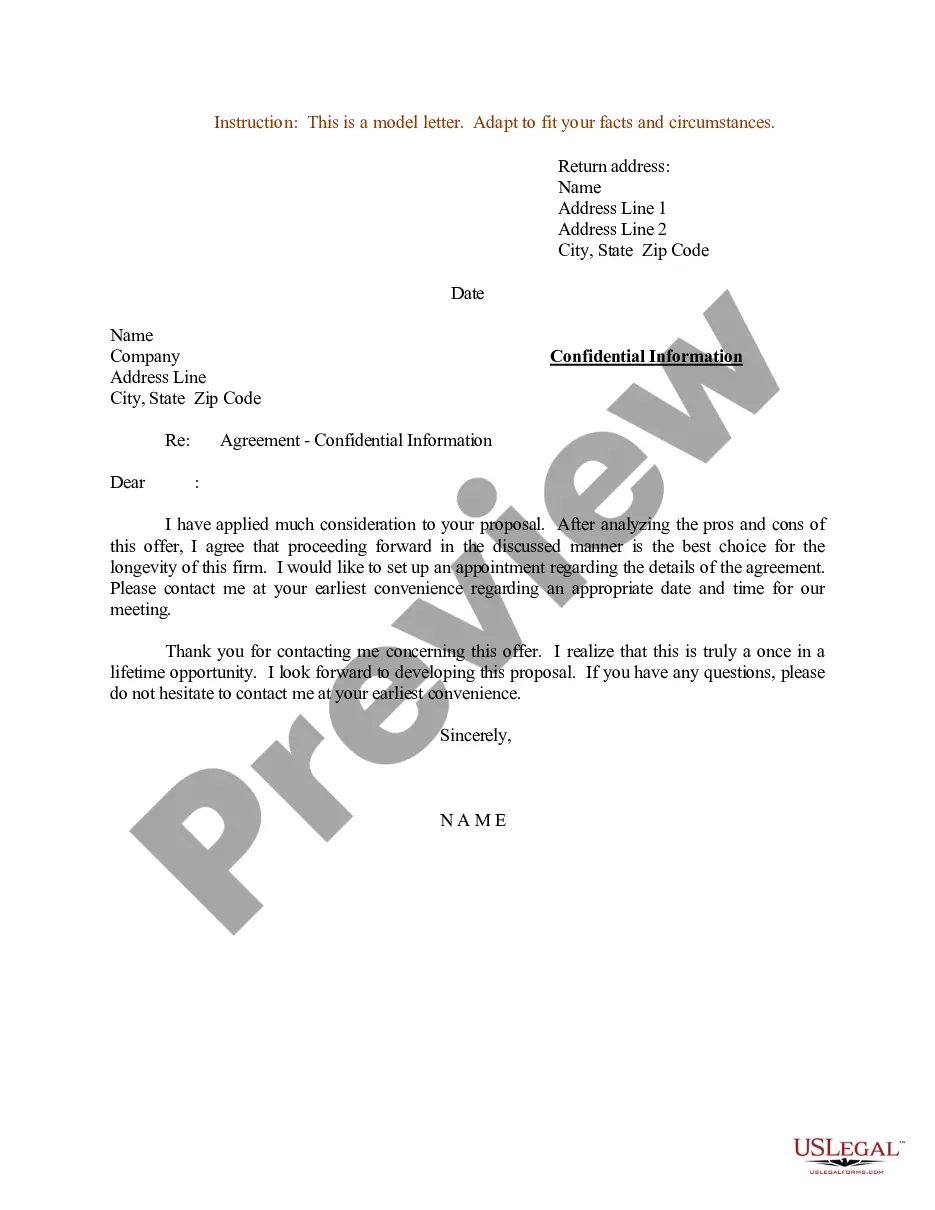

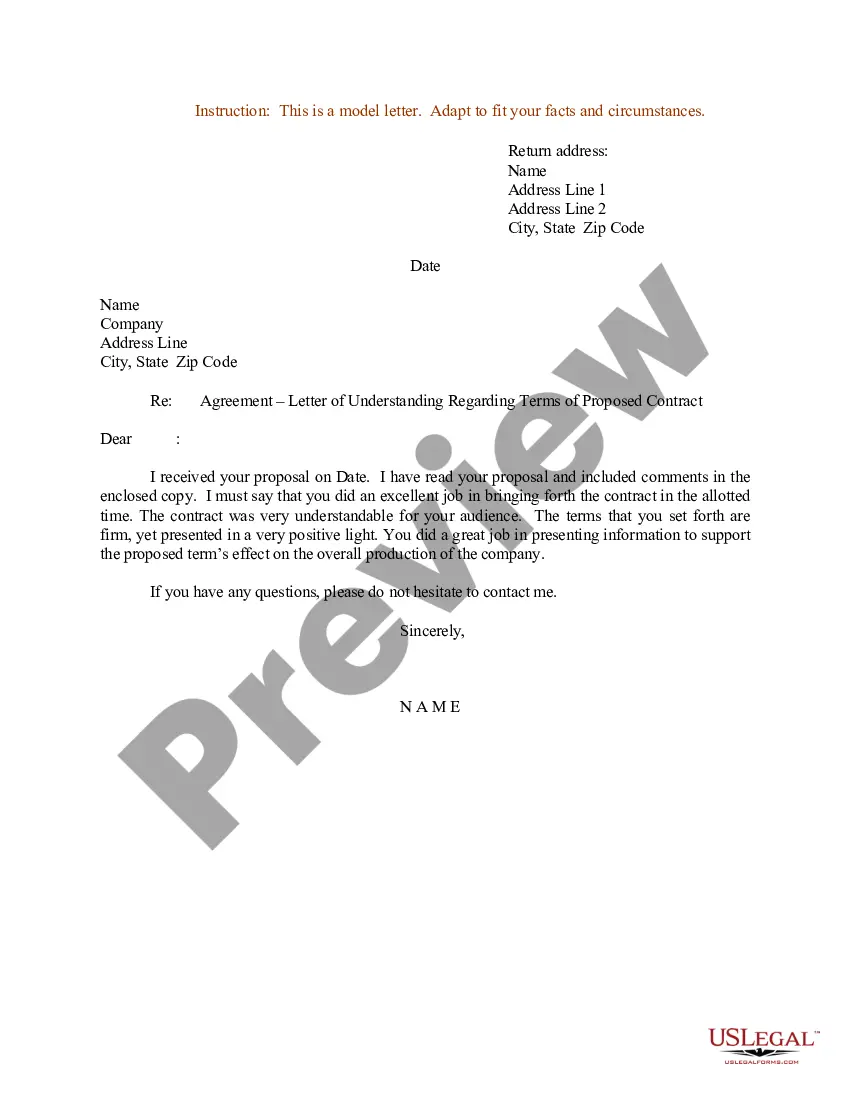
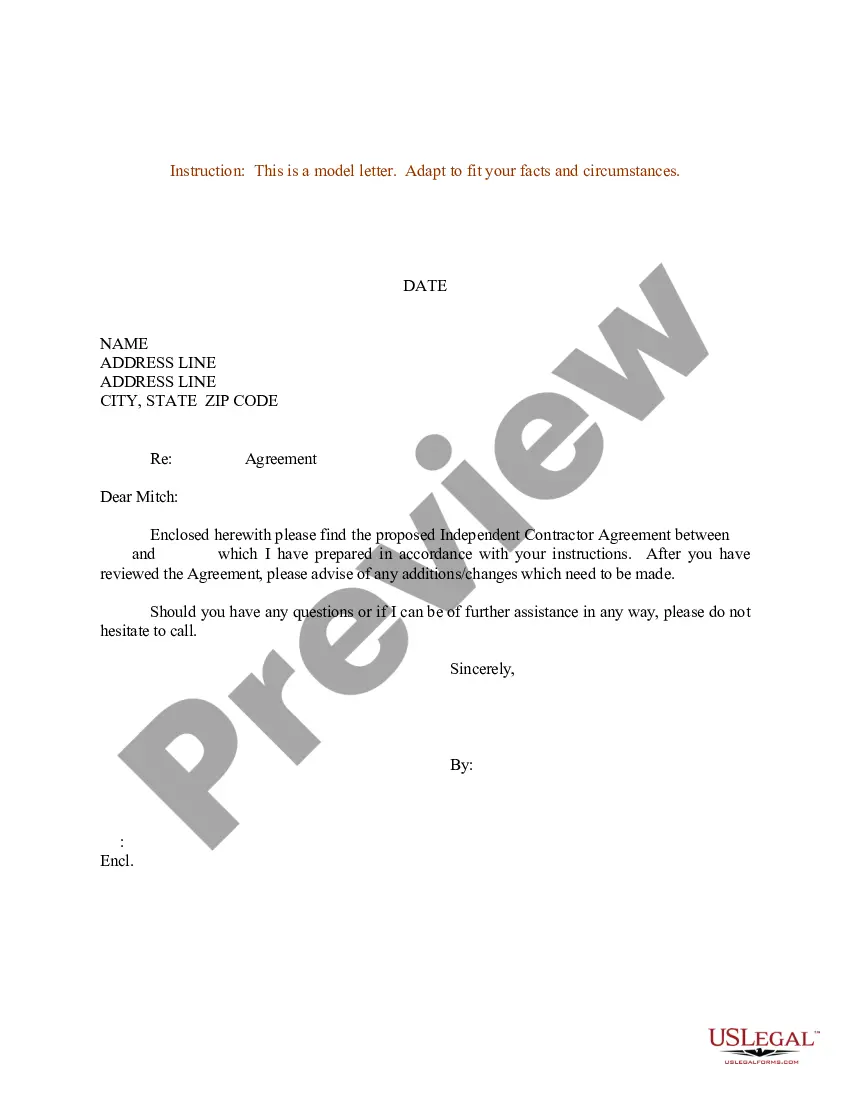
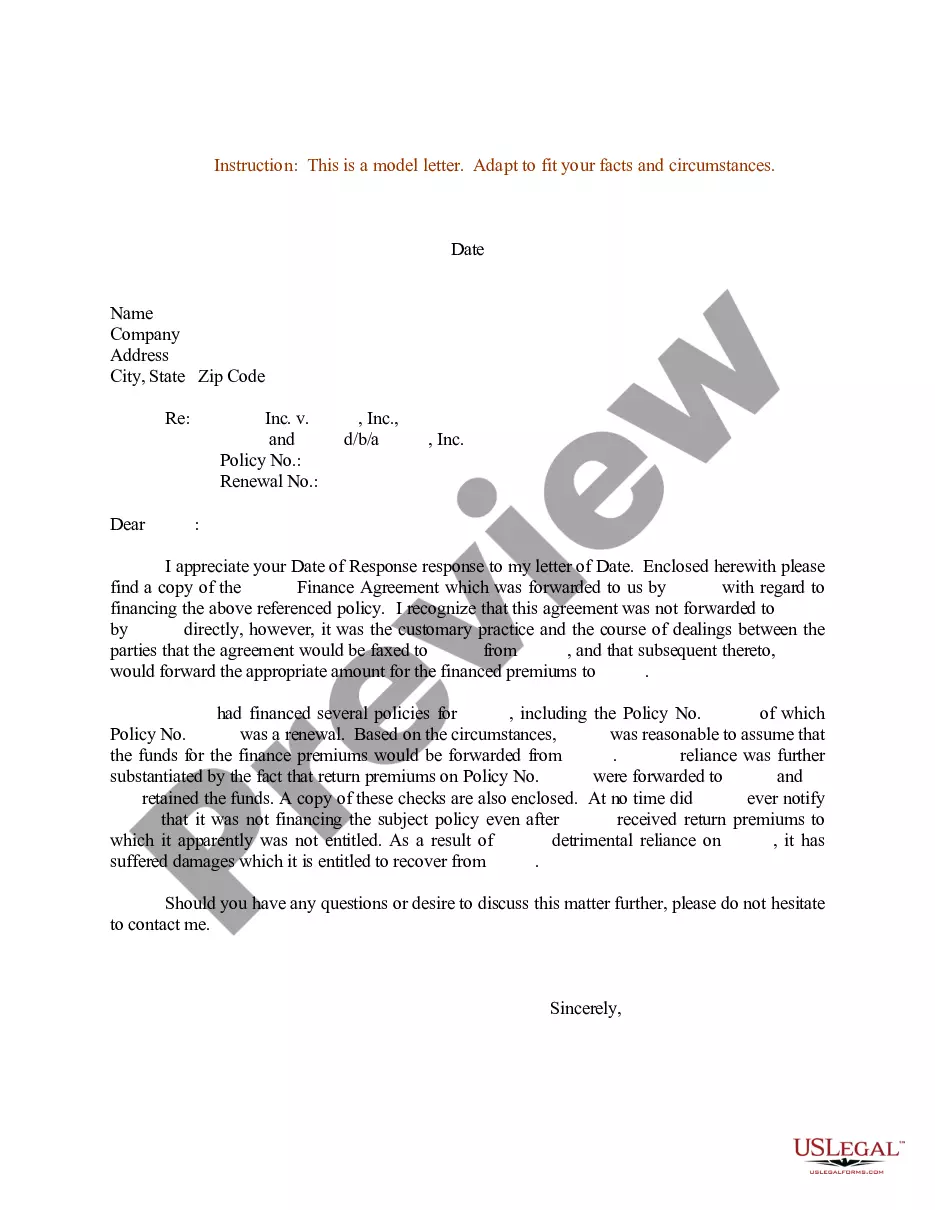
Get your form ready online
Our built-in tools help you complete, sign, share, and store your documents in one place.
Make edits, fill in missing information, and update formatting in US Legal Forms—just like you would in MS Word.
Download a copy, print it, send it by email, or mail it via USPS—whatever works best for your next step.
Sign and collect signatures with our SignNow integration. Send to multiple recipients, set reminders, and more. Go Premium to unlock E-Sign.
If this form requires notarization, complete it online through a secure video call—no need to meet a notary in person or wait for an appointment.
We protect your documents and personal data by following strict security and privacy standards.

Make edits, fill in missing information, and update formatting in US Legal Forms—just like you would in MS Word.

Download a copy, print it, send it by email, or mail it via USPS—whatever works best for your next step.

Sign and collect signatures with our SignNow integration. Send to multiple recipients, set reminders, and more. Go Premium to unlock E-Sign.

If this form requires notarization, complete it online through a secure video call—no need to meet a notary in person or wait for an appointment.

We protect your documents and personal data by following strict security and privacy standards.
Looking for another form?








Form popularity
FAQ
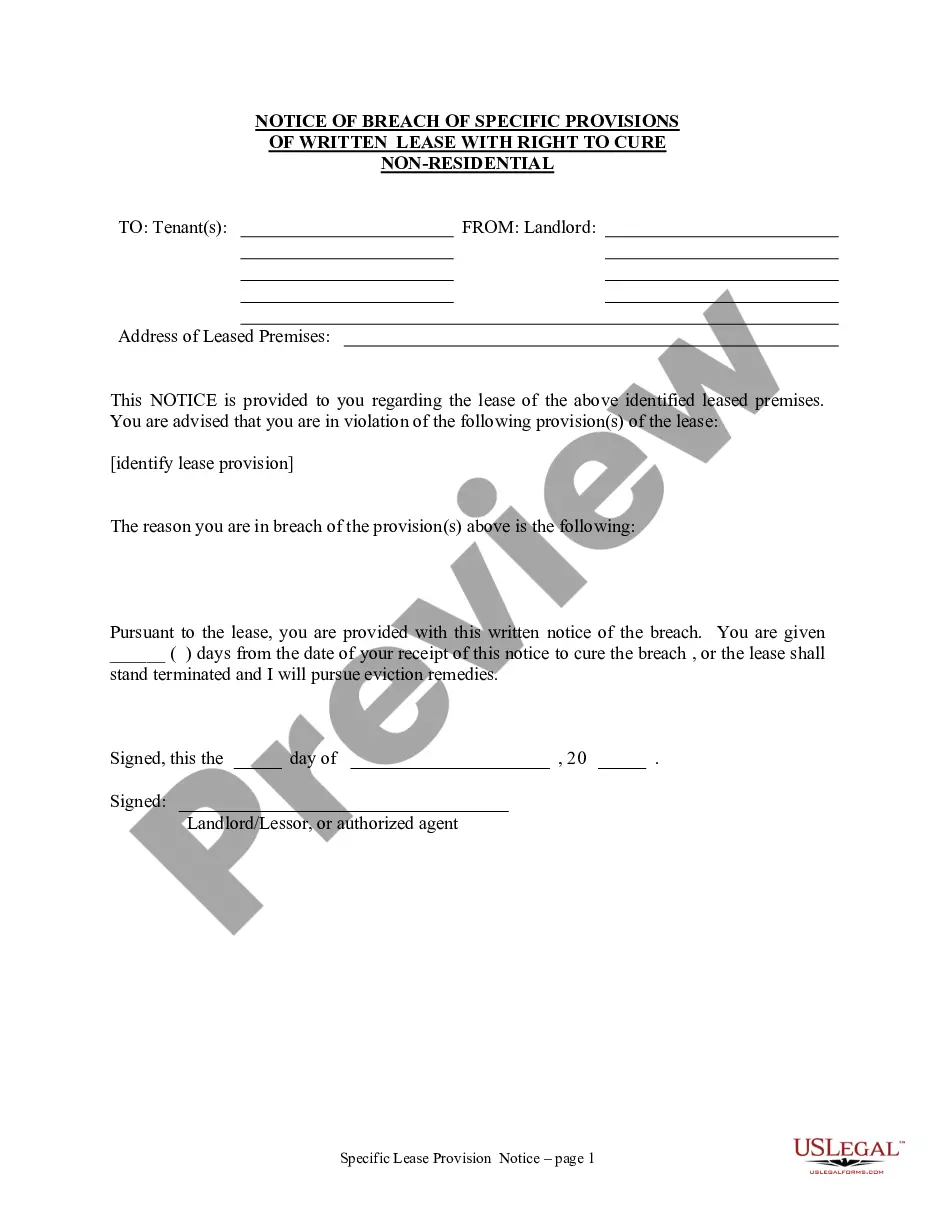
What does Notice mean? In a contractual context, a notice may be to terminate the agreement, or may be the notice required to do a certain thing under the contract. Notices usually must comply with certain formalities set out in the contract, and certain time limits.
Upon the expiration of the five-year period, the financing statement lapses in the same manner as provided in subsection (c), unless, before the lapse, another continuation statement is filed pursuant to subsection (d).
1 is a “financing statement” filed to provide notice that a creditor has a security interest in a debtor's personal property. It is not an agreement. It is a notice d that one person claims an interest in someone else's property, usually as collateral for a debt.
Form UCC3 is used to amend (make changes to) a UCC1 filing. The required information is: An acknowledgement name and address. (Recommended for return copy of the filing.) The file number of the original financing statement.
Uniform Commercial Code Financing Statement (UCC1) is a legal form that a secured party files to give notice that it has or may have an interest in the personal property of a debtor.
Examples of the UCC in Practice If ABC company buys a tractor trailer with financing from Bank B. The bank files a UCC financing statement to secure its interest. If ABC company later sells the trailer, this lien ensures that Bank B can recover funds from the sale, protecting its financial investment.
(a) Filing. In a case specified in section 6501, the notice of pendency shall be filed in the office of the clerk of any county where property affected is situated, before or after service of summons and at any time prior to judgment.
Property records are public. People may use these records for background information on purchases, mortgages, asset searches, and other legal and financial transactions. Reviewing these documents is not necessarily the same as a title search.
As required by New York State Law, judgments and liens are permanent records accessible by the public.
Check With the Public Recorder Go to the public recorder's office and check the owner's name and property for judgments, liens, or lis pendens.

