Made A Director Without Consent In Salt Lake
Description
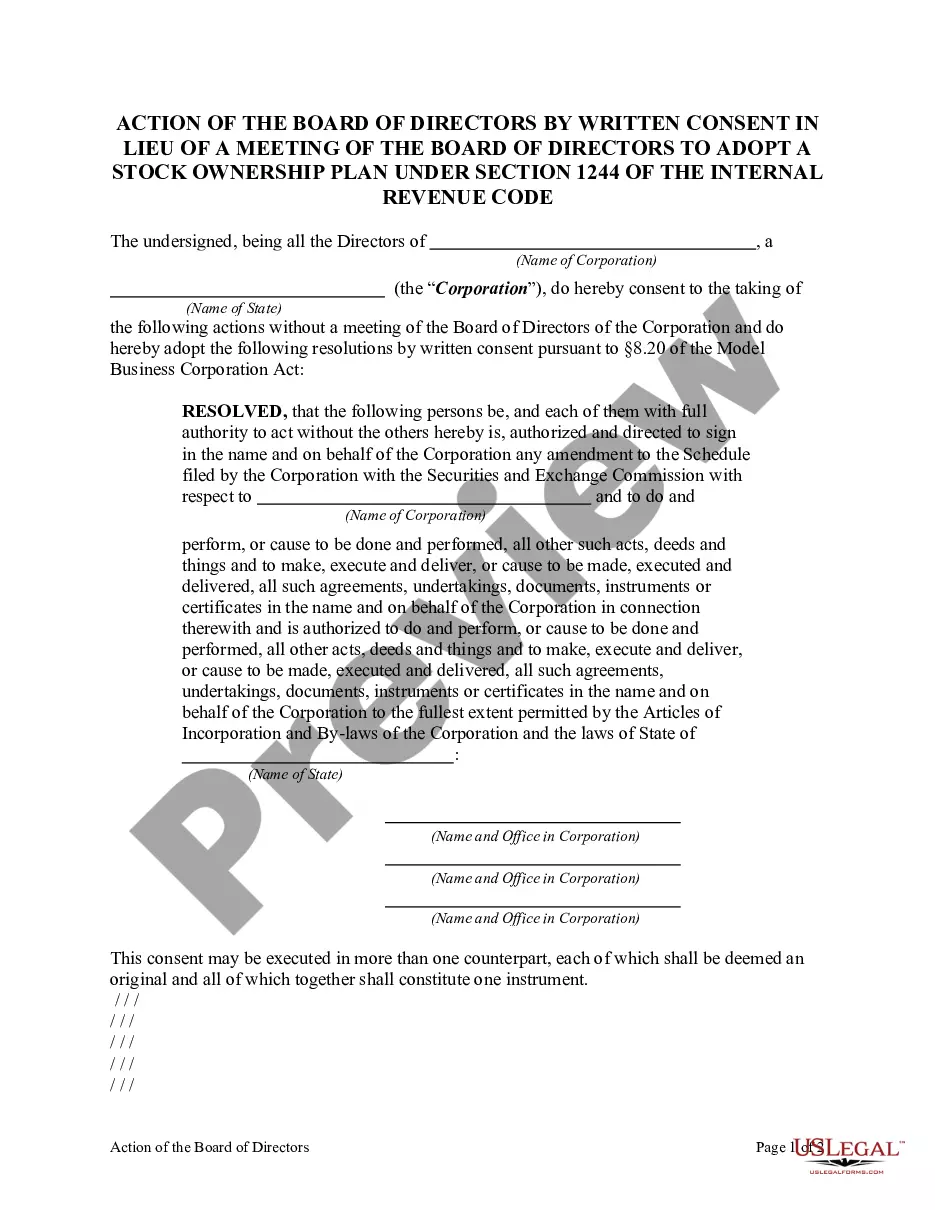

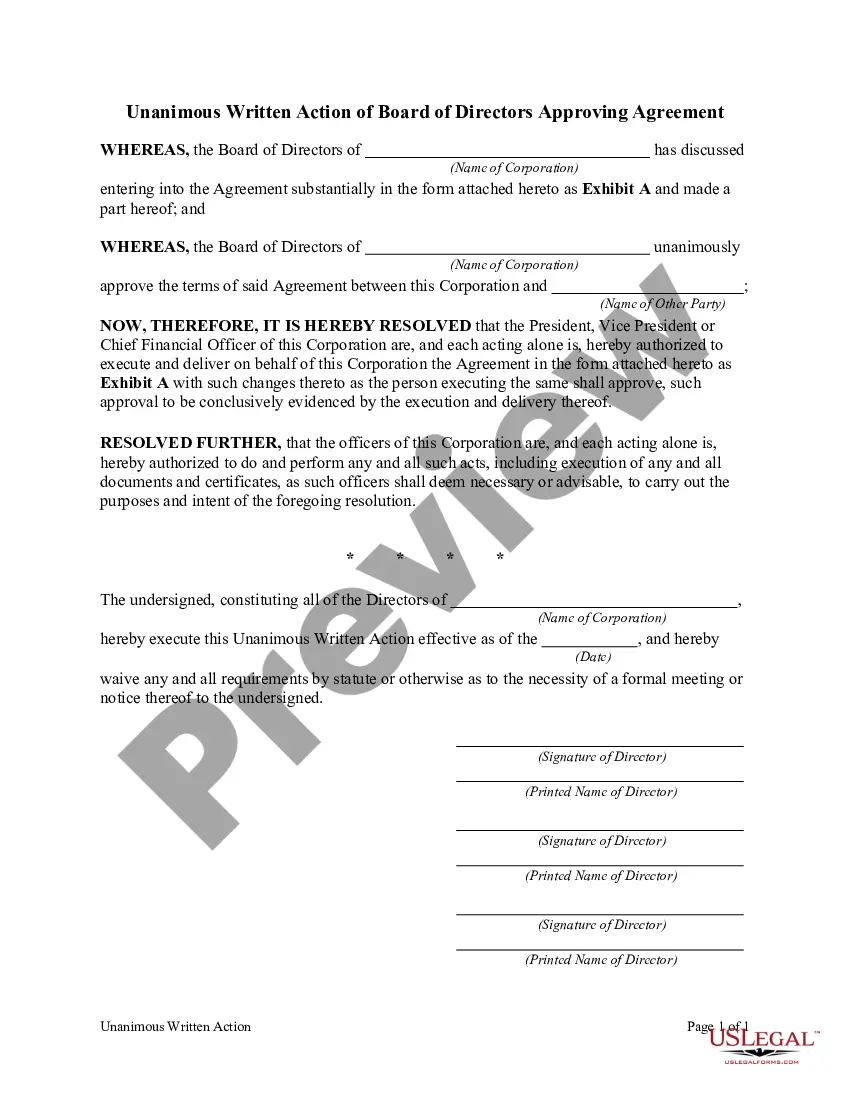
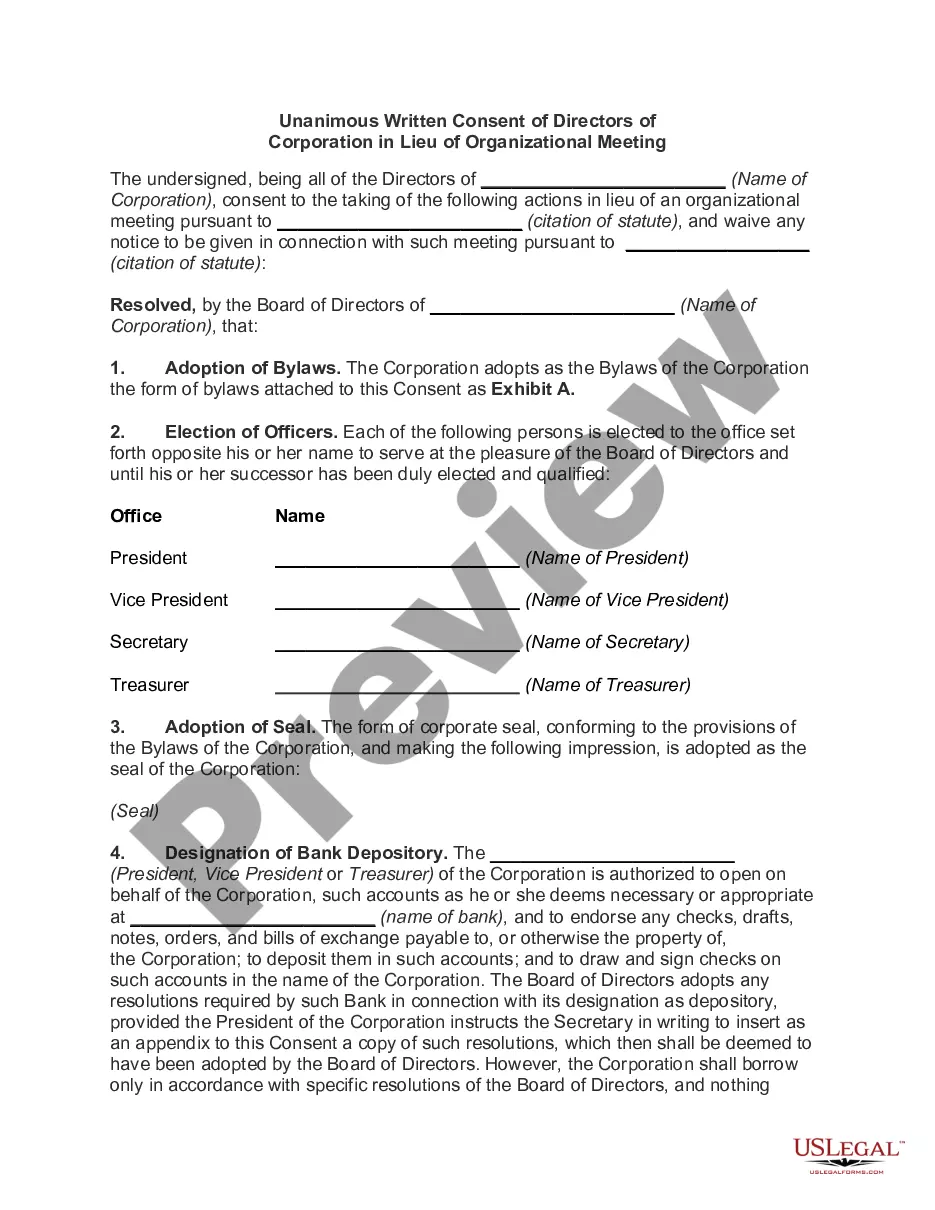
Get your form ready online
Our built-in tools help you complete, sign, share, and store your documents in one place.
Make edits, fill in missing information, and update formatting in US Legal Forms—just like you would in MS Word.
Download a copy, print it, send it by email, or mail it via USPS—whatever works best for your next step.
Sign and collect signatures with our SignNow integration. Send to multiple recipients, set reminders, and more. Go Premium to unlock E-Sign.
If this form requires notarization, complete it online through a secure video call—no need to meet a notary in person or wait for an appointment.
We protect your documents and personal data by following strict security and privacy standards.

Make edits, fill in missing information, and update formatting in US Legal Forms—just like you would in MS Word.

Download a copy, print it, send it by email, or mail it via USPS—whatever works best for your next step.

Sign and collect signatures with our SignNow integration. Send to multiple recipients, set reminders, and more. Go Premium to unlock E-Sign.

If this form requires notarization, complete it online through a secure video call—no need to meet a notary in person or wait for an appointment.

We protect your documents and personal data by following strict security and privacy standards.
Looking for another form?









Form popularity
FAQ
Corp Election teps for Corporations tep 1 Name your Utah corporation. tep 2 Appoint directors. tep 3 Choose a Utah registered agent. tep 4 File the Utah Articles of Incorporation. tep 5 Create corporate bylaws. tep 6 Draft a shareholder agreement. tep 7 Issue shares of stock.
To get your cleaning business started in Utah, register with the Utah Department of Commerce. You can register with the Utah Department of Commerce and file for a sales tax license with the Utah State Tax Commission. Check with your city or county government for any further licensing requirements.
What is Required for Utah Registered Agents? ing to the Model Registered Agent Act, individuals and companies can be registered agents in Utah. The state requires both registered agent types to have: A physical address in the state where service of process can be delivered.
Most management actions are protected from judicial scrutiny by the business judgement rule: absent bad faith, fraud, or breach of a fiduciary duty, the judgement of the managers of a corporation is conclusive.
The Business Judgment Rule The decisions must be the products of appropriate care and thought. The rule protects officers and directors from liability where they have made decisions in good faith and using appropriate procedures, even if those decisions turn out to be poor or unwise.
Anyone who sells or offers to sell business opportunities must comply with the Business Opportunity Disclosure Act, Title 13, Chapter 15 of the Utah Code, before commencing business in Utah. Sellers of business opportunities are required to file with the division the information that is required under Utah Code Ann.
How to Start A Corporation In Utah Name Your Corporation. Designate a Registered Agent. Submit Articles of Incorporation. Get an EIN. File the Beneficial Ownership Information Report. Write Corporate Bylaws. Hold an Organizational Meeting. Open a Corporate Bank Account.
(The business judgment rule, as a refresher, is the well-accepted legal presumption that the directors of a corporation, when making business decisions that do not involve self-dealing or self-interest, act in good faith, are informed about those decisions, and believe that their actions are in the best interests of ...
In an opinion recently published by California's Second Appellate District — Tuli v. Specialty Surgical Center of Thousand Oaks, LLC — the Court confirmed that the business judgment rule (as described above) applies in LLCs too.
