Director Consent Form Asic In Palm Beach
Description
Get your form ready online
Our built-in tools help you complete, sign, share, and store your documents in one place.
Make edits, fill in missing information, and update formatting in US Legal Forms—just like you would in MS Word.
Download a copy, print it, send it by email, or mail it via USPS—whatever works best for your next step.
Sign and collect signatures with our SignNow integration. Send to multiple recipients, set reminders, and more. Go Premium to unlock E-Sign.
If this form requires notarization, complete it online through a secure video call—no need to meet a notary in person or wait for an appointment.
We protect your documents and personal data by following strict security and privacy standards.

Make edits, fill in missing information, and update formatting in US Legal Forms—just like you would in MS Word.

Download a copy, print it, send it by email, or mail it via USPS—whatever works best for your next step.

Sign and collect signatures with our SignNow integration. Send to multiple recipients, set reminders, and more. Go Premium to unlock E-Sign.

If this form requires notarization, complete it online through a secure video call—no need to meet a notary in person or wait for an appointment.

We protect your documents and personal data by following strict security and privacy standards.
Looking for another form?










Form popularity
FAQ
I hereby consent to act as a director of the Company. My consent will continue until I either revoke my consent or resign as a director. I certify that I am not disqualified from acting as a director. Note: Any previous names used in the last 20 years are listed below.
The consent form is intended, in part, to provide information for the potential subject's current and future reference and to document the interaction between the subject and the investigator.
I have had the opportunity to ask questions about this research and I have received satisfactory answers. I understand the general purposes, risks and methods of this research. I consent to participate in the research project and the following has been explained to me: the research may not be of direct benefit to me.
What are the different types of consent? Here is everything you need to know Express consent. Implied consent. Opt-in consent. Opt-out consent.
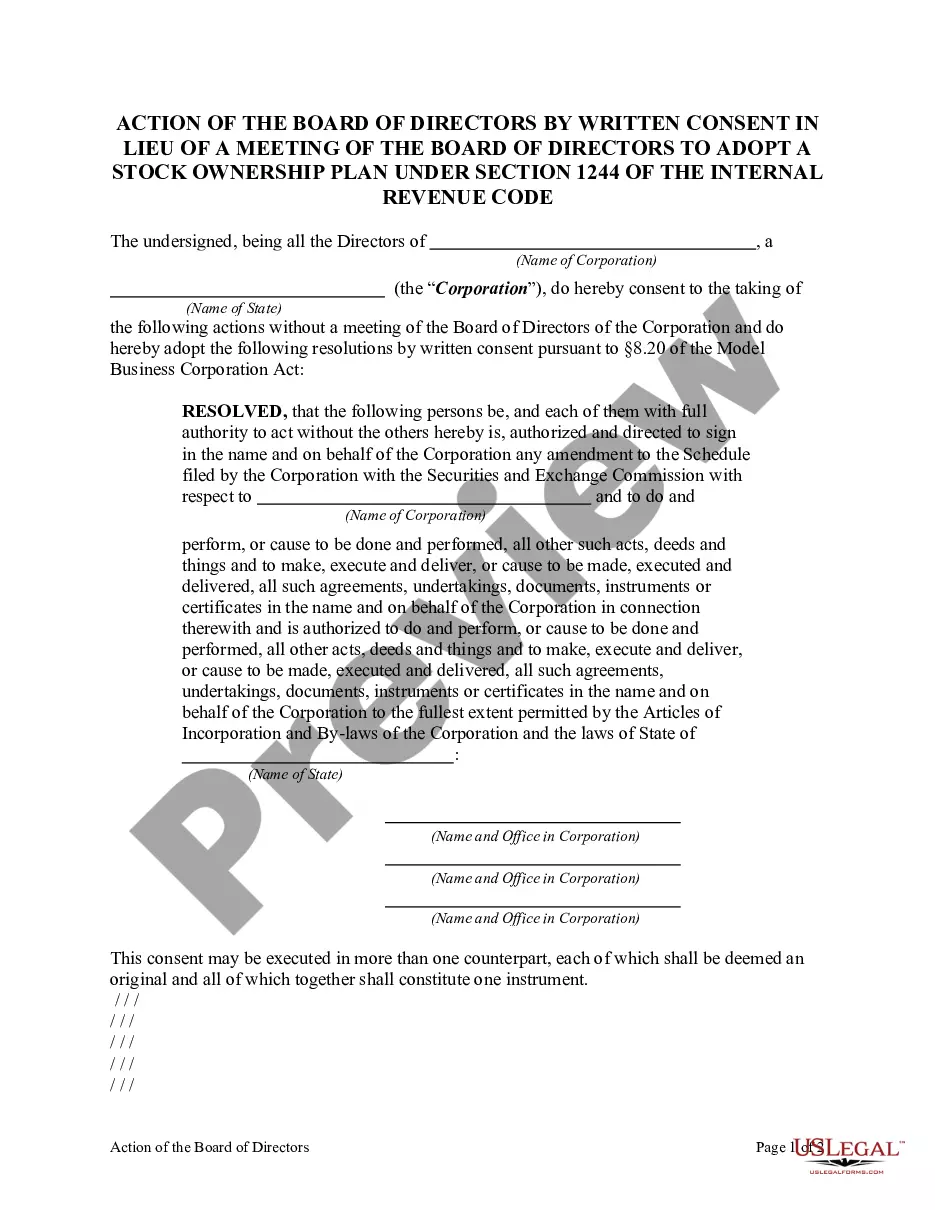
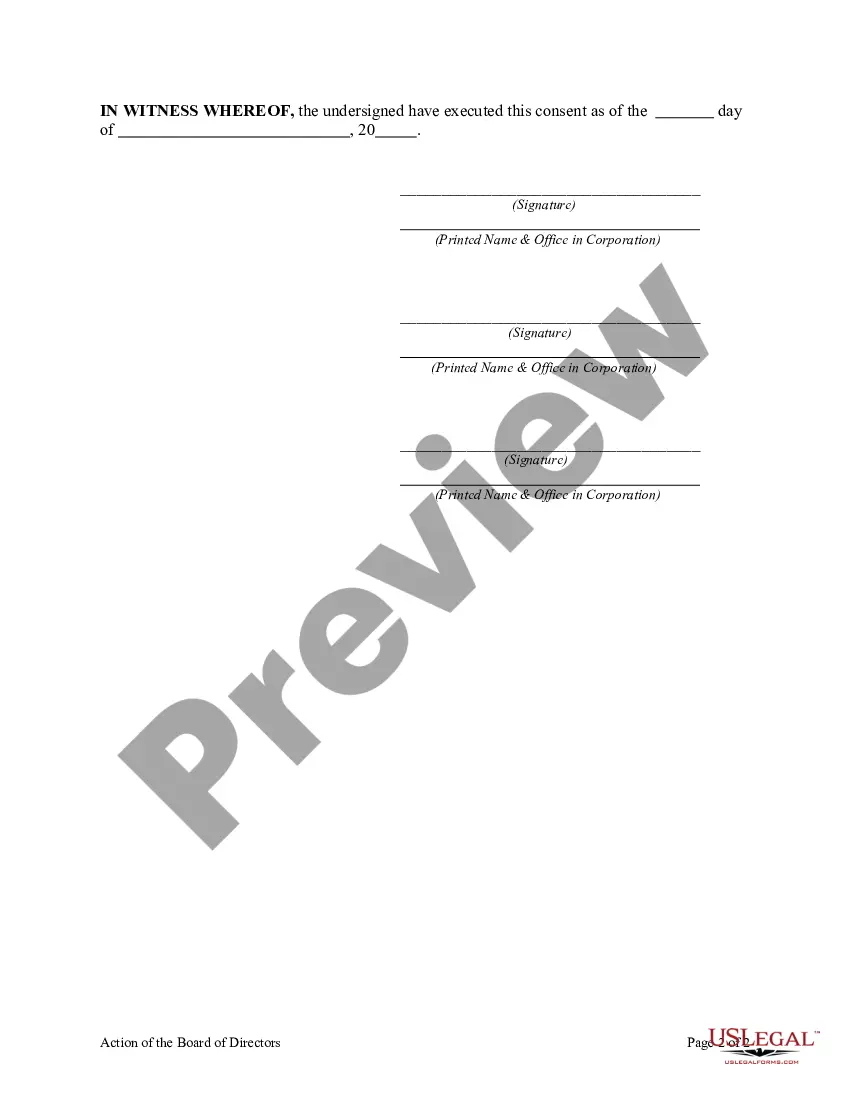
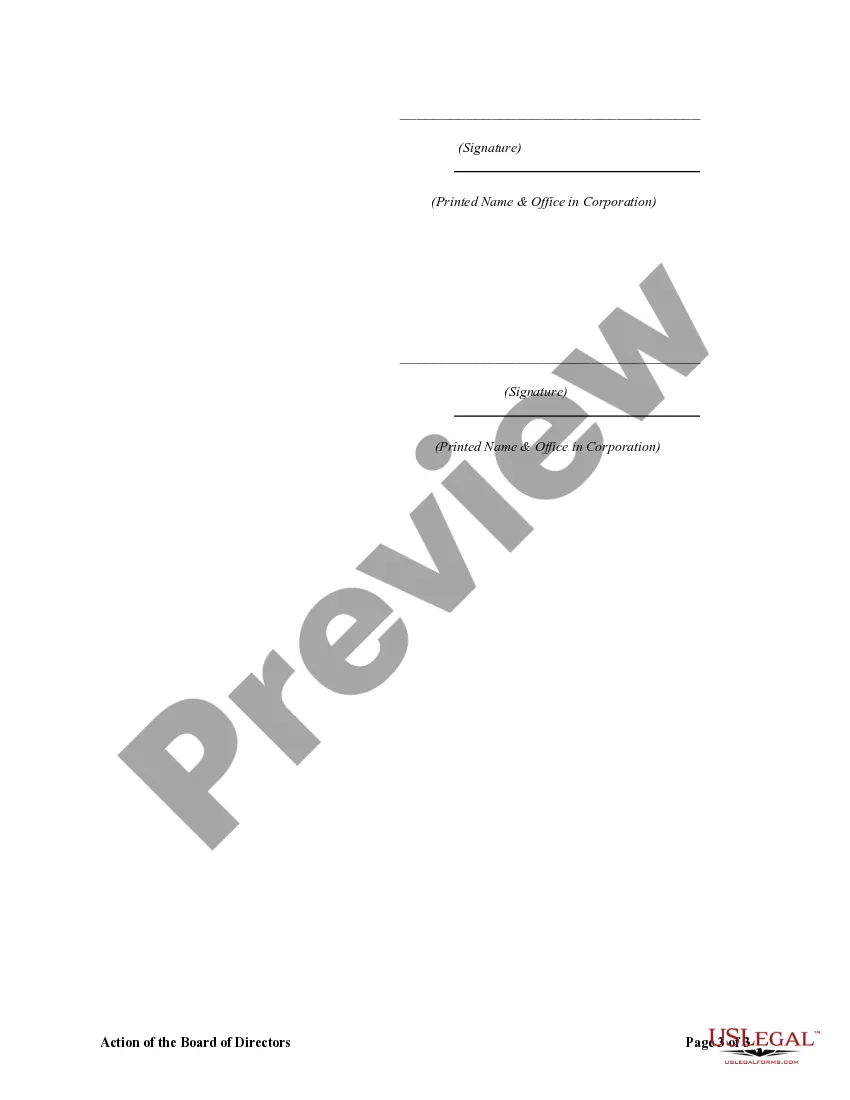
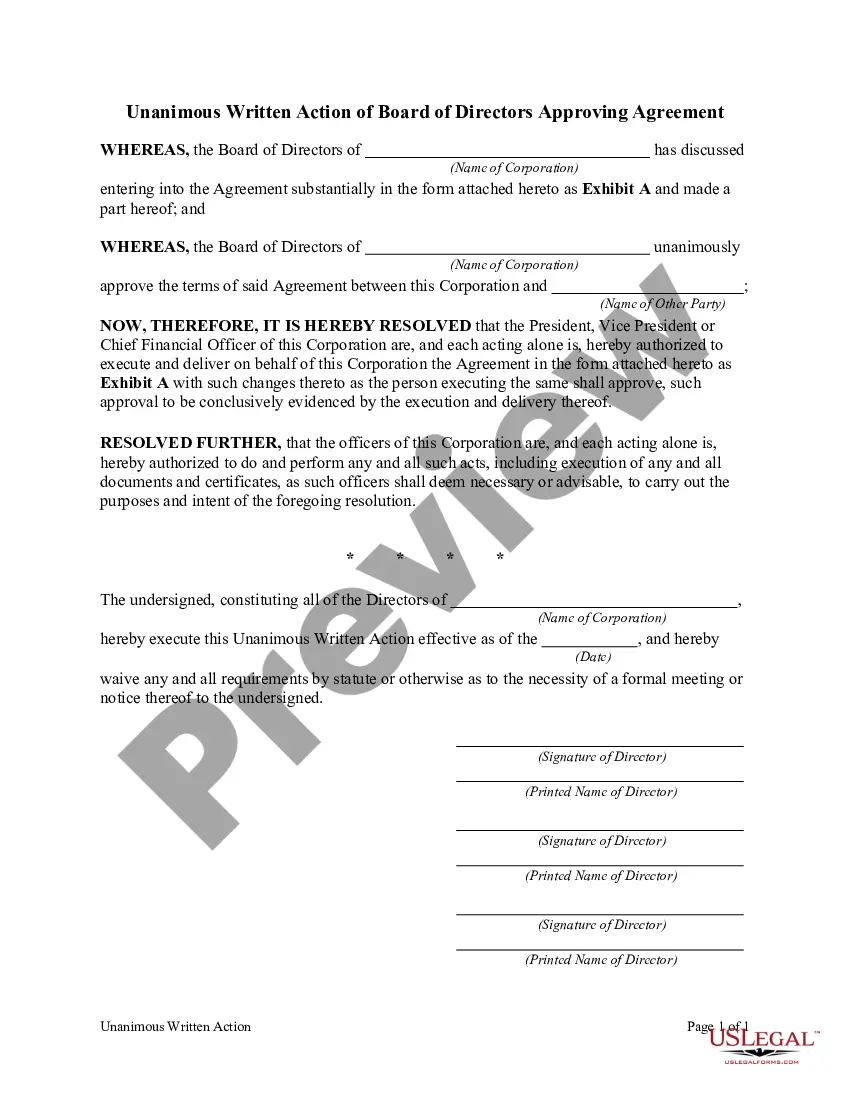
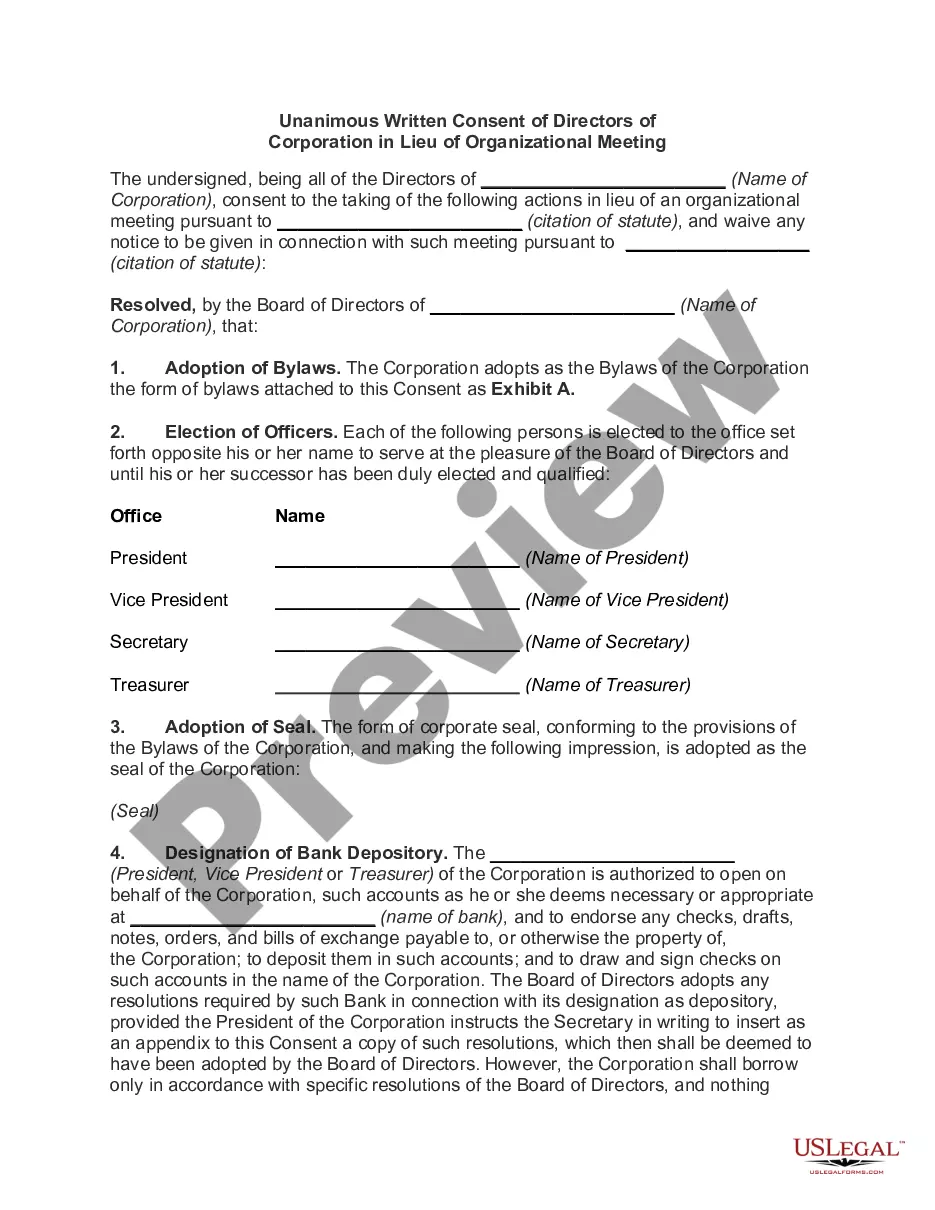
Written Consents are internal documents that are often used by directors in a corporation, or members or managers in a limited liability company (LLC), to grant consent to a decision or action, in writing.
Consent forms, sometimes called release forms, are legal documents that serve as written permission to send or receive information among participating parties. They often inform them of associated use risks and release the provider from associated claims.
What is a director's consent? In a director's consent an individual agrees in writing to be a director of a nonprofit. Every director who is elected or appointed needs to sign a consent. The consent needs to be signed within 10 days of being elected or appointed as a director.
Is there a maximum number of directors a board can have? Interestingly, the Corporations Act does not prescribe a maximum number of directors. However, depending on the type and size of the company, excessively large boards might be inefficient or create challenges in decision making.
A written consent of the board of directors is a formal document that allows the company, such as the board of directors or members of an LLC, to take action without needing a physical meeting. The document captures the concurrence of all, or a predetermined majority, of board members on a particular resolution.
