Director Consent Form Asic In New York
Description
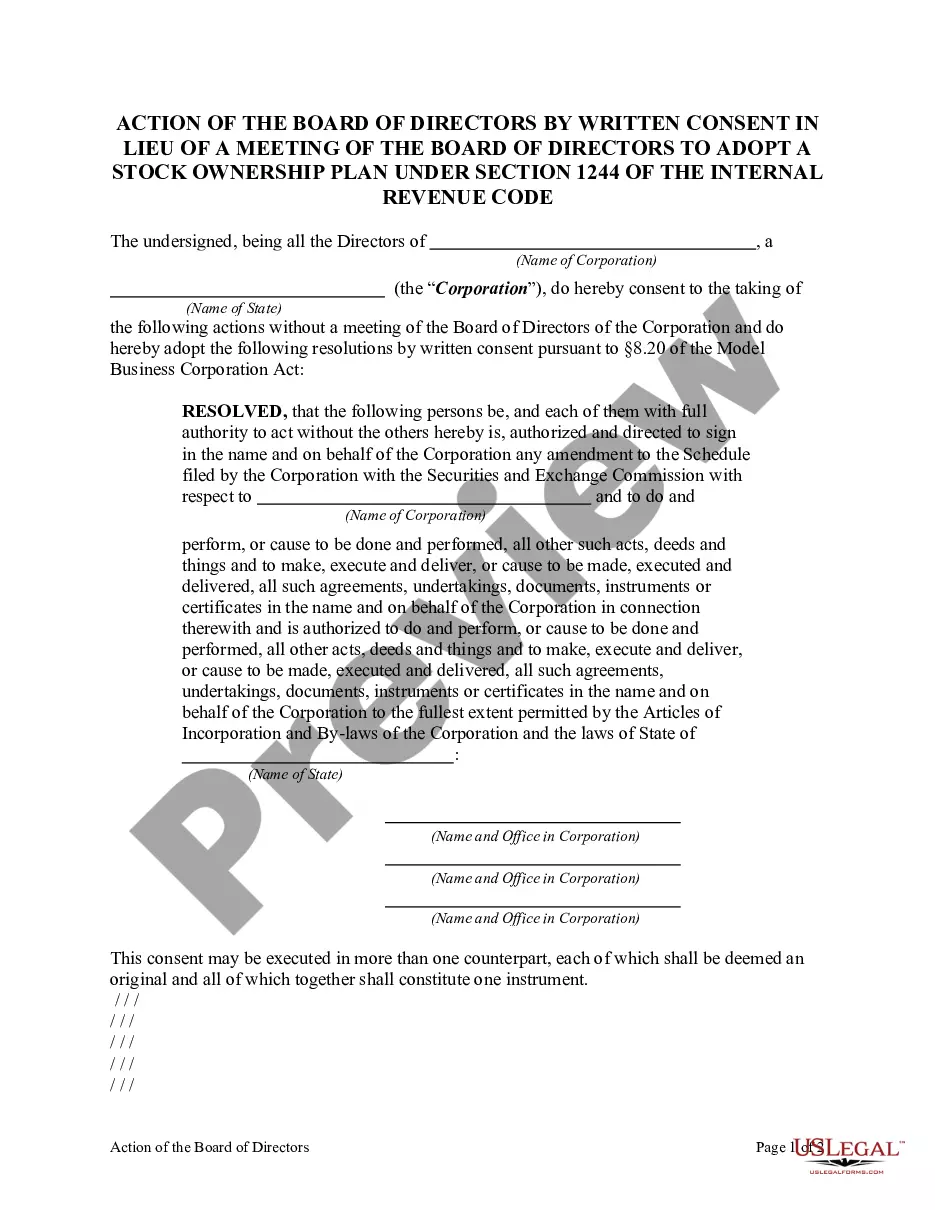

Get your form ready online
Our built-in tools help you complete, sign, share, and store your documents in one place.
Make edits, fill in missing information, and update formatting in US Legal Forms—just like you would in MS Word.
Download a copy, print it, send it by email, or mail it via USPS—whatever works best for your next step.
Sign and collect signatures with our SignNow integration. Send to multiple recipients, set reminders, and more. Go Premium to unlock E-Sign.
If this form requires notarization, complete it online through a secure video call—no need to meet a notary in person or wait for an appointment.
We protect your documents and personal data by following strict security and privacy standards.

Make edits, fill in missing information, and update formatting in US Legal Forms—just like you would in MS Word.

Download a copy, print it, send it by email, or mail it via USPS—whatever works best for your next step.

Sign and collect signatures with our SignNow integration. Send to multiple recipients, set reminders, and more. Go Premium to unlock E-Sign.

If this form requires notarization, complete it online through a secure video call—no need to meet a notary in person or wait for an appointment.

We protect your documents and personal data by following strict security and privacy standards.
Looking for another form?








Form popularity
FAQ
Form 490. Corporations Act 2001. 601CV\1\(c) Use this form to notify ASIC of new or ceasing director(s), and for changes to the name or address of current director(s), of a registered Australian body or foreign company.
Who can be a company director? To be eligible to be a director of a company, you must be at least 18 years of age and consent to taking on the role and responsibilities of a director. You must provide your signed consent in writing before being appointed as a director.
A Form 484 Change to Company Details, is used to transmit updated company information to ASIC from within NowInfinity. A Form 484 can be created within the Company Profile (Menu > Corporate Messenger > Companies > open Company Profile), then submitted for lodgement with ASIC.
Ing to the Corporations Act 2001, all companies in Australia, both public (ending with “Ltd” or “Limited”) or private (ending in “Pty Ltd”) require one or more directors who “ordinarily reside” in Australia.
Proprietary companies must have at least one director ordinarily residing in Australia. Any further directors may be Australian or non-Australian residents. Because the Australian resident director requirement is a significant hurdle for overseas companies, some will decide to appoint a nominee director.
A Consent to Act as a Director is a written consent which should be given by any person who intends to act as a director of a company. Directors have numerous duties which they have to act in ance with under the Corporations Act 2001 (Cth), and these are strictly enforced.
Yes, a foreign person can be a director of a company in Australia, however they cannot be a sole director of an Australian company. Section 201A of the Corporations Act 2001 sets out the minimum number of directors, including the minimum number of Australian directors that a company must have.
Yes, a foreign person can be a director of a company in Australia, however they cannot be a sole director of an Australian company. Section 201A of the Corporations Act 2001 sets out the minimum number of directors, including the minimum number of Australian directors that a company must have.
Every facet of an organization requires a set of leaders to execute projects and ensure employees are completing goals. A director usually oversees an entire department within one business function. Directors can work in finance, business development, operations, information technology, human resources, and more.
Directors who sit on the board are 'official' directors – they have been officially appointed and are subject to the legal duties described above. However, in some industries there has been a movement towards giving people the title 'director' even if they do not actually sit on the board.
