Listing Realtor Property For Themselves In Virginia
Description

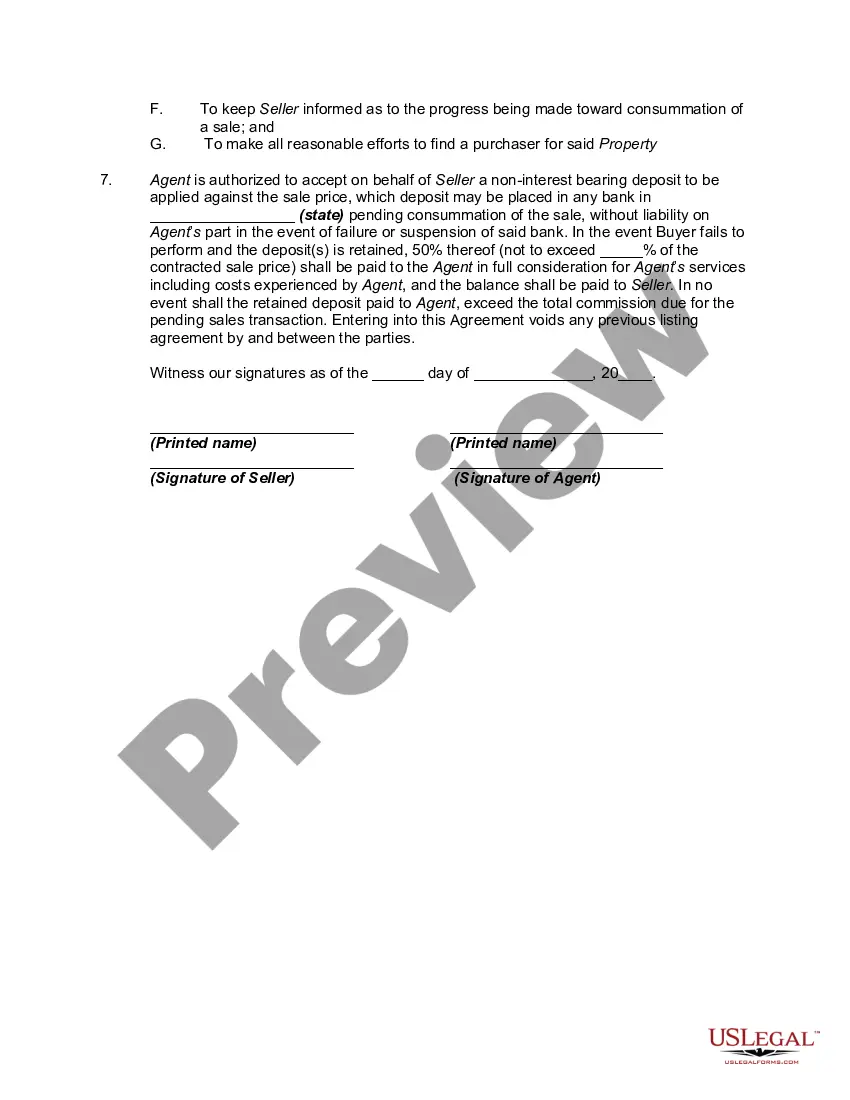

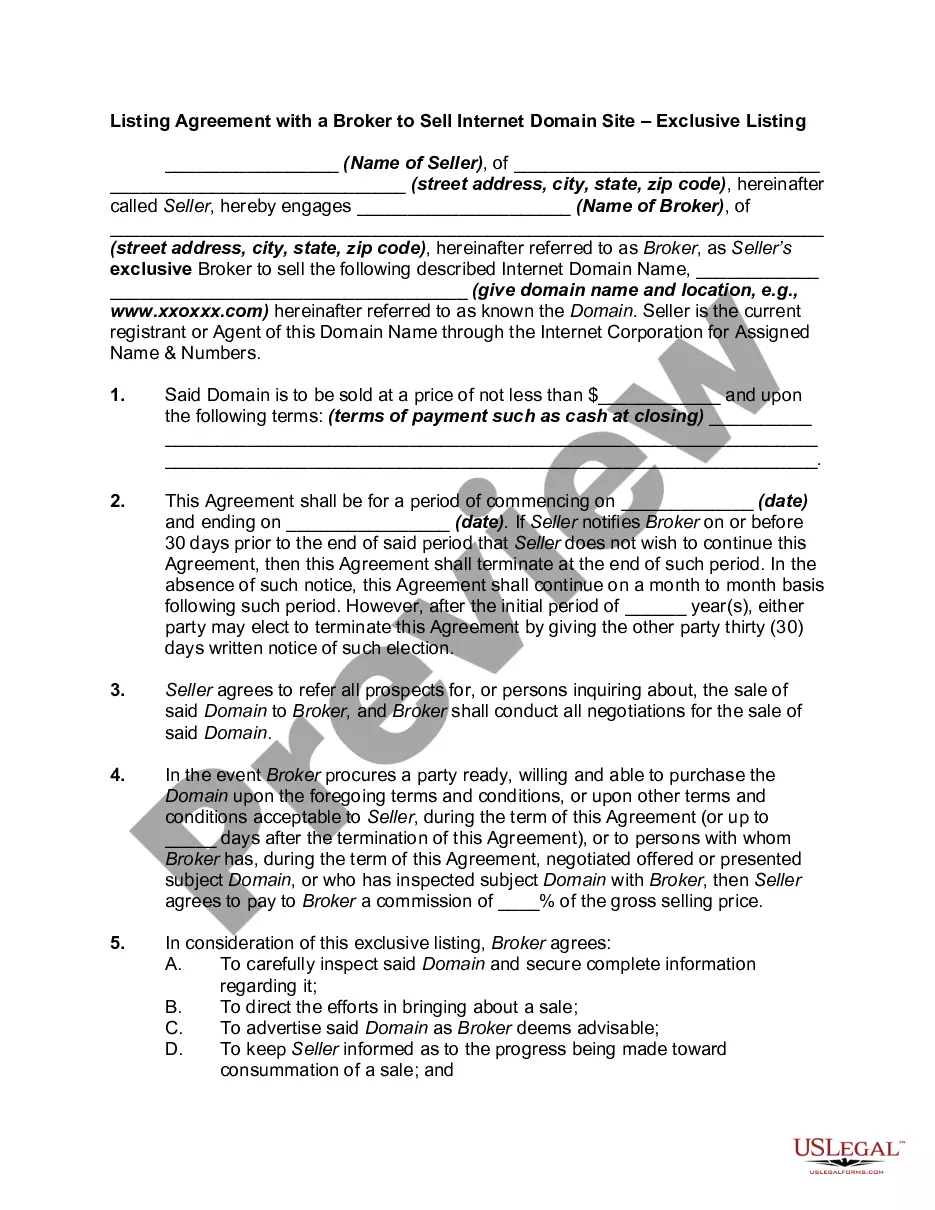
Get your form ready online
Our built-in tools help you complete, sign, share, and store your documents in one place.
Make edits, fill in missing information, and update formatting in US Legal Forms—just like you would in MS Word.
Download a copy, print it, send it by email, or mail it via USPS—whatever works best for your next step.
Sign and collect signatures with our SignNow integration. Send to multiple recipients, set reminders, and more. Go Premium to unlock E-Sign.
If this form requires notarization, complete it online through a secure video call—no need to meet a notary in person or wait for an appointment.
We protect your documents and personal data by following strict security and privacy standards.

Make edits, fill in missing information, and update formatting in US Legal Forms—just like you would in MS Word.

Download a copy, print it, send it by email, or mail it via USPS—whatever works best for your next step.

Sign and collect signatures with our SignNow integration. Send to multiple recipients, set reminders, and more. Go Premium to unlock E-Sign.

If this form requires notarization, complete it online through a secure video call—no need to meet a notary in person or wait for an appointment.

We protect your documents and personal data by following strict security and privacy standards.
Looking for another form?
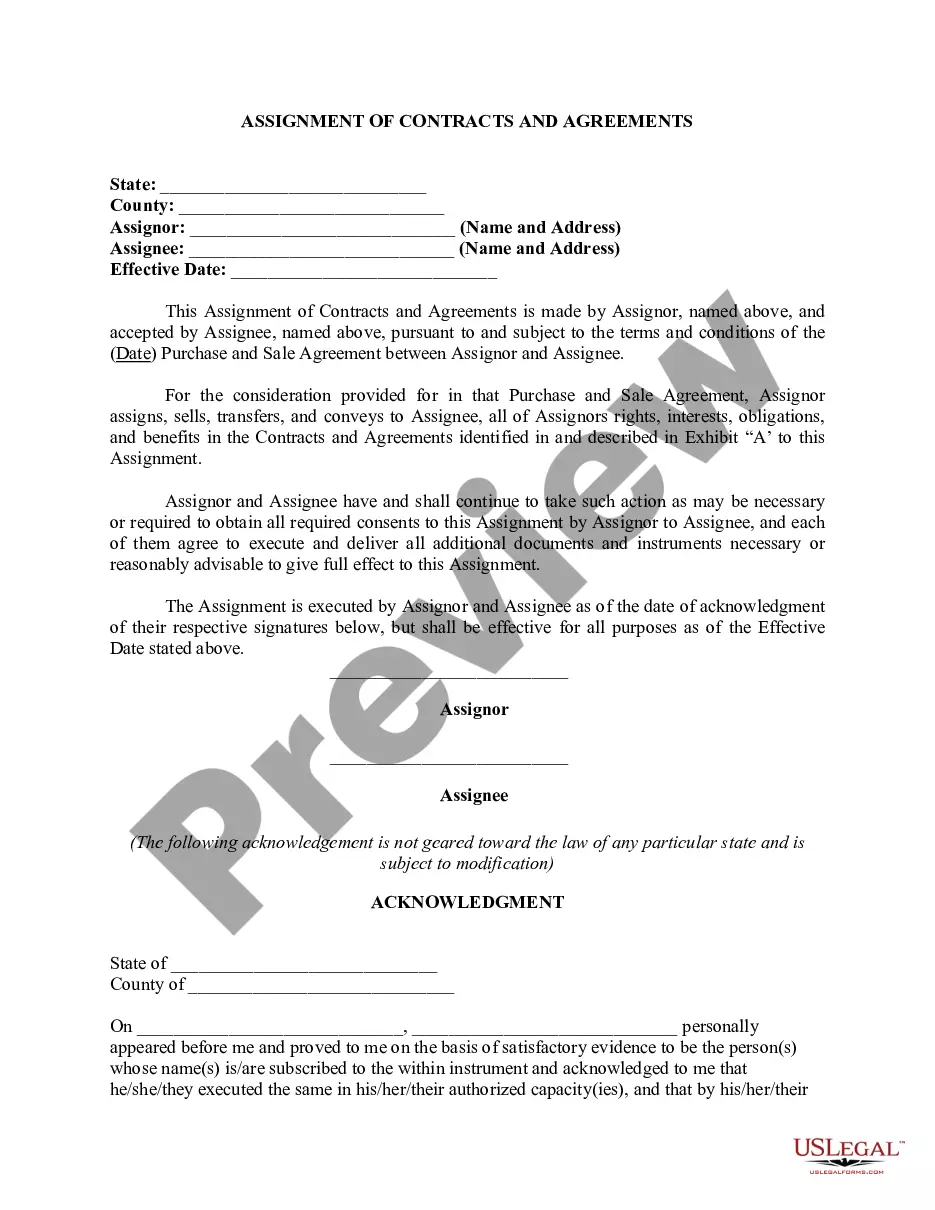
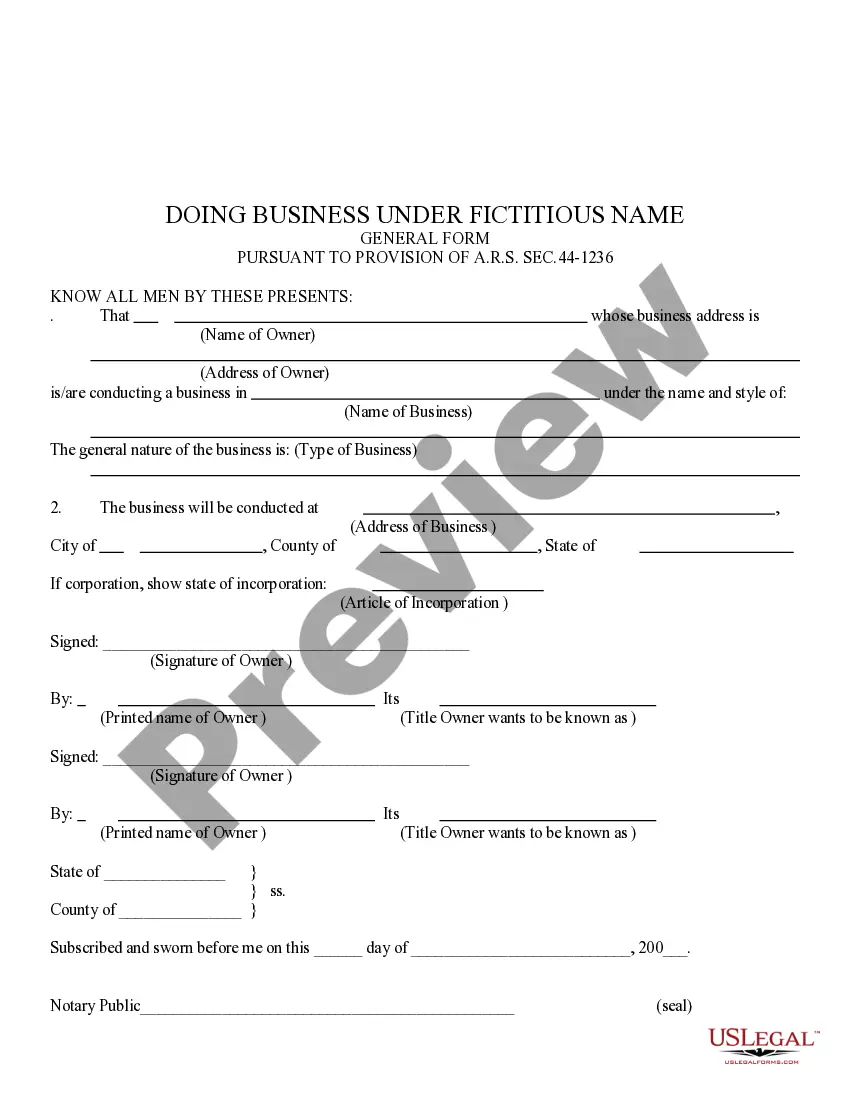






Form popularity
FAQ
The Virginia real estate salesperson license exam is 120 questions (40 state-specific questions and 80 national questions) completed over 150 minutes. Exams are offered in Charlottesville, Richmond, Roanoke, Vienna, and Virginia Beach. The Virginia real estate license exam is not easy!
A pocket listing (aka “whisper listing” or “office exclusive”) is a property for sale that is not listed on the MLS. Instead, the agent keeps the listing “in their pocket,” offering it privately to select buyers or agents in their network.
No, you don't necessarily need a real estate agent or realtor to sell your property, but they can simplify the process. Agents provide market expertise, marketing strategies, negotiation skills, and handle legal paperwork, making the transaction smoother.
Work on your sphere of influence through social media. Post often. Show that your working. Preview homes (even if you don't have a client). Don't just have a business account. Let people see your life and personality while showing that you mean business. Share info about the market. Basically whatever it takes.
If you decide to sell your home privately after listing with a realtor, the first step is to terminate your listing agreement. Depending on the terms of your contract, you may be able to do this by providing written notice to the agent or by negotiating a mutual agreement to end the relationship.
No broker, no commission. Your license would be inactive without a broker in most states, anyway, and I believe that's tye case on California (check that before you act on it, I'm not on CA). Commission belongs to the broker, which is the main point here.
Understanding the 80/20 Rule in Real Estate This concept extends beyond economics—it applies to real estate, sales, and business growth. In real estate, it means that: 80% of commissions often come from 20% of clients. 80% of referrals are likely from 20% of past clients.
Yes, as long as they disclose that the seller is a licensed agent or broker.
The short and sweet answer is yes, a REALTOR® can sell their own home. The National Association of REALTORS® (NAR), the largest real estate organization in America, developed a code of ethics to help guide real estate professionals in the field.
Meseck, the most common complaints involve: Septic systems. Solar leases. Failure to disclose and Seller's Property Disclosures. Water rights. Miscommunication. Agent-owned property and additional supervision. Multiple offers. Unpermitted work.
