Broker Commercial Property Estate Without License In Middlesex
Description

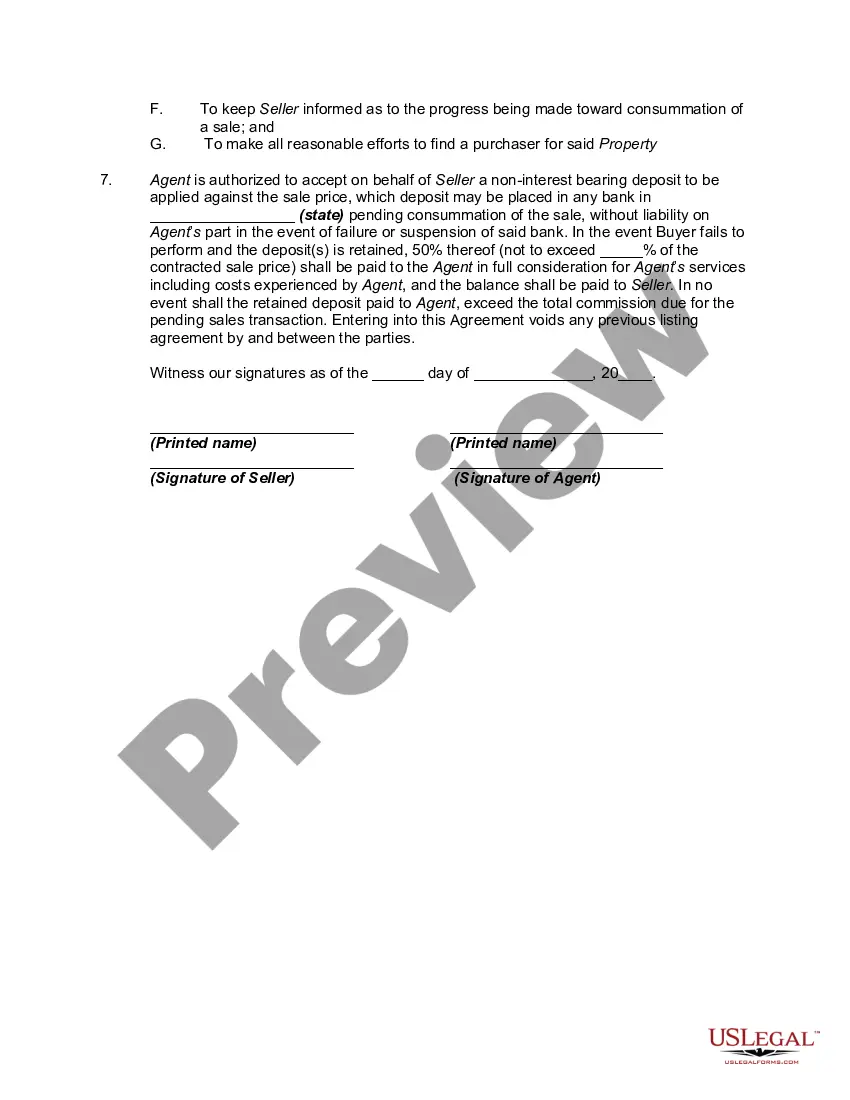

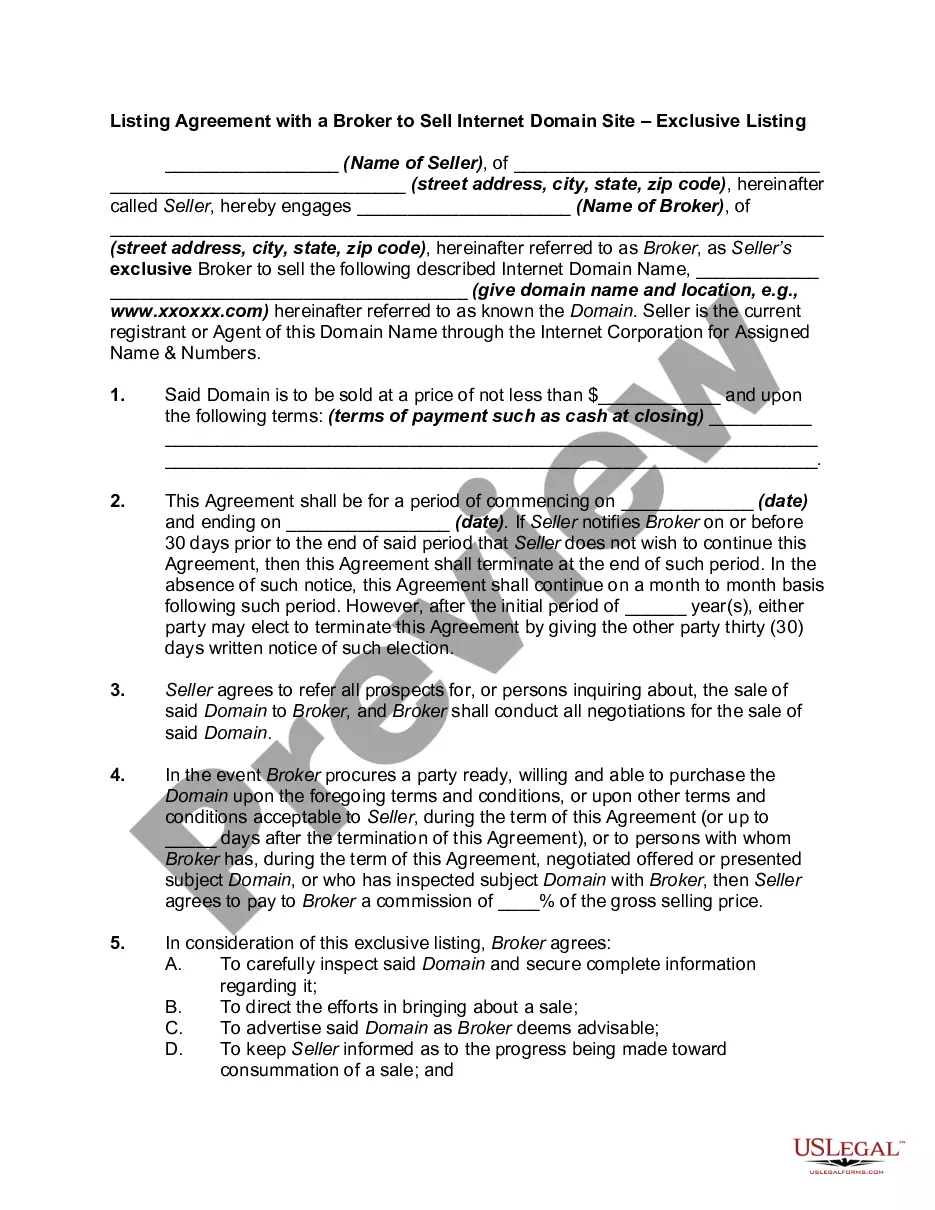
Get your form ready online
Our built-in tools help you complete, sign, share, and store your documents in one place.
Make edits, fill in missing information, and update formatting in US Legal Forms—just like you would in MS Word.
Download a copy, print it, send it by email, or mail it via USPS—whatever works best for your next step.
Sign and collect signatures with our SignNow integration. Send to multiple recipients, set reminders, and more. Go Premium to unlock E-Sign.
If this form requires notarization, complete it online through a secure video call—no need to meet a notary in person or wait for an appointment.
We protect your documents and personal data by following strict security and privacy standards.

Make edits, fill in missing information, and update formatting in US Legal Forms—just like you would in MS Word.

Download a copy, print it, send it by email, or mail it via USPS—whatever works best for your next step.

Sign and collect signatures with our SignNow integration. Send to multiple recipients, set reminders, and more. Go Premium to unlock E-Sign.

If this form requires notarization, complete it online through a secure video call—no need to meet a notary in person or wait for an appointment.

We protect your documents and personal data by following strict security and privacy standards.
Looking for another form?








Form popularity
FAQ
To answer the question of can a residential realtor sell commercial property, know that the answer is, "Yes." Various states have different licensure requirements, but they typically include taking a certain number of hours of an approved course, passing an exam, and working with a licensed firm.
Persons and firms who broker loans secured by mortgages on commercial real estate for compensation must be licensed as New Jersey real estate brokers.
Licensing Requirements for Commercial Real Estate Aspiring commercial real estate agents need to complete 75 hours of coursework to obtain a real estate salesperson license. To qualify as brokers, real estate salespersons must be licensed for three years and then complete a further 150 hours of coursework.
Your first step in starting your property management company is making sure you are qualified. In New Jersey, you will need a real estate license in order to legally work in property management.
