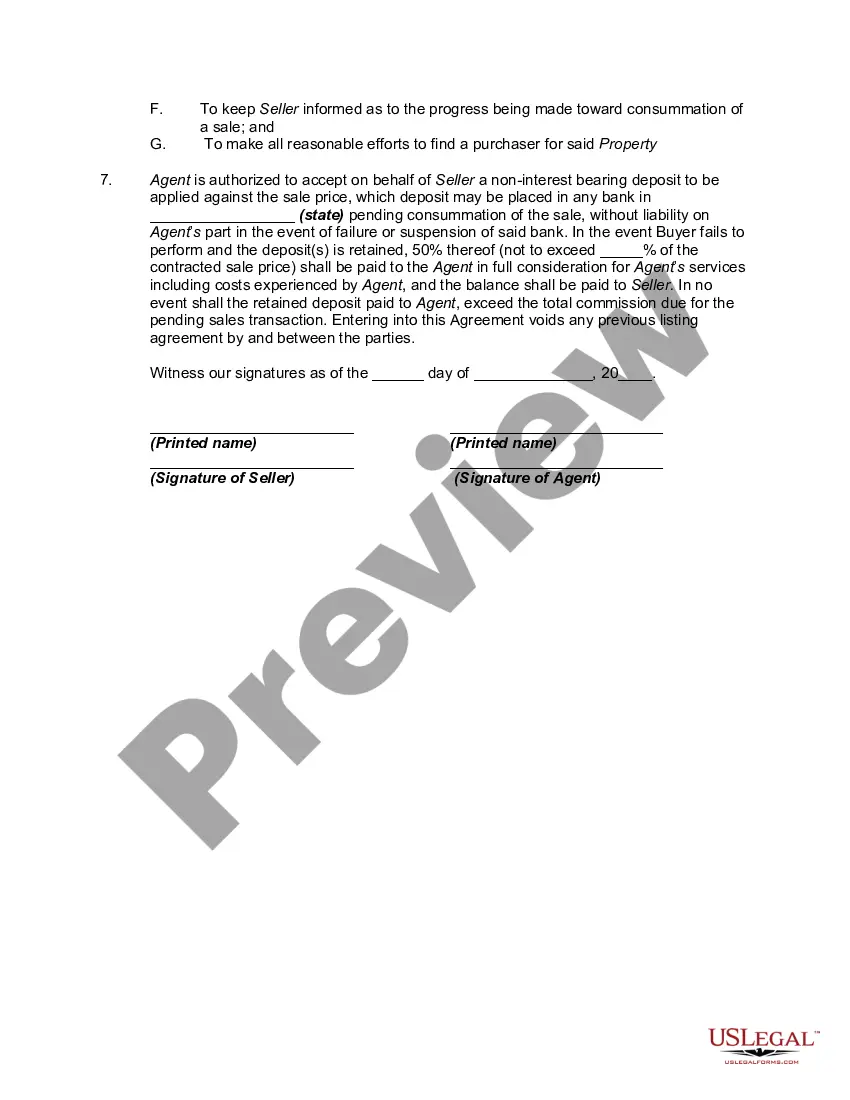
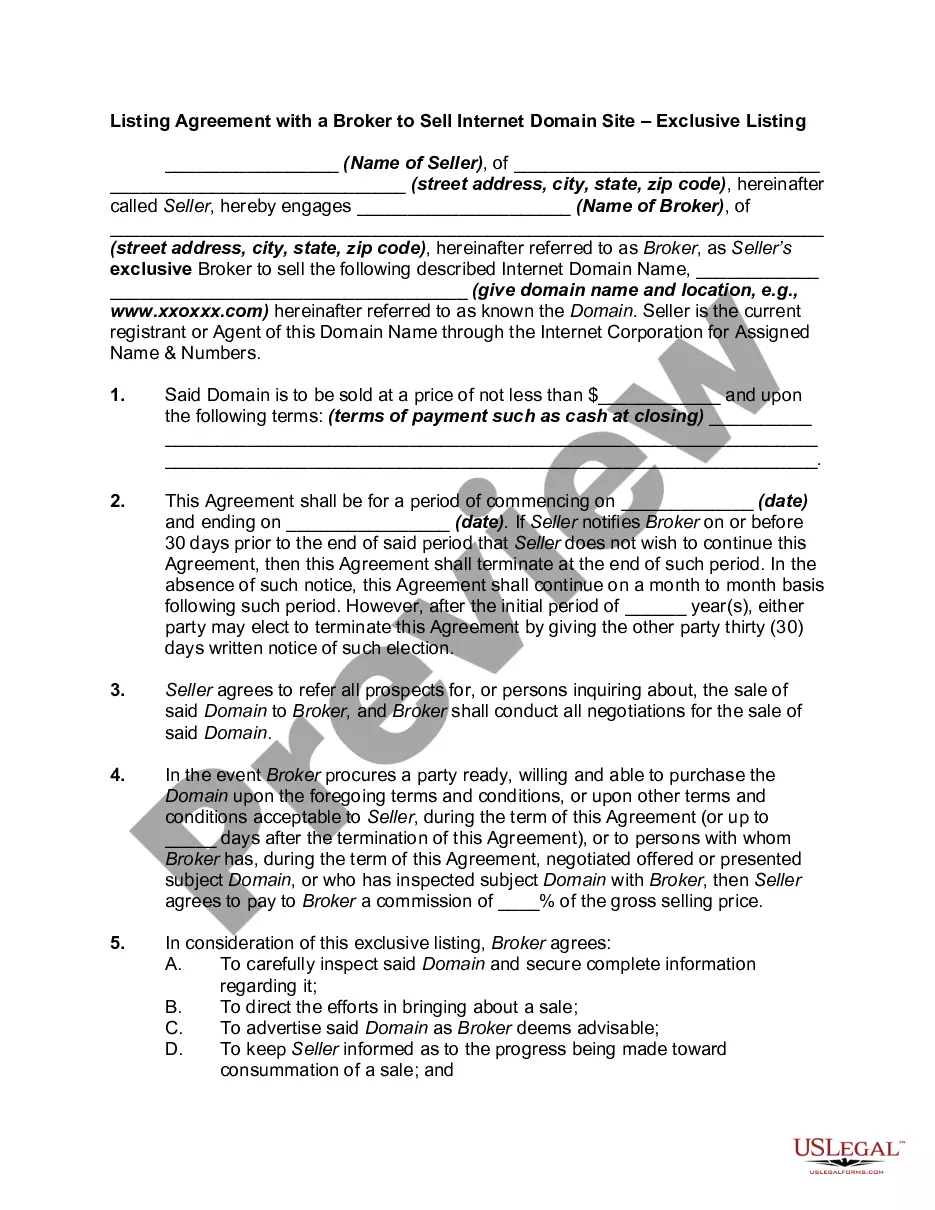
Broker Fee For Commercial Property In Michigan
Description


Get your form ready online
Our built-in tools help you complete, sign, share, and store your documents in one place.
Make edits, fill in missing information, and update formatting in US Legal Forms—just like you would in MS Word.
Download a copy, print it, send it by email, or mail it via USPS—whatever works best for your next step.
Sign and collect signatures with our SignNow integration. Send to multiple recipients, set reminders, and more. Go Premium to unlock E-Sign.
If this form requires notarization, complete it online through a secure video call—no need to meet a notary in person or wait for an appointment.
We protect your documents and personal data by following strict security and privacy standards.

Make edits, fill in missing information, and update formatting in US Legal Forms—just like you would in MS Word.

Download a copy, print it, send it by email, or mail it via USPS—whatever works best for your next step.

Sign and collect signatures with our SignNow integration. Send to multiple recipients, set reminders, and more. Go Premium to unlock E-Sign.

If this form requires notarization, complete it online through a secure video call—no need to meet a notary in person or wait for an appointment.

We protect your documents and personal data by following strict security and privacy standards.
Looking for another form?





Form popularity
FAQ
Meseck, the most common complaints involve: Septic systems. Solar leases. Failure to disclose and Seller's Property Disclosures. Water rights. Miscommunication. Agent-owned property and additional supervision. Multiple offers. Unpermitted work.
A real estate licensee can be the agent of both the seller and the buyer in a transaction, but only with the knowledge and informed consent, in writing, of both the seller and the buyer. In such a dual agency situation, the licensee will not be able to disclose all known information to either the seller or the buyer.
The criminal background check aims to identify any past convictions or criminal charges an applicant may have. Any history of fraudulent activities or crimes related to moral turpitude may disqualify an individual from obtaining a real estate license.
Let's take a look at the essential steps you need to follow: Complete Your Education. The first step in becoming a commercial real estate agent in Michigan is to complete the necessary education requirements. Pass the Michigan Real Estate License Exam. Find a Sponsor Broker. Submit a Completed License Application.
A salesperson shall not be licensed as a broker or associate broker while he or she holds a salesperson license. 18. Can a salesperson work for more than one (1) broker at a time? A salesperson shall be licensed to a broker and shall not be licensed to more than 1 broker at the same time.
Complete 90-hours of commission-approved Broker Pre-Licensing education (An MBA or law degree may substitute for 60-hours) Pass the coursework final exam with a score of 70% or greater. Pass the state-issued Broker License exam. Submit license application to the state.
Much of the expense of maintaining a real estate license, such as board dues and broker fees, can be eliminated by transferring your license to a holding or escrow company. A holding company is a licensed broker that specializes in "holding" the licenses of real estate agents who are not actively selling real estate.
Commercial agents and brokers serve as liaison between multiple parties in a commercial transaction, know extensive demographic and location information, and provide in-depth financial analyses to determine whether a property is good for their client's bottom line.
Complete 90-hours of commission-approved Broker Pre-Licensing education (An MBA or law degree may substitute for 60-hours) Pass the coursework final exam with a score of 70% or greater. Pass the state-issued Broker License exam. Submit license application to the state.
A real estate broker is a professional with a state real estate broker license who helps buy, sell and transfer property. They use their expertise and knowledge of the real estate industry to assist clients with paperwork, decision-making and legal compliance.
