Employee Form Document With Parameters In Miami-Dade
Description

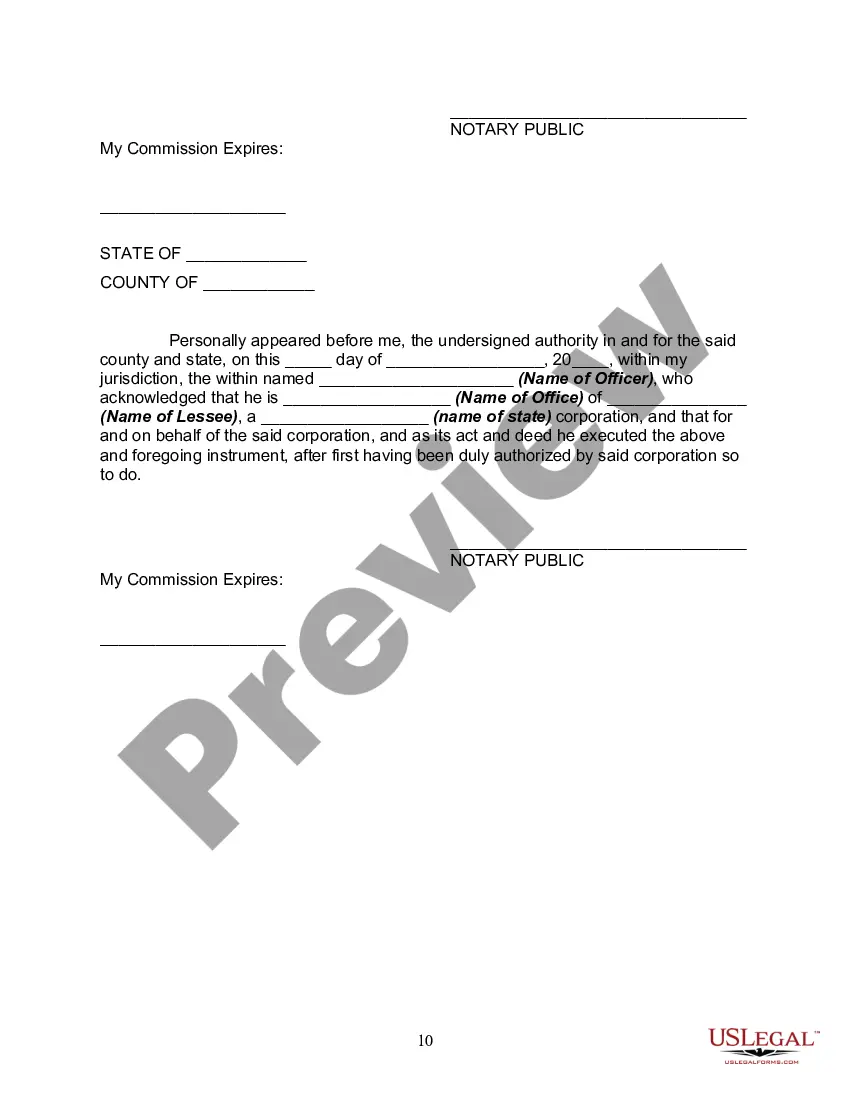
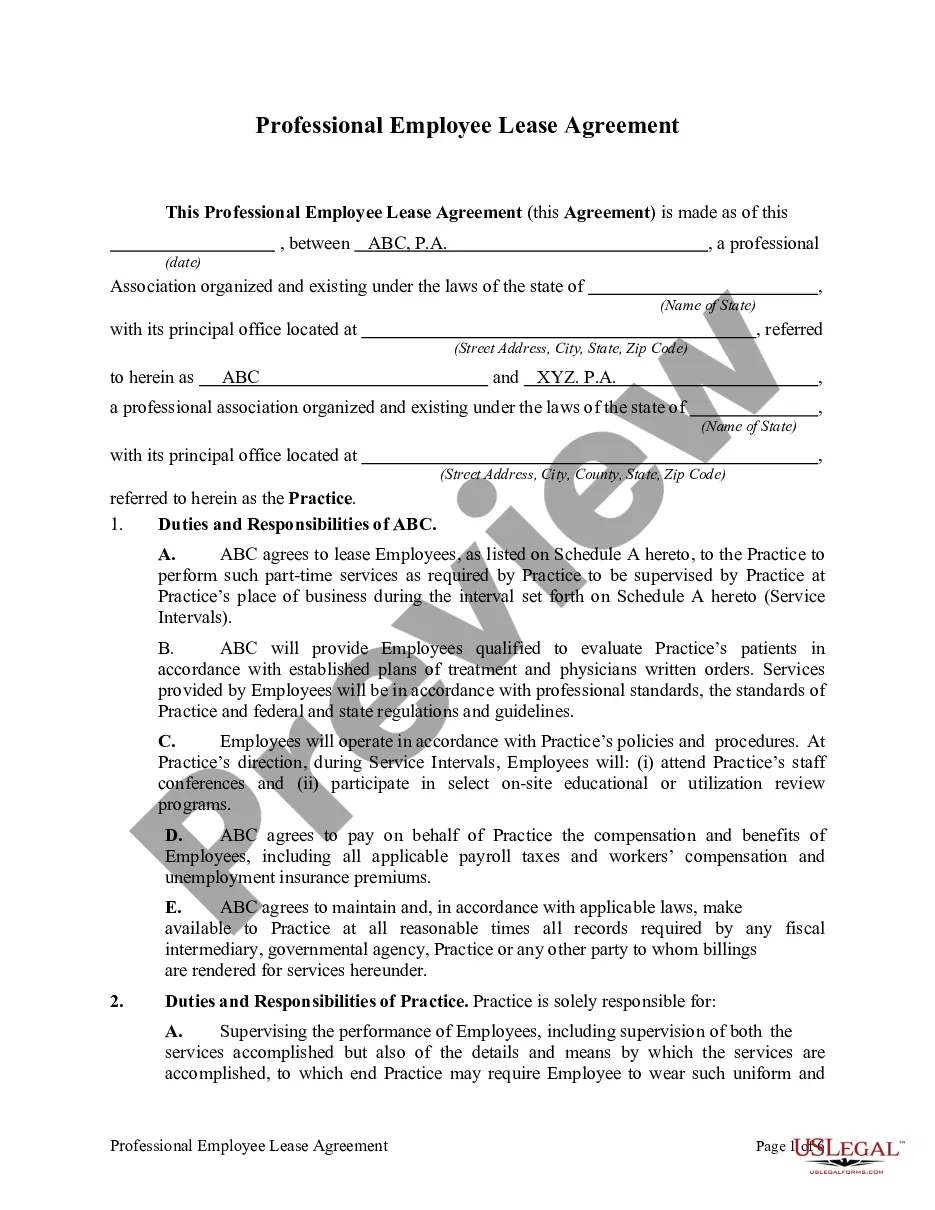
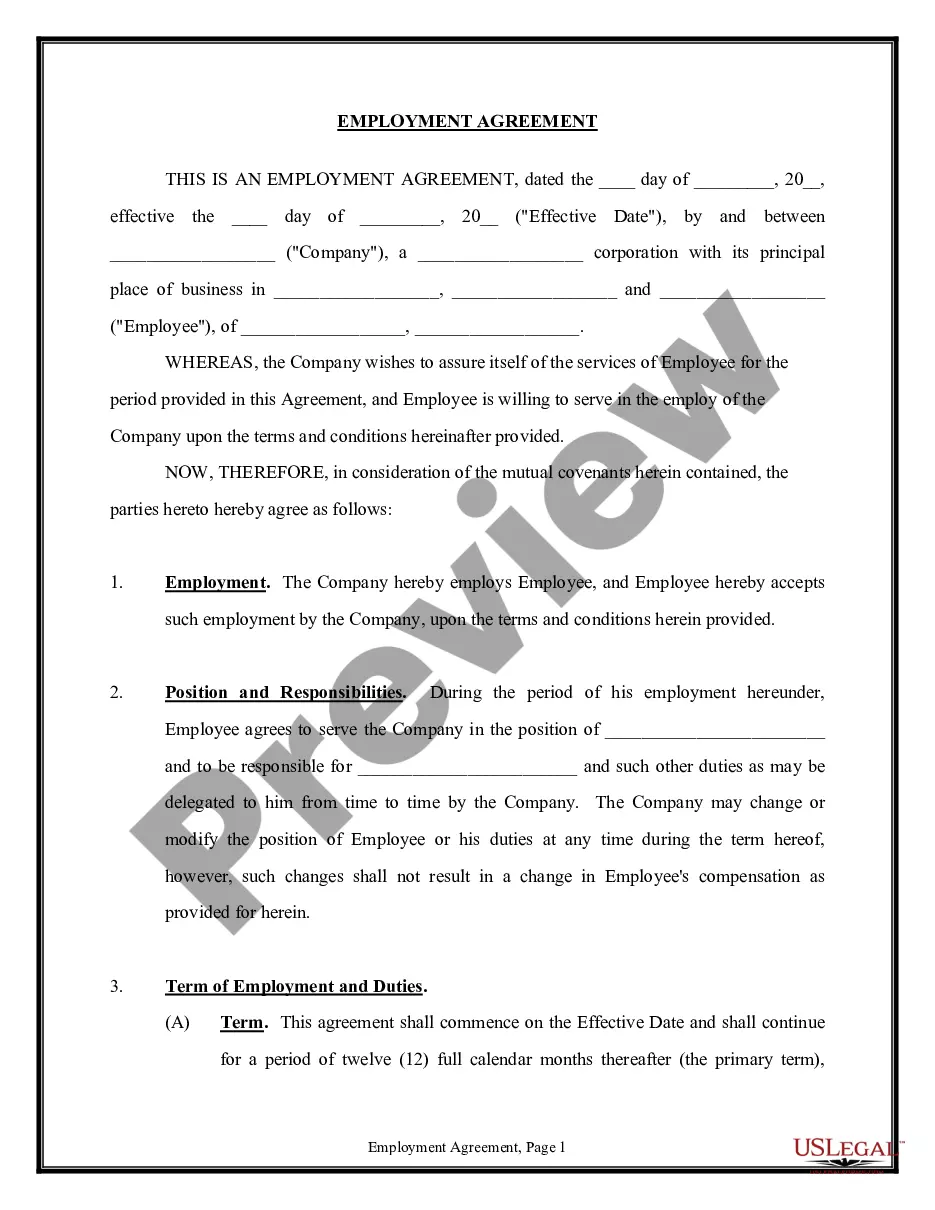
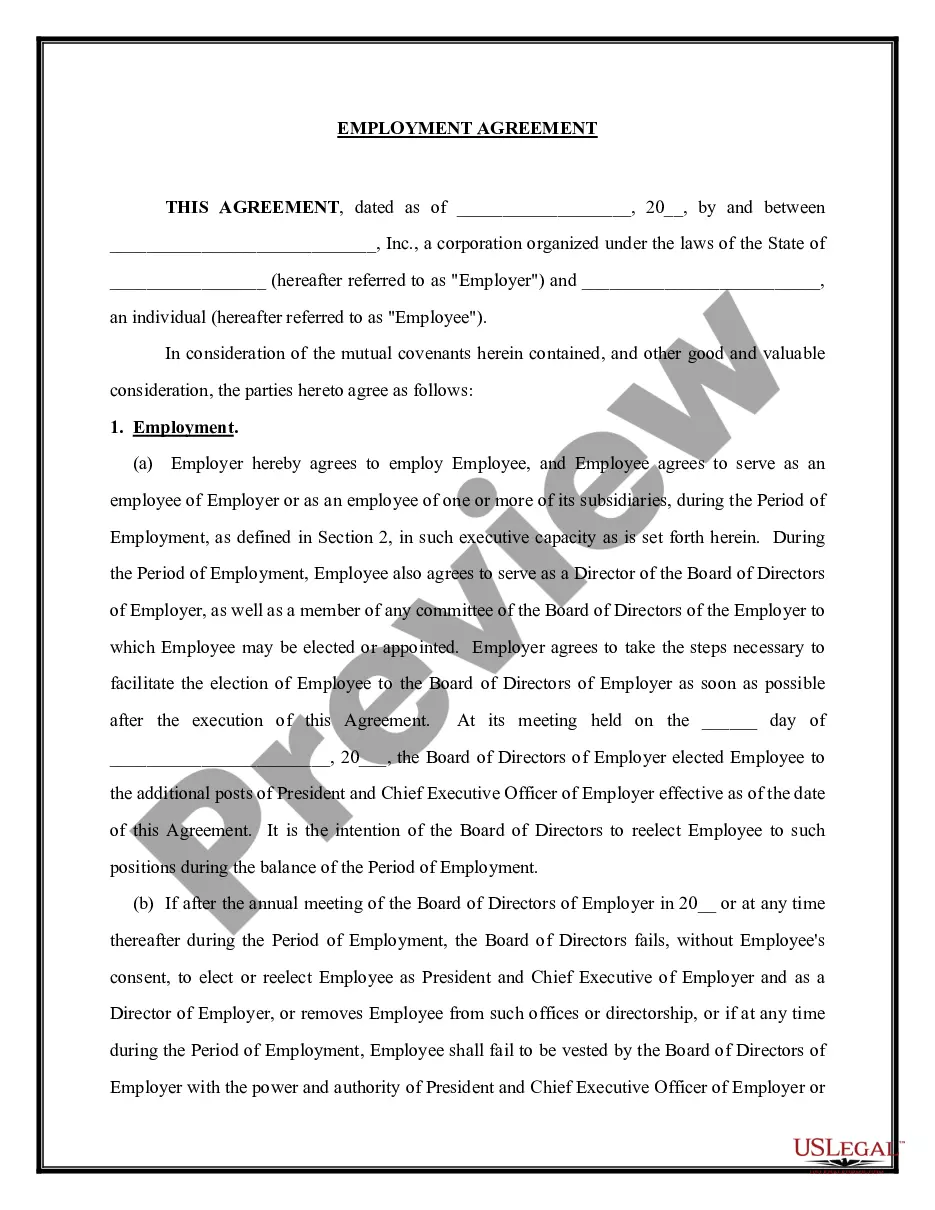
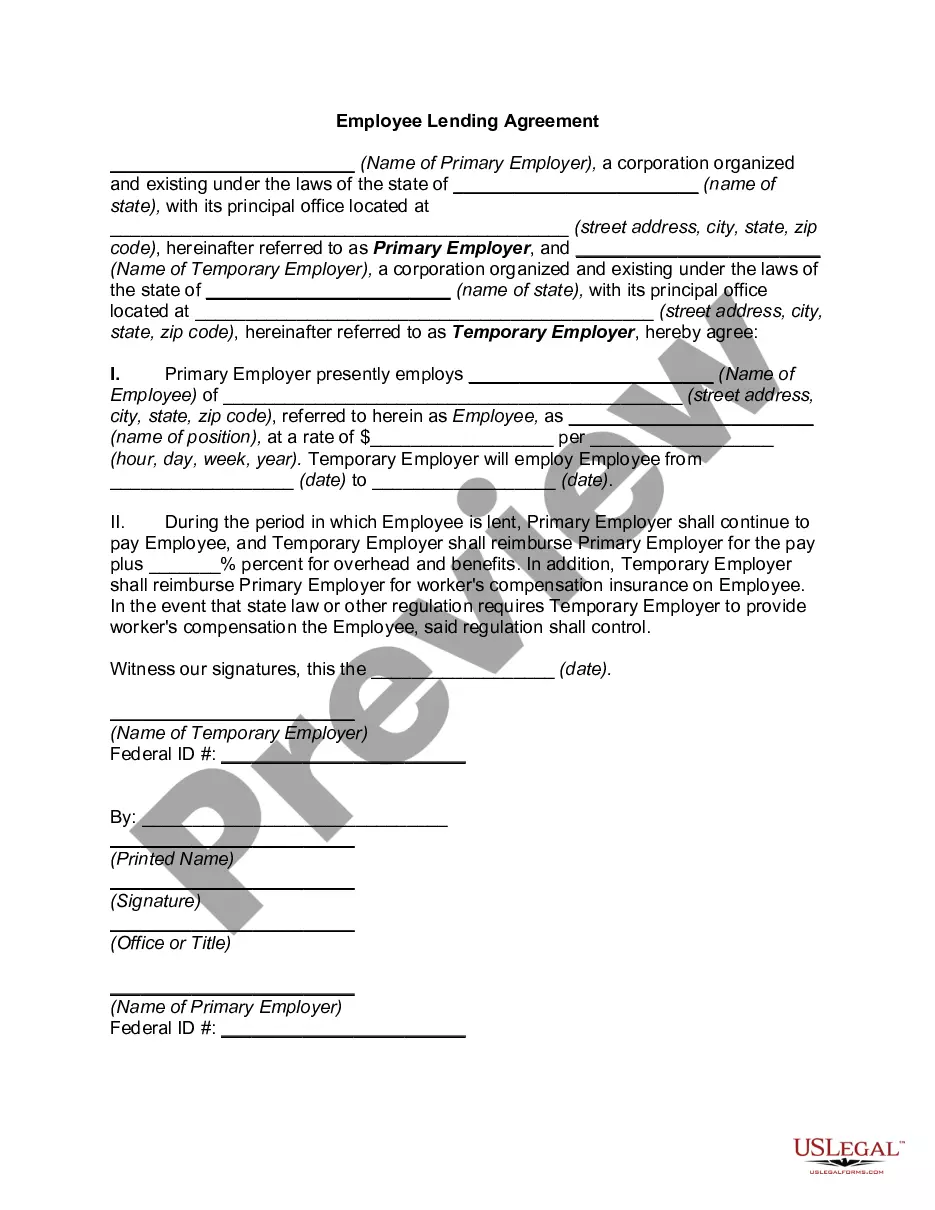
Get your form ready online
Our built-in tools help you complete, sign, share, and store your documents in one place.
Make edits, fill in missing information, and update formatting in US Legal Forms—just like you would in MS Word.
Download a copy, print it, send it by email, or mail it via USPS—whatever works best for your next step.
Sign and collect signatures with our SignNow integration. Send to multiple recipients, set reminders, and more. Go Premium to unlock E-Sign.
If this form requires notarization, complete it online through a secure video call—no need to meet a notary in person or wait for an appointment.
We protect your documents and personal data by following strict security and privacy standards.

Make edits, fill in missing information, and update formatting in US Legal Forms—just like you would in MS Word.

Download a copy, print it, send it by email, or mail it via USPS—whatever works best for your next step.

Sign and collect signatures with our SignNow integration. Send to multiple recipients, set reminders, and more. Go Premium to unlock E-Sign.

If this form requires notarization, complete it online through a secure video call—no need to meet a notary in person or wait for an appointment.

We protect your documents and personal data by following strict security and privacy standards.
Looking for another form?


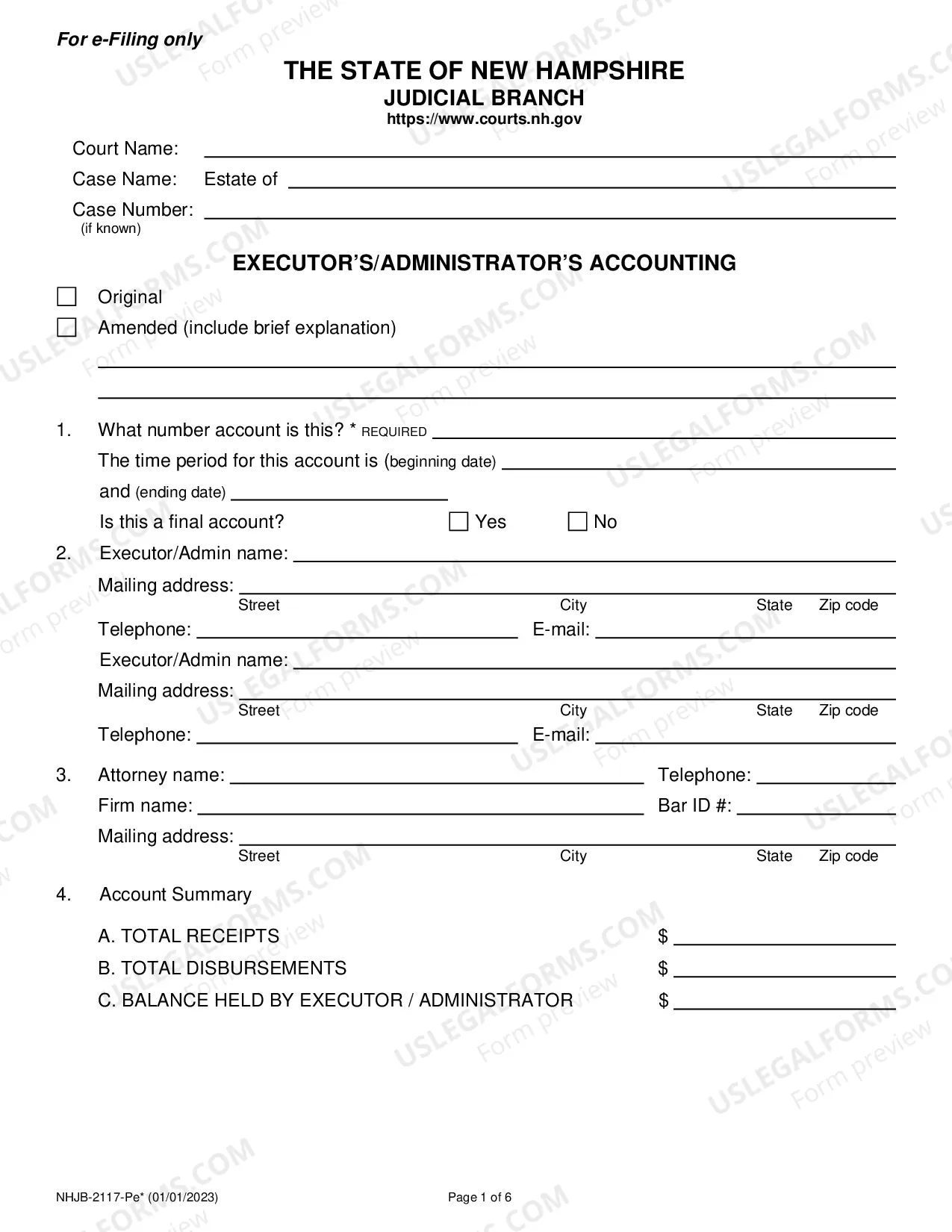
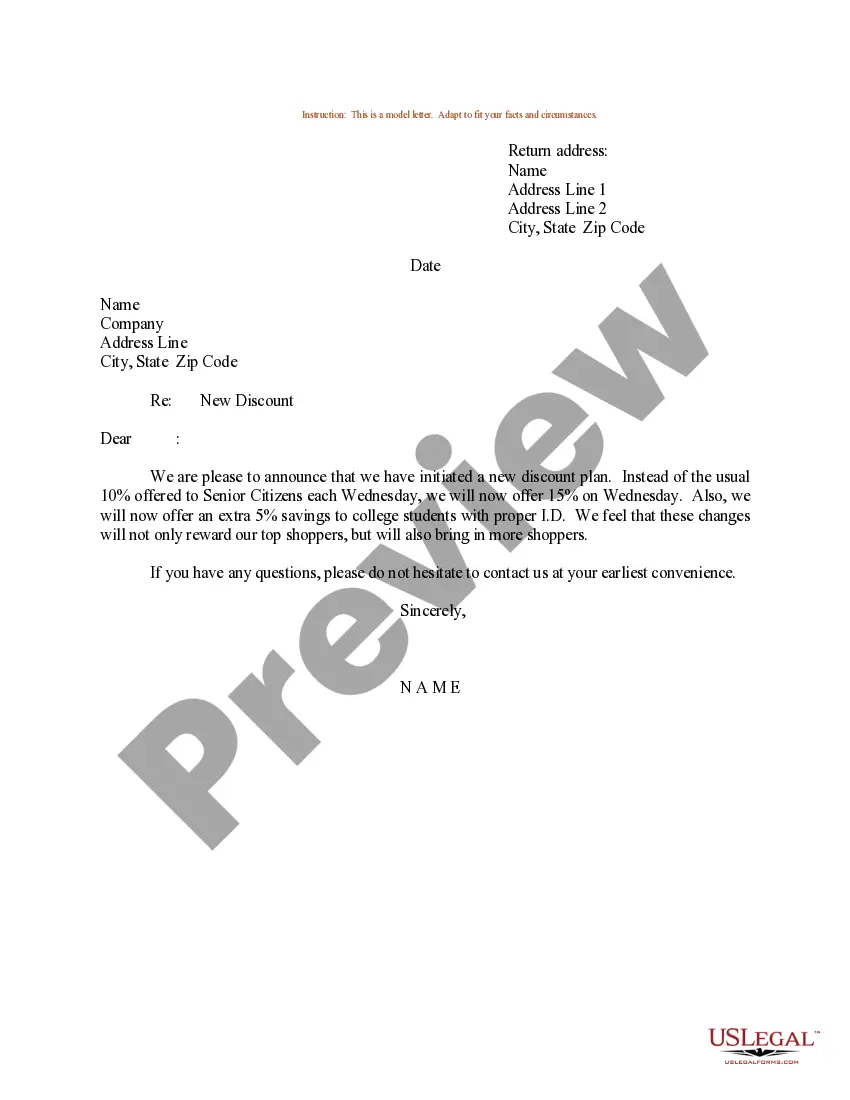





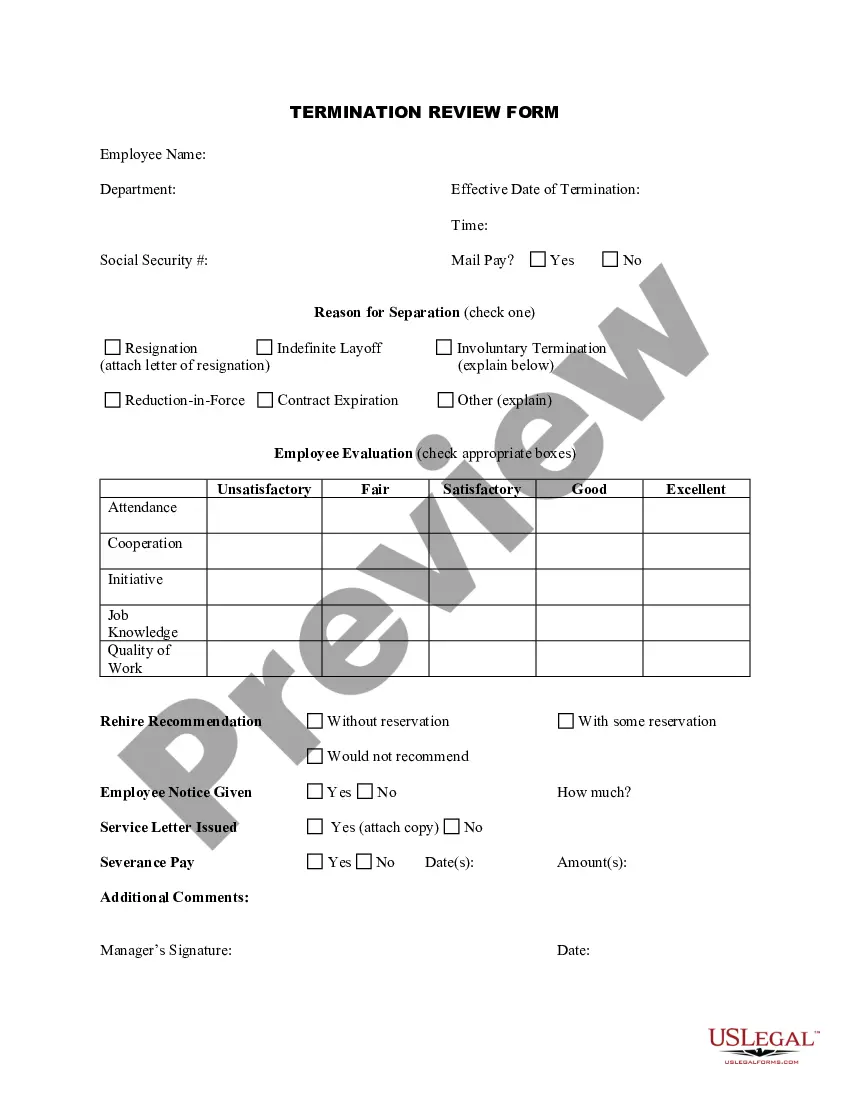
Form popularity
FAQ
How to organize personnel files Determine which documents to store. Review company policy, federal law and state regulations to learn which documents to include in a personnel file. Choose a filing method. Format your documents. Learn who can access the files. Create a file retention policy. Update the files as needed.
Employers should keep all job-related documentation such as hiring records, performance reviews, disciplinary actions and job descriptions in an employee's general personnel file.
The two-party consent statute requires that employers obtain the informed consent of their employees before they can intercept or record their conversations at work.
Private sector employees, however, may only have the right if it is granted by the employer. In Florida, public employees are allowed to see their files and request copies of their contents. The Florida Public Records Act grants you the right to see those files (and to obtain copies).
Examples of items that should not be included in the personnel file are: Pre-employment records (with the exception of the application and resume) Monthly attendance transaction documents. Whistleblower complaints, notes generated from informal discrimination complaint investigations, Ombuds, or Campus Climate.
Florida has a few laws that provide greater protections to employees than federal law, including protection against discrimination based on marital status, a higher minimum wage and health care continuation coverage obligations for smaller employers, and generally follows federal law on topics such as consumer credit ...
