Sample Letter For Court Character Reference In Orange
Description



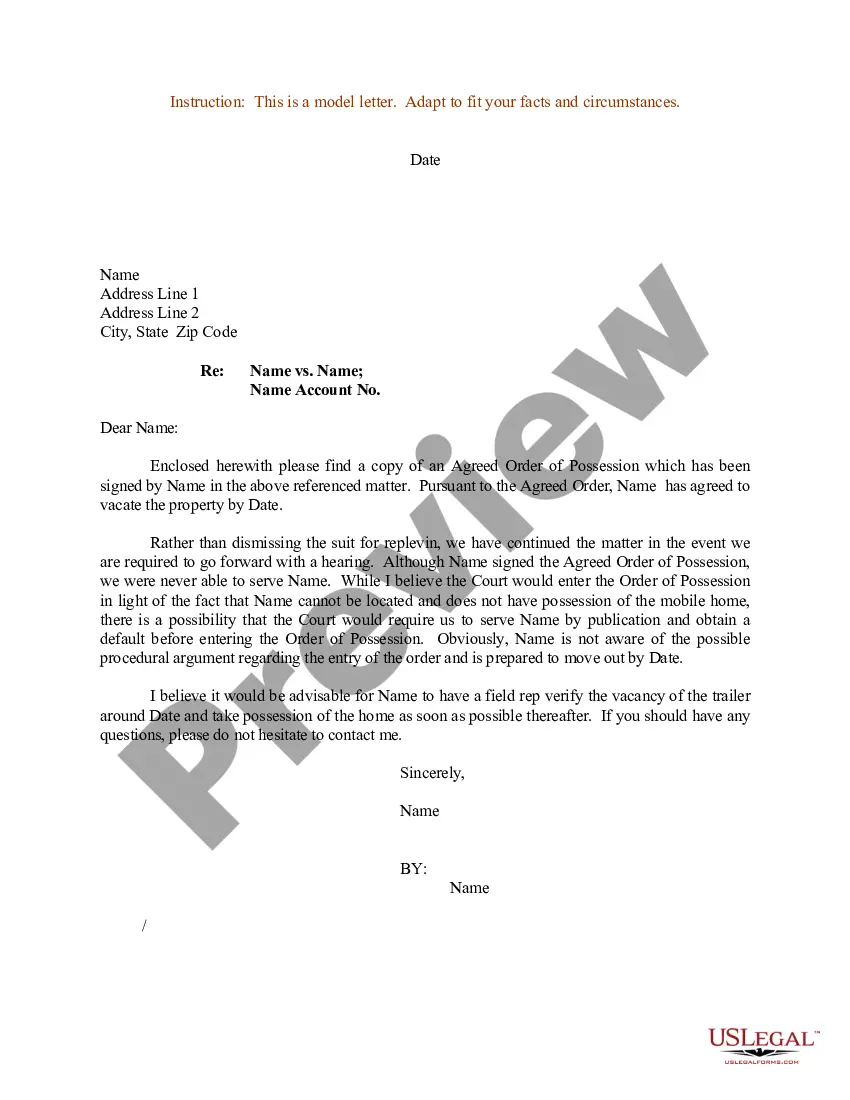
Get your form ready online
Our built-in tools help you complete, sign, share, and store your documents in one place.
Make edits, fill in missing information, and update formatting in US Legal Forms—just like you would in MS Word.
Download a copy, print it, send it by email, or mail it via USPS—whatever works best for your next step.
Sign and collect signatures with our SignNow integration. Send to multiple recipients, set reminders, and more. Go Premium to unlock E-Sign.
If this form requires notarization, complete it online through a secure video call—no need to meet a notary in person or wait for an appointment.
We protect your documents and personal data by following strict security and privacy standards.

Make edits, fill in missing information, and update formatting in US Legal Forms—just like you would in MS Word.

Download a copy, print it, send it by email, or mail it via USPS—whatever works best for your next step.

Sign and collect signatures with our SignNow integration. Send to multiple recipients, set reminders, and more. Go Premium to unlock E-Sign.

If this form requires notarization, complete it online through a secure video call—no need to meet a notary in person or wait for an appointment.

We protect your documents and personal data by following strict security and privacy standards.
Looking for another form?

Form popularity
FAQ
I have always found applicant to be trustworthy, hard working and intelligent. When we worked on example, applicant showed good communication skills and I could rely on them to take the initiative and to stay calm under pressure.
Ideal candidates include current or former teachers, lecturers, friends or acquaintances with recognised professions, community leaders, and distant relatives who hold professional positions. These individuals are seen as impartial and credible.
Mentors or Coaches Whether it's an academic advisor, a sports coach, or a mentor in a community organisation, these individuals can speak to your dedication, work ethic, and team spirit.
During sentencing, a judge will typically only allow a certain number of live witnesses to testify as to a defendant's character but will accept almost any number of letters. Of course, a character letter is only effective if it is well-written and helps the judge understand a fuller picture of the defendant.
How to structure a character reference: Introduce yourself, state what your occupation is and any qualifications you hold. In what capacity do you know them the defendant? Tell the court that you're aware of the proceedings. Give some background surrounding your relationship with the defendant.
How to ask for a character reference Choose your communication method. Before asking for a character reference, consider what the best method is to speak to your contact. Ask gently. Explain what you want the reference to say. Include information. Send a thank you note.
Character reference letters describe the skills and traits you display outside the workplace. The people who write these letters know you personally. They can include teachers, coaches, landlords or people you know from your volunteer work or worship group.
Reach out to former professors Even if you didn't form a personal relationship with any of your professors, they might be willing to write you a letter of recommendation based on your academic work.
How to structure a character reference: Introduce yourself, state what your occupation is and any qualifications you hold. In what capacity do you know them the defendant? Tell the court that you're aware of the proceedings. Give some background surrounding your relationship with the defendant.
Keep the following tips in mind when writing a character reference letter: Be sure to include how long you have known the person. Mention what capacity you have known them in. Include an example of their positive character traits.

