Broker Commercial Property Without In King
Description

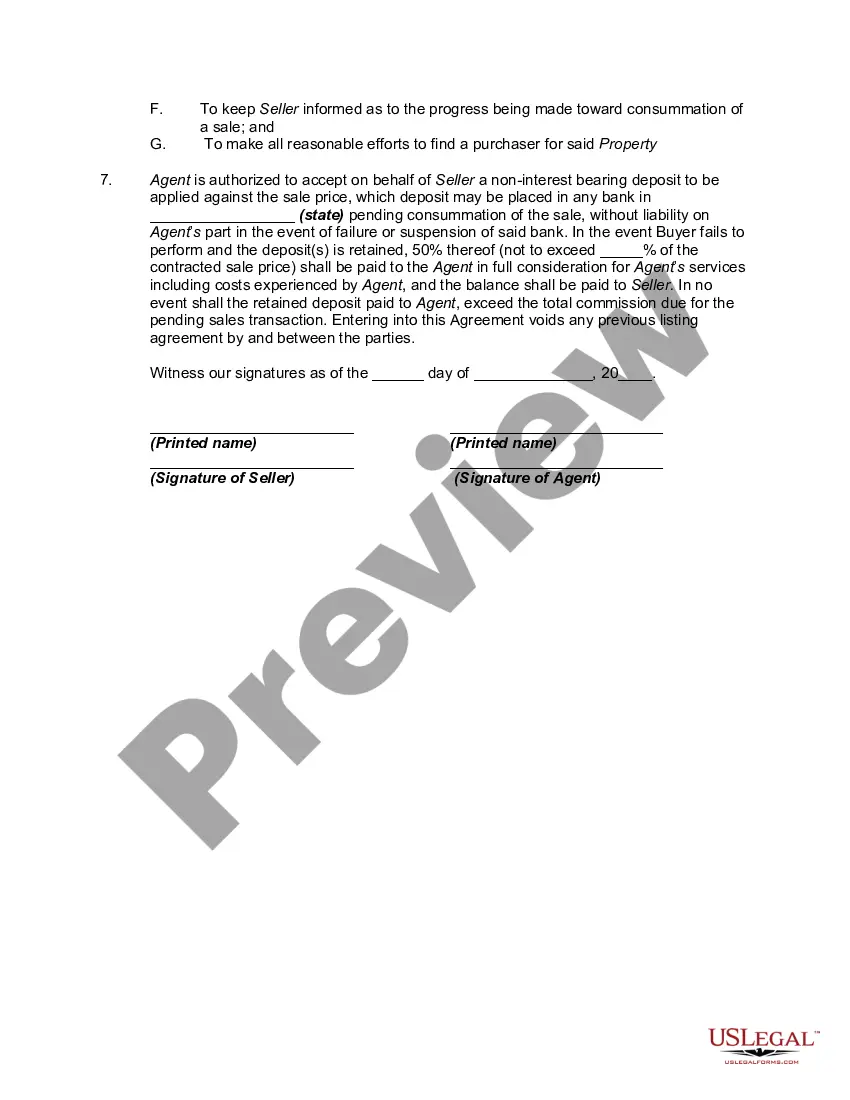

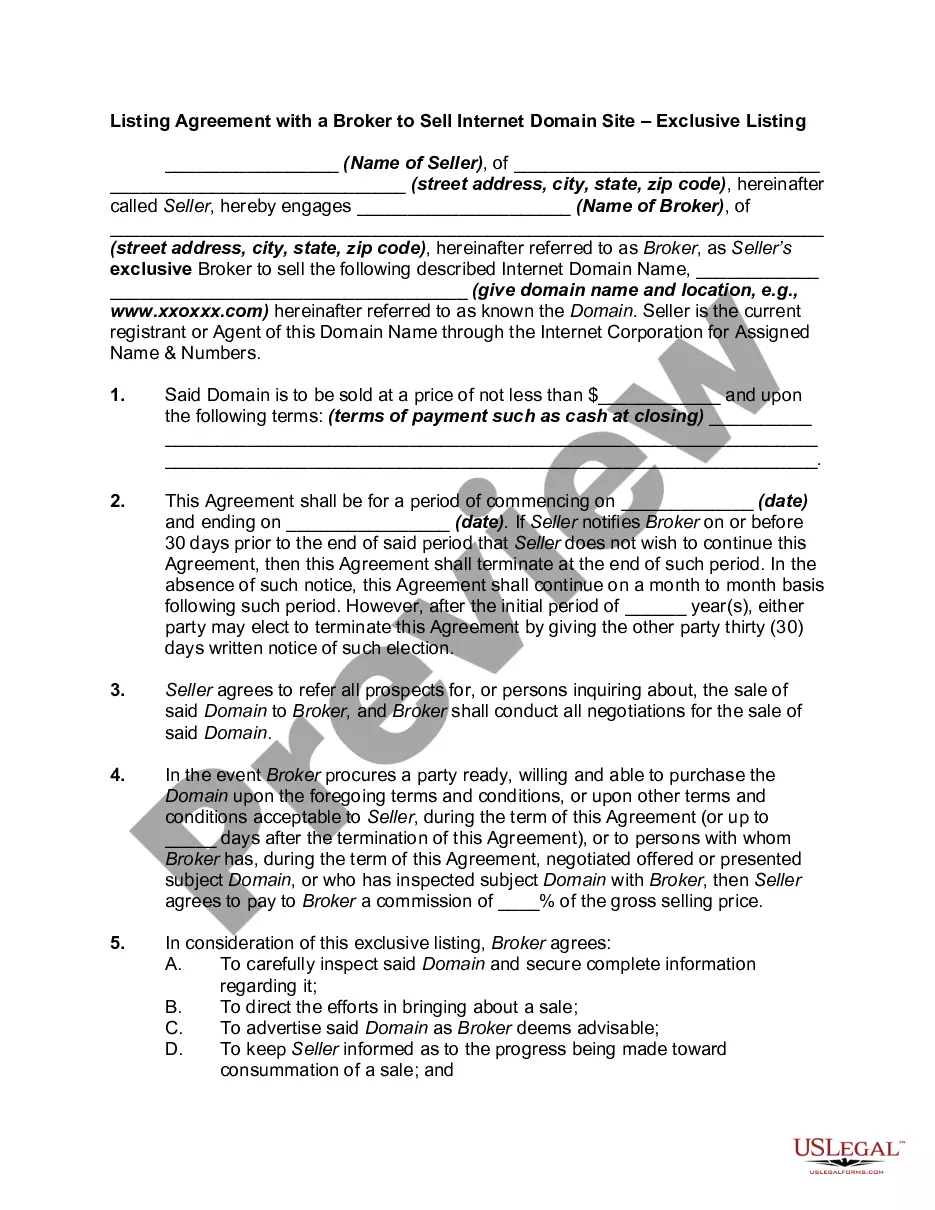
Get your form ready online
Our built-in tools help you complete, sign, share, and store your documents in one place.
Make edits, fill in missing information, and update formatting in US Legal Forms—just like you would in MS Word.
Download a copy, print it, send it by email, or mail it via USPS—whatever works best for your next step.
Sign and collect signatures with our SignNow integration. Send to multiple recipients, set reminders, and more. Go Premium to unlock E-Sign.
If this form requires notarization, complete it online through a secure video call—no need to meet a notary in person or wait for an appointment.
We protect your documents and personal data by following strict security and privacy standards.

Make edits, fill in missing information, and update formatting in US Legal Forms—just like you would in MS Word.

Download a copy, print it, send it by email, or mail it via USPS—whatever works best for your next step.

Sign and collect signatures with our SignNow integration. Send to multiple recipients, set reminders, and more. Go Premium to unlock E-Sign.

If this form requires notarization, complete it online through a secure video call—no need to meet a notary in person or wait for an appointment.

We protect your documents and personal data by following strict security and privacy standards.
Looking for another form?









Form popularity
FAQ
A commercial real estate broker is the expert intermediary between landlords and tenants. While they're always working to get the best outcomes for their clients, the roles and priorities of brokers change depending on which side of the transaction they're on.
A commercial real estate broker has the potential to build a lucrative career -- but it won't come easily. Successful brokers are experts in market and financial analysis and are highly knowledgeable in their clients' fields to find the best commercial properties for sale or rent.
Top brokerages are CBRE, JLL, Colliers, Cushman (barely).
Real Estate Brokerages and Agents need a powerful CRM to stay connected to customers, streamline processes, and improve profitability. CRM's are essential for staying in touch with clients throughout the entire process and keeping track of the process from start to finish.
How to succeed as a commercial real estate agent Find another skill. Fill every hour of the week. Pick a specialty ASAP. Network. Keep your eye on opportunities at other brokerages. Start your own brokerage. Stay persistent and keep your options open.
Top 10 Largest Real Estate Owners in the World #1: King Charles III. (British Crown) – 6.6 Billion Acres. #2: The Catholic Church – 177 Million Acres. #3: McDonald's – 47,000 Acres. #4: John Malone – 2.2 Million Acres. #5: Ted Turner – 2 Million Acres. #6: The Government of Saudi Arabia – Vast State-Owned Land.
More often, the components of real estate, personal property, and business enterprise value (“BEV”) are part of one package. All contribute to value. Their combination is the “going concern”.
Many of the issues confronting industry stakeholders in the new year are interrelated. High Financing Costs. Massive Commercial Real Estate Debt. High Cap Rates. Soaring Insurance Costs. Increasingly Unaffordable Housing. Rise in Artificial Intelligence. Impact of Extreme Weather. Lingering Office Vacancies.
Many of the issues confronting industry stakeholders in the new year are interrelated. High Financing Costs. Massive Commercial Real Estate Debt. High Cap Rates. Soaring Insurance Costs. Increasingly Unaffordable Housing. Rise in Artificial Intelligence. Impact of Extreme Weather. Lingering Office Vacancies.
Construction Delays: Ongoing delays due to permitting issues, labor shortages, and rising material costs are impacting the completion of new projects. This might slow the expected supply influx, providing a bit of breathing room in oversupplied markets (Fannie Mae Multifamily).