Realtor Broker Agent For Rentals In Fulton
Description

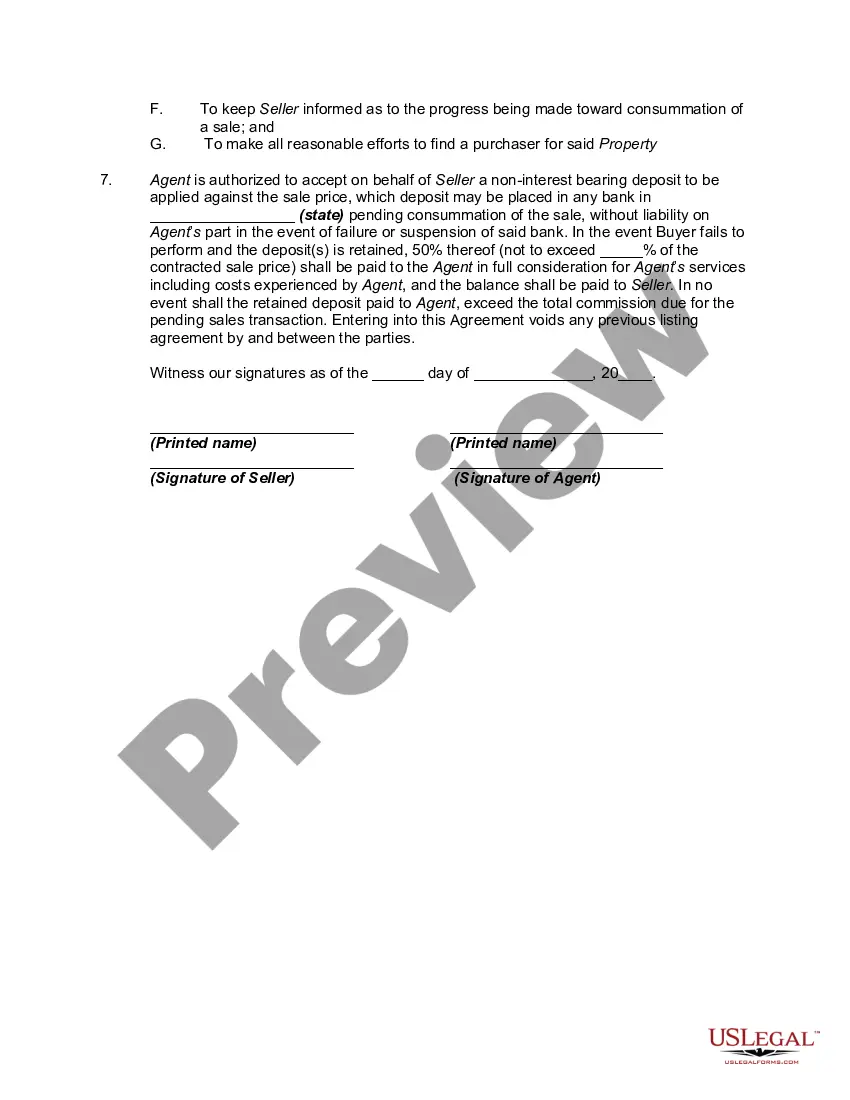

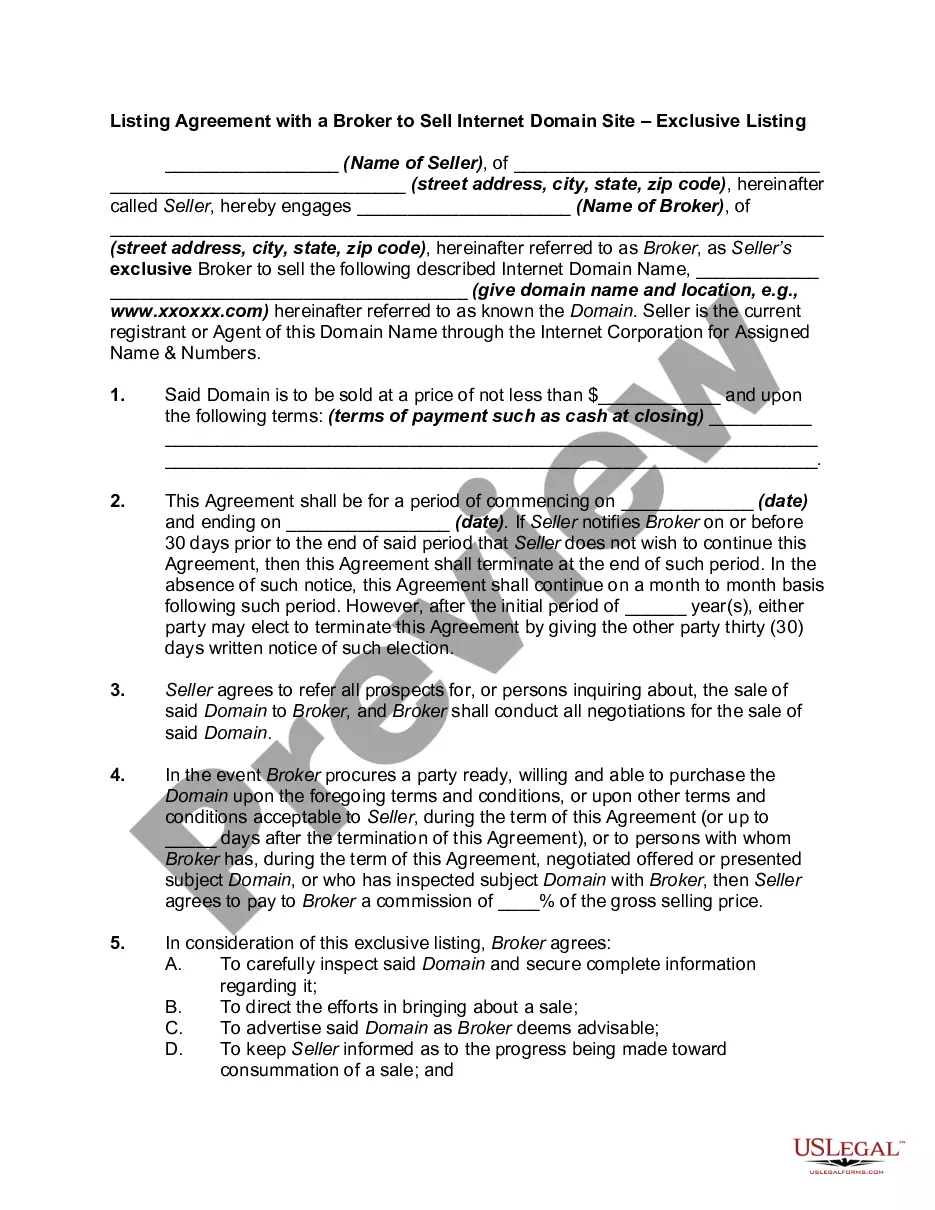
Get your form ready online
Our built-in tools help you complete, sign, share, and store your documents in one place.
Make edits, fill in missing information, and update formatting in US Legal Forms—just like you would in MS Word.
Download a copy, print it, send it by email, or mail it via USPS—whatever works best for your next step.
Sign and collect signatures with our SignNow integration. Send to multiple recipients, set reminders, and more. Go Premium to unlock E-Sign.
If this form requires notarization, complete it online through a secure video call—no need to meet a notary in person or wait for an appointment.
We protect your documents and personal data by following strict security and privacy standards.

Make edits, fill in missing information, and update formatting in US Legal Forms—just like you would in MS Word.

Download a copy, print it, send it by email, or mail it via USPS—whatever works best for your next step.

Sign and collect signatures with our SignNow integration. Send to multiple recipients, set reminders, and more. Go Premium to unlock E-Sign.

If this form requires notarization, complete it online through a secure video call—no need to meet a notary in person or wait for an appointment.

We protect your documents and personal data by following strict security and privacy standards.
Looking for another form?


Form popularity
FAQ
Some of the primary differences between agents and brokers are: Agents work for insurance companies, while brokers work for consumers. Because brokers represent their clients, they have a duty to provide impartial advice and act in the buyers' best interest.
Brokers are not only more qualified than agents, but they generally have a few more years of experience. As such, those with a Broker License handle higher-level aspects of real estate transactions, including addressing the legal requirements of a deal and overseeing their agents.
A broker is an individual or firm that acts as an intermediary between an investor and a securities exchange, usually buying or selling securities for investor clients. A broker can also refer to the role of a firm when it acts as an agent for a customer and charges the customer a commission for its services.
agent is licensed both as a broker and as an agent. For example, a real estate brokeragent negotiates contracts of sale and other agreements between buyers and sellers of real property. They represent either the buyer or the seller and help them reach an agreement on the terms of the sale.
A broker is an insurance intermediary who represents the insured rather than the insurer. They assist consumers who are seeking coverage. Unlike independent agents, brokers are not the legal representatives of insurers. This means they often do not have the right to act on behalf of insurers, such as to bind coverage.
Facebook is certainly among the most popular social media platforms for real estate, given its broad user base, as it allows realtors to connect with a diverse audience, share property listings, and engage in local communities.
The reason that brokers can work independently or supervise other agents is that they're allowed to handle certain financial and legal steps in the transaction process that agents cannot.
Brokers often can represent several manufacturers of noncompeting products on a commission basis. They do not carry inventory or assume risk. Unlike merchant wholesalers, agent middlemen do not take legal ownership of the goods they sell; nor do they generally take physical possession of them.
