Realtor Broker Agent For Llc In Florida
Description

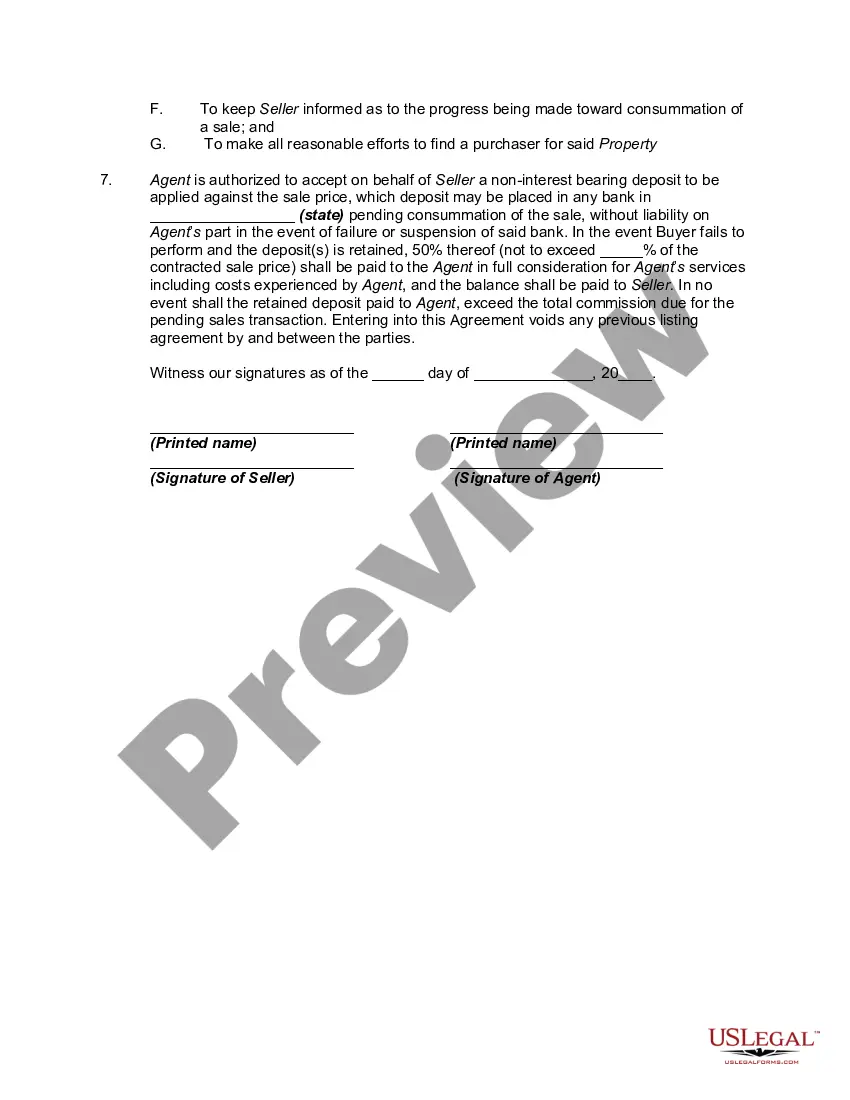

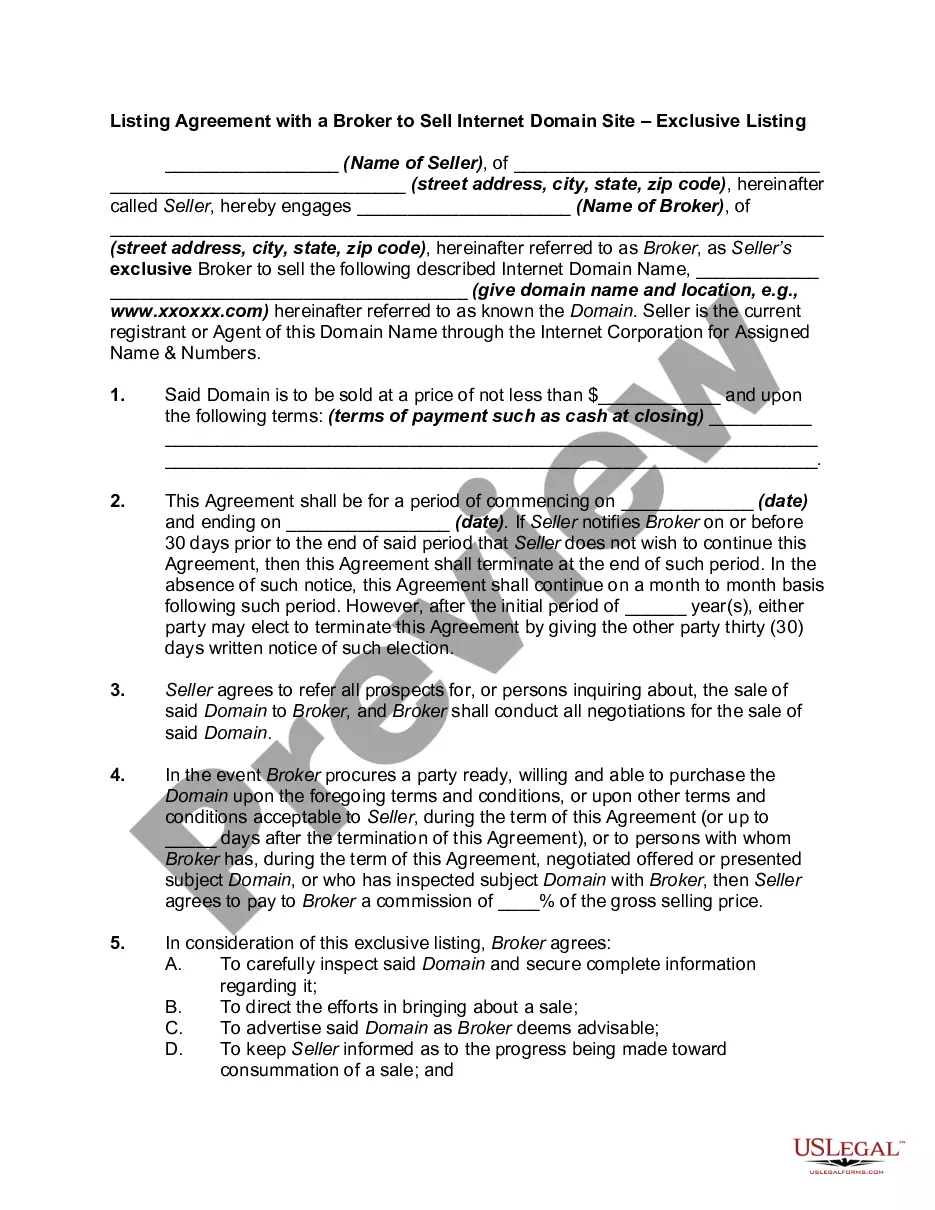
Get your form ready online
Our built-in tools help you complete, sign, share, and store your documents in one place.
Make edits, fill in missing information, and update formatting in US Legal Forms—just like you would in MS Word.
Download a copy, print it, send it by email, or mail it via USPS—whatever works best for your next step.
Sign and collect signatures with our SignNow integration. Send to multiple recipients, set reminders, and more. Go Premium to unlock E-Sign.
If this form requires notarization, complete it online through a secure video call—no need to meet a notary in person or wait for an appointment.
We protect your documents and personal data by following strict security and privacy standards.

Make edits, fill in missing information, and update formatting in US Legal Forms—just like you would in MS Word.

Download a copy, print it, send it by email, or mail it via USPS—whatever works best for your next step.

Sign and collect signatures with our SignNow integration. Send to multiple recipients, set reminders, and more. Go Premium to unlock E-Sign.

If this form requires notarization, complete it online through a secure video call—no need to meet a notary in person or wait for an appointment.

We protect your documents and personal data by following strict security and privacy standards.
Looking for another form?









Form popularity
FAQ
However, ing to Florida Statute 475.161, a broker associate or sales associate may be licensed as a professional corporation (PC), a limited liability company (LLC), or a professional limited liability company (PLLC), if such status has been authorized by the Department of State.
In Florida, agents can set up an LLC, PA (Professional Association), or PLLC (Professional Limited Liability Company) to receive commissions. But here's the kicker: the name of your entity must match your legal name. So if you're dreaming of calling your LLC something fun like “Sunshine Deals LLC,” think again.
In Florida, brokers and sales associates can own a brokerage but cannot register as the organization's director, officer, or general partner. However, if acting as an associate within the brokerage, they must be registered under one of these mentioned titles.
A business entity with an active Florida filing or registration may serve as a registered agent. An entity cannot serve as its own registered agent. However, an individual or principal associated with the business may serve as the registered agent. The registered agent must have a physical street address in Florida.
A registered agent can be an individual person who is a Florida resident, or a registered agent company authorized to do business in Florida (typically a corporation or LLC). The RA's registered office must be staffed during regular business hours by either the individual RA or an owner or employee of the RA.
In Florida, business brokers are required to have a real estate license to practice. To obtain a real estate license, you must be at least 18 years old, have a high school diploma or equivalent, complete a 63-hour pre-licensing course, and pass the Florida Real Estate Sales Associate Exam.
Can I Be My Own Registered Agent or Have a Family Member Be My Registered Agent? The short answer to this question is Yes, but perhaps it is not the best answer.
S Corporation: Tax Advantages for Growing Agents An S Corporation (S-Corp) is a corporation that has elected to be taxed as a pass-through entity, meaning profits and losses pass through to the owners' individual tax returns. This structure benefits real estate agents who plan to expand their business significantly.
A business entity with an active Florida filing or registration may serve as a registered agent. An entity cannot serve as its own registered agent. However, an individual or principal associated with the business may serve as the registered agent. The registered agent must have a physical street address in Florida.
Creating an LLC for real estate agents in Florida offers substantial benefits that can significantly impact your career. The protection of personal assets, tax advantages, enhanced credibility, and flexibility in management structure make it a wise choice for many professionals in the industry.
