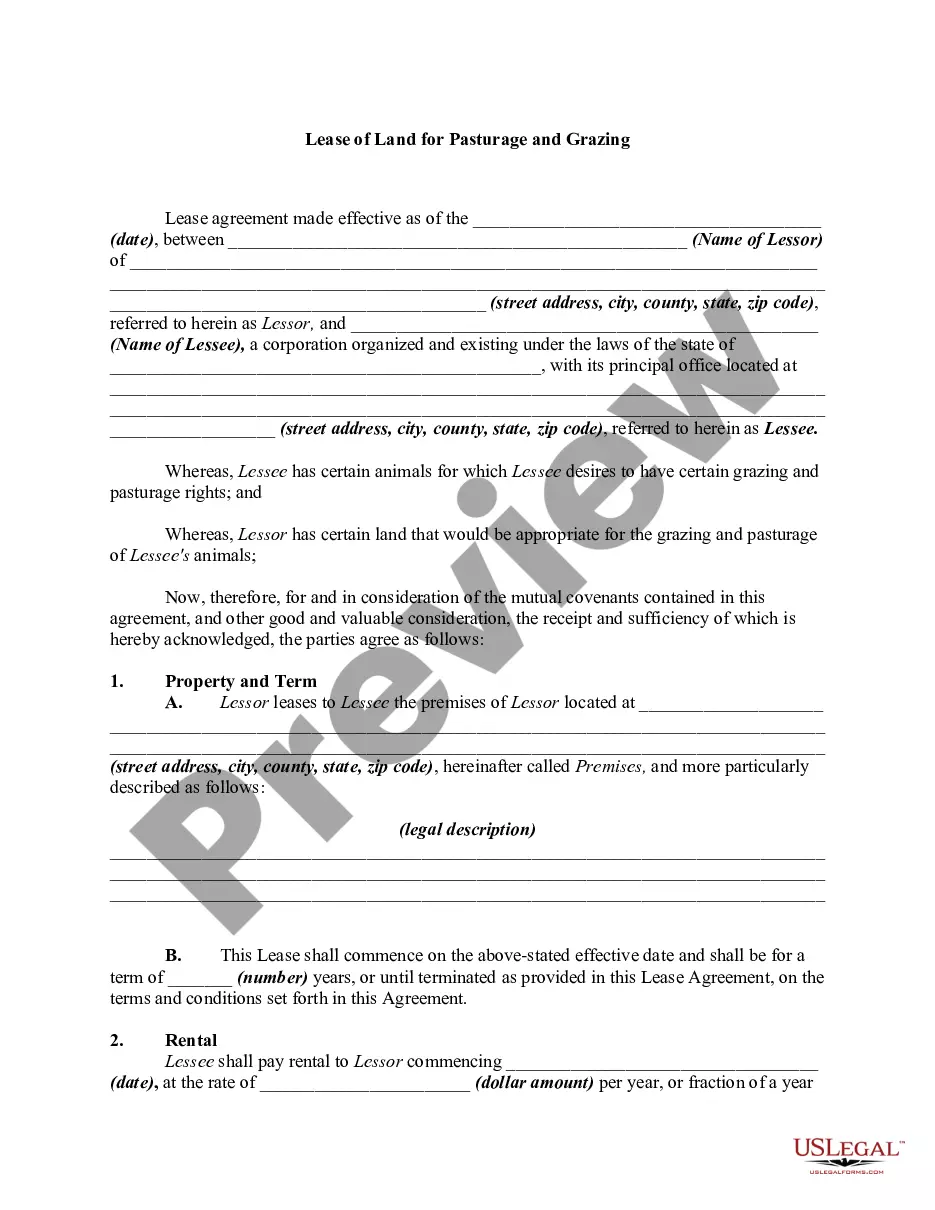
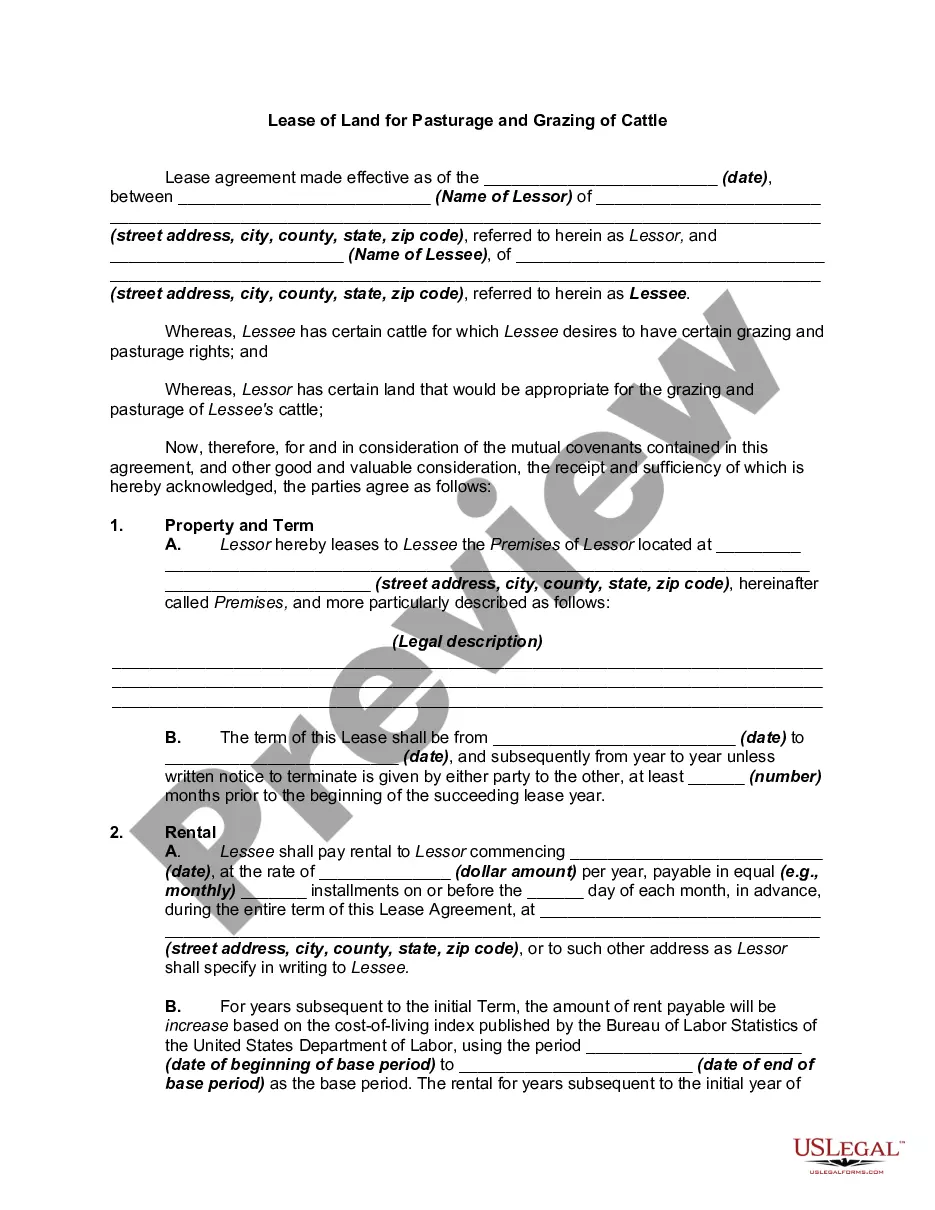
Lease License For Alterations In Texas
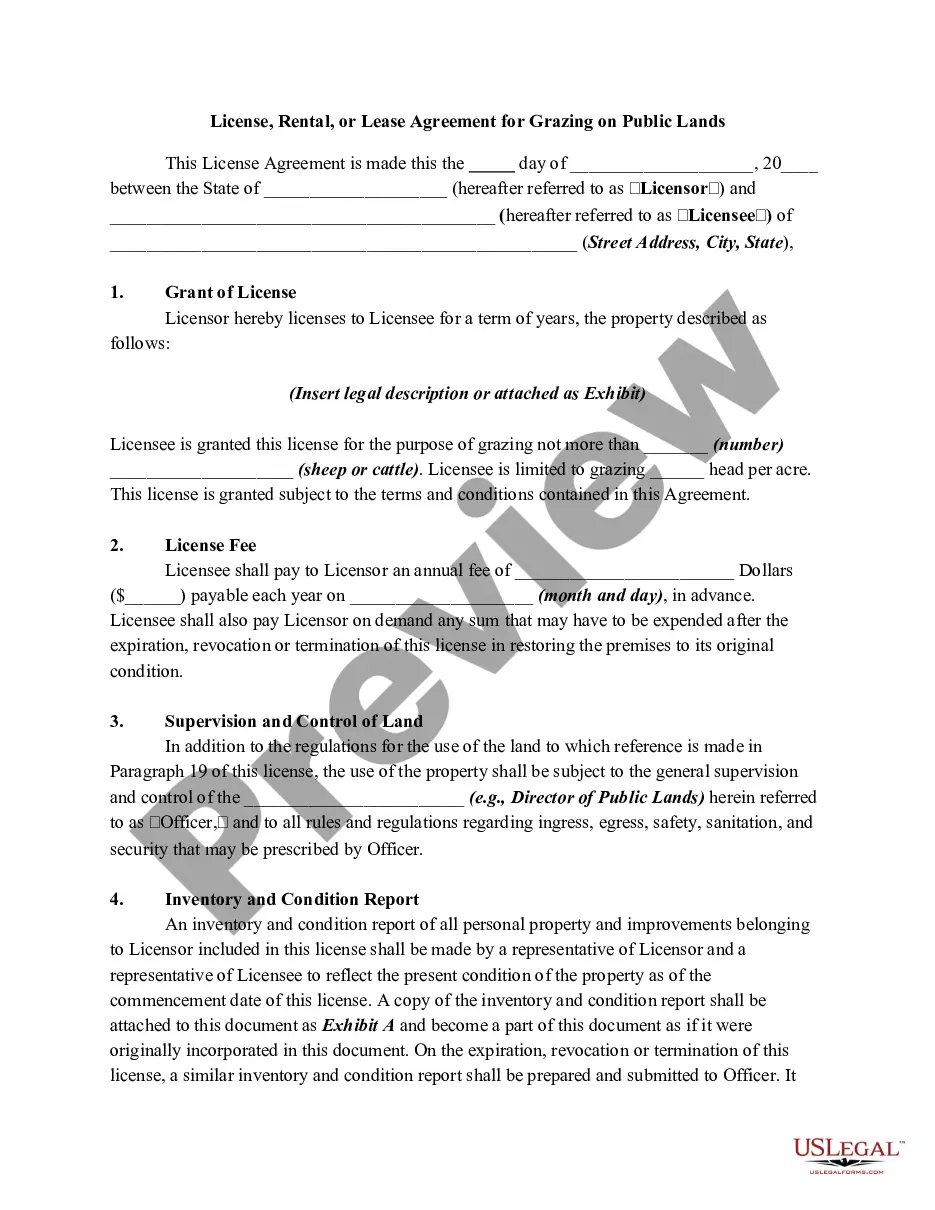
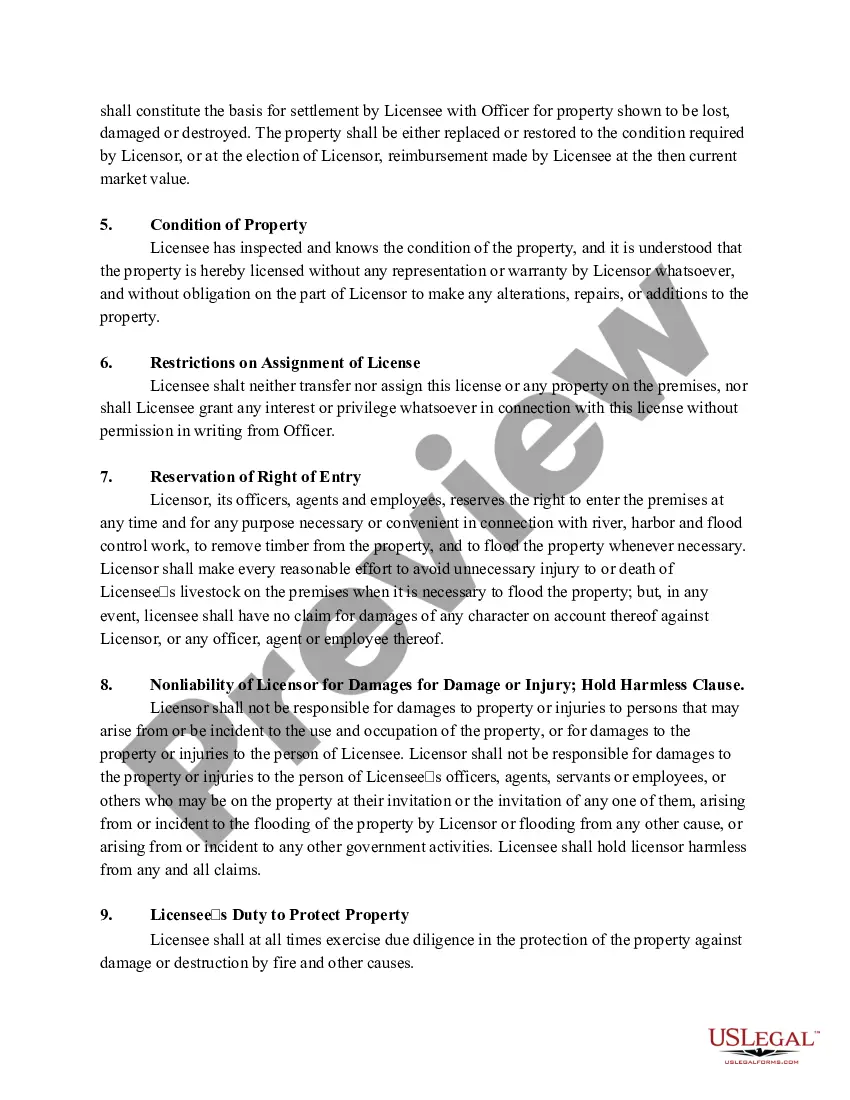
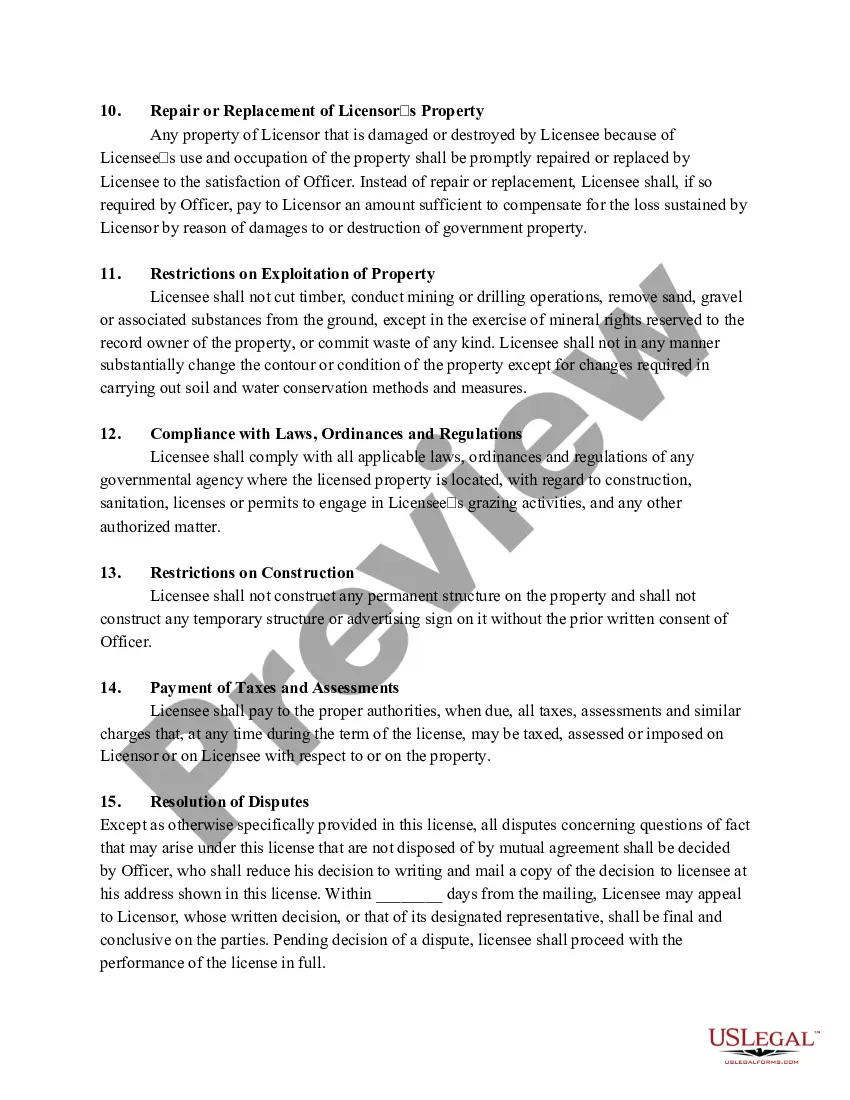
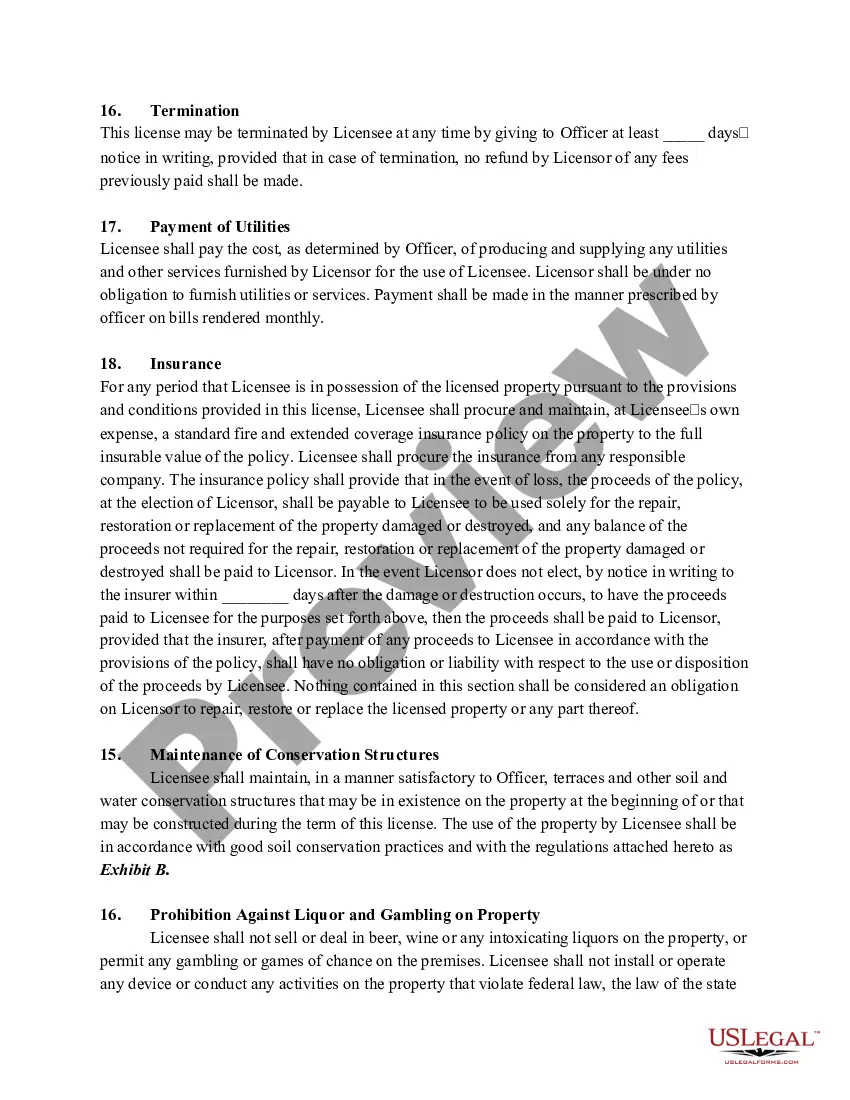
Description
Get your form ready online
Our built-in tools help you complete, sign, share, and store your documents in one place.
Make edits, fill in missing information, and update formatting in US Legal Forms—just like you would in MS Word.
Download a copy, print it, send it by email, or mail it via USPS—whatever works best for your next step.
Sign and collect signatures with our SignNow integration. Send to multiple recipients, set reminders, and more. Go Premium to unlock E-Sign.
If this form requires notarization, complete it online through a secure video call—no need to meet a notary in person or wait for an appointment.
We protect your documents and personal data by following strict security and privacy standards.

Make edits, fill in missing information, and update formatting in US Legal Forms—just like you would in MS Word.

Download a copy, print it, send it by email, or mail it via USPS—whatever works best for your next step.

Sign and collect signatures with our SignNow integration. Send to multiple recipients, set reminders, and more. Go Premium to unlock E-Sign.

If this form requires notarization, complete it online through a secure video call—no need to meet a notary in person or wait for an appointment.

We protect your documents and personal data by following strict security and privacy standards.
Looking for another form?







Form popularity
FAQ
The lessor license is required of a person who, under the terms of a lease agreement, leases or offers to lease a motor vehicle to another person. A lessor licensee does not need to have a lease facilitator license to facilitate leases for themselves.
At the bare minimum, a rental agreement or lease should identify the leased property, state the names of all parties to the lease, the names of all occupants, the beginning date, when the contract expires, the amount of rent, when rent is due, when rent is late, and what happens if the tenant stays in the property ...
It's a common misconception that a tenant can cancel a lease within 3 days of signing. Our librarians have not found any Texas laws that set out an automatic grace period for canceling a lease agreement. Generally, a tenant would be bound by the terms of the lease agreement once it is signed.
Texas law gives the landlord or the tenant the explicit right to end a lease early in a few specific circumstances: Military Service. Family Violence. Sexual Offenses or Stalking Victims. Tenant's Death. Landlord's Failure to Repair. Landlord's Failure to , Inspect, or Repair a Smoke Alarm.
It must be written in strict adherence to property laws of the state where the property is located. Failing to do so can either render the lease invalid or unable to protect the landlord's property and interests from potential problem tenants.
During the lease term, neither you nor the landlord can change any part of it without the other party giving consent. Some leases may give the landlord the right to change certain terms, but this is rare. Consent can be given orally, in writing or by the actions of the other party.
Mutual Assent: A "Meeting of the Minds" of Offer & Acceptance. A legally recognized offer and an acceptance create a "meeting of the minds", or mutual assent, between the parties. The law requires the parties to a contract to demonstrate mutual assent to the contracts' terms.
In the state of Texas, getting a landlord license is not required. However, many of the local jurisdictions may require a license, so it is best to check first.
In the state of Texas, getting a landlord license is not required. However, many of the local jurisdictions may require a license, so it is best to check first.
