Tenancy Agreement For Rental In Tarrant
Description
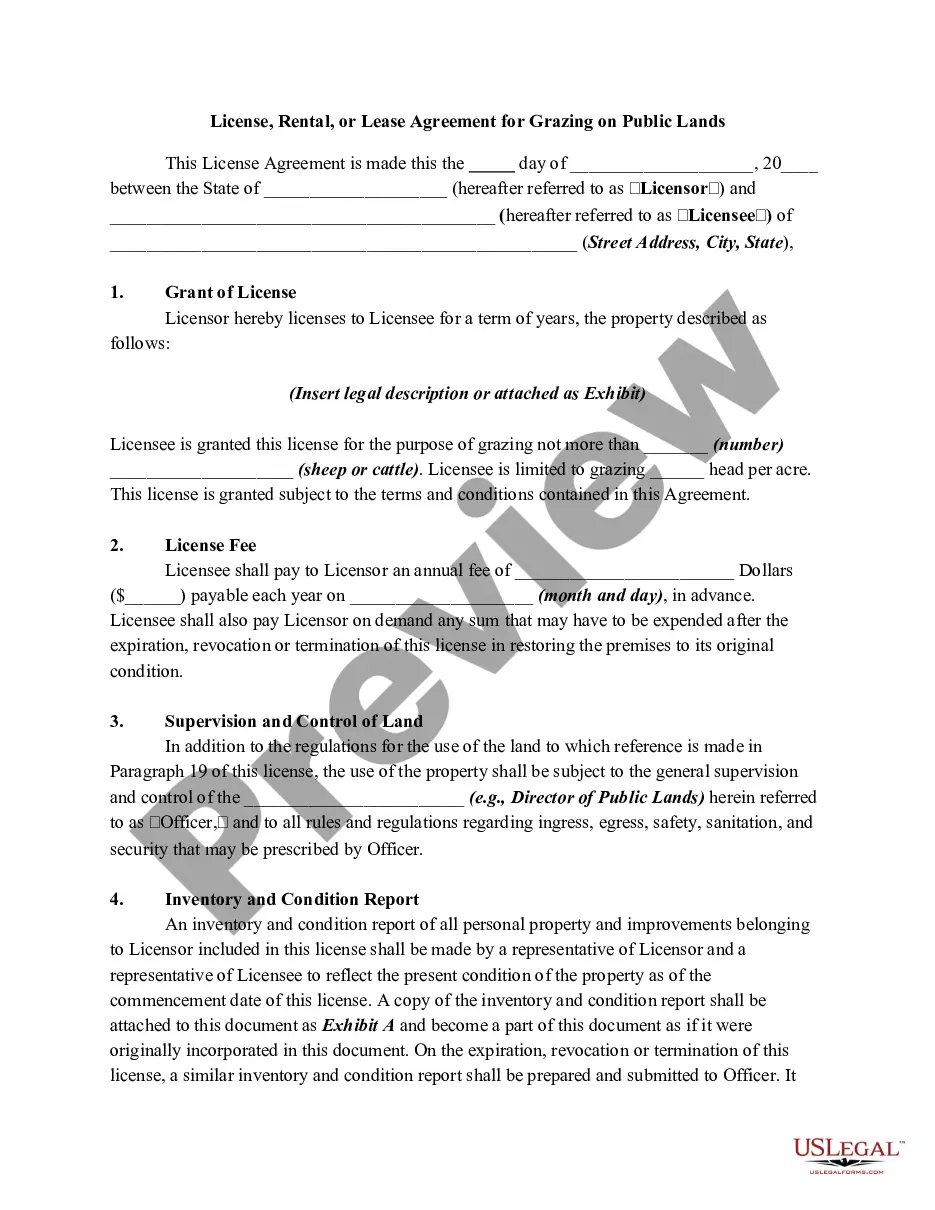
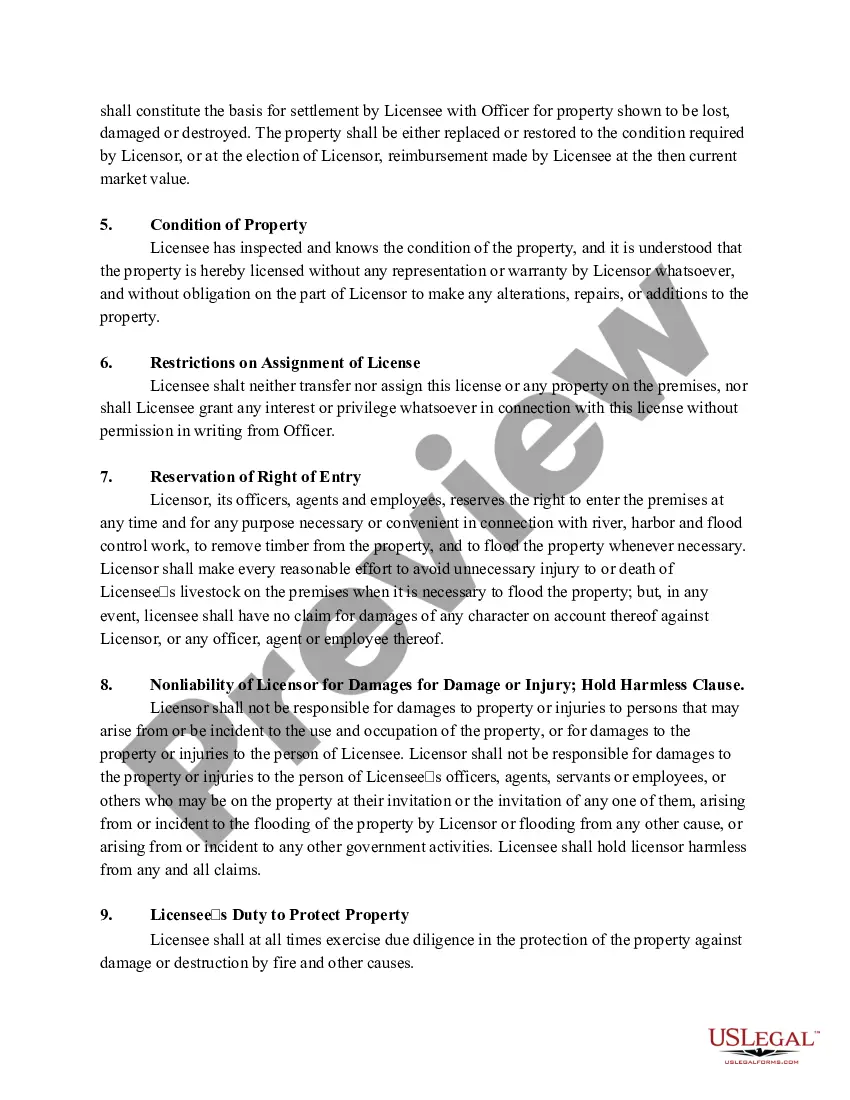
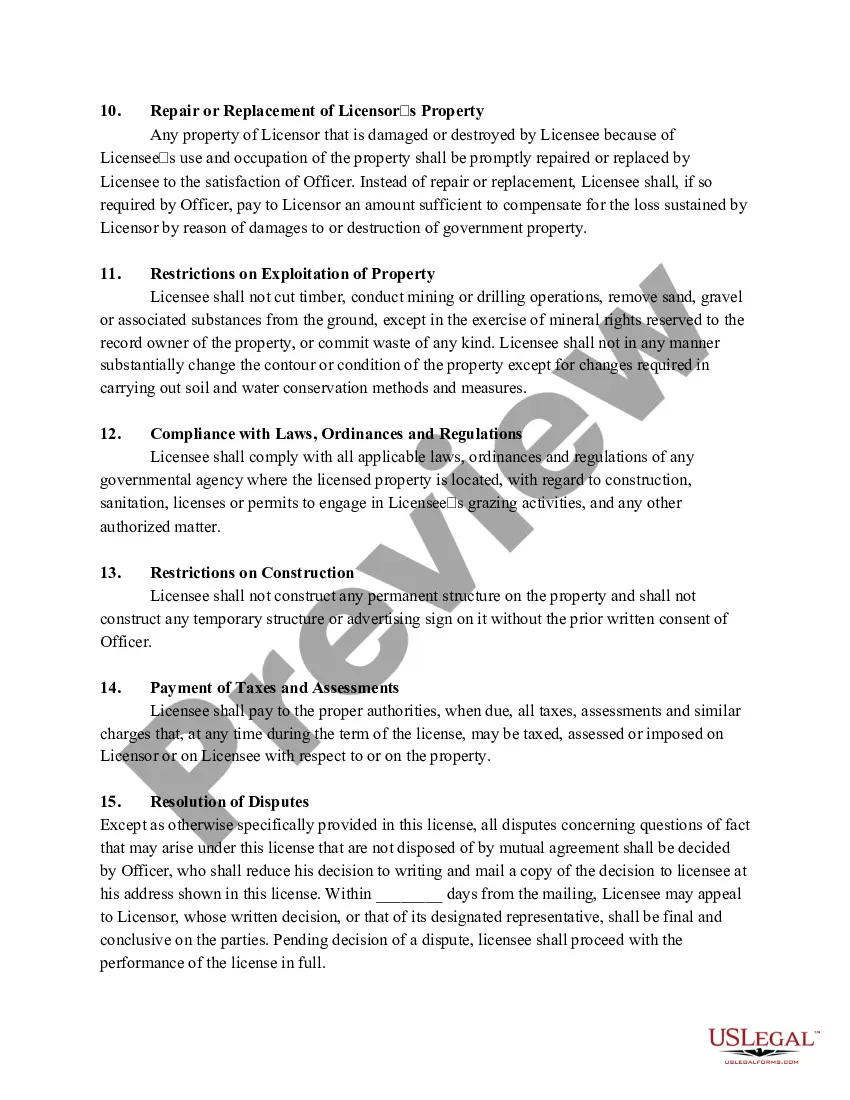
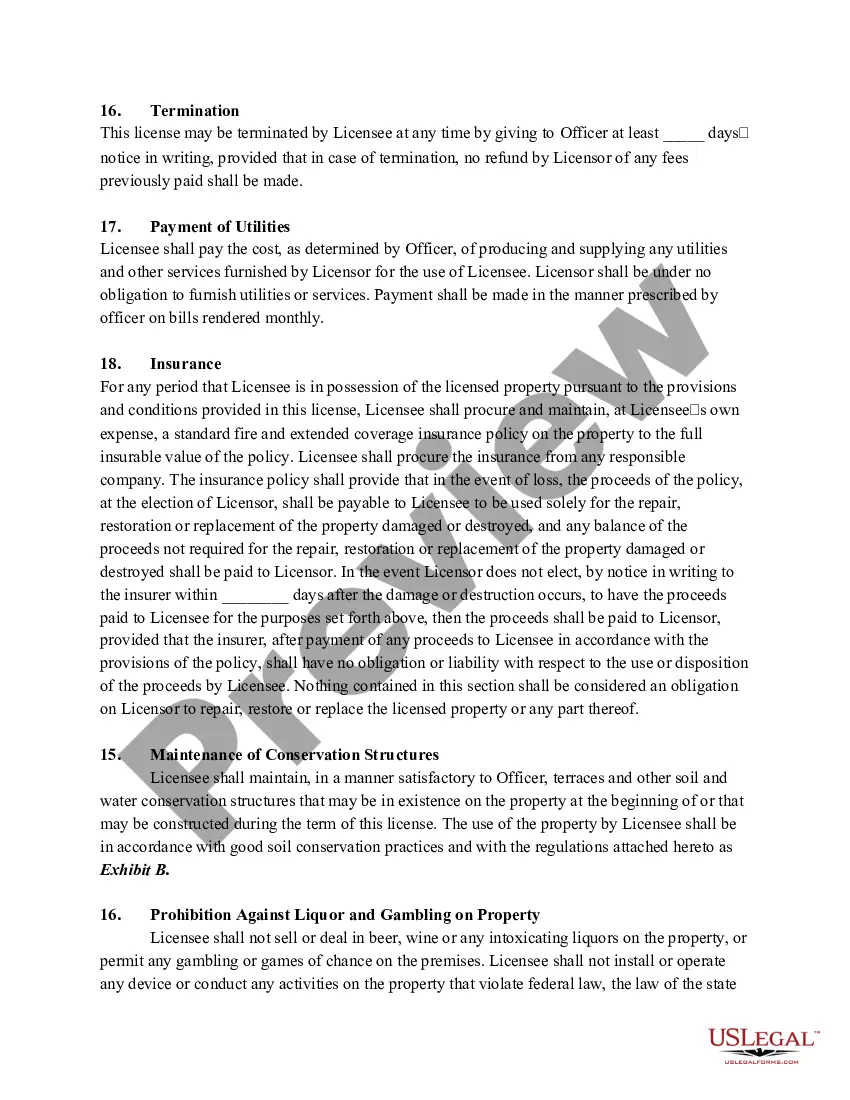
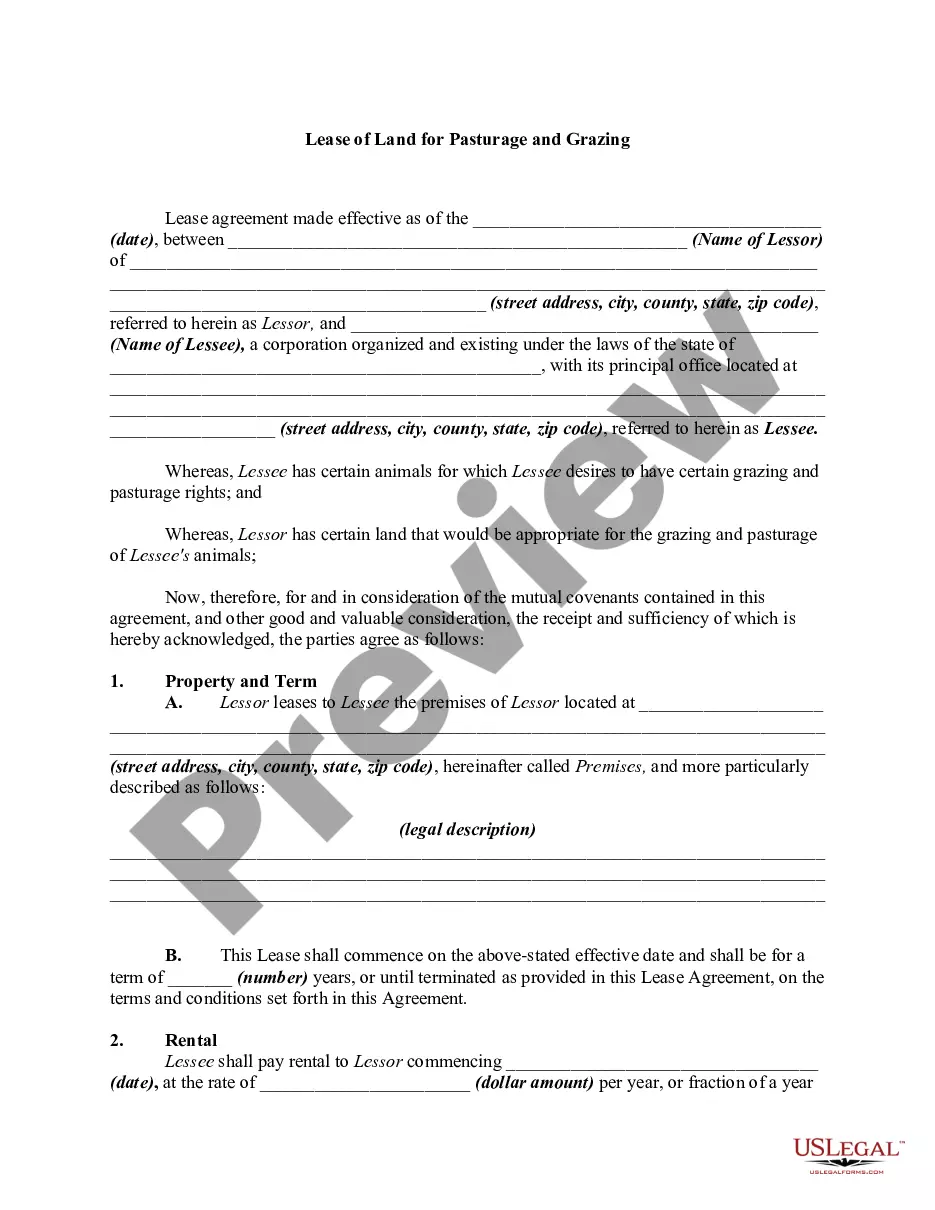
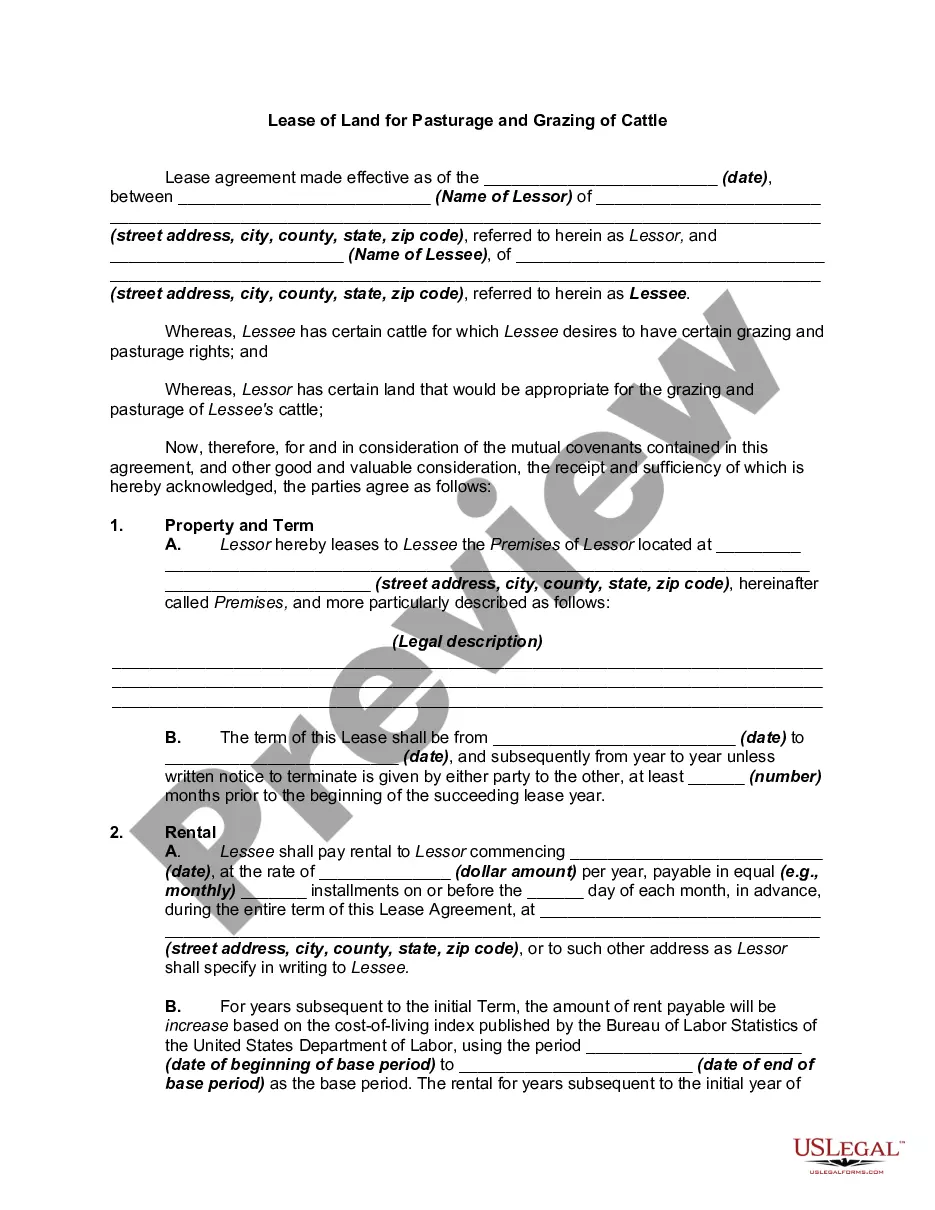
Get your form ready online
Our built-in tools help you complete, sign, share, and store your documents in one place.
Make edits, fill in missing information, and update formatting in US Legal Forms—just like you would in MS Word.
Download a copy, print it, send it by email, or mail it via USPS—whatever works best for your next step.
Sign and collect signatures with our SignNow integration. Send to multiple recipients, set reminders, and more. Go Premium to unlock E-Sign.
If this form requires notarization, complete it online through a secure video call—no need to meet a notary in person or wait for an appointment.
We protect your documents and personal data by following strict security and privacy standards.

Make edits, fill in missing information, and update formatting in US Legal Forms—just like you would in MS Word.

Download a copy, print it, send it by email, or mail it via USPS—whatever works best for your next step.

Sign and collect signatures with our SignNow integration. Send to multiple recipients, set reminders, and more. Go Premium to unlock E-Sign.

If this form requires notarization, complete it online through a secure video call—no need to meet a notary in person or wait for an appointment.

We protect your documents and personal data by following strict security and privacy standards.
Looking for another form?





Form popularity
FAQ
Tenancy in common is a type of ownership where two or more people own the property, but their share of ownership is not equal. For example, one person might own 50 percent of the property while two other people each own 25 percent. This division of ownership does not refer to the use or enjoyment of the property.
There is no express time frame but typically if they are permanently on premises beyond a week or two they can claim rights. As far as them leaving, yes, if they refuse to leave on their own, you would need to obtain a court ordered eviction.
It must be written in strict adherence to property laws of the state where the property is located. Failing to do so can either render the lease invalid or unable to protect the landlord's property and interests from potential problem tenants.
If your name nor signature is nowhere on the lease or you live with the owner of the property, yes they can ask you to leave. No 'eviction' is needed if you never had a contract. If you don't go they can have you warned off the property and can file a violation for trespassing if you come back.
State-Specific Laws and Practices Some states have exceptions for minors or individuals under the age of eighteen. Some states allow one person to sign the lease and then bring in unrelated roommates who do not sign the lease. Other states, like California and Texas, require all adult tenants to sign the lease.
How to write a Texas lease agreement Begin by including the names and contact information of both the landlord and tenant. Describe the rental property, including its address and any unique features. Specify the lease term, including the move-in and move-out dates.
You give him a written notice to move, allowing him one month as required by Texas law and specifying the date on which his tenancy will end. If he refuses to leave after that month, your recourse would be to file for an eviction in court.
The right to a fair eviction process Even in the absence of a written lease, a tenant at will is entitled to a fair and formal eviction process. This protection makes sure that landlords follow proper legal procedures.
At the bare minimum, a rental agreement or lease should identify the leased property, state the names of all parties to the lease, the names of all occupants, the beginning date, when the contract expires, the amount of rent, when rent is due, when rent is late, and what happens if the tenant stays in the property ...
Because leases in Texas do not have to be written, a spoken agreement allowing someone to stay at a house may constitute a lease. This would give the person some protections as a tenant. Attorneys typically recommend that the safest way to remove a guest who doesn't have a lease is through the formal eviction process.
