License_lease In Qlikview In Riverside
Description

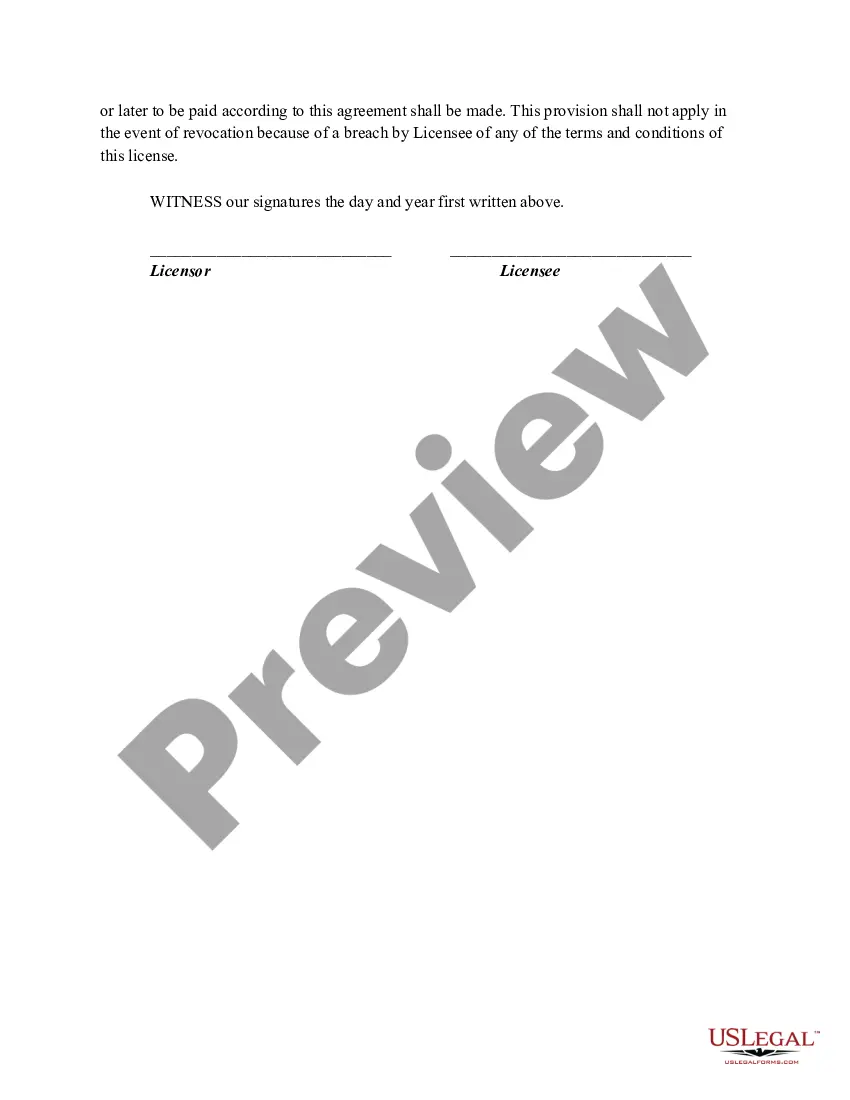

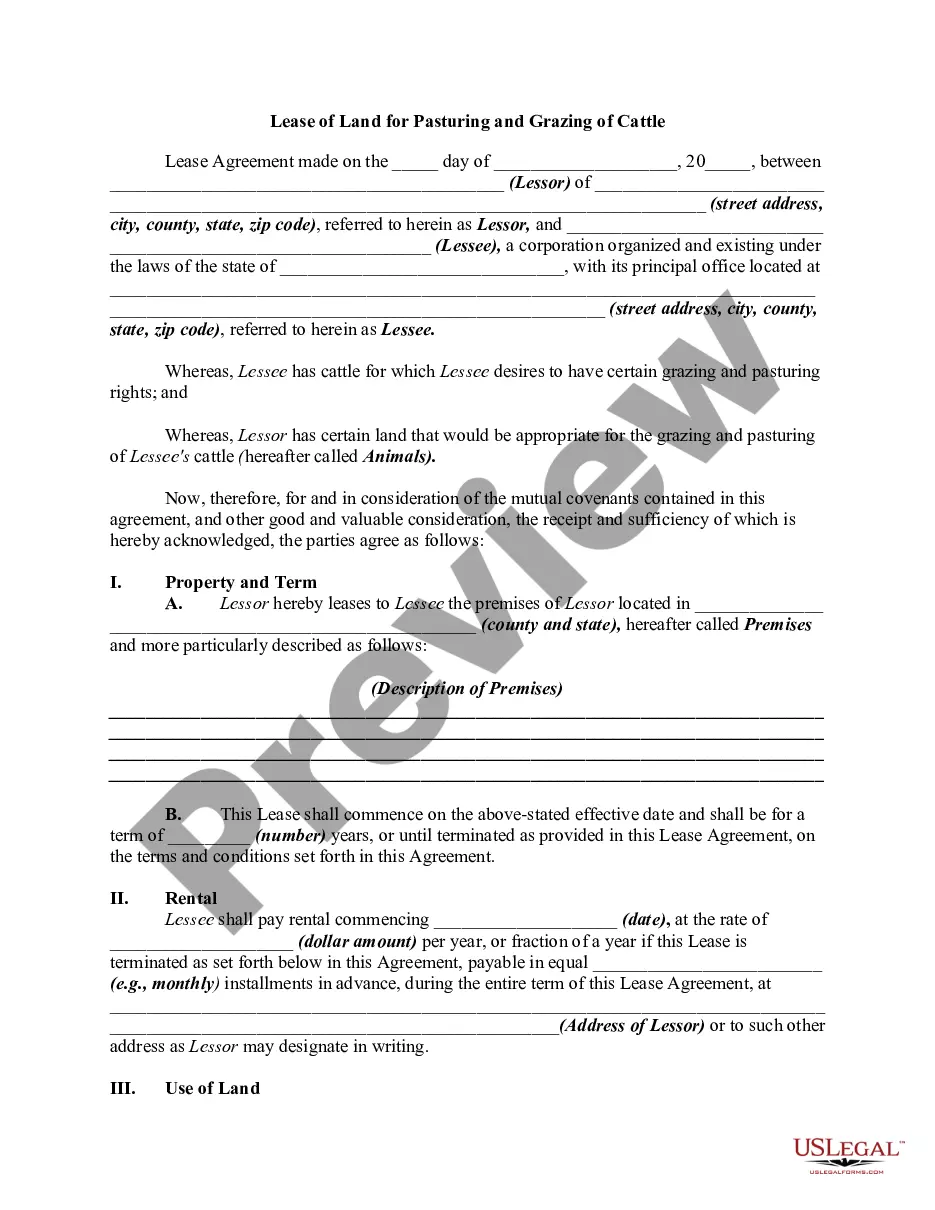
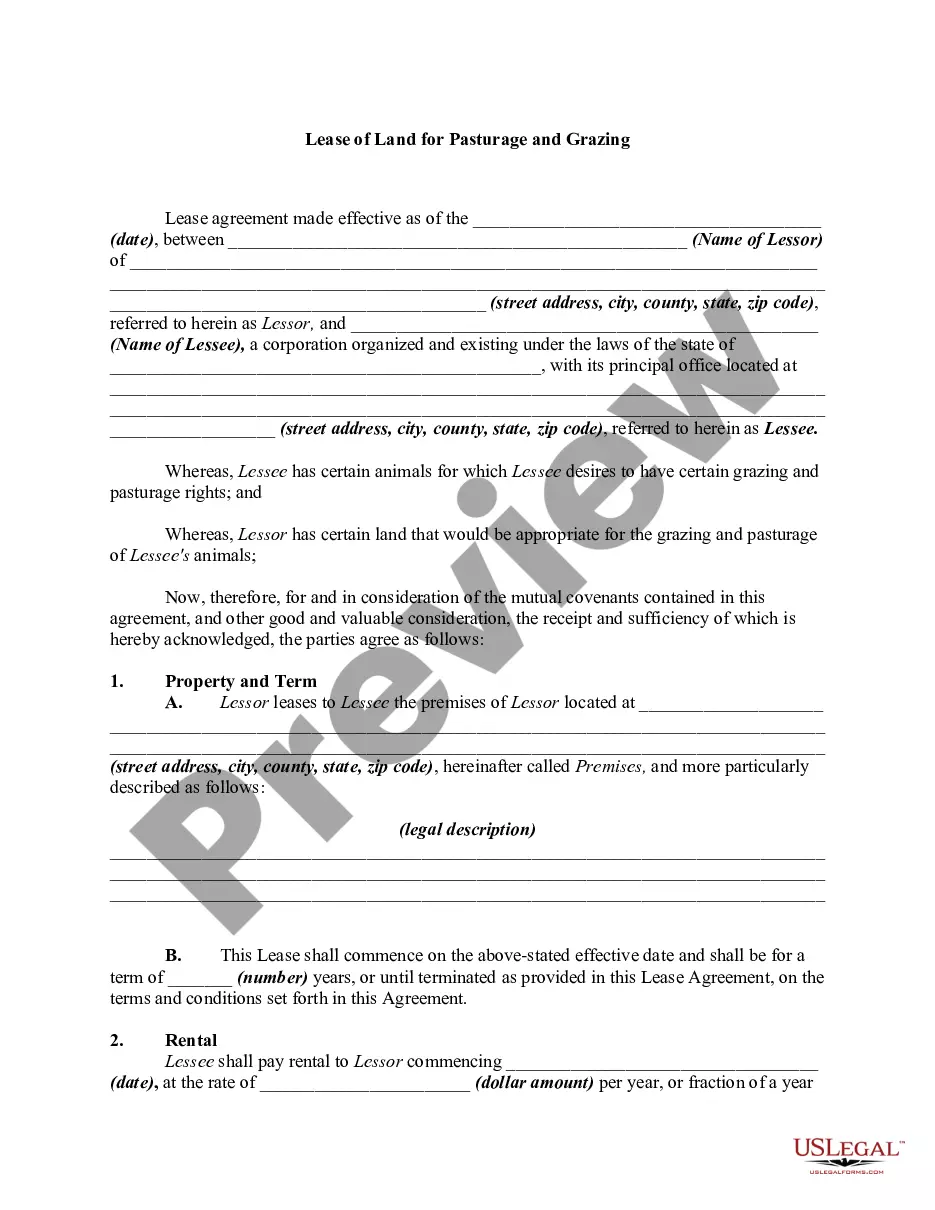
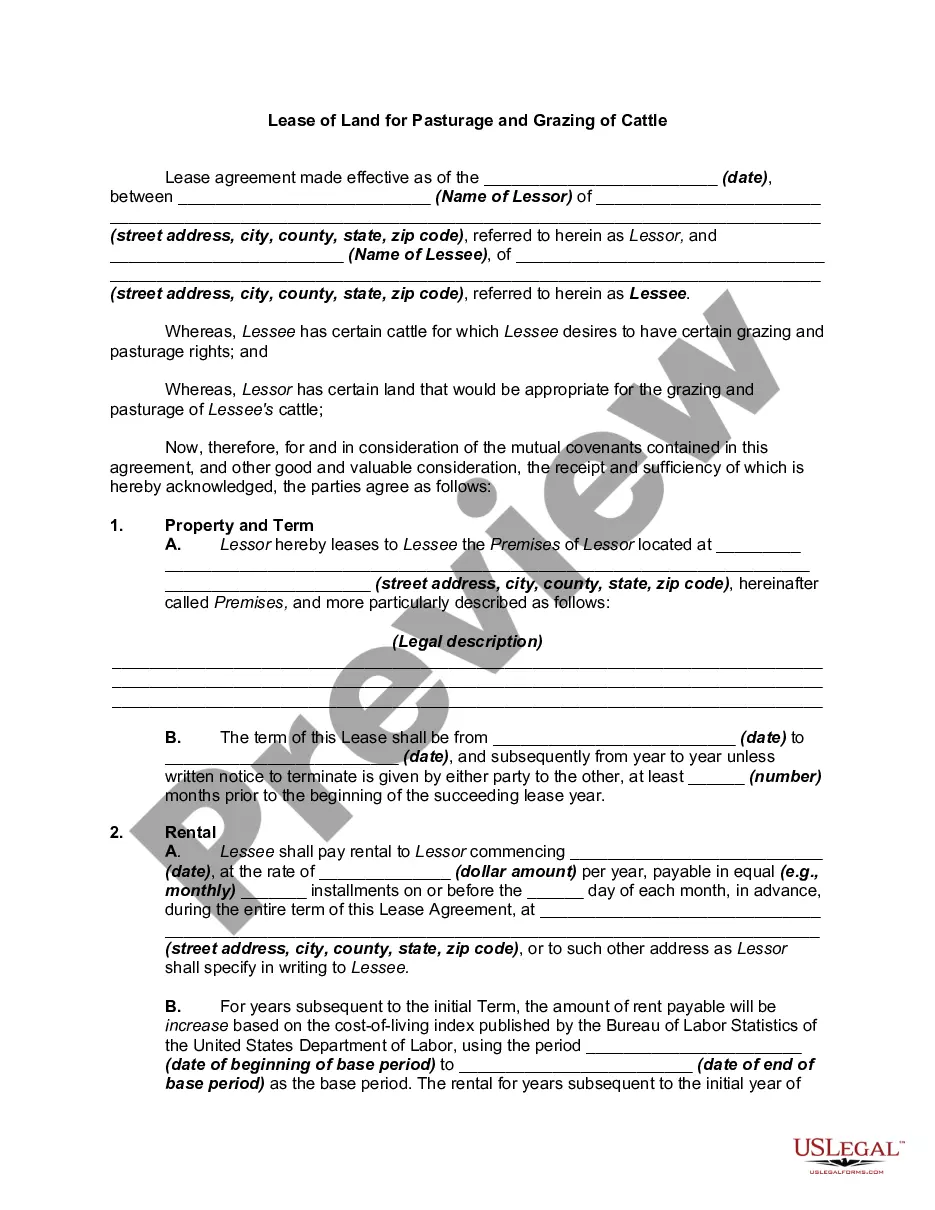
Get your form ready online
Our built-in tools help you complete, sign, share, and store your documents in one place.
Make edits, fill in missing information, and update formatting in US Legal Forms—just like you would in MS Word.
Download a copy, print it, send it by email, or mail it via USPS—whatever works best for your next step.
Sign and collect signatures with our SignNow integration. Send to multiple recipients, set reminders, and more. Go Premium to unlock E-Sign.
If this form requires notarization, complete it online through a secure video call—no need to meet a notary in person or wait for an appointment.
We protect your documents and personal data by following strict security and privacy standards.

Make edits, fill in missing information, and update formatting in US Legal Forms—just like you would in MS Word.

Download a copy, print it, send it by email, or mail it via USPS—whatever works best for your next step.

Sign and collect signatures with our SignNow integration. Send to multiple recipients, set reminders, and more. Go Premium to unlock E-Sign.

If this form requires notarization, complete it online through a secure video call—no need to meet a notary in person or wait for an appointment.

We protect your documents and personal data by following strict security and privacy standards.
Looking for another form?








Form popularity
FAQ
To activate the product license, you must connect to the Qlik License Backend Server over the internet. In some cases, you may not have immediate access to the internet and require offline license activation. Depending on your license, offline licensing or temporary product activation is possible.
On the QlikView Licenses tab, you can activate, update, and consult the details of your QlikView Server (QVS) product license. The available options change based on what license you choose to activate: a license that requires serial and control number, or a license that requires a signed key.
All settings for QlikView are saved in a file (instead of being written to the registry). The file, Settings. ini, is located in C:\AppData\Roaming\QlikTech\QlikView. In the same file you will find settings for QlikView OCX.
In QlikView Server, user-based licenses are either Professional and Analyzer Users licenses, or Client Access Licenses (CALs). A capacity-based license grants a predefined number of time allocations for accessing QlikView that can be used by identified or anonymous users.
Find the QlikView executable file, typically located in C:\Program Files\QlikView\Qv.exe. Right-click on the file while holding down Shift and Ctrl, and select Run as Different User. Insert the credentials of the Windows user dedicated to the Qlik NPrinting service and check that QlikView Desktop is activated.
2. QlikView license update process Step 2: Log in to QlikView Server and Open QMC using following path. Step 3: Go to System tab and Under License tab, go to QlikView Server. Step 4: Under QlikView license tab paste the LEF generated in step 1 and fill the remaining fields and Apply License.
Find the QlikView executable file, typically located in C:\Program Files\QlikView\Qv.exe. Right-click on the file while holding down Shift and Ctrl, and select Run as Different User. Insert the credentials of the Windows user dedicated to the Qlik NPrinting service and check that QlikView Desktop is activated.
QlikView is better suited for complex and large datasets, while Tableau excels in creating customized and mobile-friendly visualizations. However, both tools offer powerful data analytics capabilities and can help organizations make informed decisions based on their data.
You can see the details of your license in the License Definition, located in the QlikView Management Console. See: QlikView Server License. Professional and Analyzer access (user-based) are allocated to users just as in Qlik Sense. The License Definition determines the distribution of the two access types.
