Lease Without License In Oakland
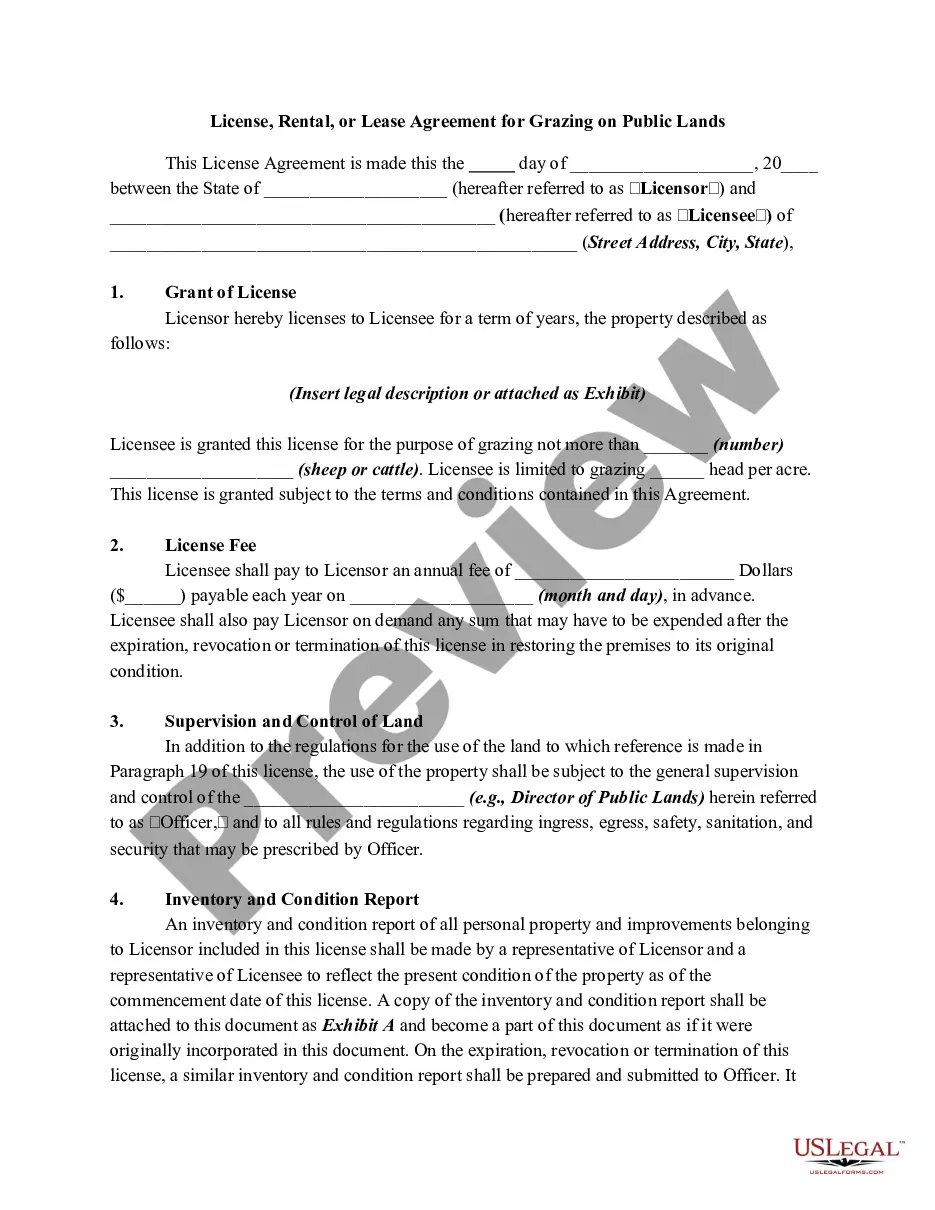
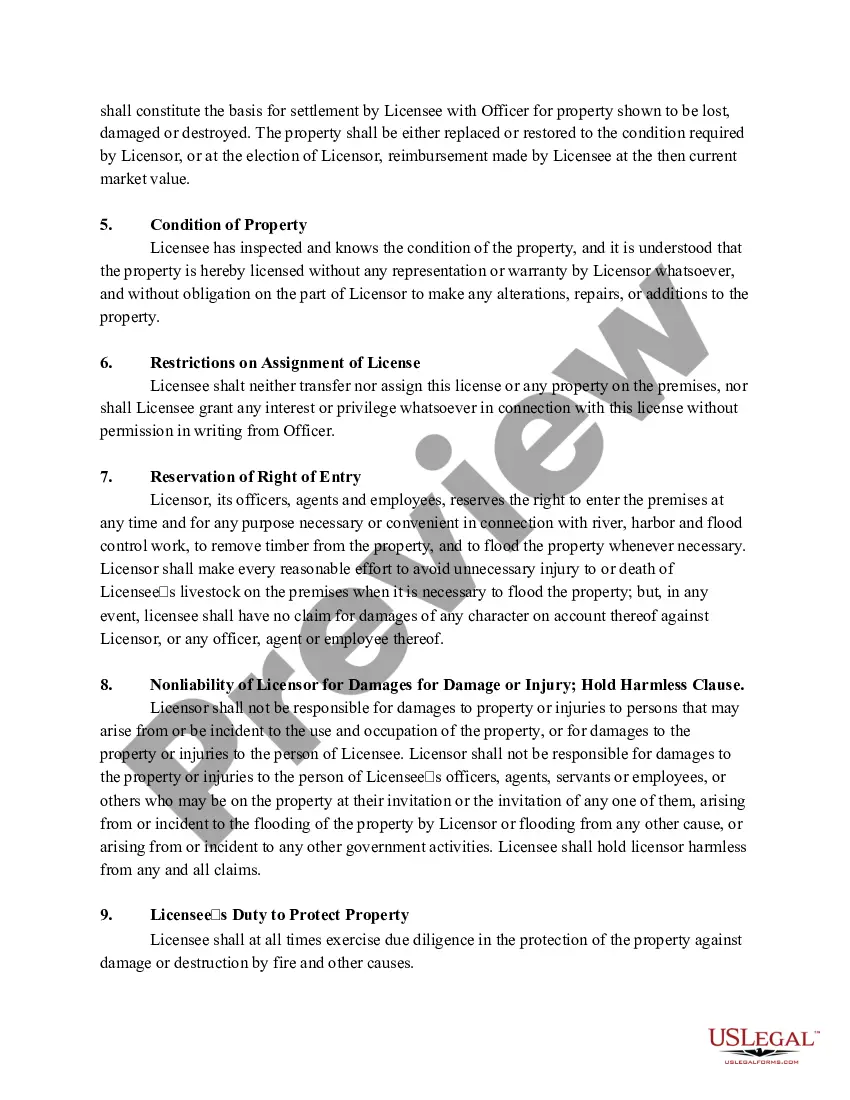
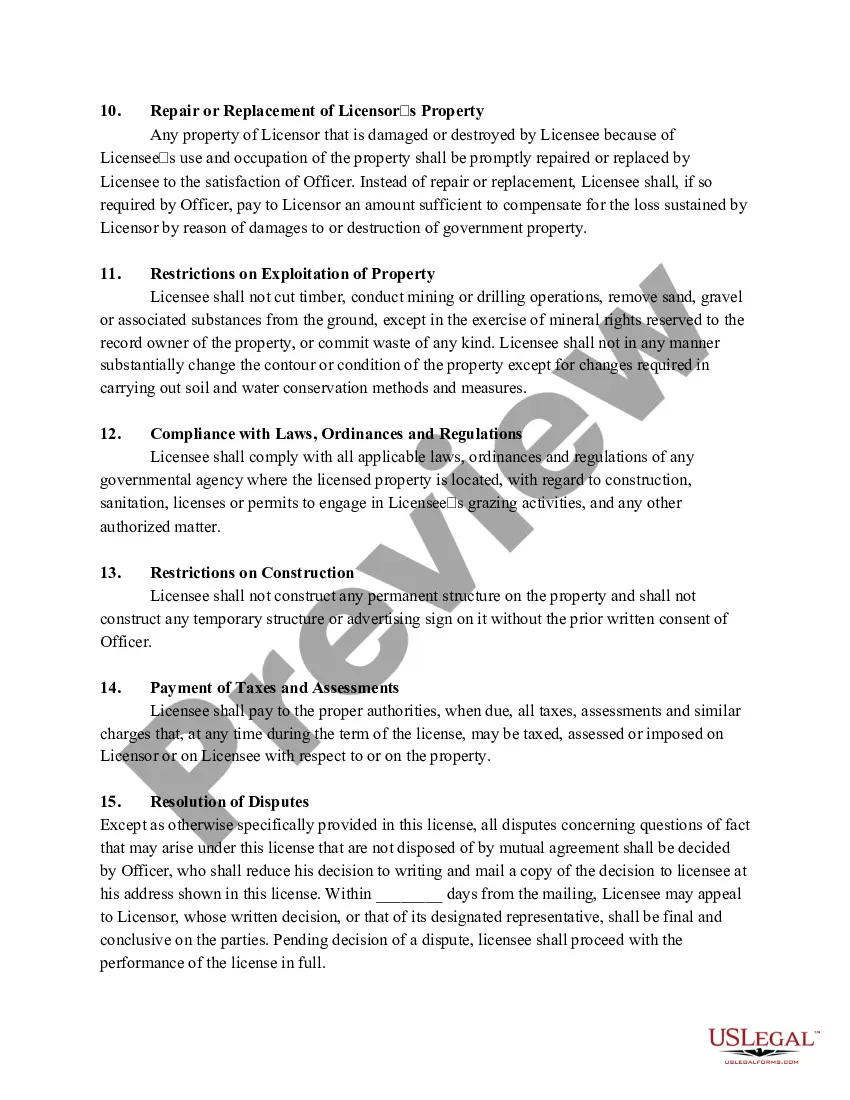
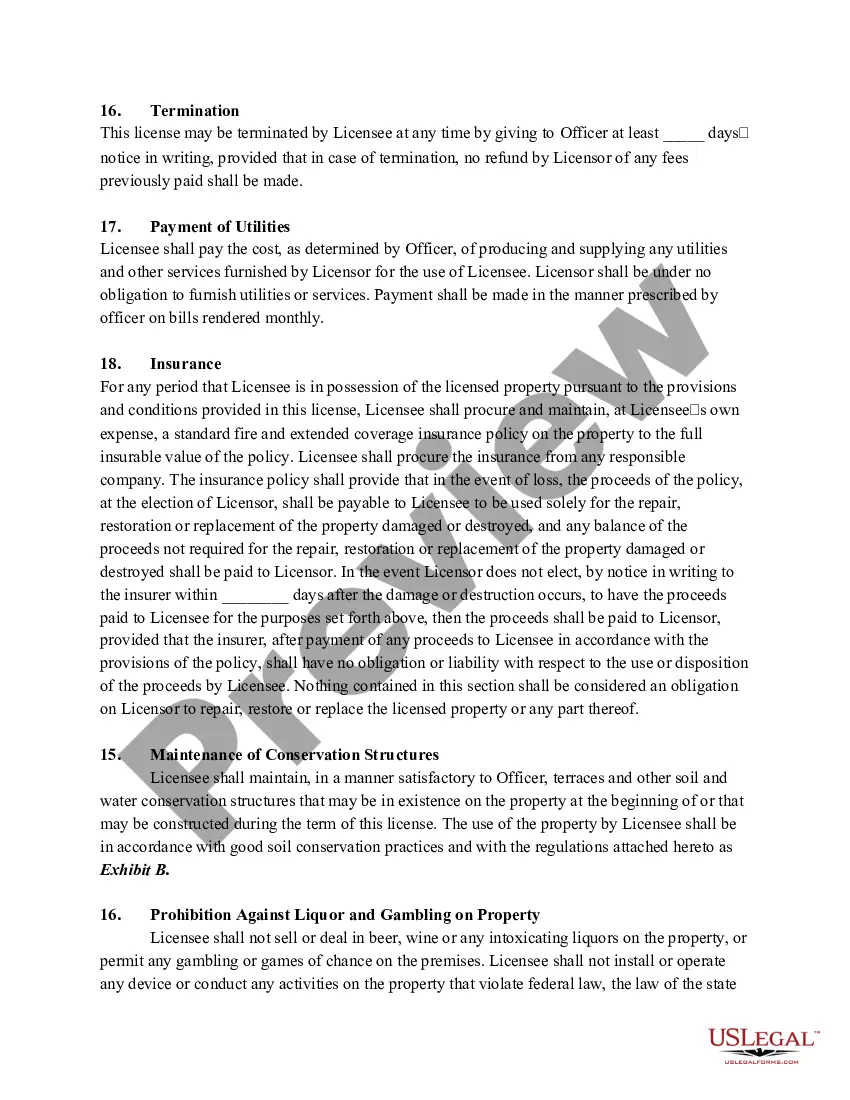
Description
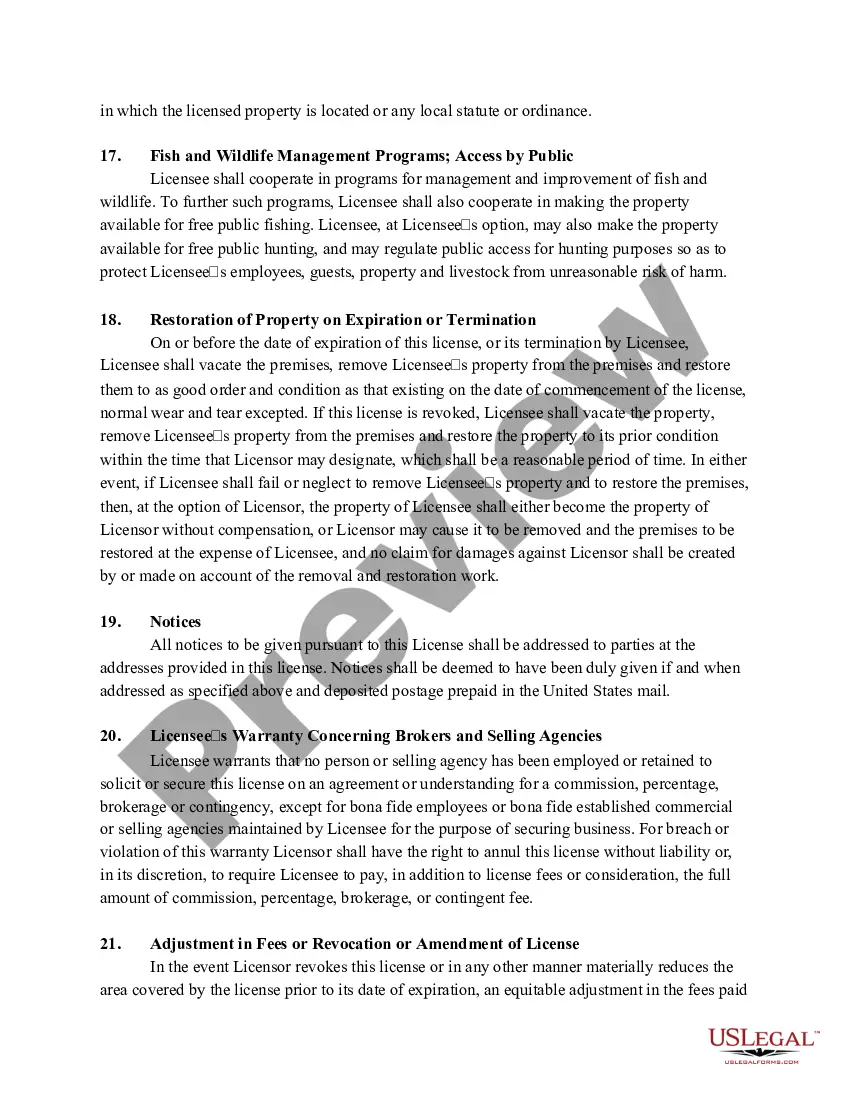
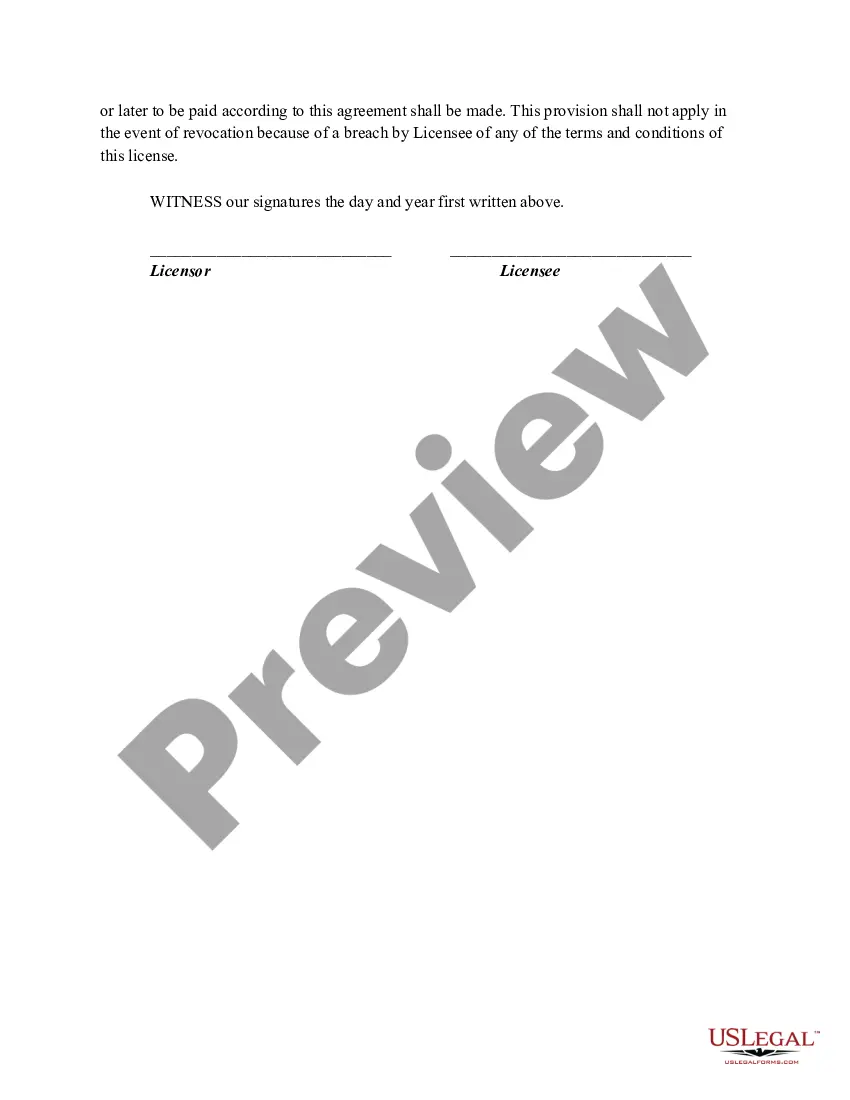
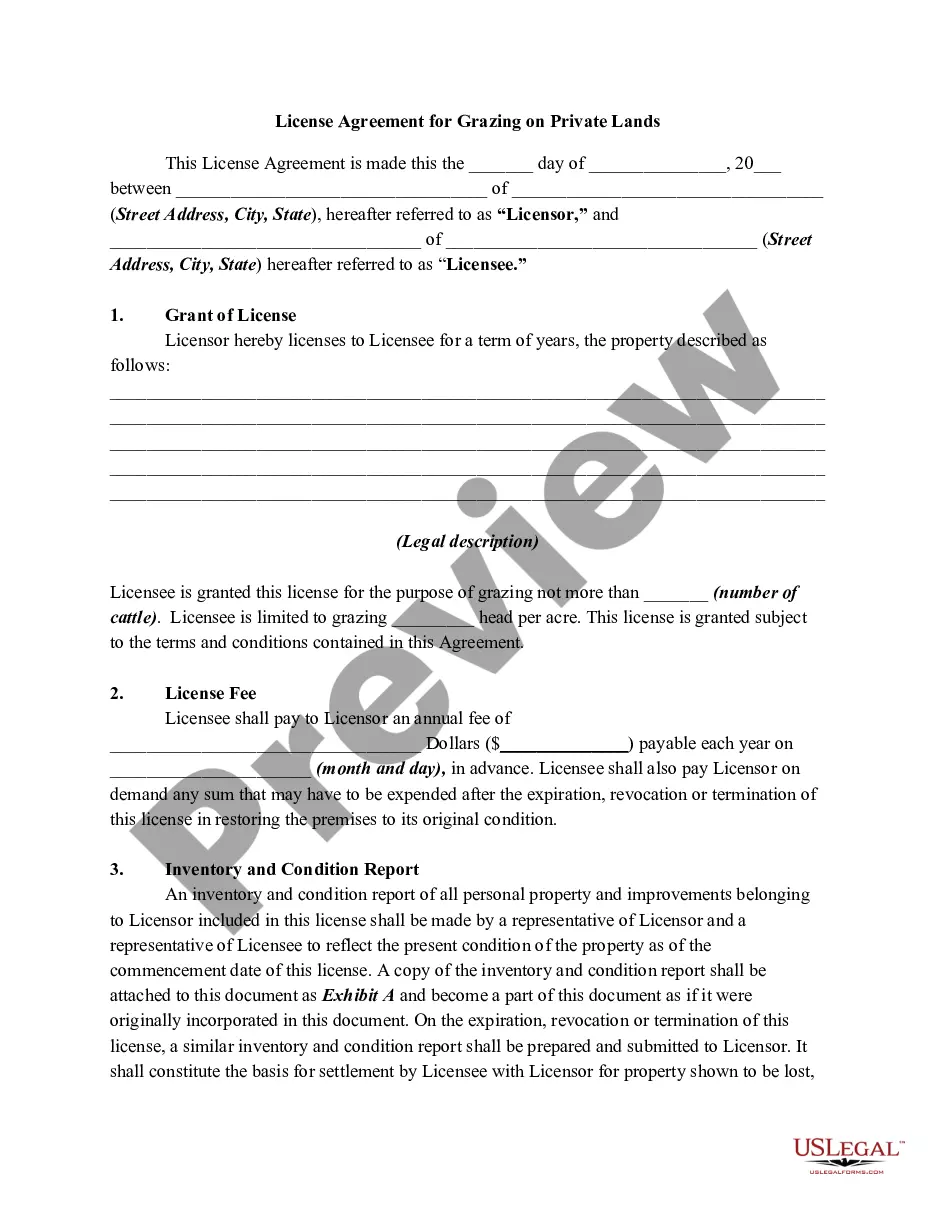
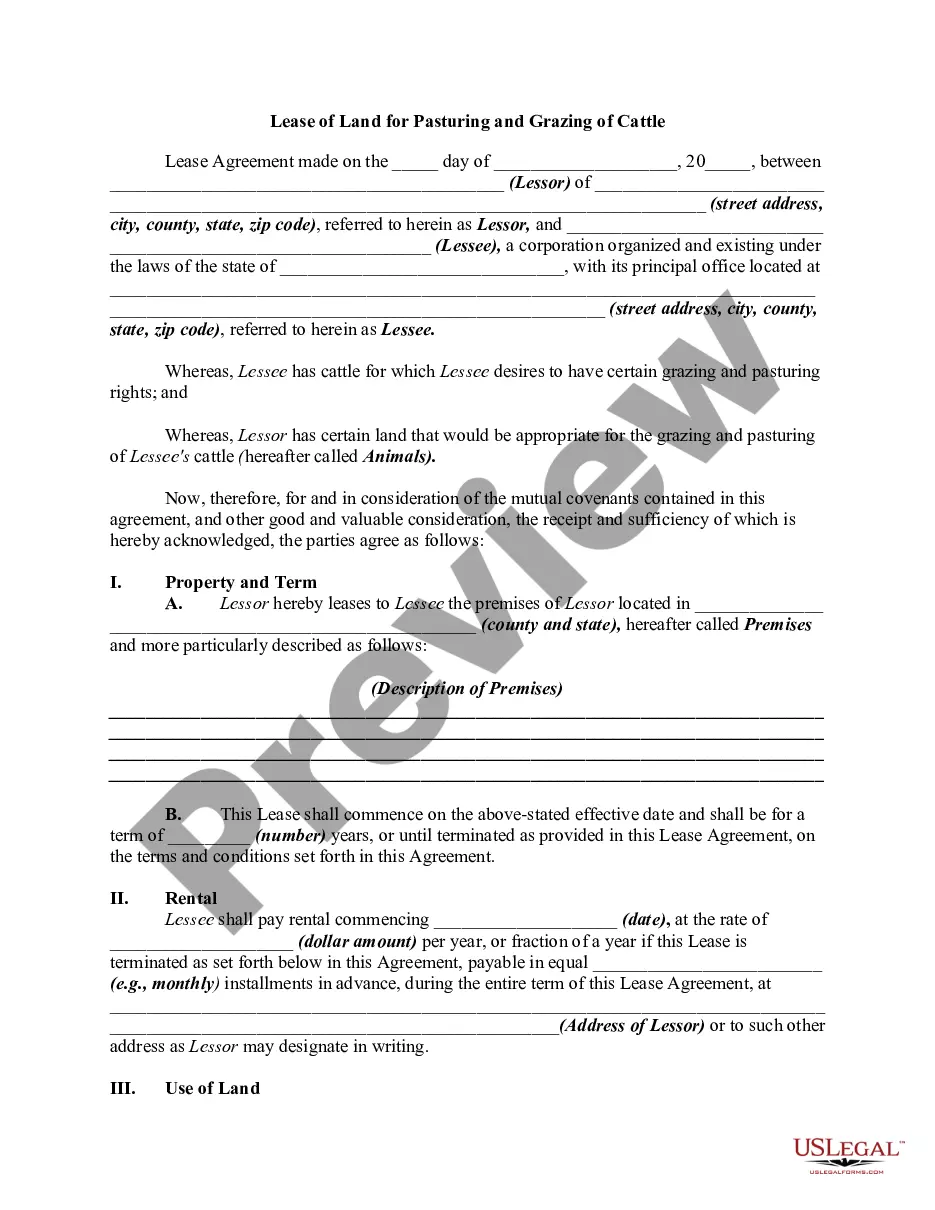
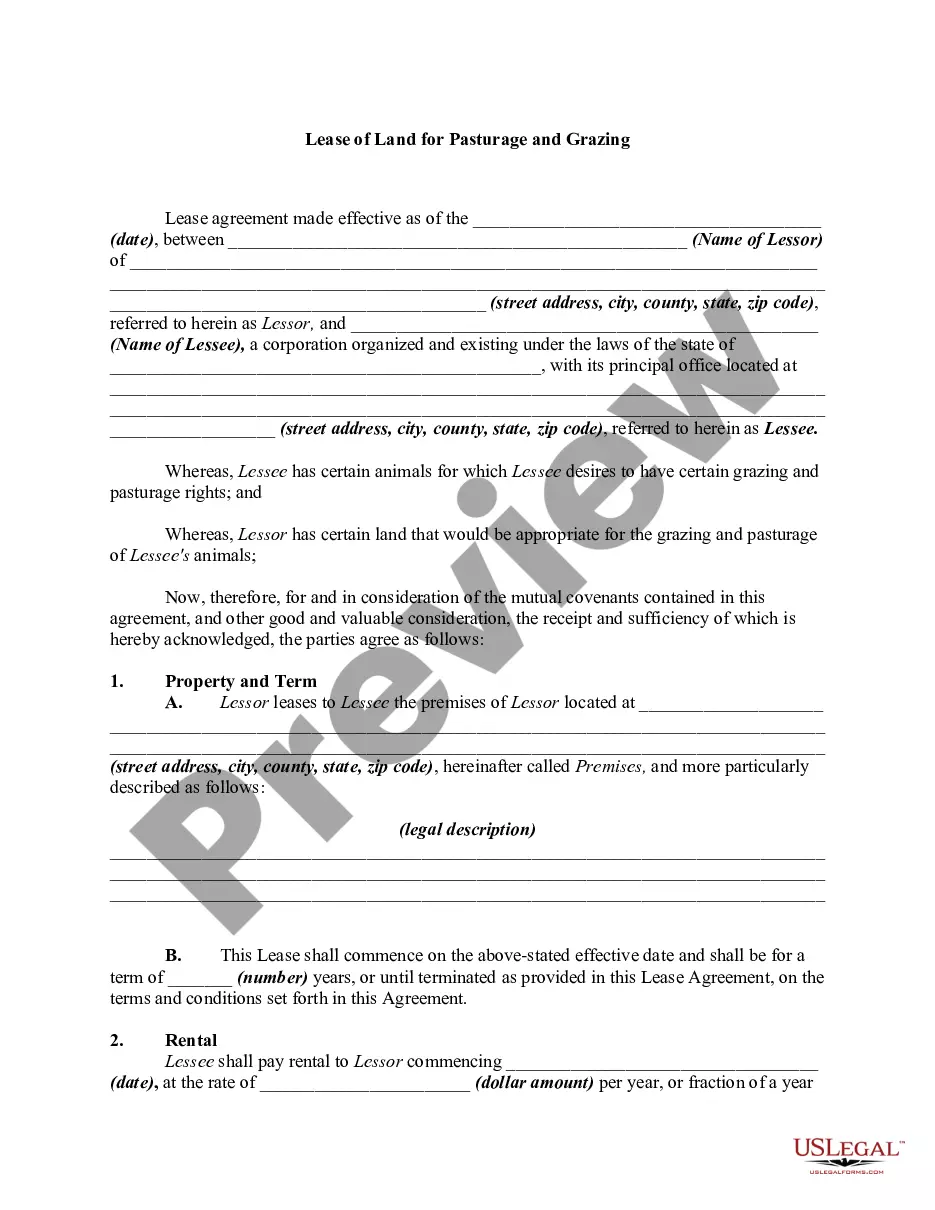
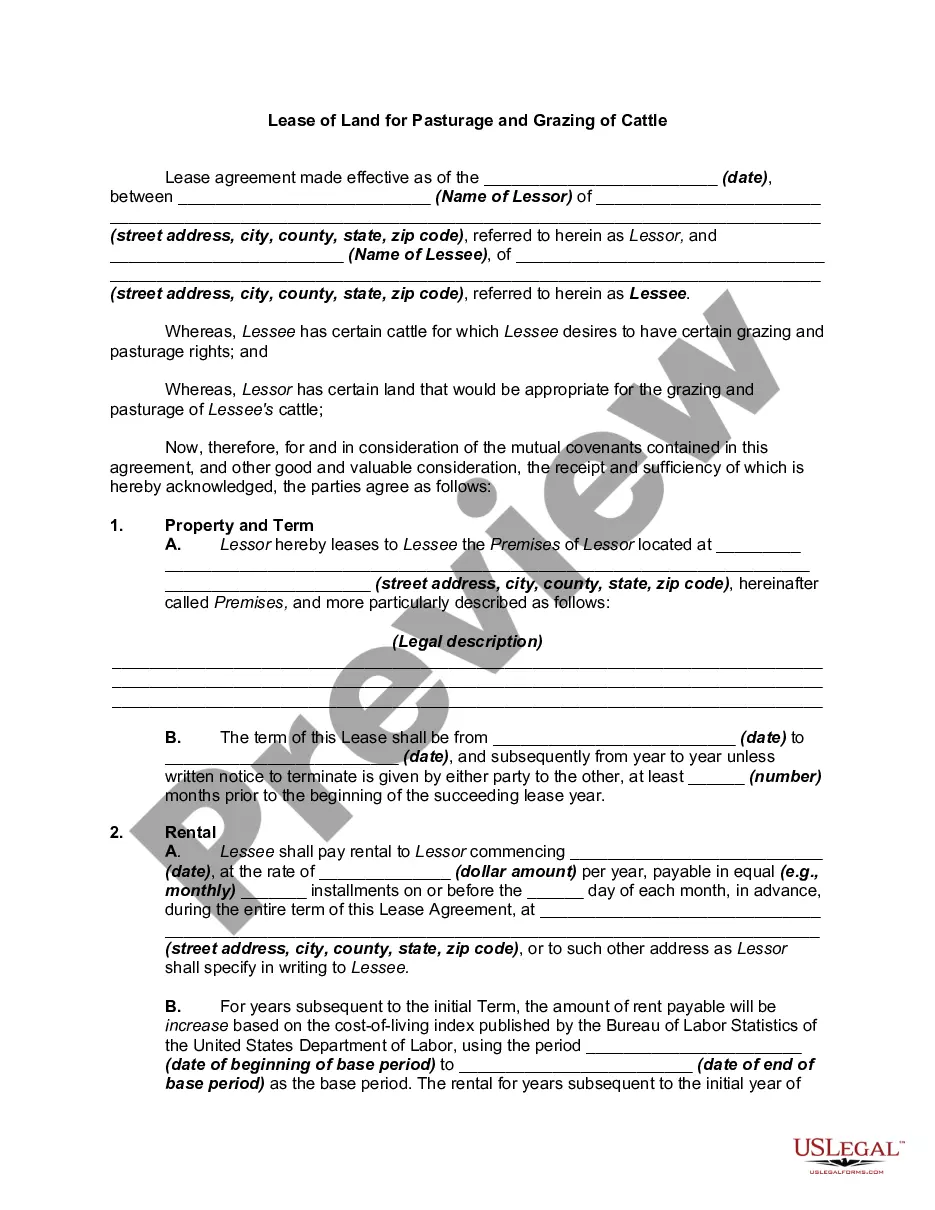
Get your form ready online
Our built-in tools help you complete, sign, share, and store your documents in one place.
Make edits, fill in missing information, and update formatting in US Legal Forms—just like you would in MS Word.
Download a copy, print it, send it by email, or mail it via USPS—whatever works best for your next step.
Sign and collect signatures with our SignNow integration. Send to multiple recipients, set reminders, and more. Go Premium to unlock E-Sign.
If this form requires notarization, complete it online through a secure video call—no need to meet a notary in person or wait for an appointment.
We protect your documents and personal data by following strict security and privacy standards.

Make edits, fill in missing information, and update formatting in US Legal Forms—just like you would in MS Word.

Download a copy, print it, send it by email, or mail it via USPS—whatever works best for your next step.

Sign and collect signatures with our SignNow integration. Send to multiple recipients, set reminders, and more. Go Premium to unlock E-Sign.

If this form requires notarization, complete it online through a secure video call—no need to meet a notary in person or wait for an appointment.

We protect your documents and personal data by following strict security and privacy standards.
Looking for another form?





Form popularity
FAQ
A business license is required when a person is conducting, managing or carrying on the business of operating an apartment house or properties containing five (5) or more rental units. (A.M.C. 3.28.
California law does not require a specific license to become a landlord. However, regulations and requirements can vary between different cities and counties. If you choose to use a property management company, which is a service we offer, they must be licensed.
California business and professions code section 10130 sets forth the acts that only a real estate licensee may perform. The list includes a property manager who solicits tenants, negotiates leases or collects rents.
Yes, if your business is registered as “active” with the California Secretary of State and is reporting on a business return to the FTB and IRS from a Santa Ana location, it will need a business license.
Oakland Law (for qualifying units) This means that the city regulates the amount that landlords are permitted to increase their rent. If you are covered under RAP, then: Your landlord can only raise your rent once every 12 months. The allowed percentage from August 1, 2022 to June 30, 2023 is 3%.
California landlord tenant law fast facts No state business license is required to rent a property, but local city regulations, such as in Sacramento, may demand a rental license. Non-compliance can lead to fines, liens, or legal action.
Oakland Tenants Union (OTU) is a community-based volunteer organization of housing activists dedicated to protecting tenant rights and interests in Oakland.
The Tenant Protection Act (TPA), effective as of January 1, 2020, creates statewide protections against excessive rent increases and requires “just cause” to evict tenants in residential rental properties.
Just Cause is Required for Eviction (Oakland Municipal Code, Section 8.22. 300) In Oakland, a property owner can only terminate a tenancy or evict a tenant for JUST CAUSE.
The Tenant Protection Ordinance (“TPO”) provides tenants legal recourse if they are harassed by the property owner. The TPO is meant to deter harassment by property owners. The TPO provides civil remedies for violations.
