Difference Between Lease And Rental Agreement In Minnesota
Description
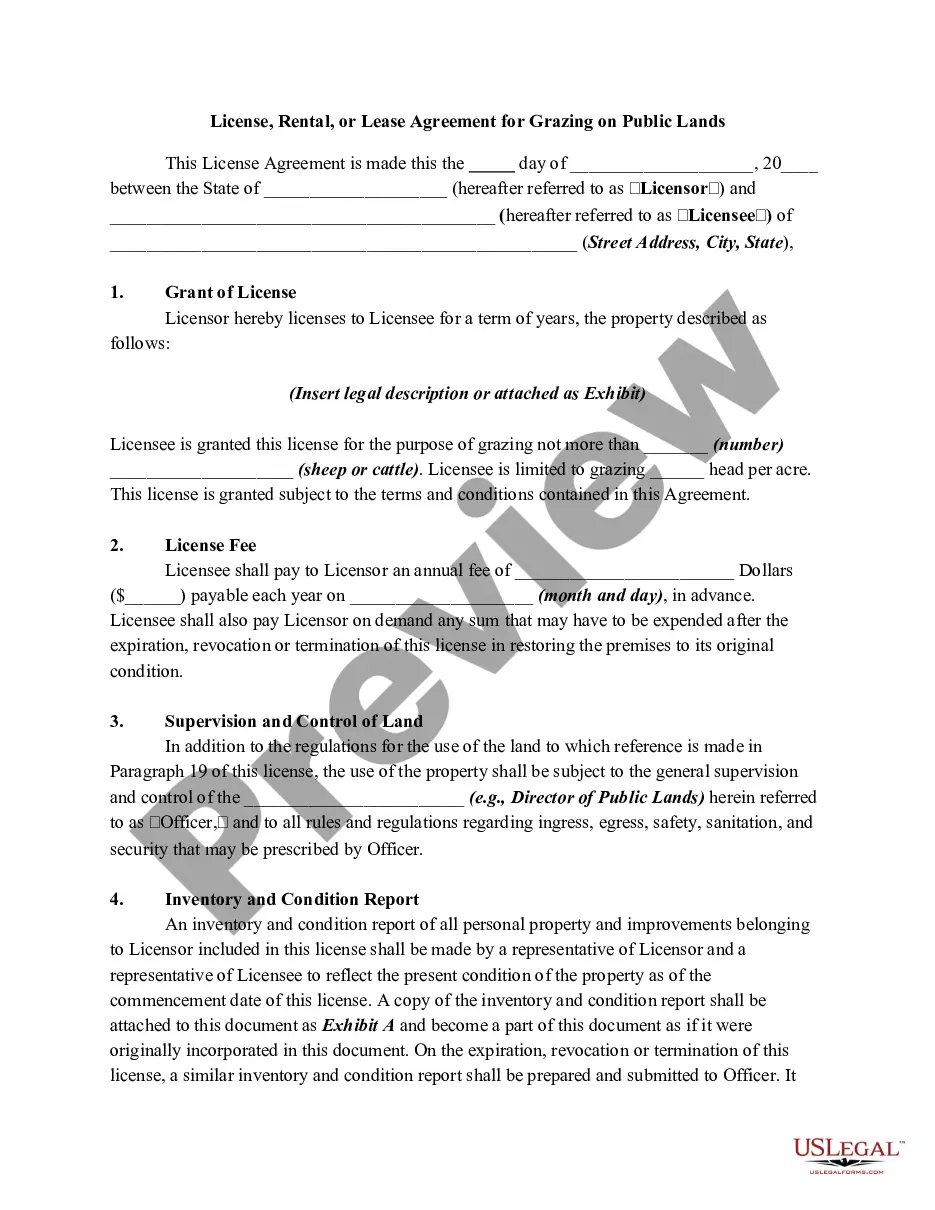
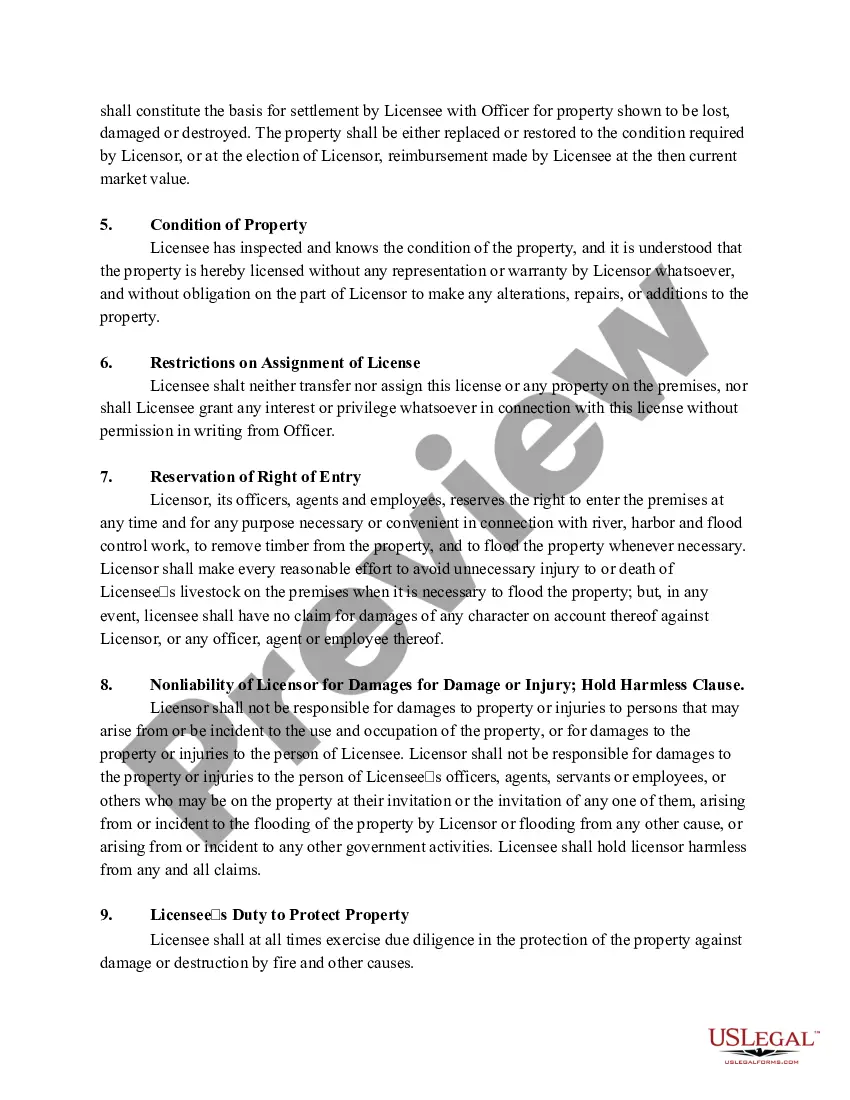
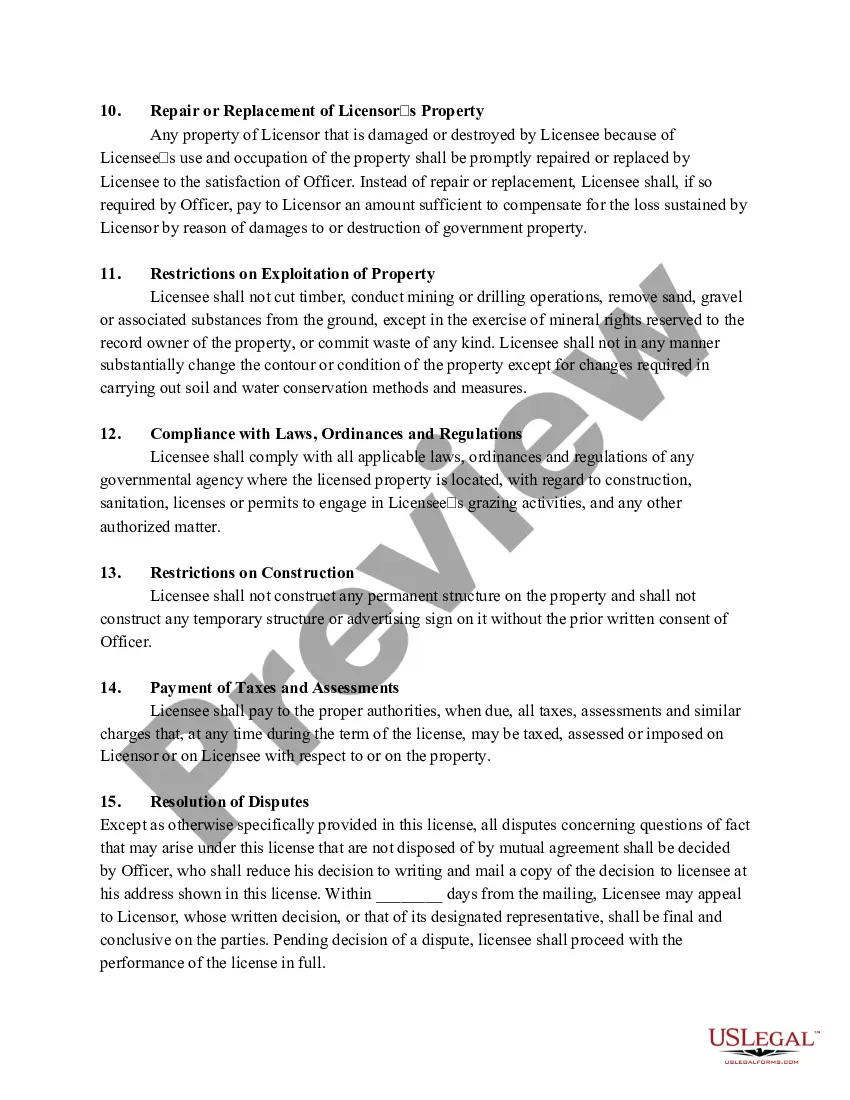
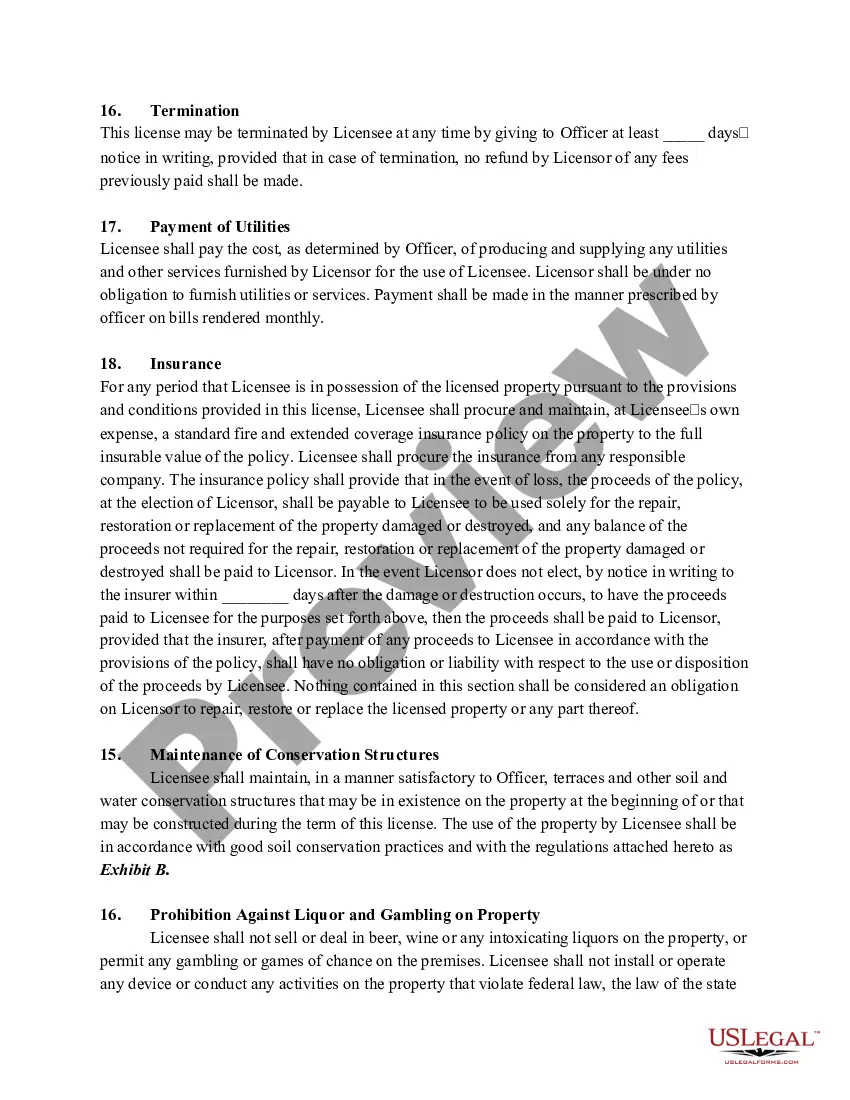
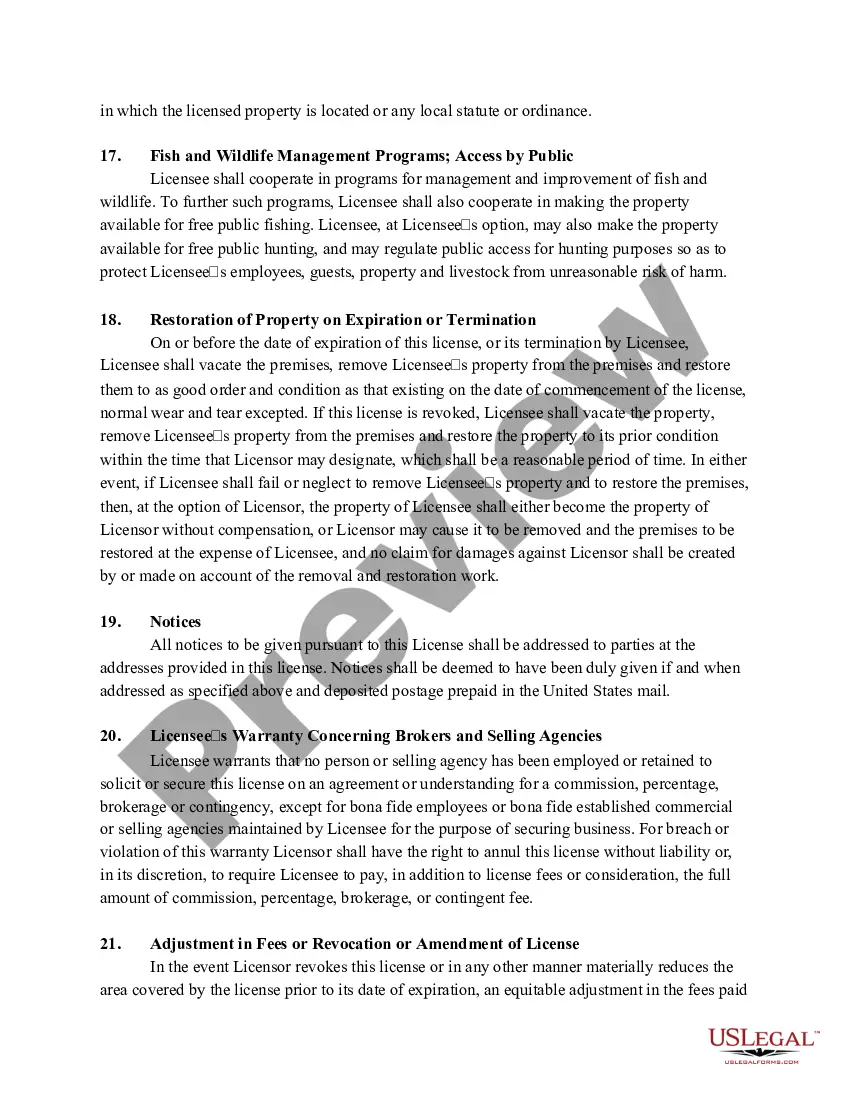
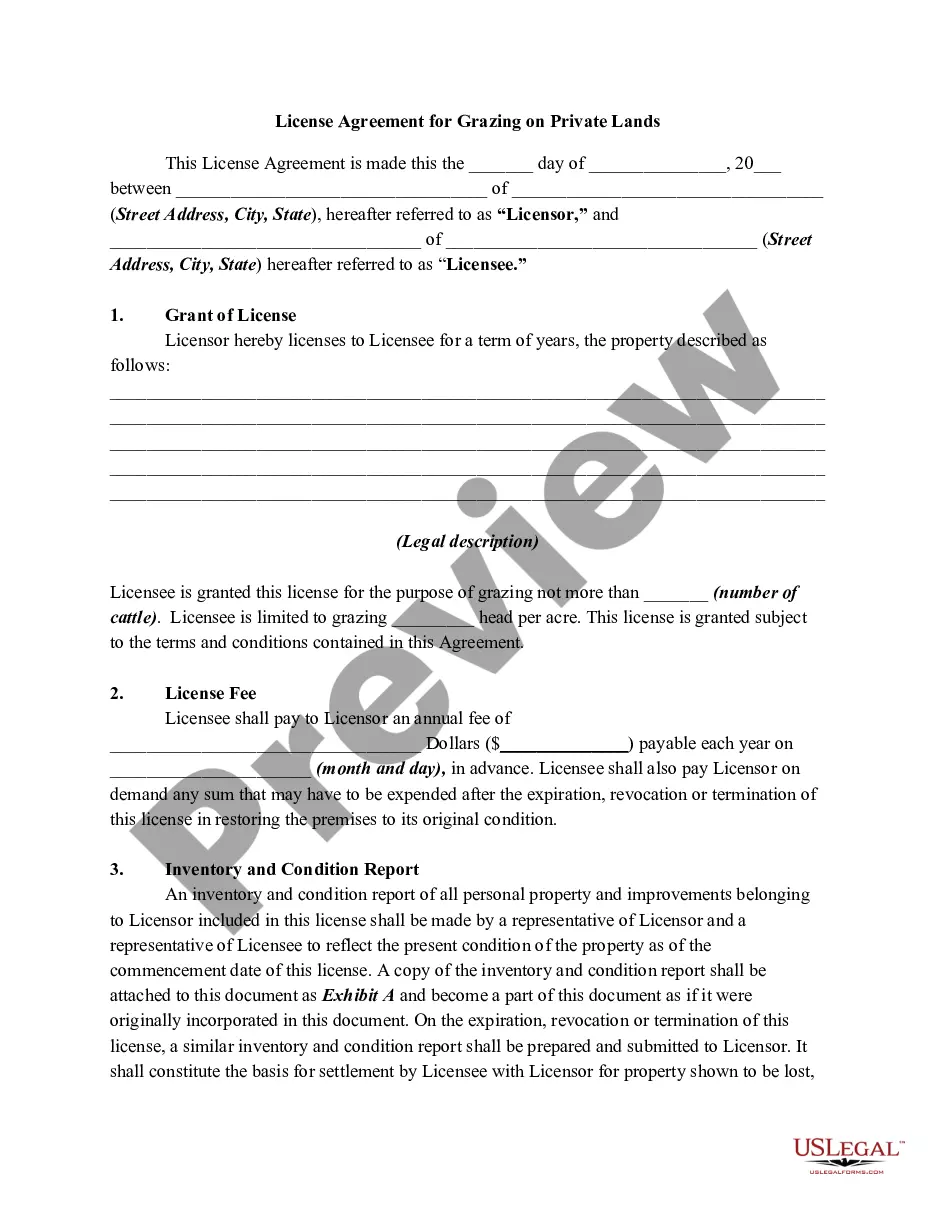
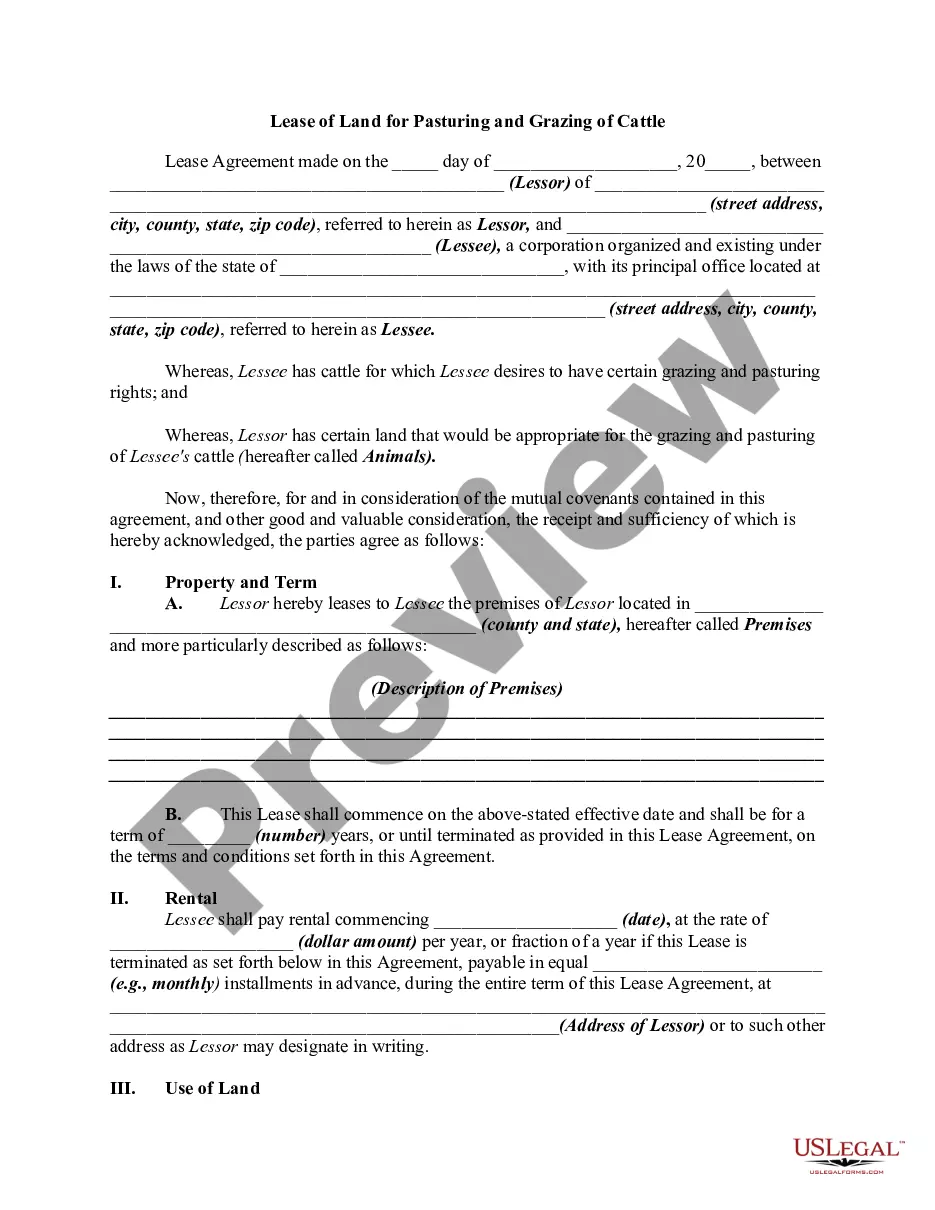
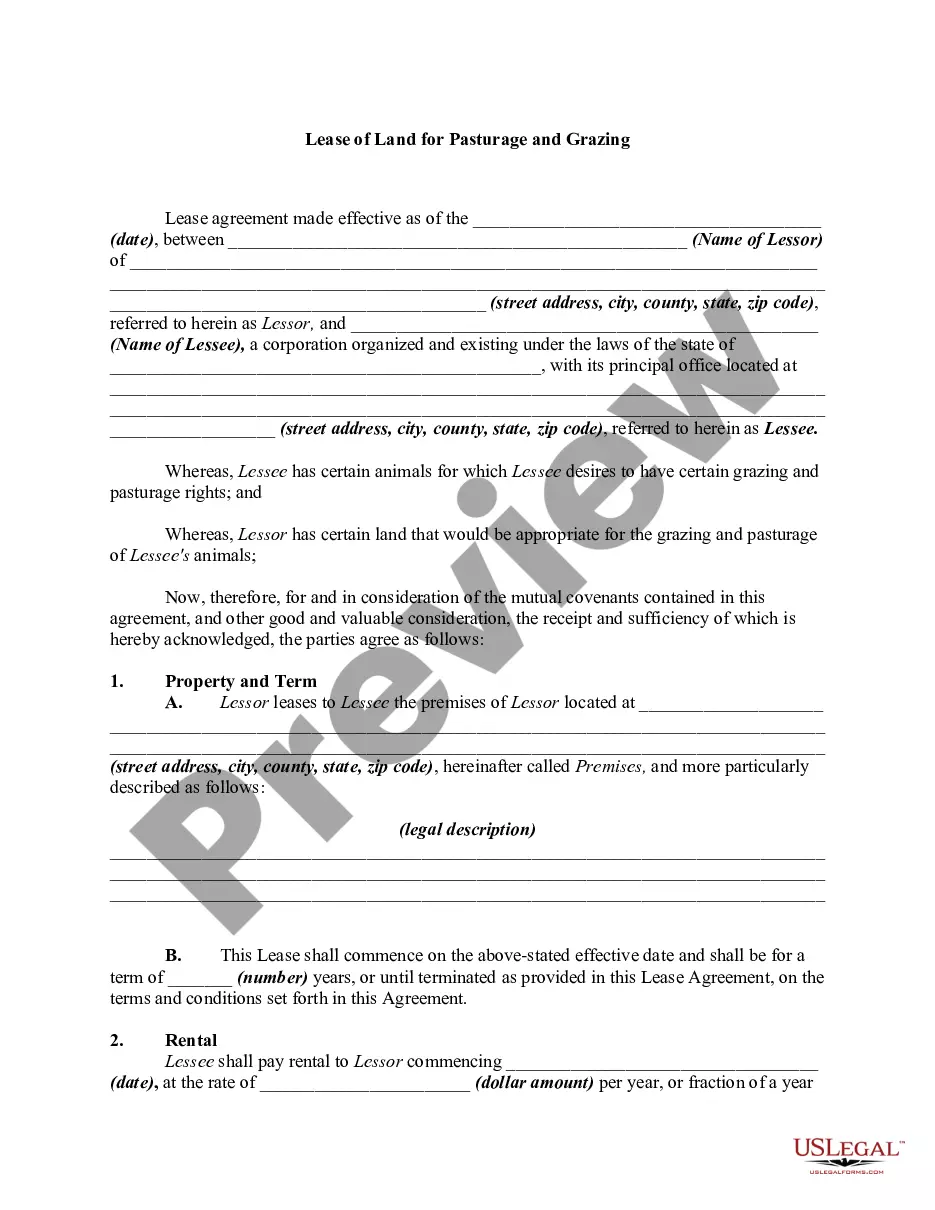
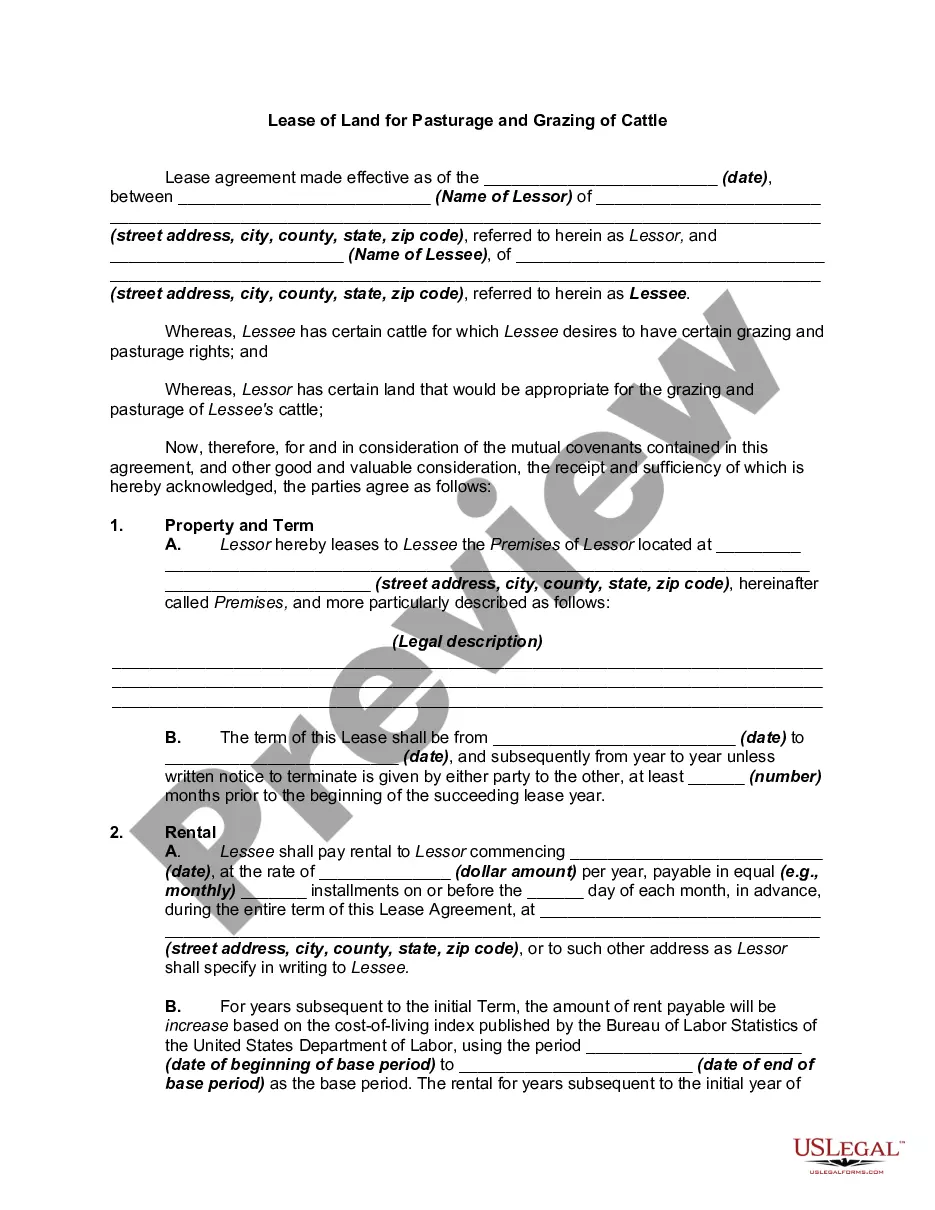
Get your form ready online
Our built-in tools help you complete, sign, share, and store your documents in one place.
Make edits, fill in missing information, and update formatting in US Legal Forms—just like you would in MS Word.
Download a copy, print it, send it by email, or mail it via USPS—whatever works best for your next step.
Sign and collect signatures with our SignNow integration. Send to multiple recipients, set reminders, and more. Go Premium to unlock E-Sign.
If this form requires notarization, complete it online through a secure video call—no need to meet a notary in person or wait for an appointment.
We protect your documents and personal data by following strict security and privacy standards.

Make edits, fill in missing information, and update formatting in US Legal Forms—just like you would in MS Word.

Download a copy, print it, send it by email, or mail it via USPS—whatever works best for your next step.

Sign and collect signatures with our SignNow integration. Send to multiple recipients, set reminders, and more. Go Premium to unlock E-Sign.

If this form requires notarization, complete it online through a secure video call—no need to meet a notary in person or wait for an appointment.

We protect your documents and personal data by following strict security and privacy standards.
Looking for another form?





Form popularity
FAQ
Leasing typically requires a larger upfront payment, including a security deposit and the first and last month's rent, while renting may have lower initial costs. It's important to note that leasing usually involves fixed monthly payments, while the monthly rent amount for a rental property may fluctuate over time.
The tenancy agreement for real estate is often called a lease, and usually involves specific property rights in real property, as opposed to chattels. In addition to the basics of a rental (who, what, when, how much), a real estate rental may go into much more detail on these and other issues.
Minnesota is a fairly landlord-friendly state with few rent control laws. It does not require notice before evicting tenants. Make sure to always check local area laws, along with state laws, to ensure you're fully educated.
Yes, you can have multiple leases at once. Very rarely is holding two leases a concern in terms of landlord policies or property laws, whether local or state. The key is managing the responsibilities that come with multiple leases—such as paying rent, utilities, and adhering to both rental agreements.
Some definite term leases spell out what kind of notice is needed to end the tenancy when the lease ends. Typically, this is a written notice presented 30 to 60 days before the lease ends. This requirement is often part of an automatic renewal provision.
Do Leases need to be notarized in Minnesota? No, Lease Agreements don't need to be notarized in Minnesota. Once there is an agreement between the Landlord, or lessor, and Tenant, or lessee, the Lease is binding. Once the Lease is signed by both parties, it's legally binding and fully enforceable.
Effective January 1, 2024, landlords cannot file an eviction action in court for non-payment of rent unless they first give the tenant a detailed written notice of an intention to file 14 days before filing. Minn.
Ending the Lease The lease should define the notification responsibilities. If a month-to-month lease does not include specific provisions for notifying the landlord, you must notify the landlord, at least one full rental period before the last rent payment is due, that you plan to end the lease.
A tenancy at will may be terminated by either party by giving notice in writing. The time of the notice must be at least as long as the interval between the time rent is due or three months, whichever is less.
If there is no provision in the lease stating how much advance notice must be given to end the tenancy, the law says that written notice must be received by the other party at least one full rental period before the last day of the tenancy. In other words, the day before the last rent payment is due.
