Off License For Lease In Middlesex
Description

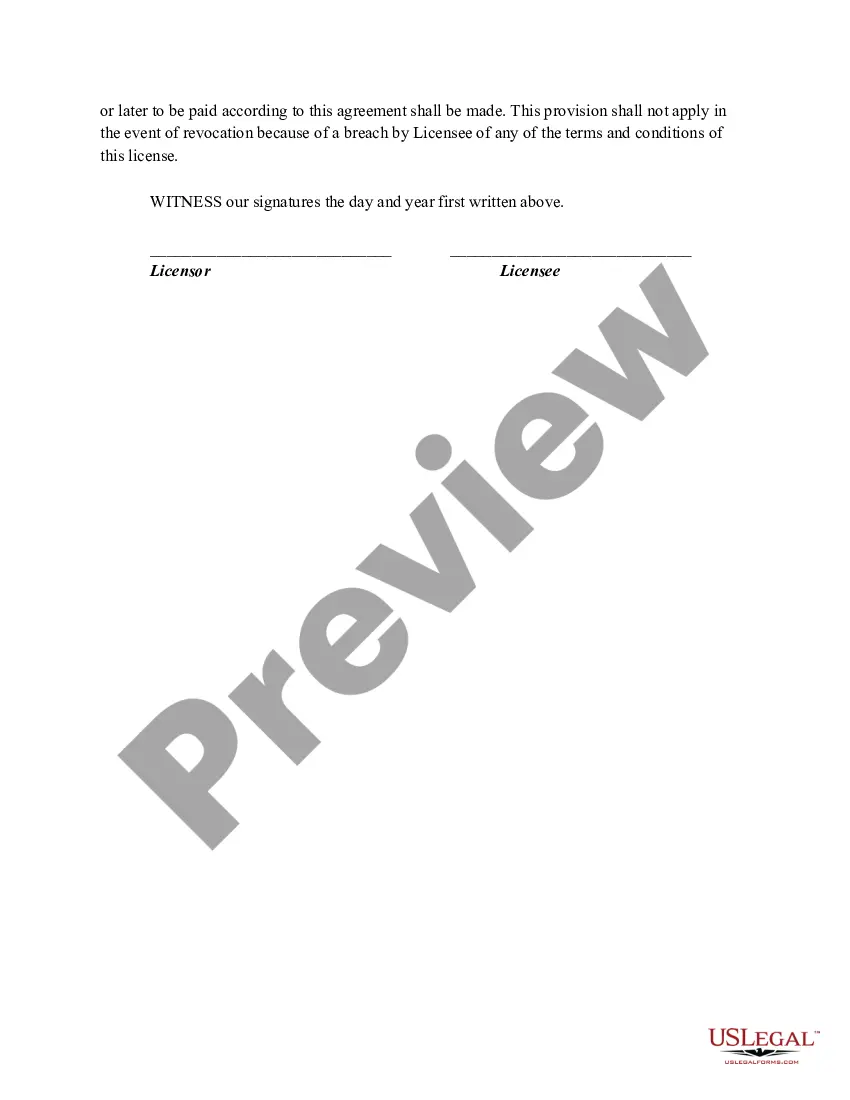
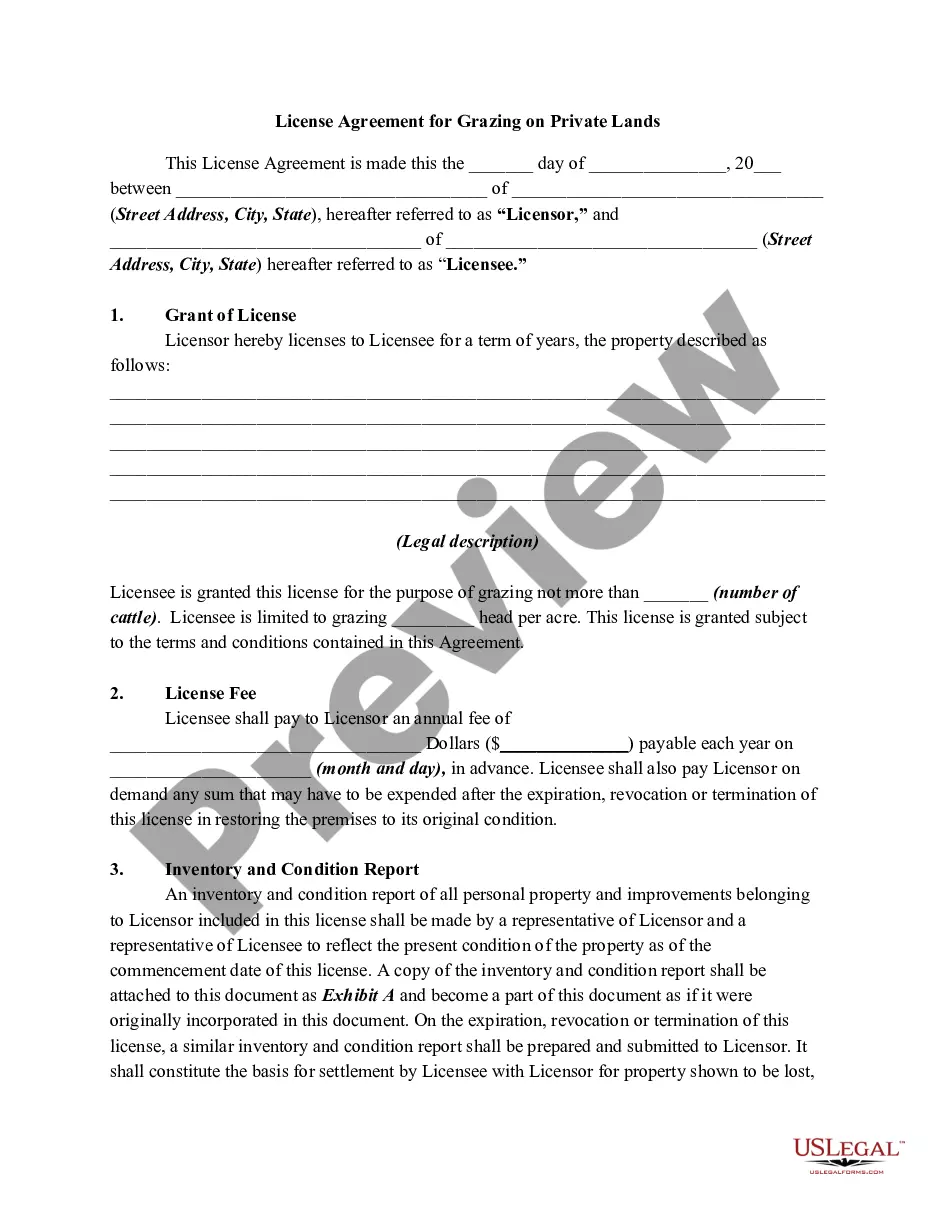
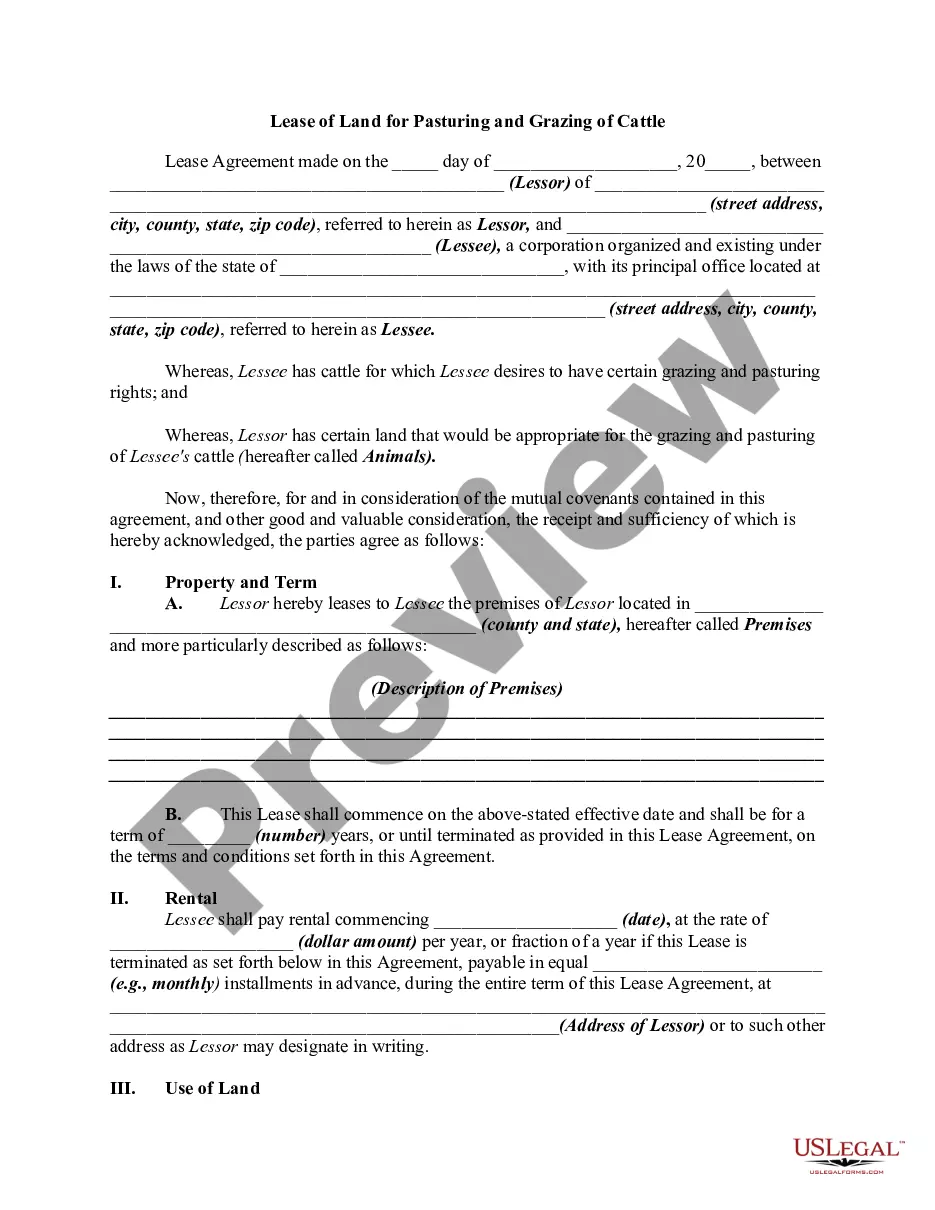
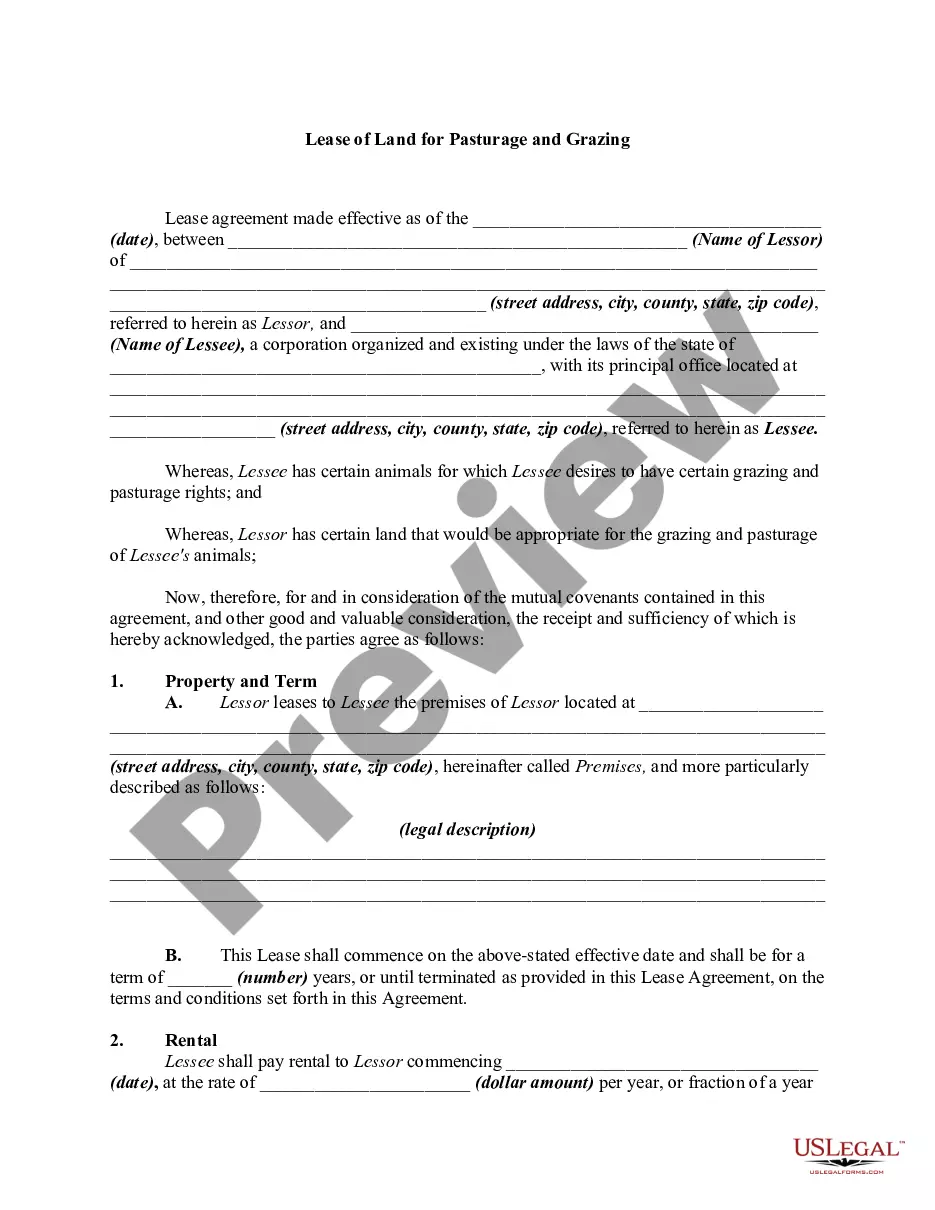
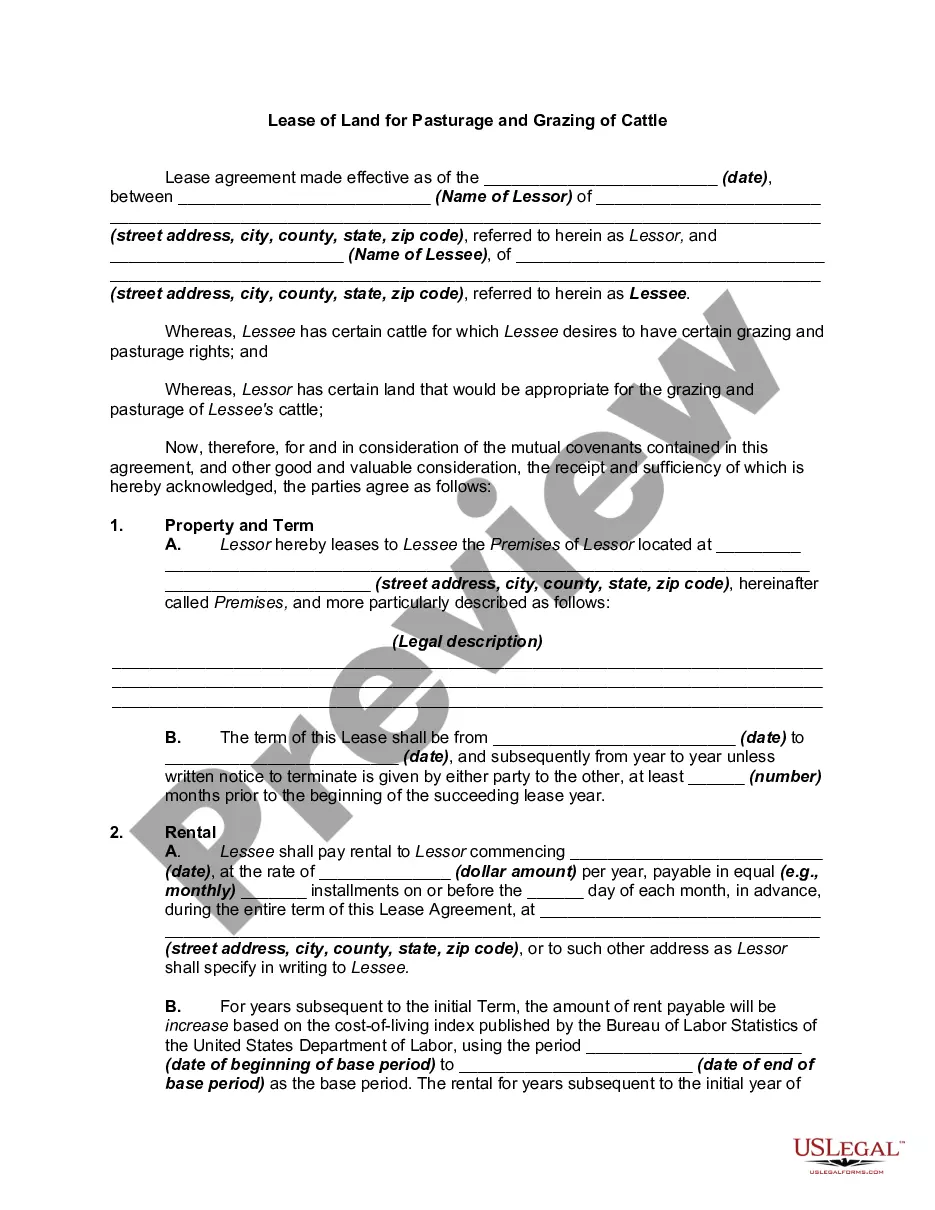
Get your form ready online
Our built-in tools help you complete, sign, share, and store your documents in one place.
Make edits, fill in missing information, and update formatting in US Legal Forms—just like you would in MS Word.
Download a copy, print it, send it by email, or mail it via USPS—whatever works best for your next step.
Sign and collect signatures with our SignNow integration. Send to multiple recipients, set reminders, and more. Go Premium to unlock E-Sign.
If this form requires notarization, complete it online through a secure video call—no need to meet a notary in person or wait for an appointment.
We protect your documents and personal data by following strict security and privacy standards.

Make edits, fill in missing information, and update formatting in US Legal Forms—just like you would in MS Word.

Download a copy, print it, send it by email, or mail it via USPS—whatever works best for your next step.

Sign and collect signatures with our SignNow integration. Send to multiple recipients, set reminders, and more. Go Premium to unlock E-Sign.

If this form requires notarization, complete it online through a secure video call—no need to meet a notary in person or wait for an appointment.

We protect your documents and personal data by following strict security and privacy standards.
Looking for another form?
Form popularity
FAQ
The landlord tenant laws that allow you to break a lease are different from state to state. In many places, you can get out of your lease without penalty for a number of reasons, such as domestic violence, an unsafe environment, or if you've been called up for military service.
A lease creates a property right in land, capable of being registered at HM Land Registry which can be sold, assigned, or inherited, while a licence is a personal right which cannot be transferred.
The provisions came into force in April 2006 and apply in England and Wales. In a Selective Licensing area, all private landlords must obtain a licence; the authority can take enforcement action if they fail to do so or don't achieve acceptable management standards.
Commercial tenants may have the protection of the Landlord and Tenant Act 1954. The Act grants Security of Tenure to tenants who occupy premises for business purposes. The tenancy will continue after the contractual termination date until it is ended in one of the ways specified by the Act.
A break clause is a line in the lease that allows the landlord, tenant or both to end a lease early without facing a penalty. It includes an agreed date when the lease can be ended. To use a break clause, you must give the other party notice. The break clause will say how much.
Can a Commercial Lease Be Terminated Early? Your business is expanding and needs more space. You need less space due to downsizing. The landlord is failing to meet expectations. You're consolidating your portfolio through a merger or acquisition.
The provisions came into force in April 2006 and apply in England and Wales. In a Selective Licensing area, all private landlords must obtain a licence; the authority can take enforcement action if they fail to do so or don't achieve acceptable management standards.
Businesses may consider lease assignment for various reasons, such as relocation, financial constraints, or changes in business needs. For instance, a company experiencing rapid growth may seek more extensive premises, making lease assignment an attractive option to exit the current arrangement.
The key certificates you need are: Electrical Installation Condition Report (EICR) Gas Safety Record (GSR) Energy Performance Certificate (EPC) with a rating of E or above. HETAS Certificate, if the property has a wood-burning stove or working fireplace that will be in use during the tenancy.
A lease creates a property right in land, capable of being registered at HM Land Registry which can be sold, assigned, or inherited, while a licence is a personal right which cannot be transferred.
