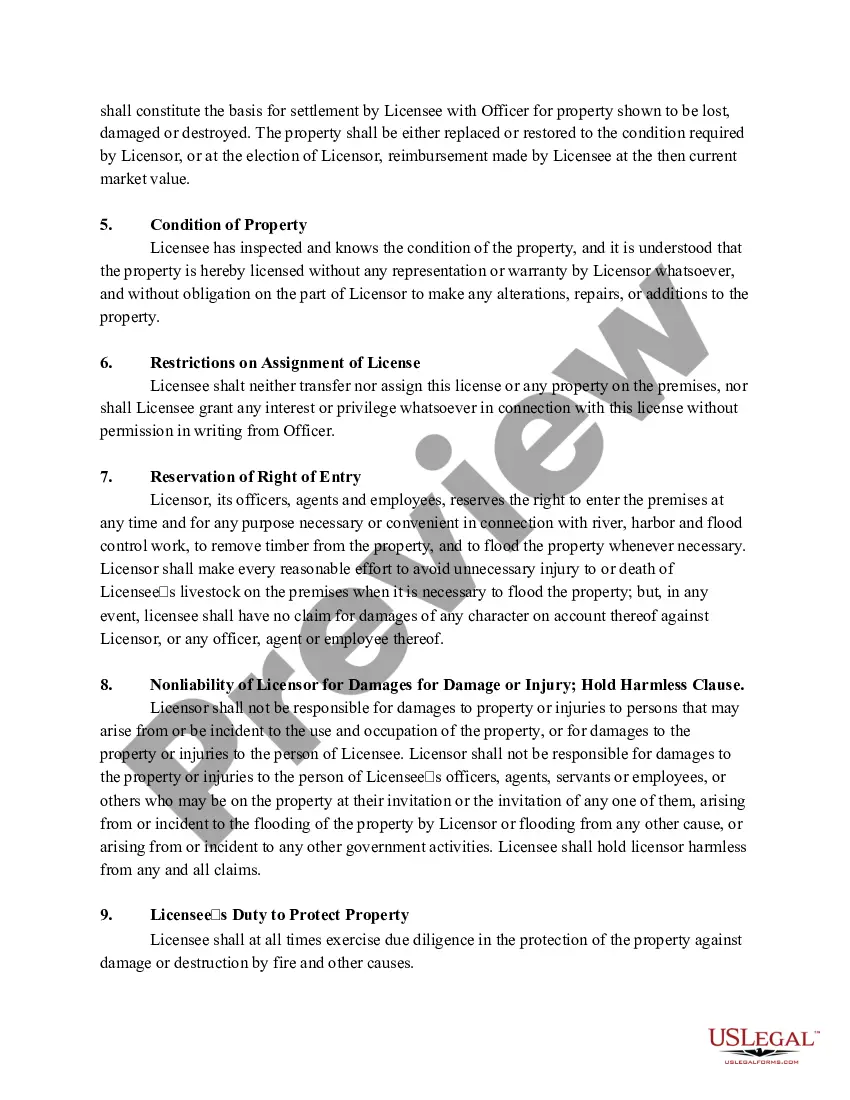
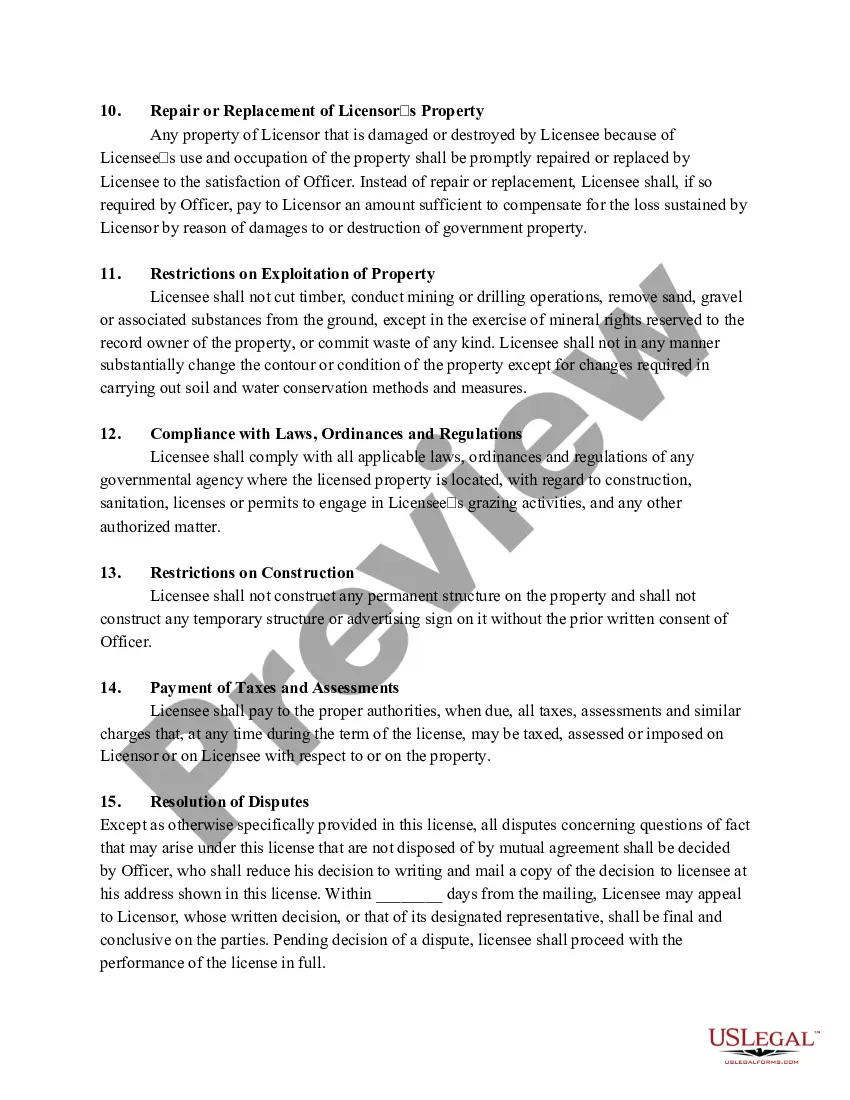
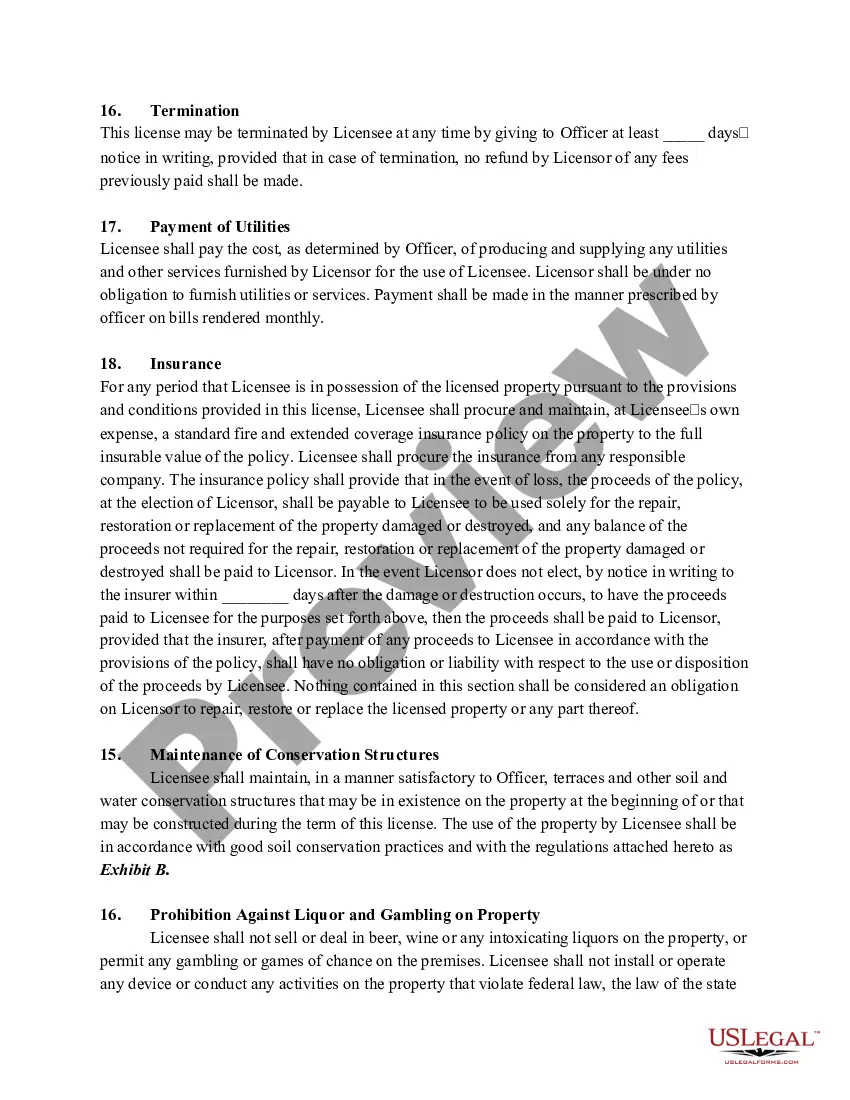
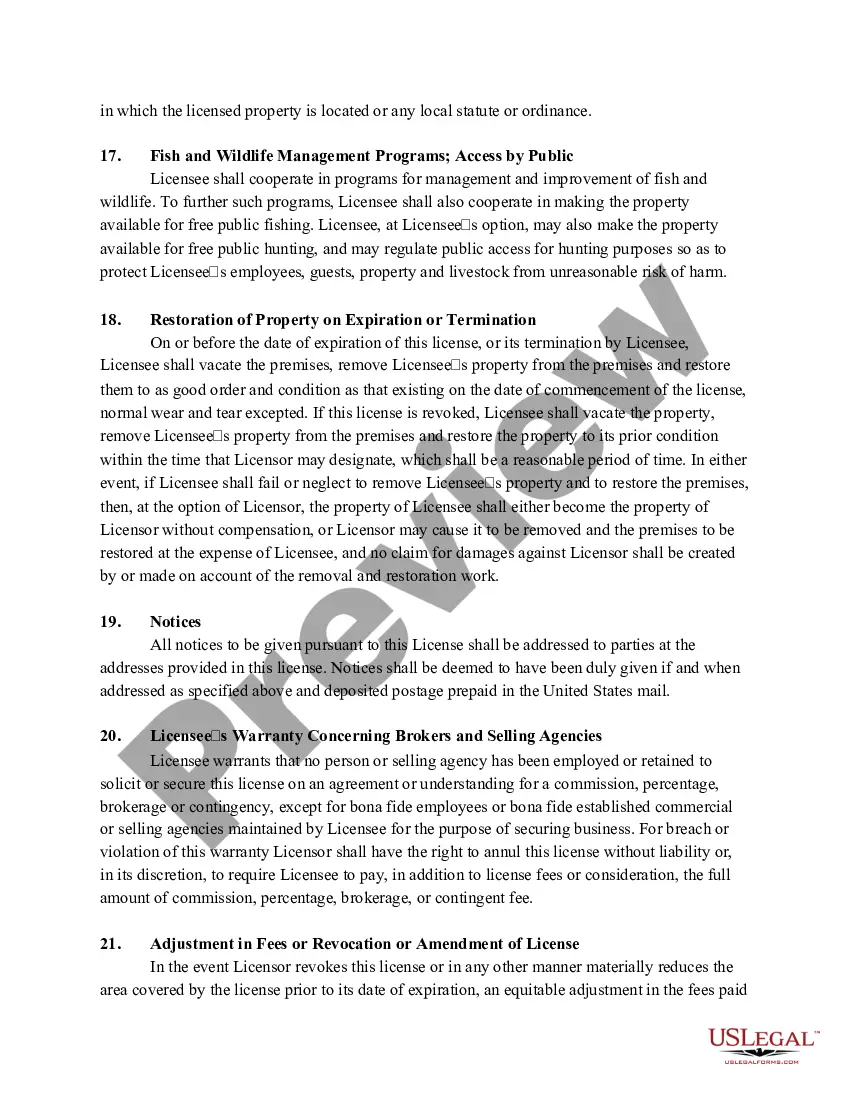
Lease Agreement For Rental Property In Fulton
Description

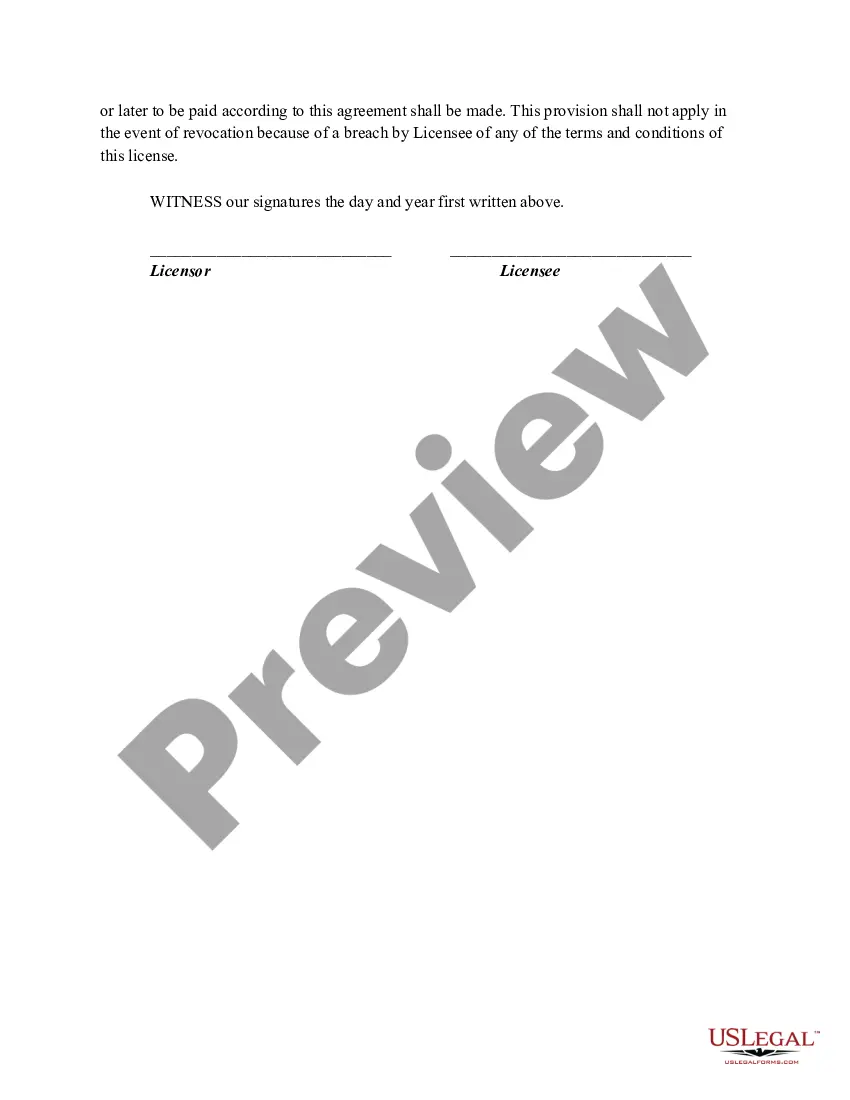
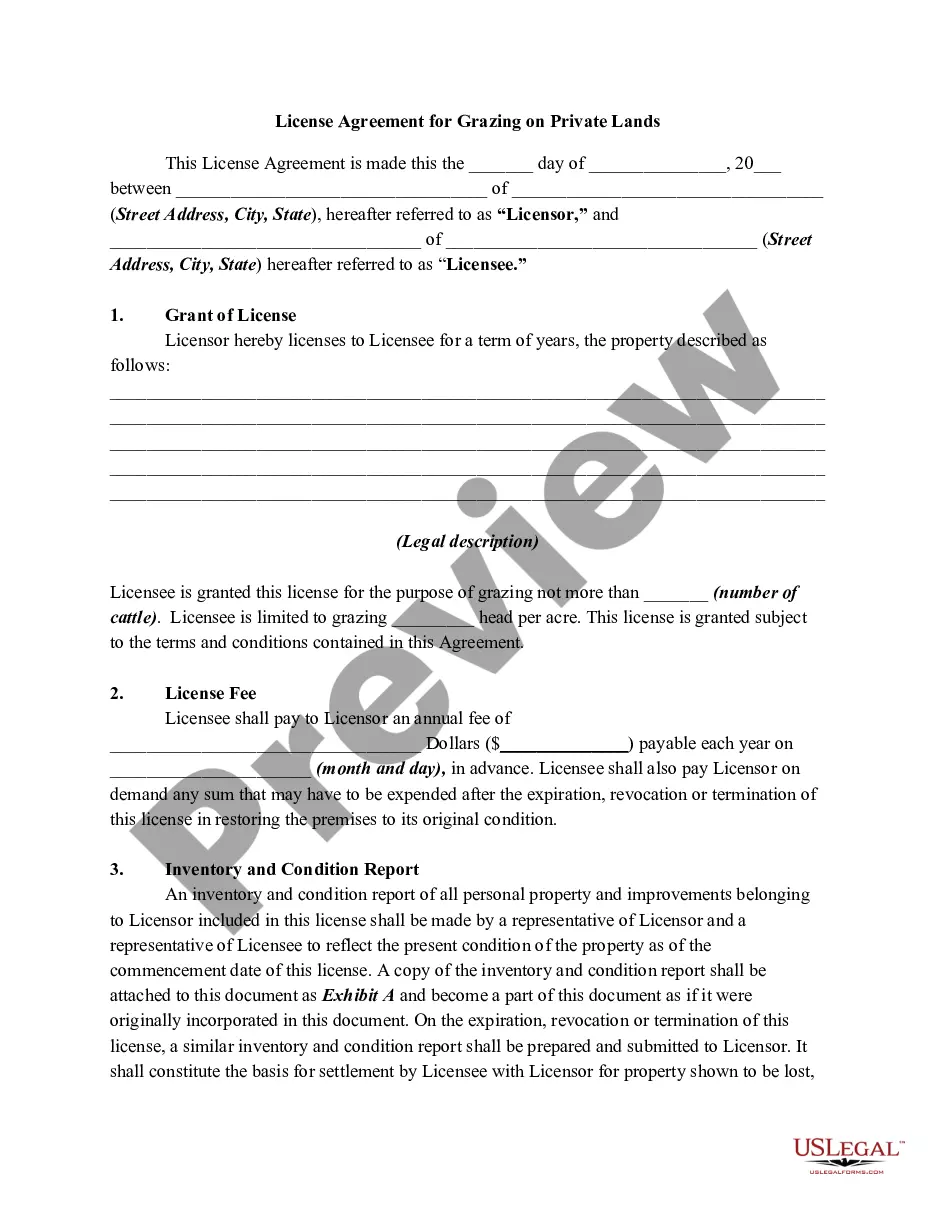
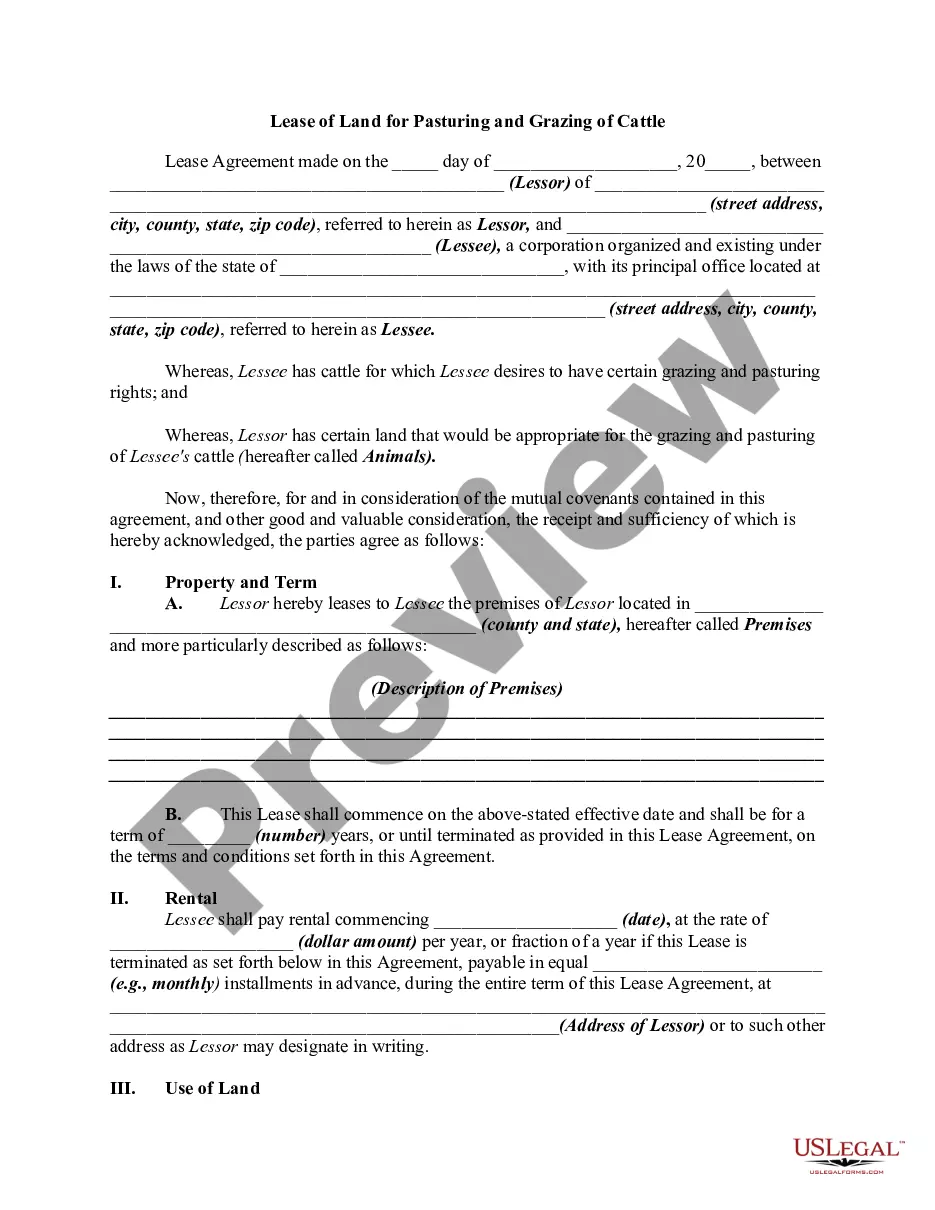
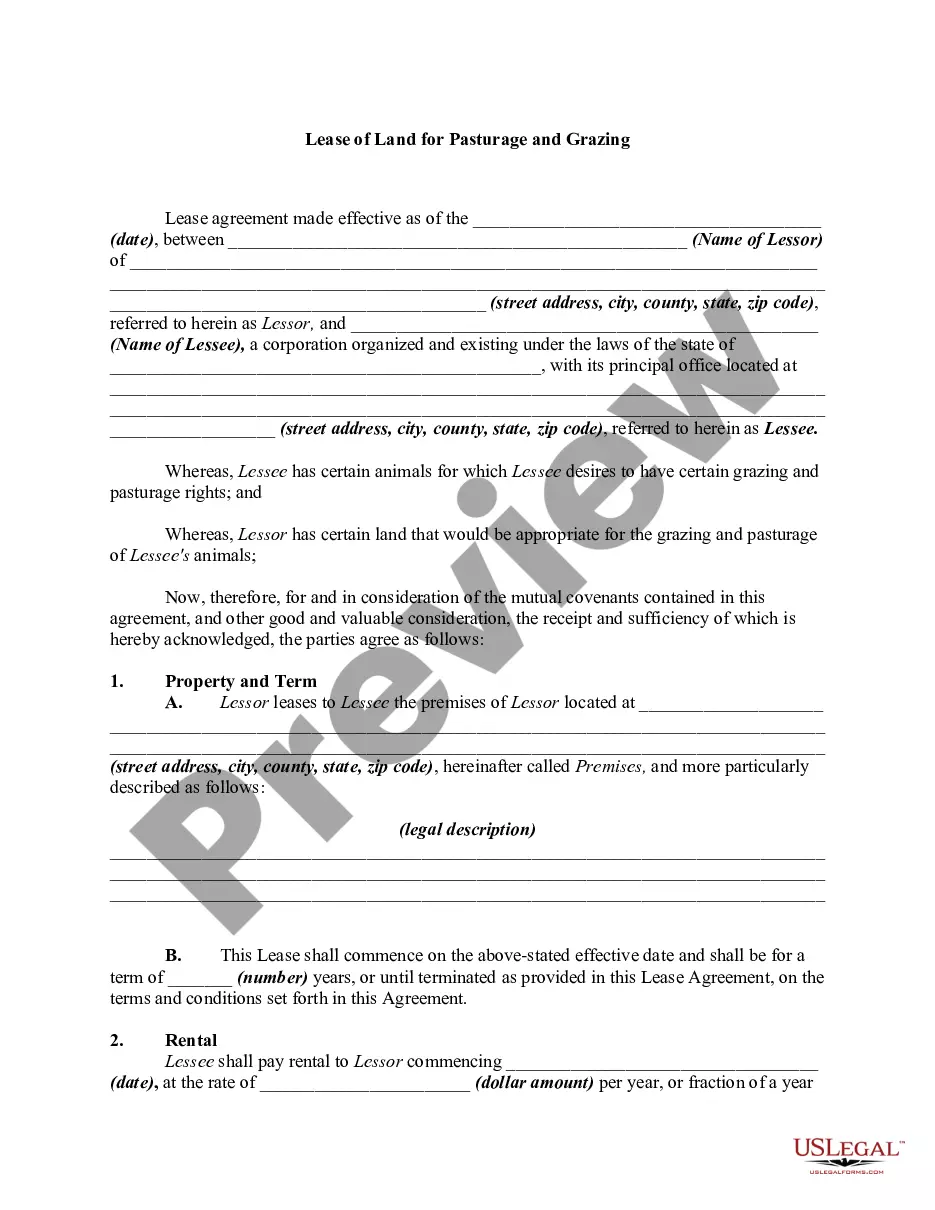
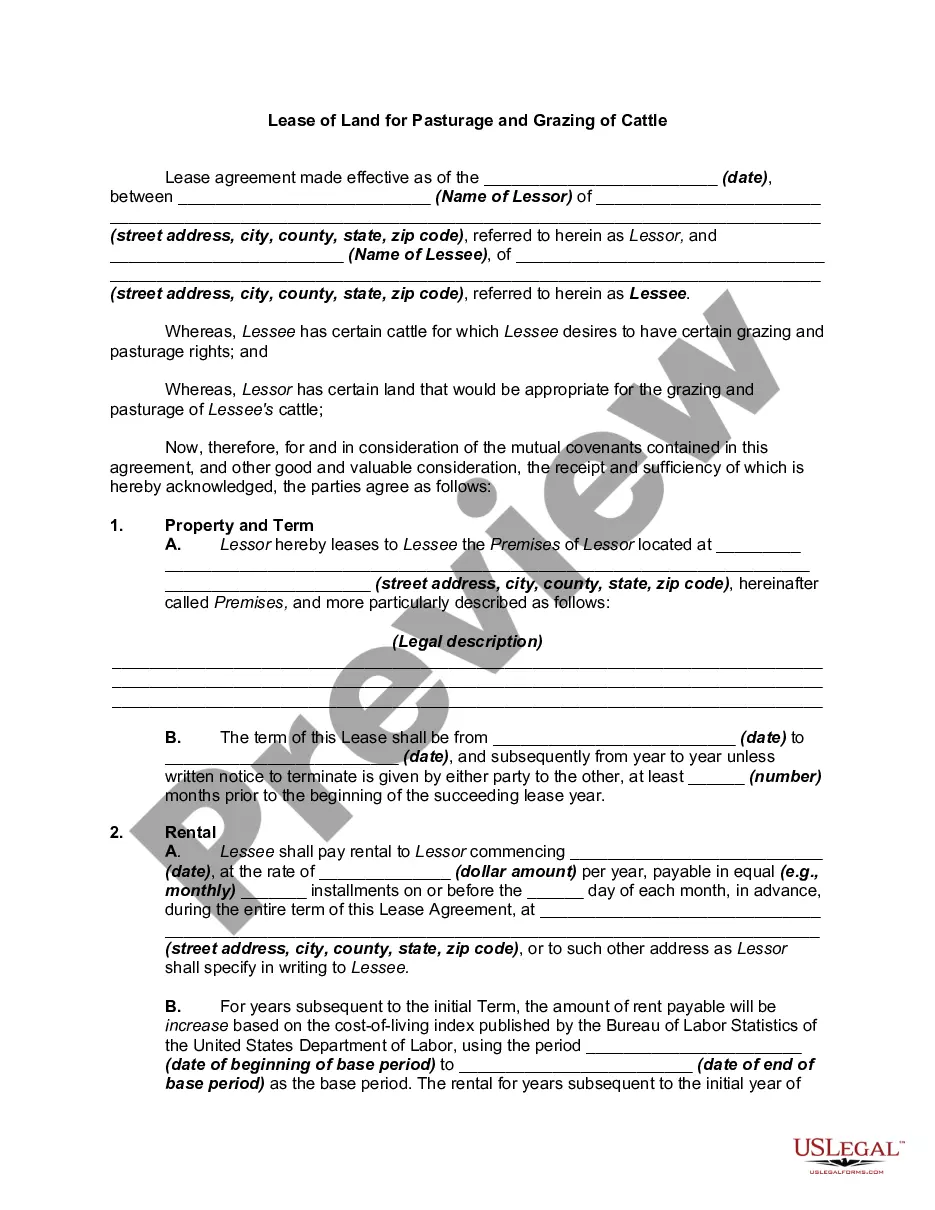
Get your form ready online
Our built-in tools help you complete, sign, share, and store your documents in one place.
Make edits, fill in missing information, and update formatting in US Legal Forms—just like you would in MS Word.
Download a copy, print it, send it by email, or mail it via USPS—whatever works best for your next step.
Sign and collect signatures with our SignNow integration. Send to multiple recipients, set reminders, and more. Go Premium to unlock E-Sign.
If this form requires notarization, complete it online through a secure video call—no need to meet a notary in person or wait for an appointment.
We protect your documents and personal data by following strict security and privacy standards.

Make edits, fill in missing information, and update formatting in US Legal Forms—just like you would in MS Word.

Download a copy, print it, send it by email, or mail it via USPS—whatever works best for your next step.

Sign and collect signatures with our SignNow integration. Send to multiple recipients, set reminders, and more. Go Premium to unlock E-Sign.

If this form requires notarization, complete it online through a secure video call—no need to meet a notary in person or wait for an appointment.

We protect your documents and personal data by following strict security and privacy standards.
Looking for another form?
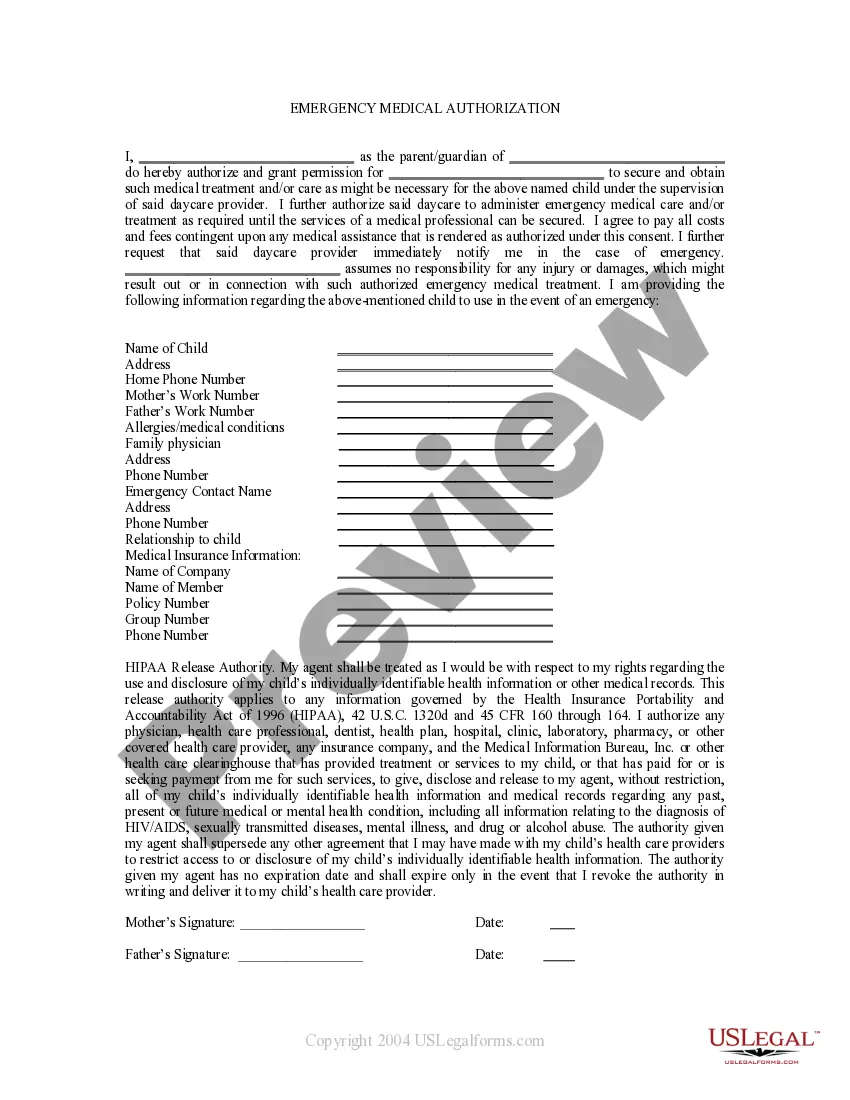
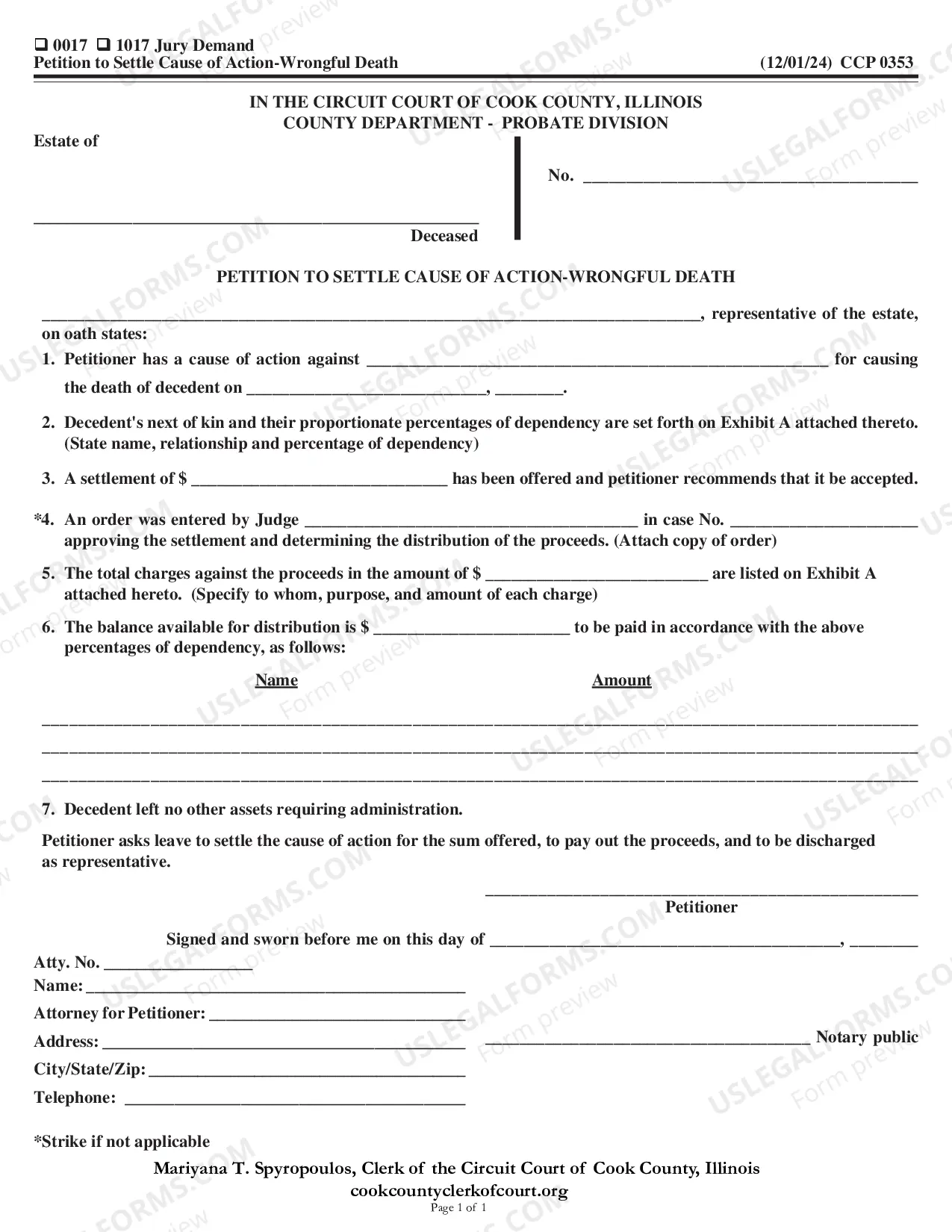
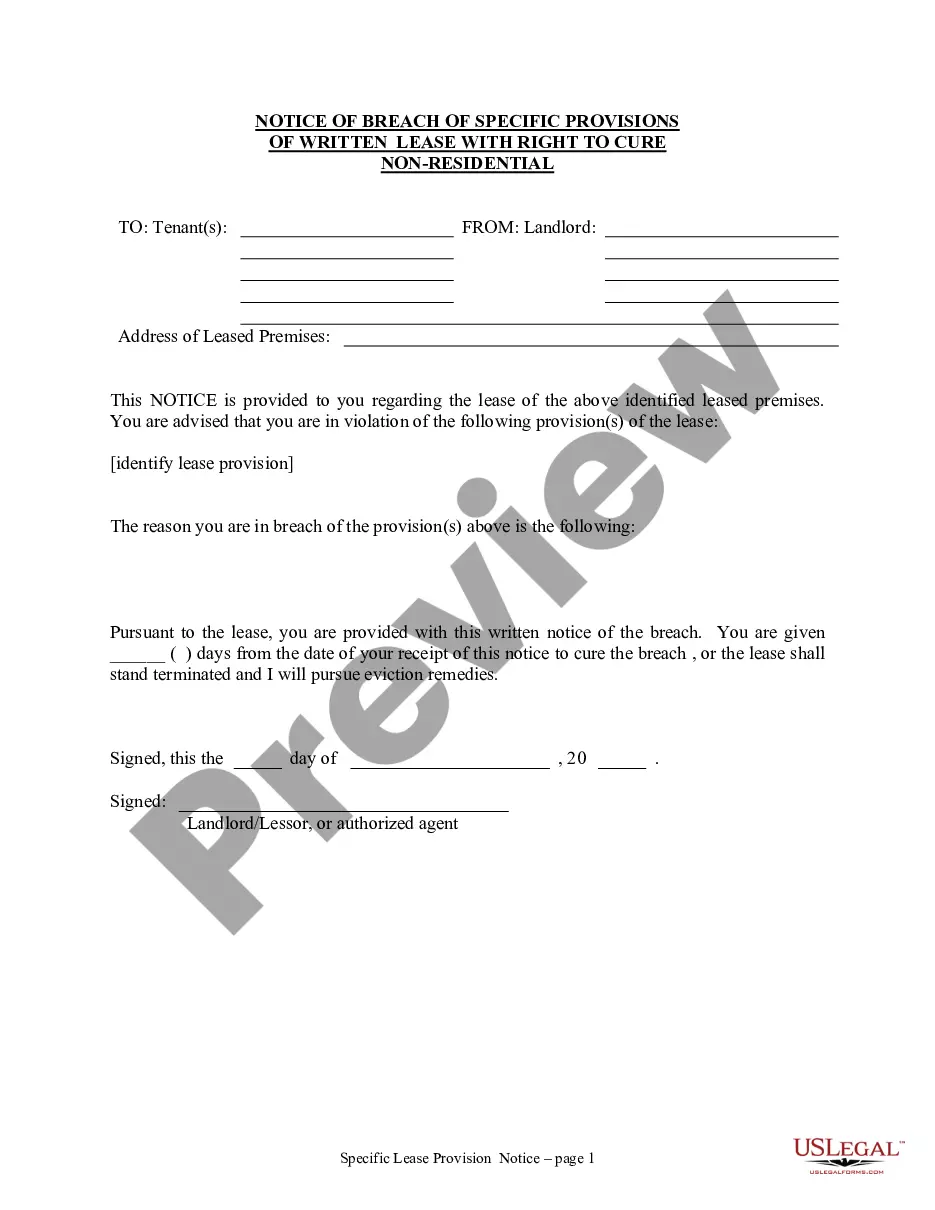

Form popularity
FAQ
Here's a list of standard fields that you should include in your lease agreement: Tenant information. Include each tenant's full name and contact information. Rental property description. Security deposit. Monthly rent amount. Utilities. Lease term. Policies. Late fees.
A: To ensure that your short-term lease agreement is legally binding, it is important to include all necessary elements such as start and end dates; what type of property is being leased; rules regarding the tenant's use of the property; information about rent payments; an inventory list; and information about how ...
Understanding a Lease The contract specifies the amount of rent, the duration of the lease, the responsibilities of both parties and the consequences of breaching the agreement. For example, a residential lease typically includes: The property address. Landlord and tenant responsibilities.
The lease term lays out the period of time that the lessee has the right to use the underlying asset. The lease term is in the lease agreement, along with the lease state date, payment amount, and other special conditions.
Amount of rent, including security deposit, fees, and payment terms. Specifics related to the payment of utilities and other required services. Additional fees or rental amounts in the case of pets, parking spaces, repair co-pays, or other charges. Charges related to early lease termination.
Also, real estate (land) leases for more than one year must be in writing. If a lease for over one year is not in writing, it will generally not be enforceable in court. If your lease is for exactly one year, or less than one year, the law does not require it to be put in writing.
Here's a list of standard fields that you should include in your lease agreement: Tenant information. Include each tenant's full name and contact information. Rental property description. Security deposit. Monthly rent amount. Utilities. Lease term. Policies. Late fees.
To write a simple contract, title it clearly, identify all parties and specify terms (services or payments). Include an offer, acceptance, consideration, and intent. Add a signature and date for enforceability. Written contracts reduce disputes and offer better legal security than verbal ones.
