Lease License For Alterations In Florida
Description

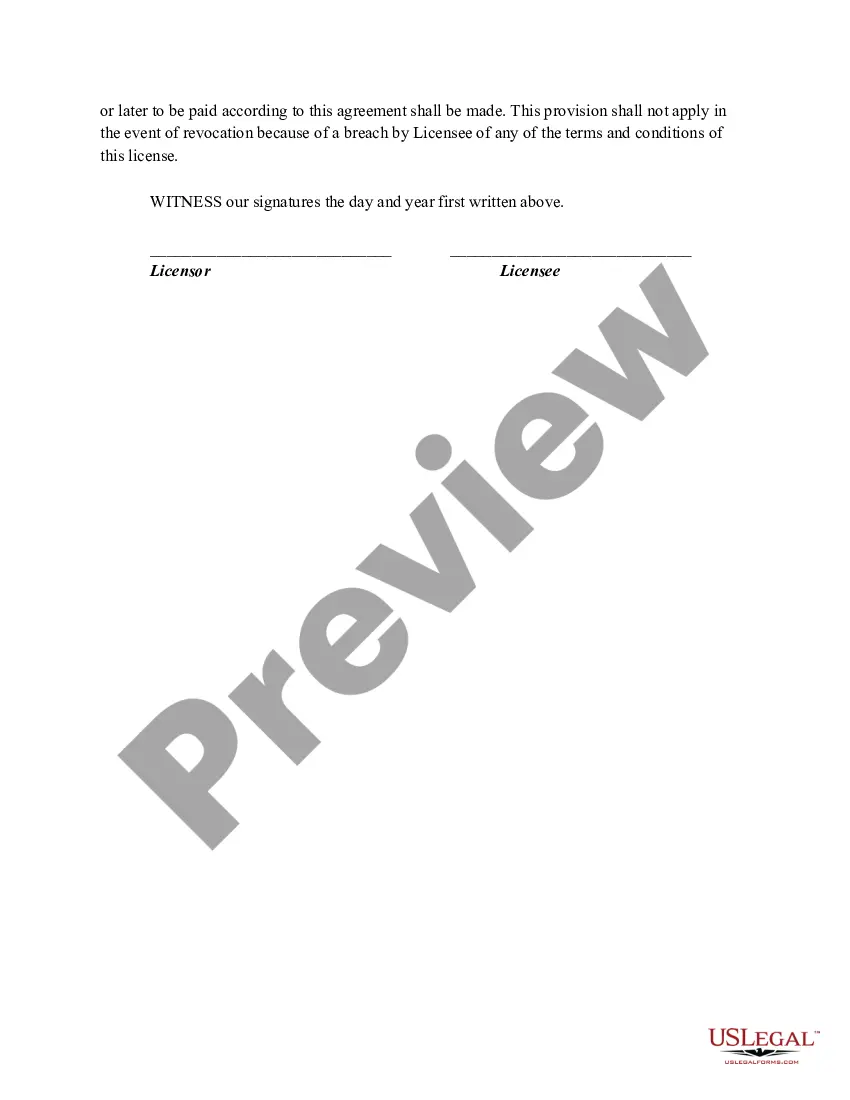
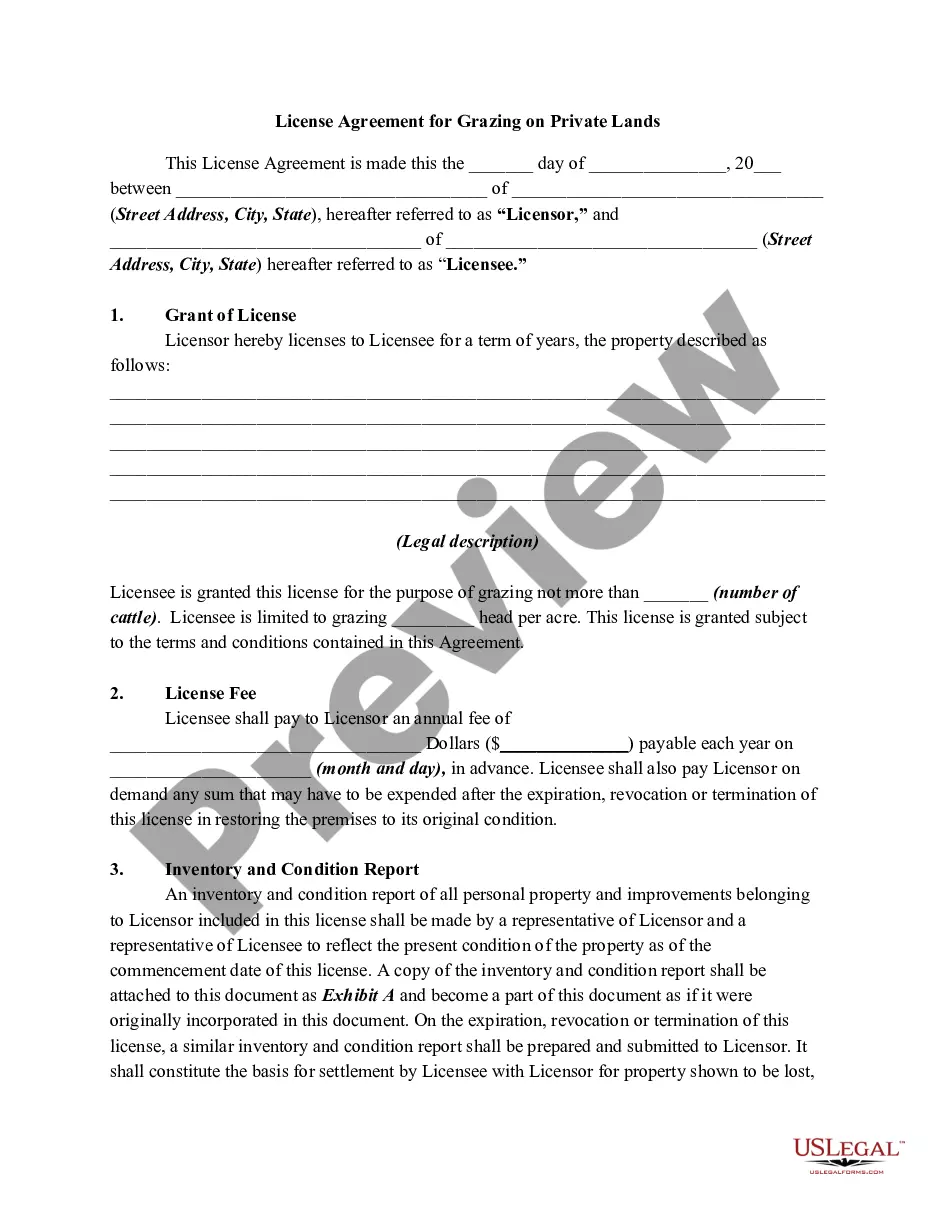
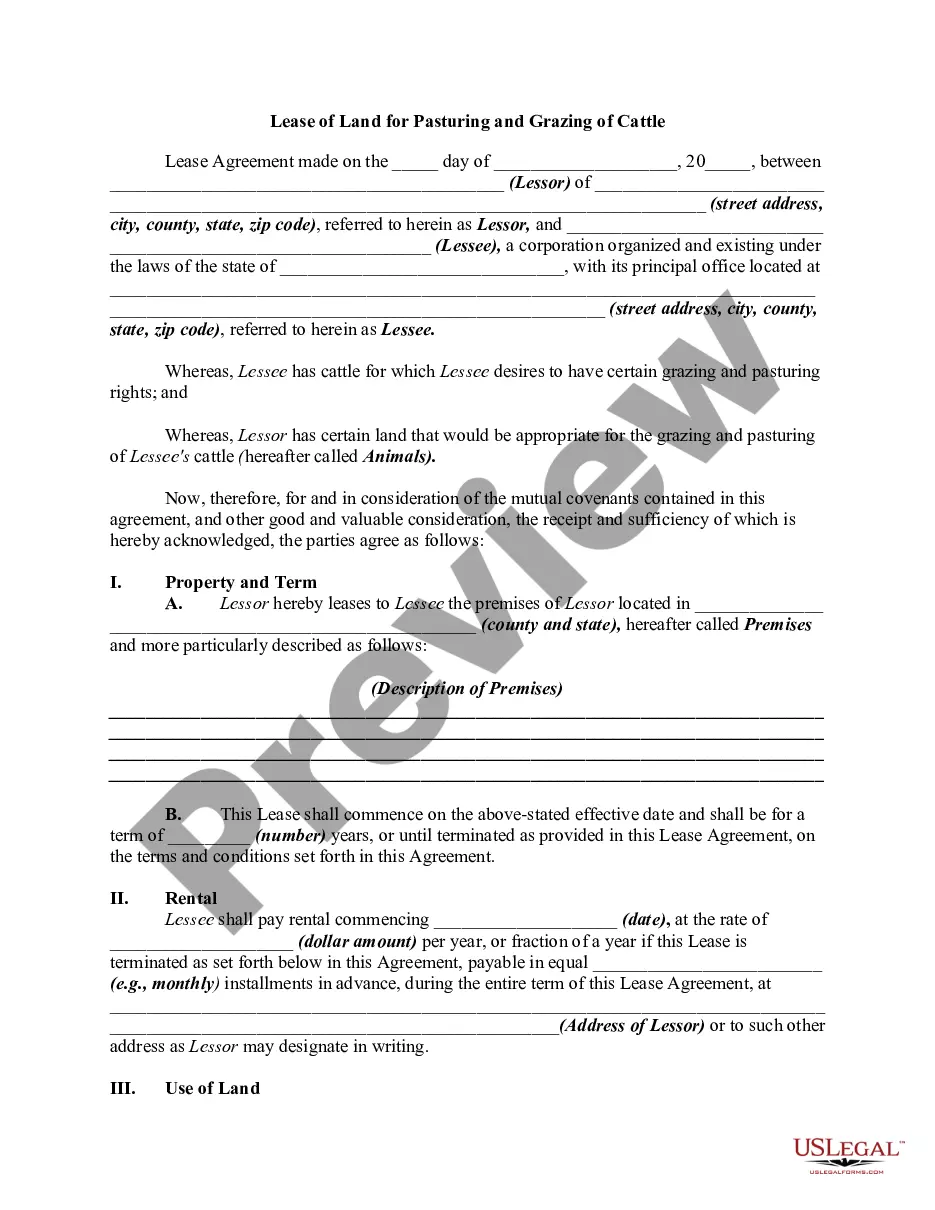
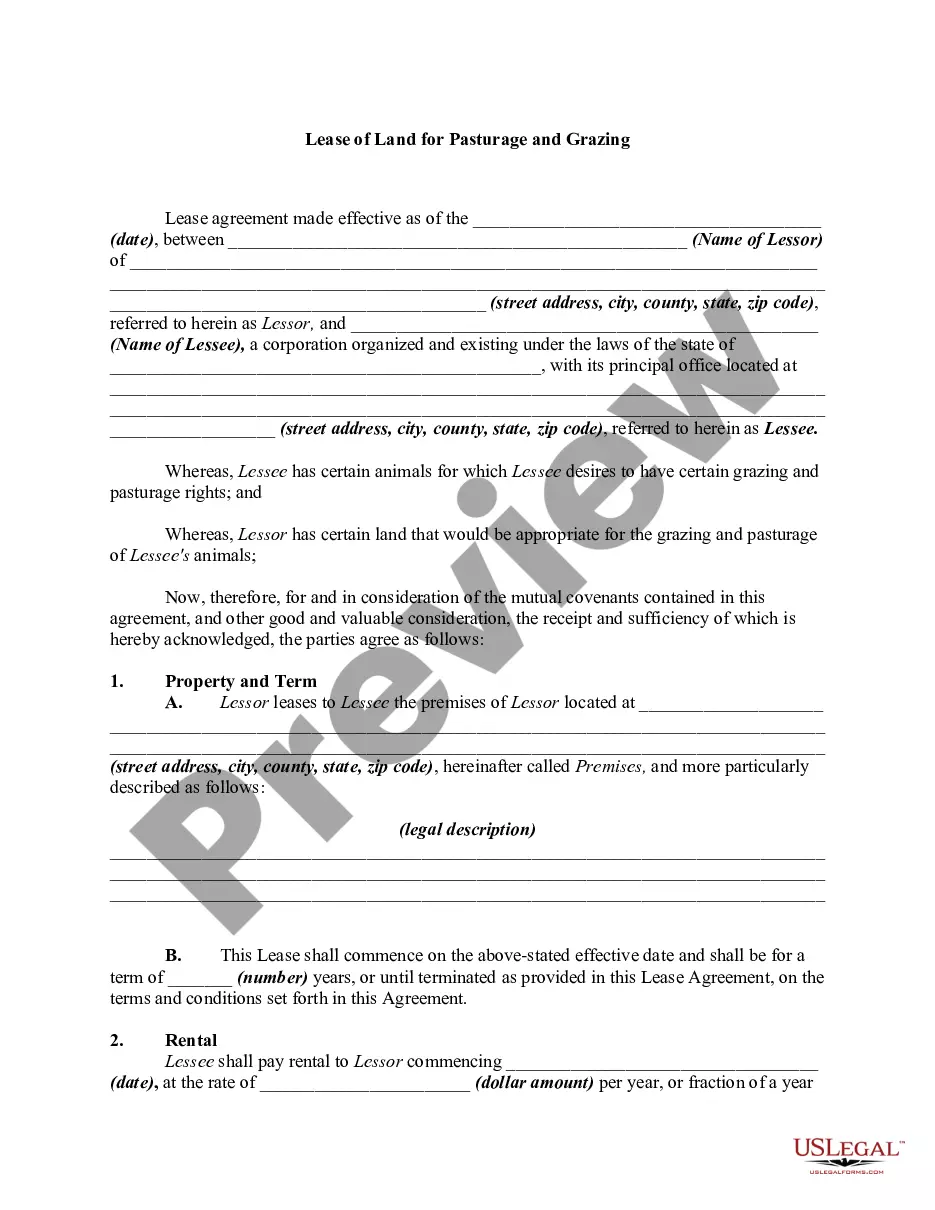
Get your form ready online
Our built-in tools help you complete, sign, share, and store your documents in one place.
Make edits, fill in missing information, and update formatting in US Legal Forms—just like you would in MS Word.
Download a copy, print it, send it by email, or mail it via USPS—whatever works best for your next step.
Sign and collect signatures with our SignNow integration. Send to multiple recipients, set reminders, and more. Go Premium to unlock E-Sign.
If this form requires notarization, complete it online through a secure video call—no need to meet a notary in person or wait for an appointment.
We protect your documents and personal data by following strict security and privacy standards.

Make edits, fill in missing information, and update formatting in US Legal Forms—just like you would in MS Word.

Download a copy, print it, send it by email, or mail it via USPS—whatever works best for your next step.

Sign and collect signatures with our SignNow integration. Send to multiple recipients, set reminders, and more. Go Premium to unlock E-Sign.

If this form requires notarization, complete it online through a secure video call—no need to meet a notary in person or wait for an appointment.

We protect your documents and personal data by following strict security and privacy standards.
Looking for another form?








Form popularity
FAQ
Adding an addendum to a residential lease agreement is a straightforward process, but it should be done carefully to ensure clarity and enforceability.
Yes, you can write your lease agreement in Florida. However, consulting with a qualified attorney or utilizing a professionally drafted lease agreement template is highly recommended to ensure that it complies with all applicable laws and regulations.
To ensure a Florida lease agreement is legally valid, certain requirements must be met. These include having a written agreement, disclosing necessary information, adhering to security deposit limits, and protecting tenant rights and protections.
Whether annual or month-to-month, your landlord is unable to make any substantial changes to your lease agreement prior to the contract's expiration date or without your express consent. Though lease agreements are not always written, it is in always in your best interest to have an official written contract.
IFRS 16 defines a lease modification as “a change in the scope of a lease, or the consideration for a lease, that was not part of the original terms and conditions of the lease.” A lease modification results from renegotiations between the lessee and lessor.
Lease amendment forms usually include the following: Identification of the original lease. Names and contact information of landlord and tenant. Property address. Date of amendment. Specific clauses to modify. Details of the changes. Confirmation that all other lease terms remain unchanged. Signatures of both parties.
Any alteration to your lease thereafter must be in writing and must be properly signed by both parties. Remember, both you and your landlord are bound by the lease agreement until its expiration date.
A lease is a legal document that establishes the lease terms and conditions between a landlord and tenant. In contrast, a contract to lease is an agreement between the landlord) and tenant that outlines the specific terms and conditions in the actual lease agreement.
Long-term rentals of houses may not require a state license or local permit. Florida, however, requires a license for a vacation rental or transient public lodging establishment.
