License To Lease In Cuyahoga
Description


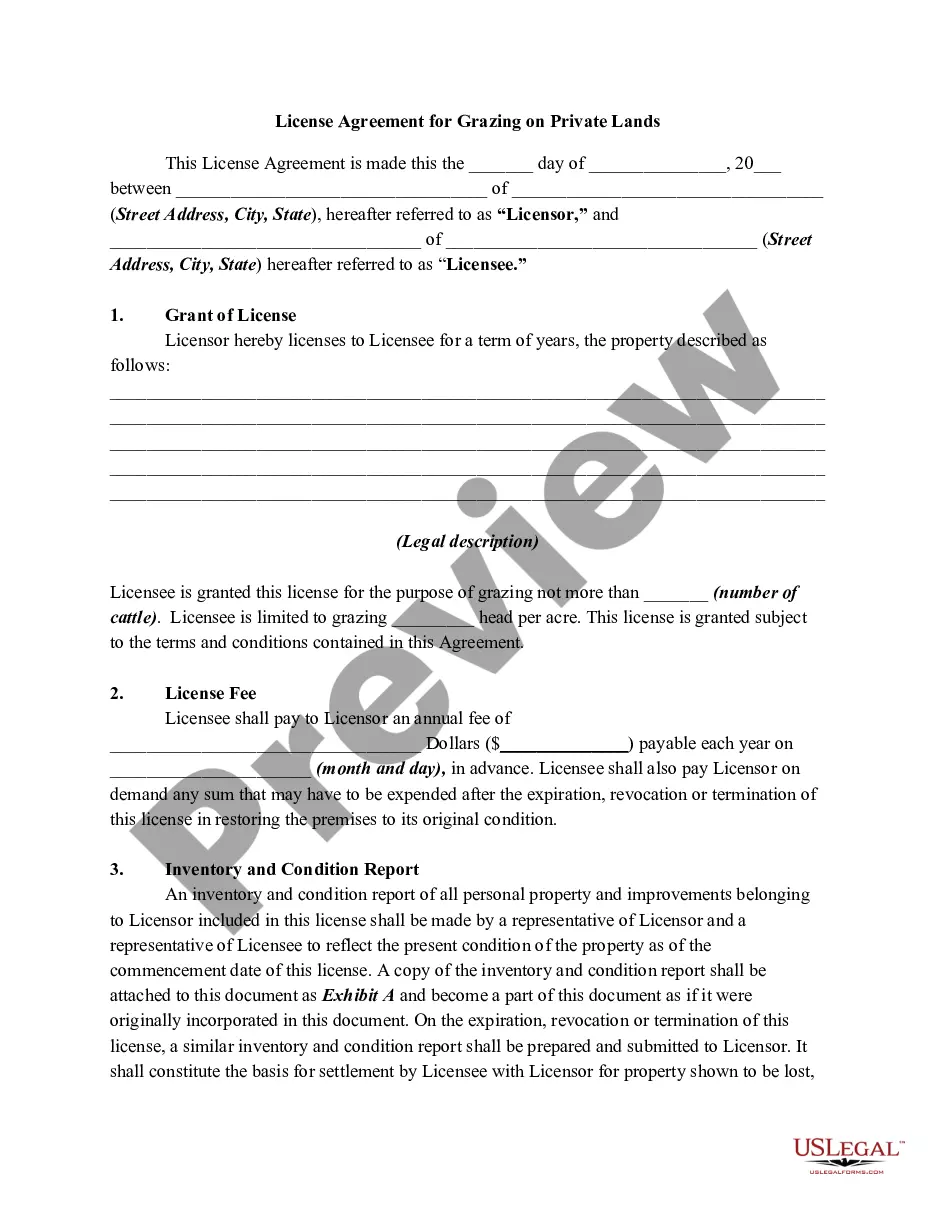
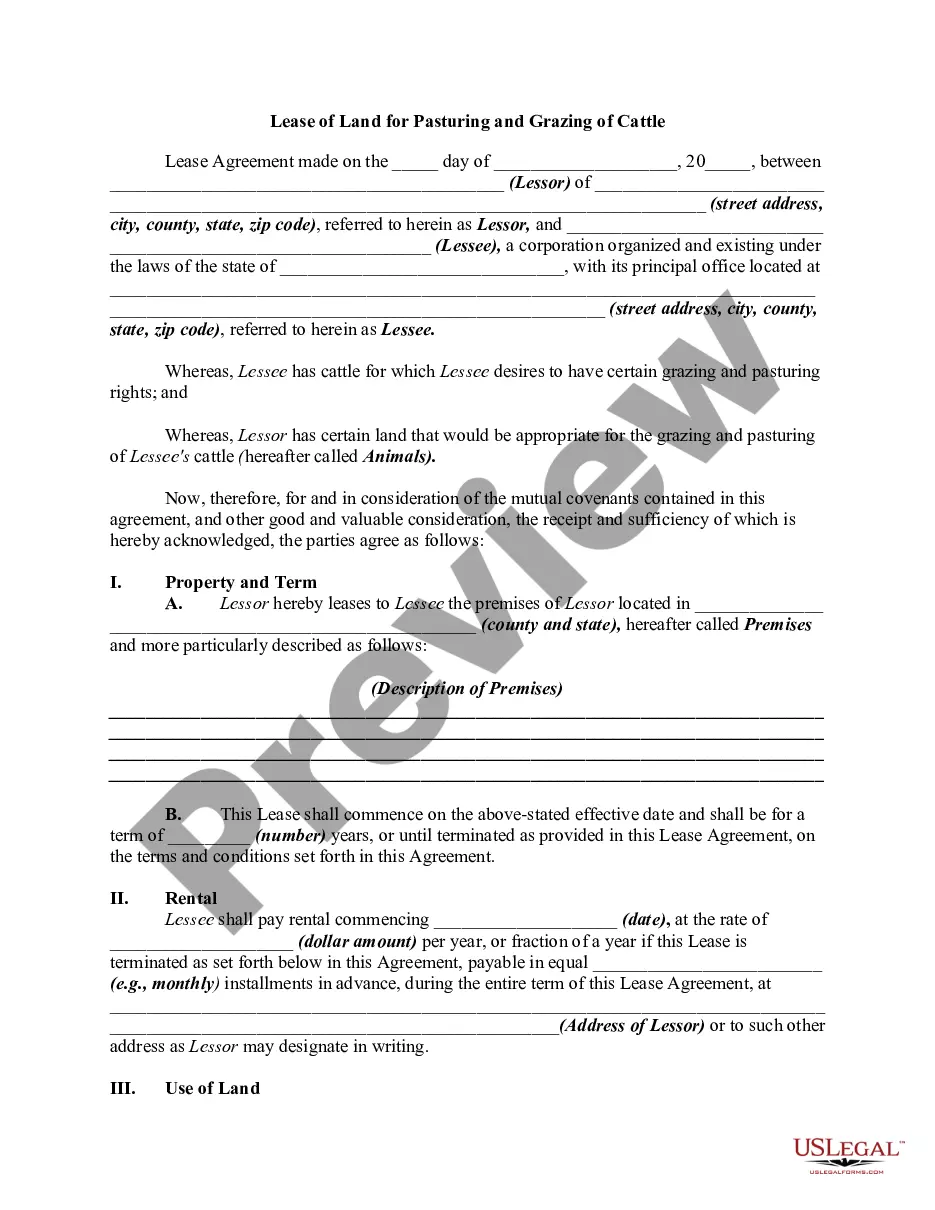
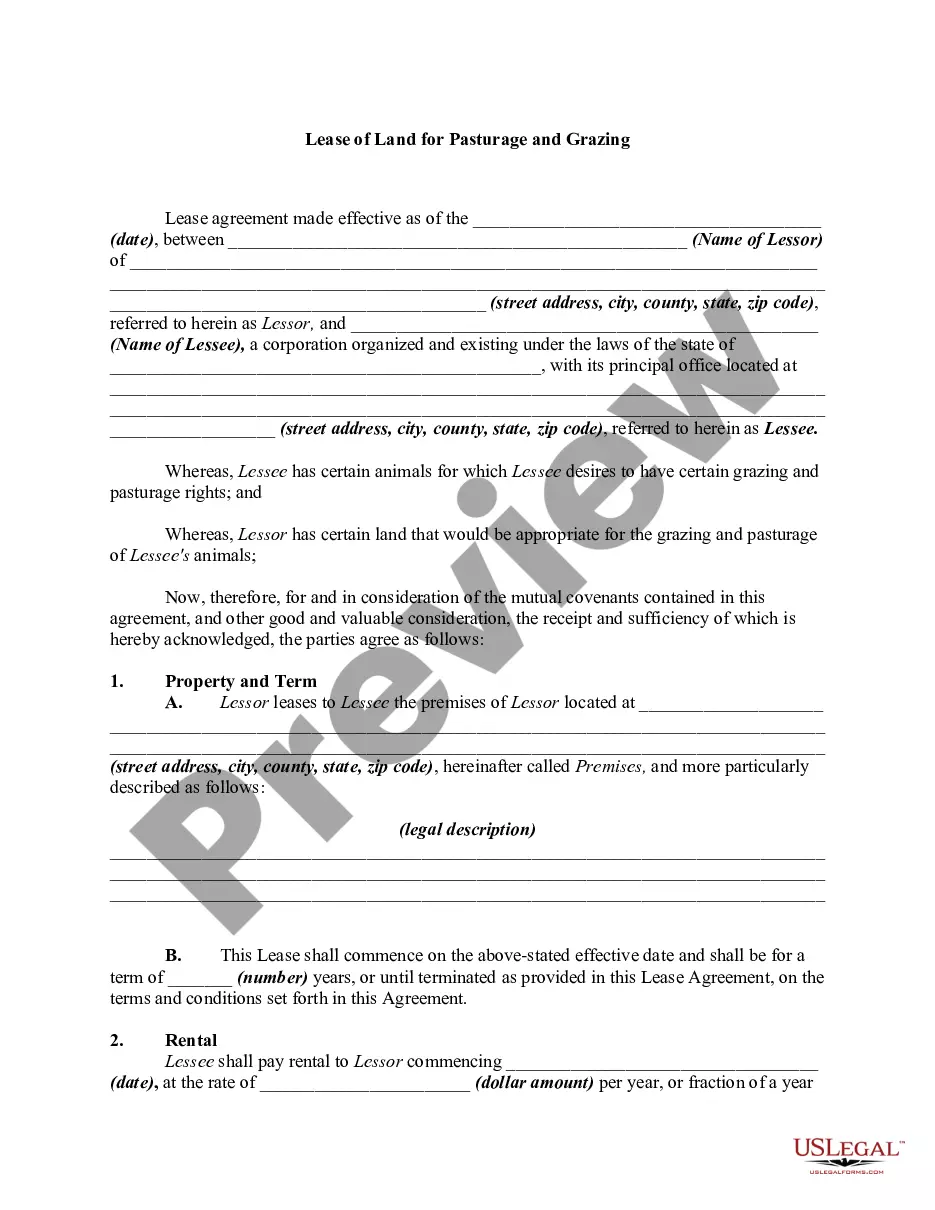
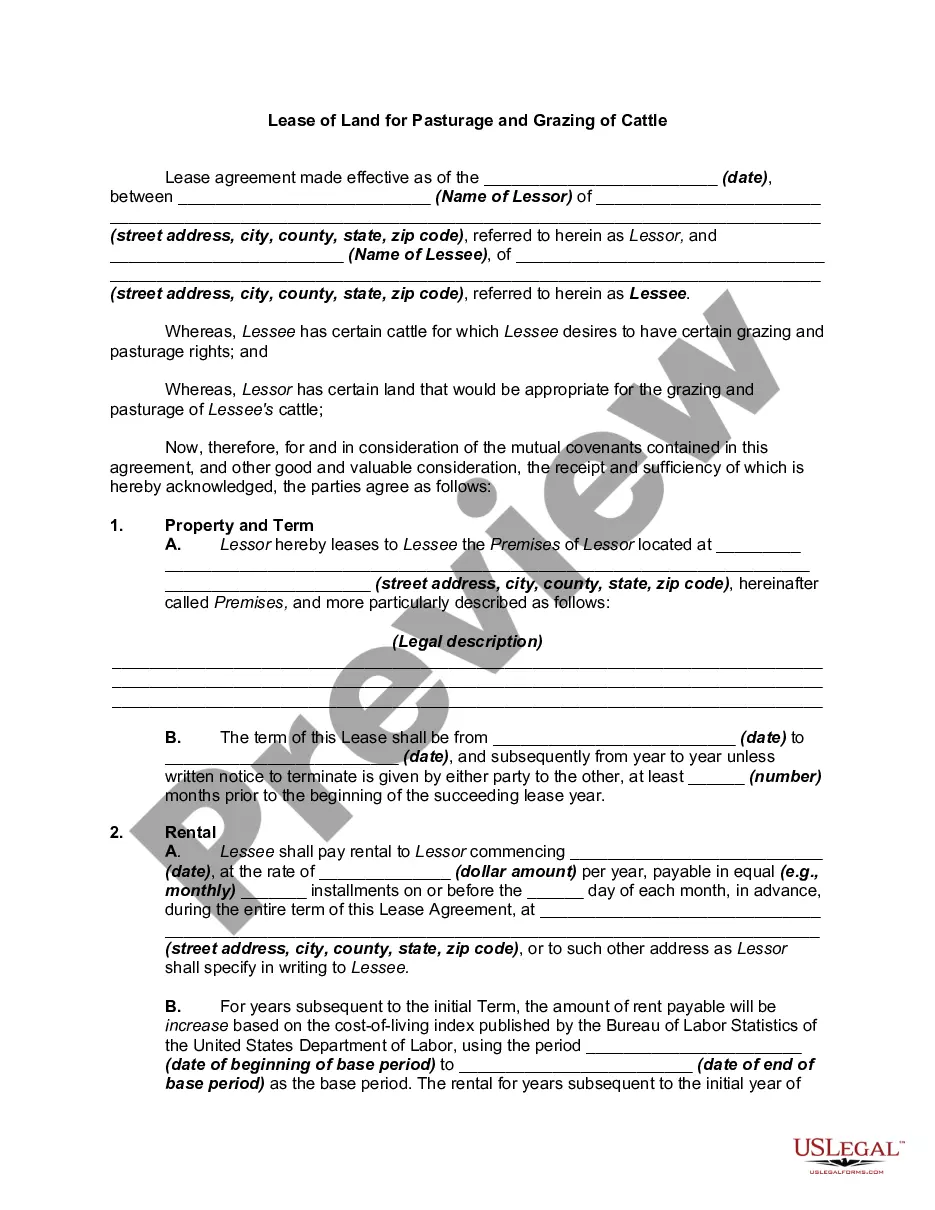
Get your form ready online
Our built-in tools help you complete, sign, share, and store your documents in one place.
Make edits, fill in missing information, and update formatting in US Legal Forms—just like you would in MS Word.
Download a copy, print it, send it by email, or mail it via USPS—whatever works best for your next step.
Sign and collect signatures with our SignNow integration. Send to multiple recipients, set reminders, and more. Go Premium to unlock E-Sign.
If this form requires notarization, complete it online through a secure video call—no need to meet a notary in person or wait for an appointment.
We protect your documents and personal data by following strict security and privacy standards.

Make edits, fill in missing information, and update formatting in US Legal Forms—just like you would in MS Word.

Download a copy, print it, send it by email, or mail it via USPS—whatever works best for your next step.

Sign and collect signatures with our SignNow integration. Send to multiple recipients, set reminders, and more. Go Premium to unlock E-Sign.

If this form requires notarization, complete it online through a secure video call—no need to meet a notary in person or wait for an appointment.

We protect your documents and personal data by following strict security and privacy standards.
Looking for another form?





Form popularity
FAQ
Rental income in Ohio is subject to state and federal taxes.
Is a rental license required to be a landlord? In Ohio, landlords with rental property located in an Ohio County with more than 200,000 residents must register their rental property with the county auditor's office of the county in which the rental property is located.
Before you decide to rent out a room, it's important to thoroughly research and understand municipal zoning laws, which are the local regulations that govern land use and development. Some cities or towns may require landlords to obtain a license or permit before renting to unrelated individuals.
New landlords must obtain a Housing Rental License for their rental property, as well as an interior inspection of the property.
Becoming a landlord requires not only financial resources but also managerial talent, attention to detail and, often, a healthy portion of sweat equity. There may be months when emergency repairs will eat up the potential profits making this role much more than just collecting rent.
You must register your residential rental property with the County even if you have registered your rental property with the municipality where it is located.
The State of Ohio requires that residential rental property owners register their rental properties with the County Auditor.
Landlord Serves a Three- to Thirty-Day Eviction Notice. Landlord Files an Eviction Lawsuit with the Court. Court Serves Tenant a Summons. Tenant Files an Answer. Landlord and Tenant Attend Court Hearing and Receive Judgment. Tenant Gets Up to Ten Days to Move Out. Sheriff Arrives to Forcibly Remove the Tenant.
Filing Instructions Deposit of $150.00 payable to the Cuyahoga County Sheriff. Attorneys must submit an original praecipe and two copies via mail or in person. Private purchasers must complete a Sheriff's Department provided praecipe in person. One (1) self-addressed envelope for a refund (if any)
The landlord then files the complaint with the Clerk of Courts. The court date is set for three weeks from the date of filing. Then, if the eviction is granted, the move-out may take place within seven days from the date of hearing. The process in that case would be completed in approximately five weeks.
