Difference Between Lease And Rental Agreement In Bronx
Description

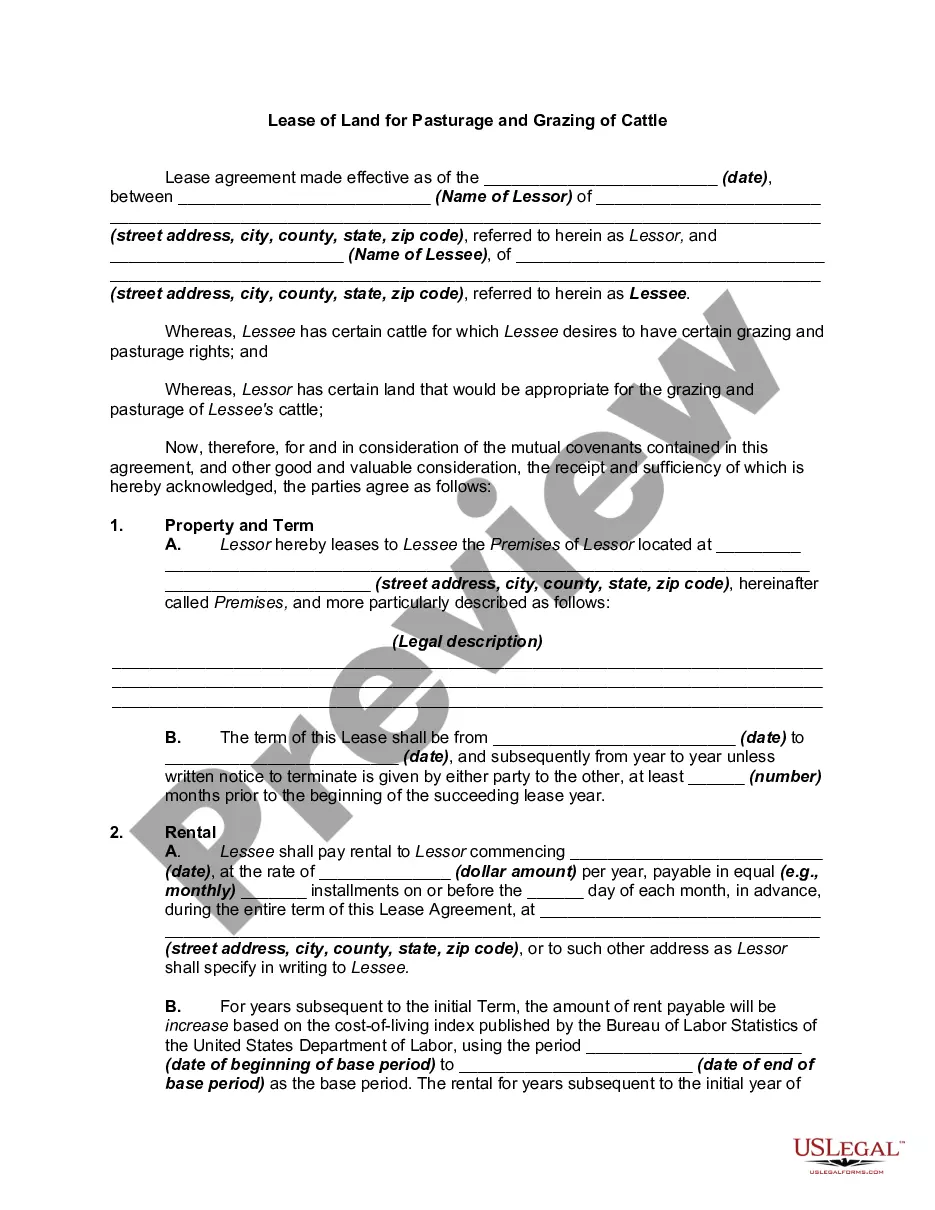
Get your form ready online
Our built-in tools help you complete, sign, share, and store your documents in one place.
Make edits, fill in missing information, and update formatting in US Legal Forms—just like you would in MS Word.
Download a copy, print it, send it by email, or mail it via USPS—whatever works best for your next step.
Sign and collect signatures with our SignNow integration. Send to multiple recipients, set reminders, and more. Go Premium to unlock E-Sign.
If this form requires notarization, complete it online through a secure video call—no need to meet a notary in person or wait for an appointment.
We protect your documents and personal data by following strict security and privacy standards.

Make edits, fill in missing information, and update formatting in US Legal Forms—just like you would in MS Word.

Download a copy, print it, send it by email, or mail it via USPS—whatever works best for your next step.

Sign and collect signatures with our SignNow integration. Send to multiple recipients, set reminders, and more. Go Premium to unlock E-Sign.

If this form requires notarization, complete it online through a secure video call—no need to meet a notary in person or wait for an appointment.

We protect your documents and personal data by following strict security and privacy standards.
Looking for another form?









Form popularity
FAQ
Do leases in NY need to be notarized? No, lease agreements do not need to be notarized in New York. As leases are considered similar to standard contracts valid in the state, notarization is not required.
Tenant Rights When Renting Without a Lease Agreement Right to Habitable Living Conditions. Right to Privacy. Right to Reasonable Notice Before Landlord Entry. Right to Security Deposit Refund. Right to Notice Before Eviction. Right to Defend Against Unlawful Eviction. The Importance of a Safe Living Environment.
Assuming you are not living in a rent regulated unit, your landlord is not legally required to provide reasoning as to why they do not wish to renew your lease. However, this non-renewal cannot be for any discriminatory purposes against you or anyone living in the unit.
Additionally, some leases contain special clauses that allow landlords to end the lease under certain conditions, known as “break clauses.” These clauses must specify the circumstances under which the landlord can terminate the lease early, and landlords must adhere to these terms precisely to enforce break clauses ...
The Landlord-Tenant Lawyer can help with getting your holding deposit back for a NYC rental apartment if you never signed a lease.
New York City rent stabilized tenants are entitled to receive a fully executed copy of their signed lease from their landlords within 30 days of the landlord's receipt of the lease signed by the tenant. The lease's beginning and ending dates must be stated.
A New York standard residential lease agreement is a form that allows a landlord and tenant to enter into a legally binding arrangement for leasing residential space. The term "standard" means a fixed term that usually lasts one year.
In New York, it is required for a lease to be enforceable that all parties sign. Which means that your current lease is not binding, but—and this is a major 'but'—if the landlord were to send you a signed copy of the lease now, the lease would become binding.
Lease Expense means, with respect to any Person for any period, all obligations of such Person for payments under leases of real or personal property, whether such leases presently exist or are hereafter entered into by such Person.
Leasing typically requires a larger upfront payment, including a security deposit and the first and last month's rent, while renting may have lower initial costs. It's important to note that leasing usually involves fixed monthly payments, while the monthly rent amount for a rental property may fluctuate over time.
