Lease Without License In Allegheny
Description

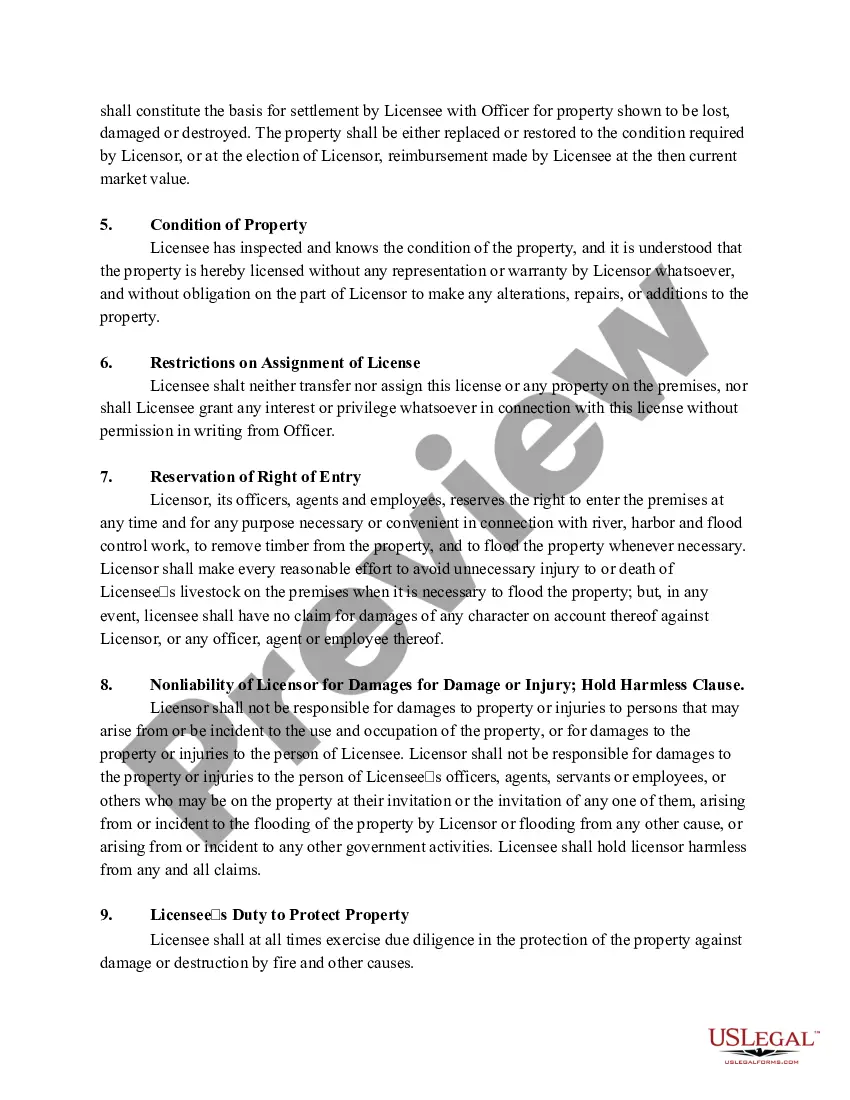
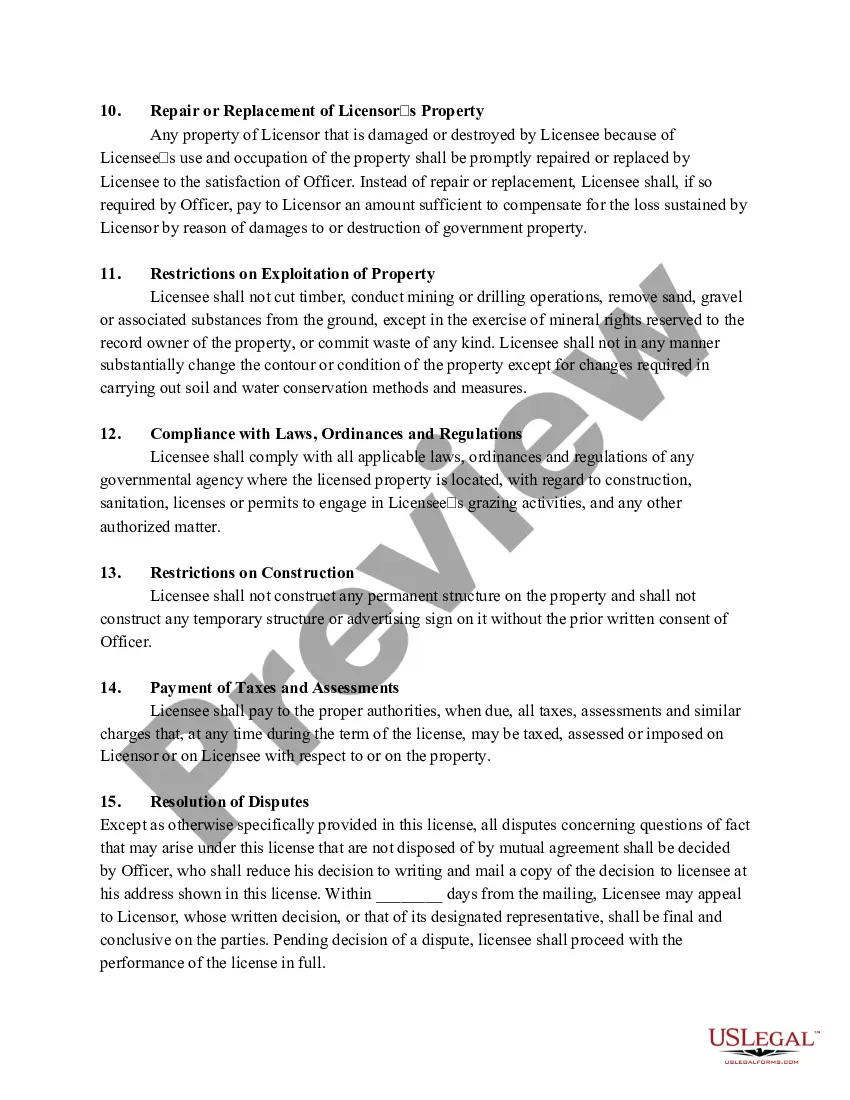
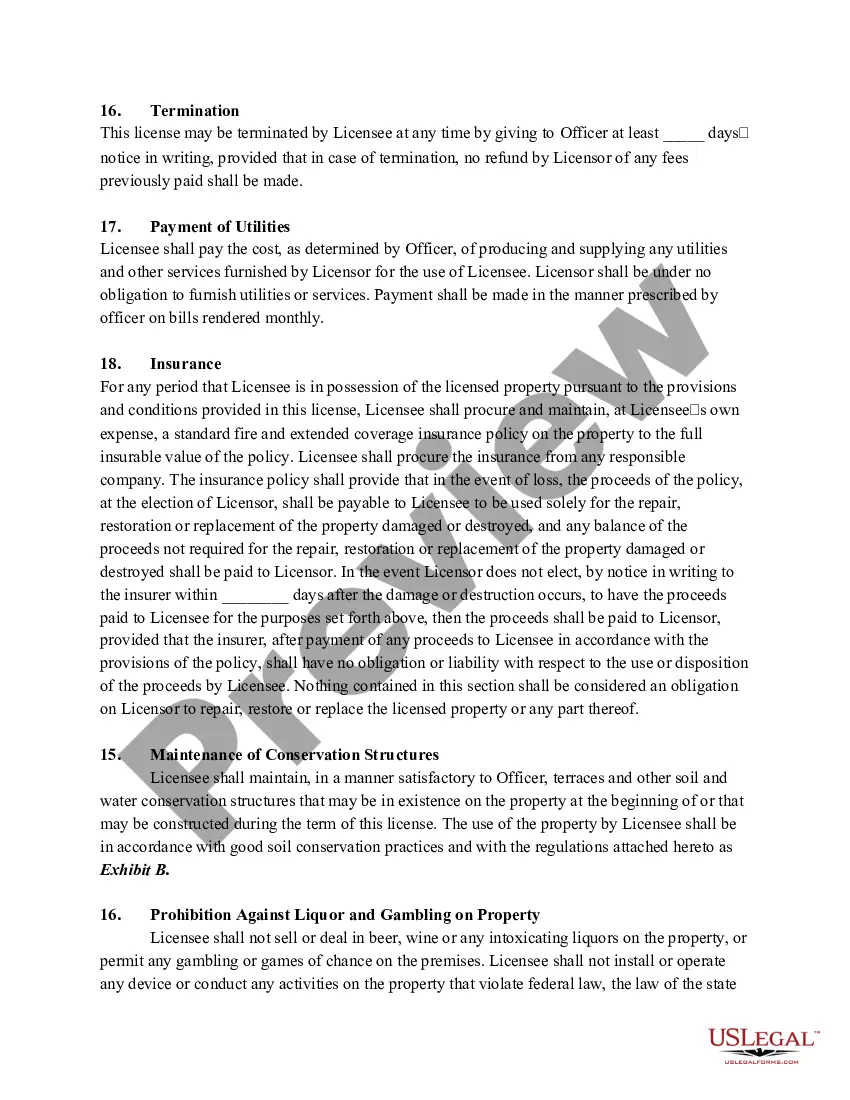
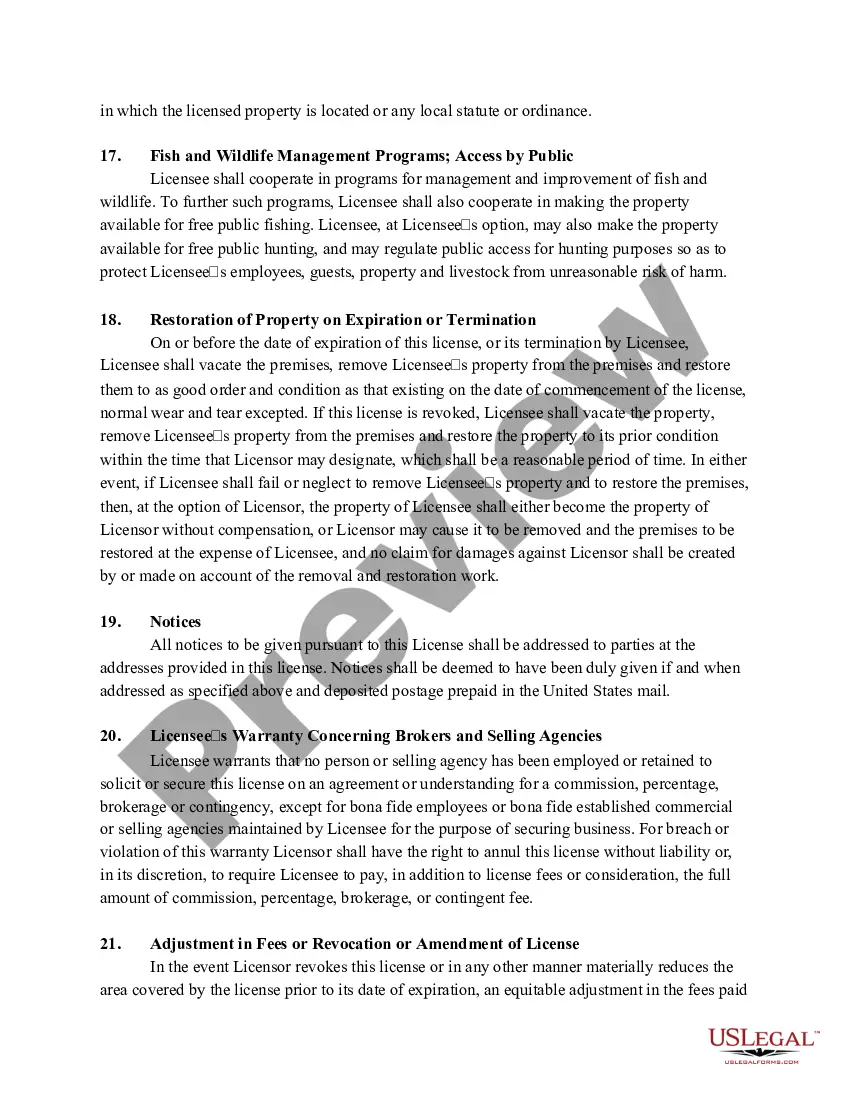
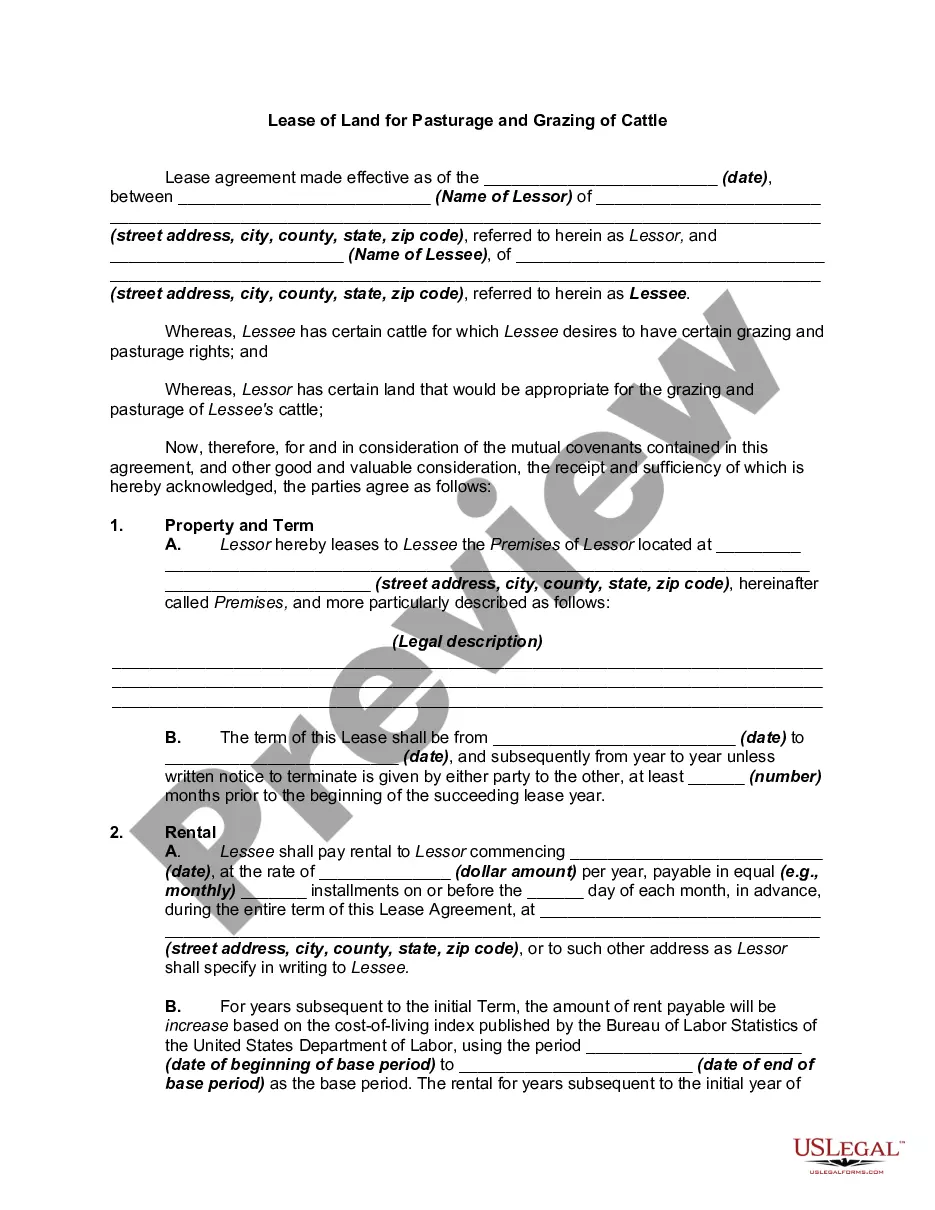
Get your form ready online
Our built-in tools help you complete, sign, share, and store your documents in one place.
Make edits, fill in missing information, and update formatting in US Legal Forms—just like you would in MS Word.
Download a copy, print it, send it by email, or mail it via USPS—whatever works best for your next step.
Sign and collect signatures with our SignNow integration. Send to multiple recipients, set reminders, and more. Go Premium to unlock E-Sign.
If this form requires notarization, complete it online through a secure video call—no need to meet a notary in person or wait for an appointment.
We protect your documents and personal data by following strict security and privacy standards.

Make edits, fill in missing information, and update formatting in US Legal Forms—just like you would in MS Word.

Download a copy, print it, send it by email, or mail it via USPS—whatever works best for your next step.

Sign and collect signatures with our SignNow integration. Send to multiple recipients, set reminders, and more. Go Premium to unlock E-Sign.

If this form requires notarization, complete it online through a secure video call—no need to meet a notary in person or wait for an appointment.

We protect your documents and personal data by following strict security and privacy standards.
Looking for another form?








Form popularity
FAQ
In Pennsylvania, there is no statewide requirement for landlords to have a rental license. However, local municipalities may require a rental license for property owners.
Entry-Level/Unlicensed Property Manager These kinds of roles might be listed as “leasing agent,” “apartment manager,” “onsite manager,” and so on. Your duties would most likely include administrative tasks, such as maintenance operations, tenant relations, and rent collection.
Property managers in Pennsylvania must comply with specific licensing requirements. They need to obtain a real estate license from the Pennsylvania Real Estate Commission, signifying that they are legally authorized to manage property within the state.
On the lease issue, there is no lease unless signed by both. However, lease or no lease, once in possession landlord has basic obligations and cannot harass, retaliate, discriminate, fail to make repairs or otherwise interfere with tenancy.
Following previous attempts to establish similar programs and years of advocacy by countless community stakeholders, the program is advancing thanks to the passage of Ordinance 2022-0270 in 2023, which amended the Pittsburgh City Code to require permits for rental units.
Pennsylvania has no rent-control law. Landlords may raise the rent as much as they want. However, changes must be made in ance with your contract (your lease).
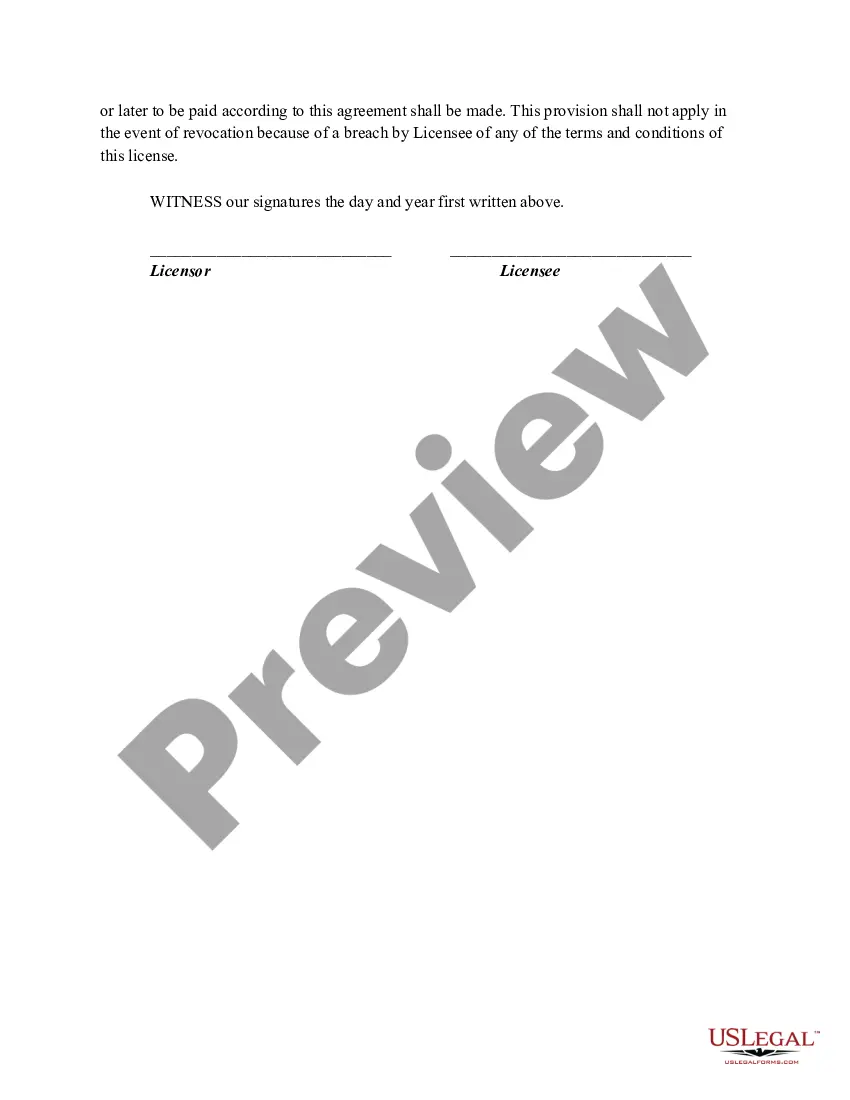
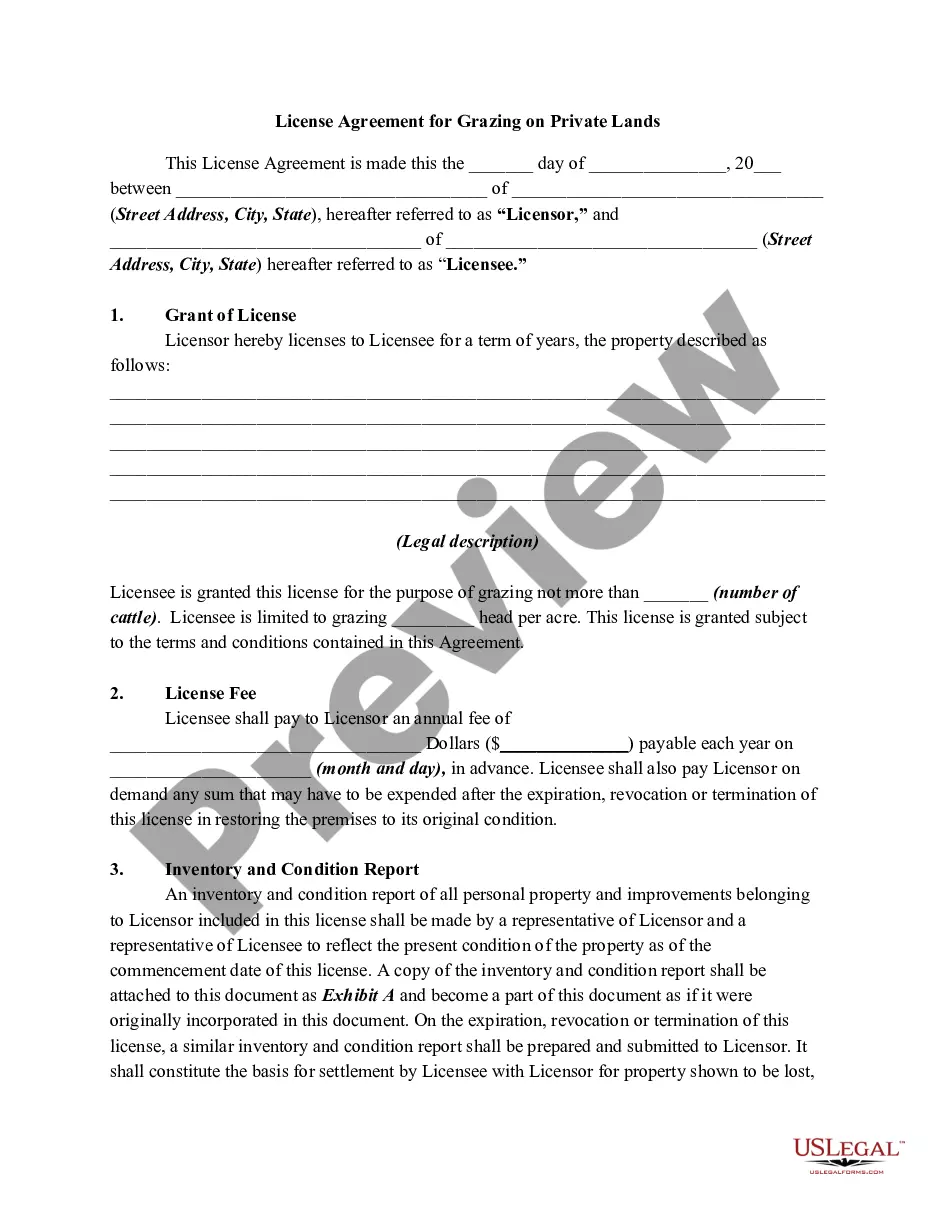
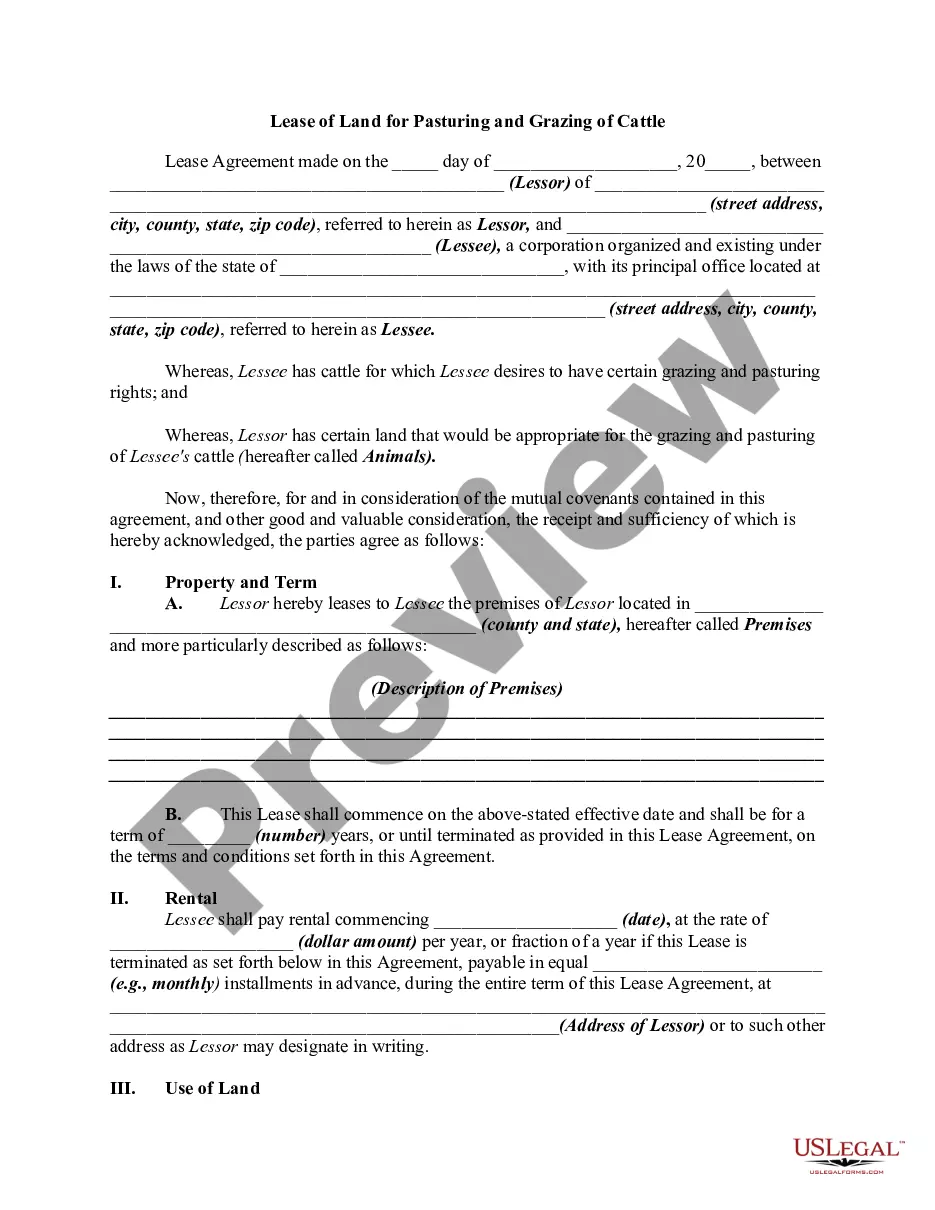
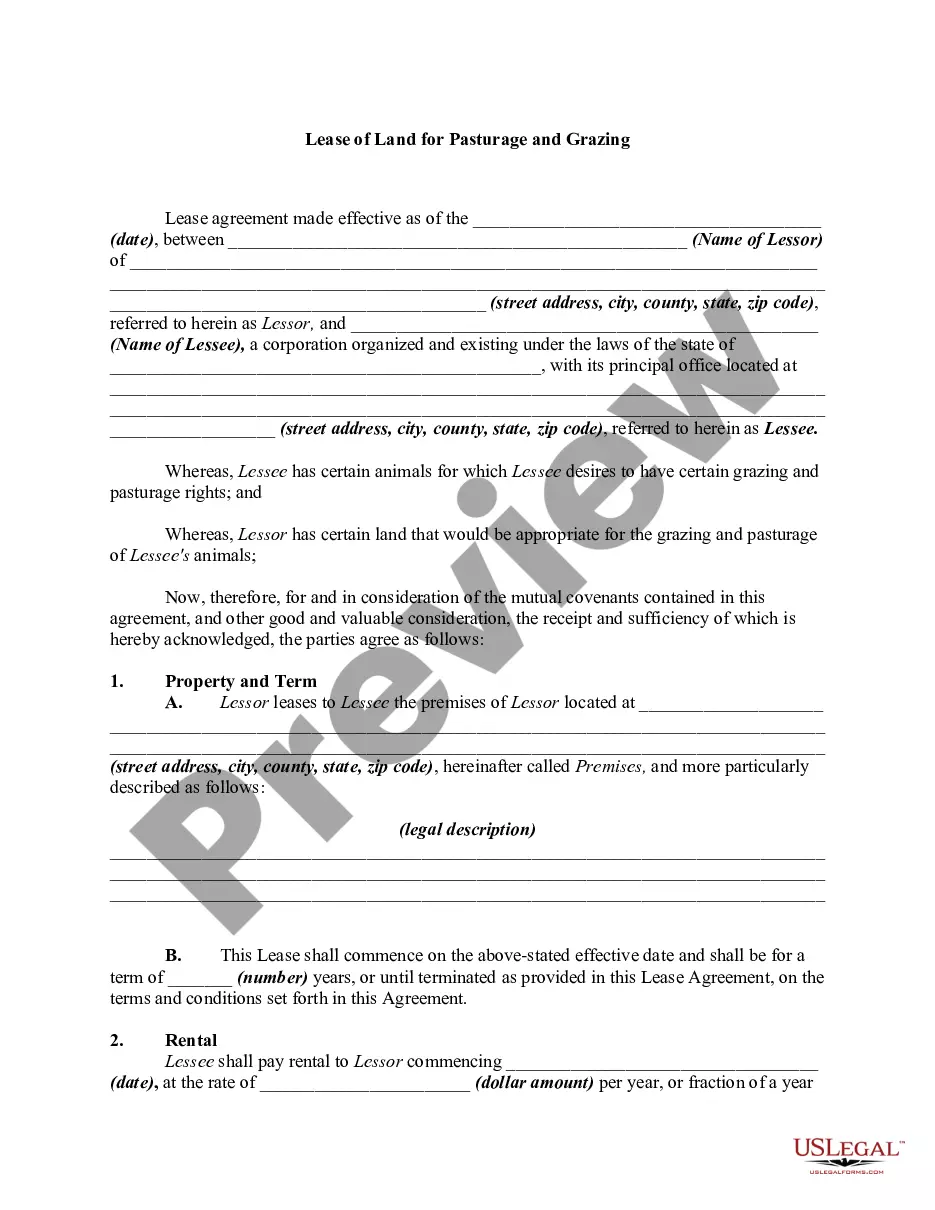
A lease is a conveyance of exclusive possession of specific property… usually in consideration of the payment of rent, which vests an estate in the grantee, while a license, on the other hand, merely makes permissible acts on the land of another that would otherwise lack permission.
Obtaining the Necessary Permits To legally operate a rental unit or Airbnb in Pittsburgh, property owners must apply for and obtain the correct permits. The City Council has mandated that all short-term rental units must go through a permitting and inspection process to regulate these properties effectively.
