Denied Claim Agreement For Primary Eob In Washington
Description
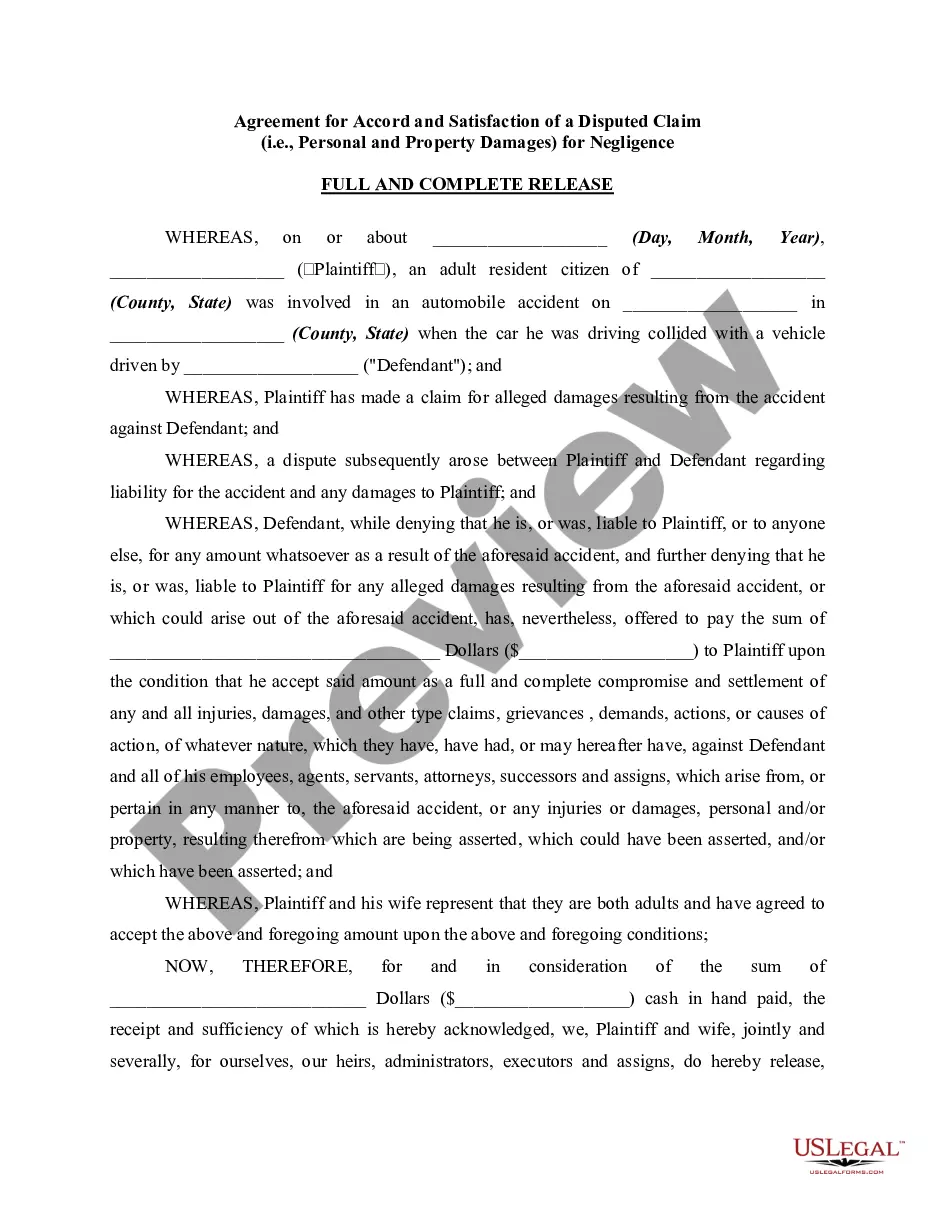
Get your form ready online
Our built-in tools help you complete, sign, share, and store your documents in one place.
Make edits, fill in missing information, and update formatting in US Legal Forms—just like you would in MS Word.
Download a copy, print it, send it by email, or mail it via USPS—whatever works best for your next step.
Sign and collect signatures with our SignNow integration. Send to multiple recipients, set reminders, and more. Go Premium to unlock E-Sign.
If this form requires notarization, complete it online through a secure video call—no need to meet a notary in person or wait for an appointment.
We protect your documents and personal data by following strict security and privacy standards.

Make edits, fill in missing information, and update formatting in US Legal Forms—just like you would in MS Word.

Download a copy, print it, send it by email, or mail it via USPS—whatever works best for your next step.

Sign and collect signatures with our SignNow integration. Send to multiple recipients, set reminders, and more. Go Premium to unlock E-Sign.

If this form requires notarization, complete it online through a secure video call—no need to meet a notary in person or wait for an appointment.

We protect your documents and personal data by following strict security and privacy standards.
Looking for another form?






Form popularity
FAQ
CO (Contractual Obligations): Denotes contractual agreements between the provider and the insurance payer. For instance, CO 97 implies that the claim was denied because the service is included in another service or procedure already adjudicated.
Incorrect patient information: Errors in patient information, such as incorrect insurance ID or demographic details, can result in claim denials. If the healthcare provider submits a claim with inaccurate patient information, it may be denied with code 272.
Denial code 167 means the diagnosis is not covered. Check the 835 Healthcare Policy Identification Segment for more information.
The denial code 227 is triggered when requested information from the patient, or the insured/responsible party is incomplete or not provided. It is a Claim Adjustment Reason Code (CARC) with the Group Code PR – 'patient responsibility'- to denote that the liability of payment adjustment falls on the patient.
CO 129 Payment denied – prior processing information incorrect. Void/replacement error. CO 135 No discharge date permitted for interim claims. CO 151 All dates of service on claim must be within same calendar month, except discharge date can be 1st day of following month.
Denial Code CO 273 signals that the claim exceeds the coverage limits set by a patient's insurance plan. The “CO” stands for Contractual Obligation, meaning the unpaid claim amount is a matter to be resolved between the payer and provider, not the patient.
Denial code 273 is when the healthcare provider exceeded the coverage or program guidelines, resulting in the claim being denied.
This denial code indicates that the necessary supporting documentation or information was not included with the claim, leading to its denial.
