Land Sharing Agreement Format In Chicago
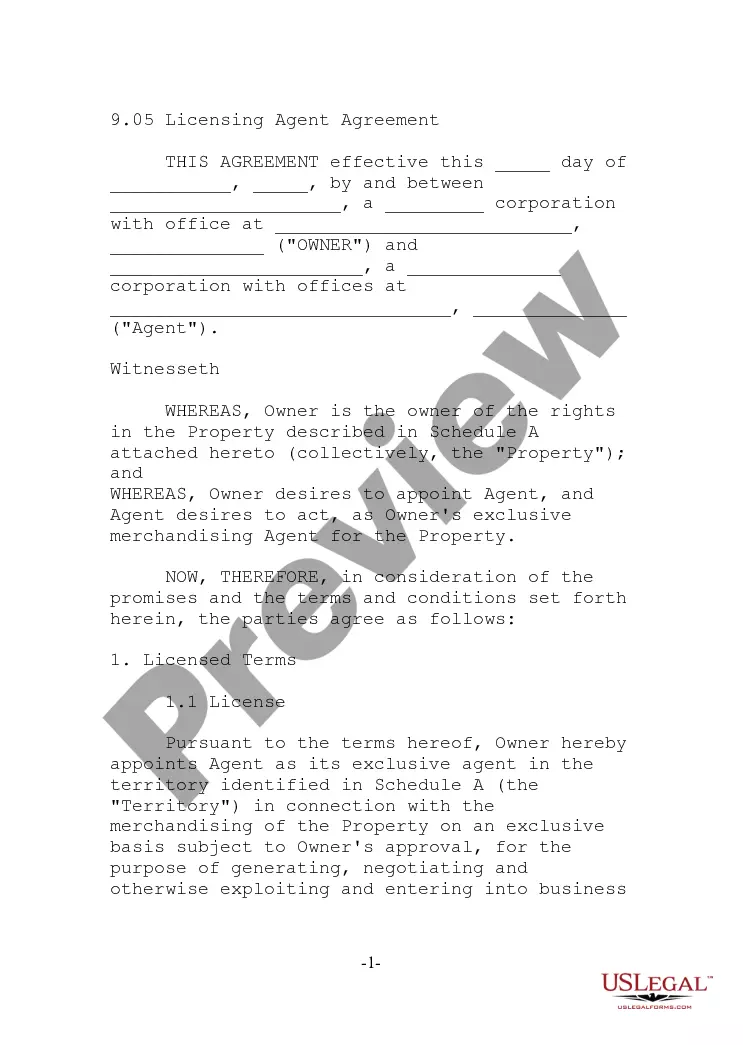
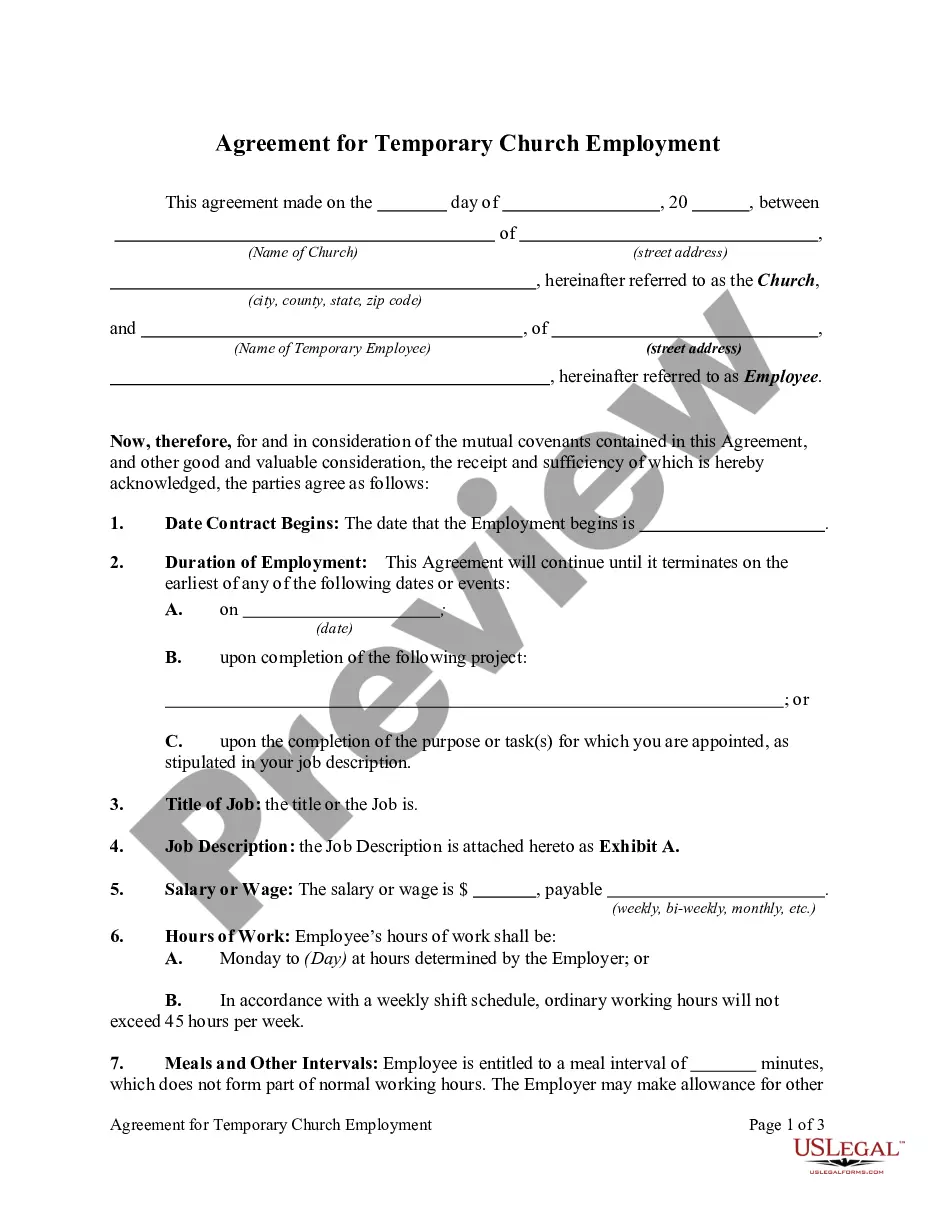
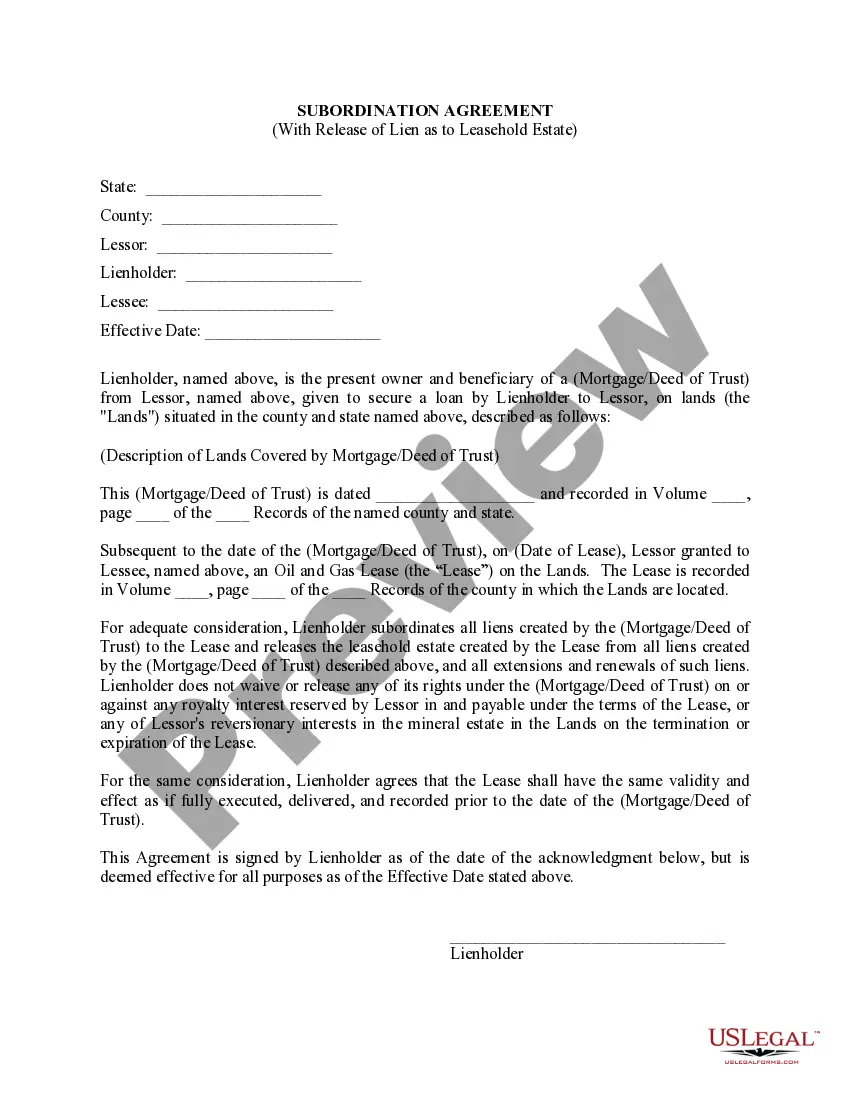
Description






Get your form ready online
Our built-in tools help you complete, sign, share, and store your documents in one place.
Make edits, fill in missing information, and update formatting in US Legal Forms—just like you would in MS Word.
Download a copy, print it, send it by email, or mail it via USPS—whatever works best for your next step.
Sign and collect signatures with our SignNow integration. Send to multiple recipients, set reminders, and more. Go Premium to unlock E-Sign.
If this form requires notarization, complete it online through a secure video call—no need to meet a notary in person or wait for an appointment.
We protect your documents and personal data by following strict security and privacy standards.

Make edits, fill in missing information, and update formatting in US Legal Forms—just like you would in MS Word.

Download a copy, print it, send it by email, or mail it via USPS—whatever works best for your next step.

Sign and collect signatures with our SignNow integration. Send to multiple recipients, set reminders, and more. Go Premium to unlock E-Sign.

If this form requires notarization, complete it online through a secure video call—no need to meet a notary in person or wait for an appointment.

We protect your documents and personal data by following strict security and privacy standards.
Looking for another form?







Form popularity
FAQ
If a property is said to be under agreement or contingent or pending or under contract or active with contract or have a signed offer - it means the same thing. Namely, that there is a signed, accepted offer between Buyer and Seller. And that means that the property is not presently available for sale.
A property agreement is a legal document that outlines the terms and conditions of a real estate transaction. It is an essential tool in any real estate case because it serves as a reference for all parties involved in the transaction.
A property agreement is a legally binding document that outlines the terms and conditions of a sale, lease, or other type of property transaction. It is important to ensure that the agreement is well-drafted and clearly defines the rights and obligations of all parties involved.
Write the contract in six steps Start with a contract template. Open with the basic information. Describe in detail what you have agreed to. Include a description of how the contract will be ended. Write into the contract which laws apply and how disputes will be resolved. Include space for signatures.
Creating a Self-Contract Stick to just one goal. Write down the steps you need to take to achieve the goal. Set a deadline for the contract to one day, or a week at most. Keep it short and focused, but formal. Focus on the upsides of the contract. Change the contract if you feel that you've accomplished it already.
How to draft a contract between two parties: A step-by-step checklist Know your parties. Agree on the terms. Set clear boundaries. Spell out the consequences. Specify how you will resolve disputes. Cover confidentiality. Check the legality of the contract. Open it up to negotiation.
The five most important considerations when creating a ProfitSharing Agreement Clarify expectations. Define the role. Begin with a fixed-term agreement. Calculate how much and when to share profits. Agree on what happens when the business has losses.
