Here Denied Claim For Capitation In San Antonio
Description
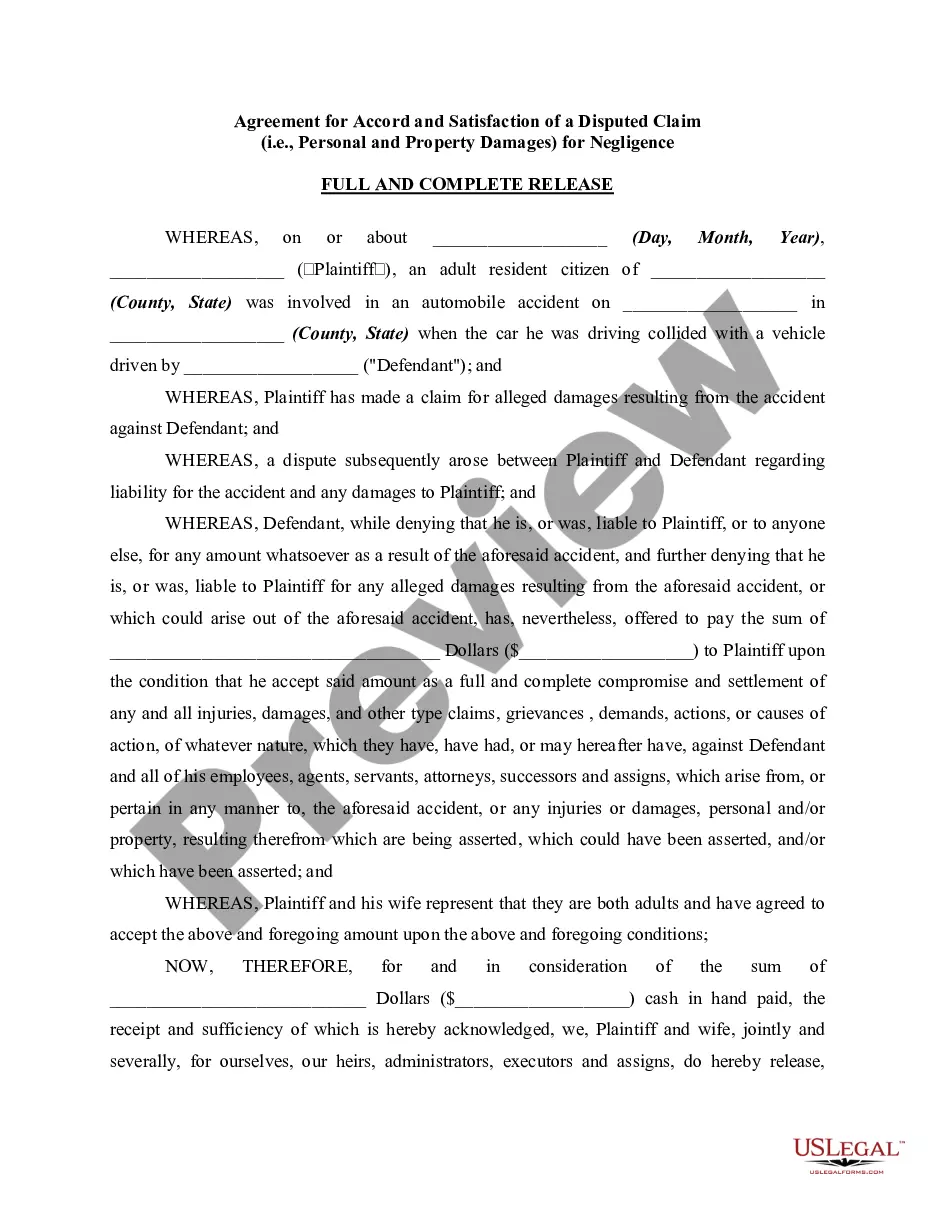
Get your form ready online
Our built-in tools help you complete, sign, share, and store your documents in one place.
Make edits, fill in missing information, and update formatting in US Legal Forms—just like you would in MS Word.
Download a copy, print it, send it by email, or mail it via USPS—whatever works best for your next step.
Sign and collect signatures with our SignNow integration. Send to multiple recipients, set reminders, and more. Go Premium to unlock E-Sign.
If this form requires notarization, complete it online through a secure video call—no need to meet a notary in person or wait for an appointment.
We protect your documents and personal data by following strict security and privacy standards.

Make edits, fill in missing information, and update formatting in US Legal Forms—just like you would in MS Word.

Download a copy, print it, send it by email, or mail it via USPS—whatever works best for your next step.

Sign and collect signatures with our SignNow integration. Send to multiple recipients, set reminders, and more. Go Premium to unlock E-Sign.

If this form requires notarization, complete it online through a secure video call—no need to meet a notary in person or wait for an appointment.

We protect your documents and personal data by following strict security and privacy standards.
Looking for another form?
Form popularity
FAQ
Denial code M28. Remark code M28 indicates a service isn't eligible for Part B payment when Part A is exhausted or unavailable.
CO (Contractual Obligations) is the amount between what you billed and the amount allowed by the payer when you are in-network with them. This is the amount that the provider is contractually obligated to adjust from the claim.
What is Denial Code 284. Denial code 284 is used when the precertification, authorization, notification, or pre-treatment number provided by the healthcare provider may be valid, but it does not apply to the specific services that were billed.
This denial code indicates that the necessary supporting documentation or information was not included with the claim, leading to its denial.
The CO 24 denial code is used to indicate that the claim made has been denied due to the patient's insurance coverage under a capitation agreement or a managed care plan.
What is Denial Code 109. Denial code 109 means that the claim or service you submitted is not covered by the specific payer or contractor you sent it to. In order to resolve this, you will need to send the claim or service to the correct payer or contractor who does cover it.
Preventive, diagnostic, and treatment services. Injections, immunizations, and medications administered in the office. Outpatient laboratory tests done either in the office or at a designated laboratory. Health education and counseling services performed in the office.
This denial means that the claim was denied because the charges are covered under a capitation agreement or managed care plan - in this case, the Medicare Advantage plan.
Denial 167 is one of the most frequently triggered Claim Adjustment Reason Codes (CARC) in healthcare billing. It indicates that the government or private insurance payer has denied the payment for the rendered services due to an uncovered diagnosis(es).
The CO 27 Denial Code signals that health care services were provided to a patient after the termination of their insurance policy. Digging deeper into the framework of medical billing, it's evident that services need to be rendered while a patient's insurance is still active.
