Here Denied Claim With N265 In Queens
Description
Get your form ready online
Our built-in tools help you complete, sign, share, and store your documents in one place.
Make edits, fill in missing information, and update formatting in US Legal Forms—just like you would in MS Word.
Download a copy, print it, send it by email, or mail it via USPS—whatever works best for your next step.
Sign and collect signatures with our SignNow integration. Send to multiple recipients, set reminders, and more. Go Premium to unlock E-Sign.
If this form requires notarization, complete it online through a secure video call—no need to meet a notary in person or wait for an appointment.
We protect your documents and personal data by following strict security and privacy standards.

Make edits, fill in missing information, and update formatting in US Legal Forms—just like you would in MS Word.

Download a copy, print it, send it by email, or mail it via USPS—whatever works best for your next step.

Sign and collect signatures with our SignNow integration. Send to multiple recipients, set reminders, and more. Go Premium to unlock E-Sign.

If this form requires notarization, complete it online through a secure video call—no need to meet a notary in person or wait for an appointment.

We protect your documents and personal data by following strict security and privacy standards.
Looking for another form?



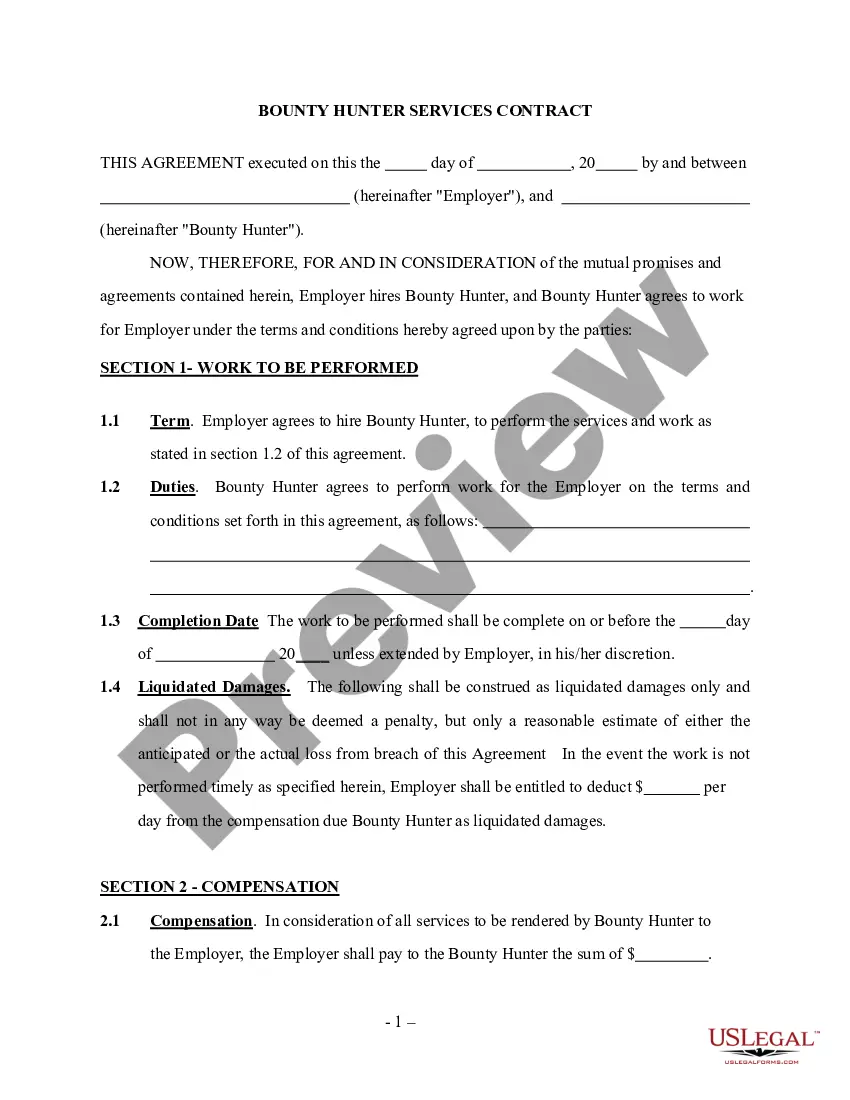
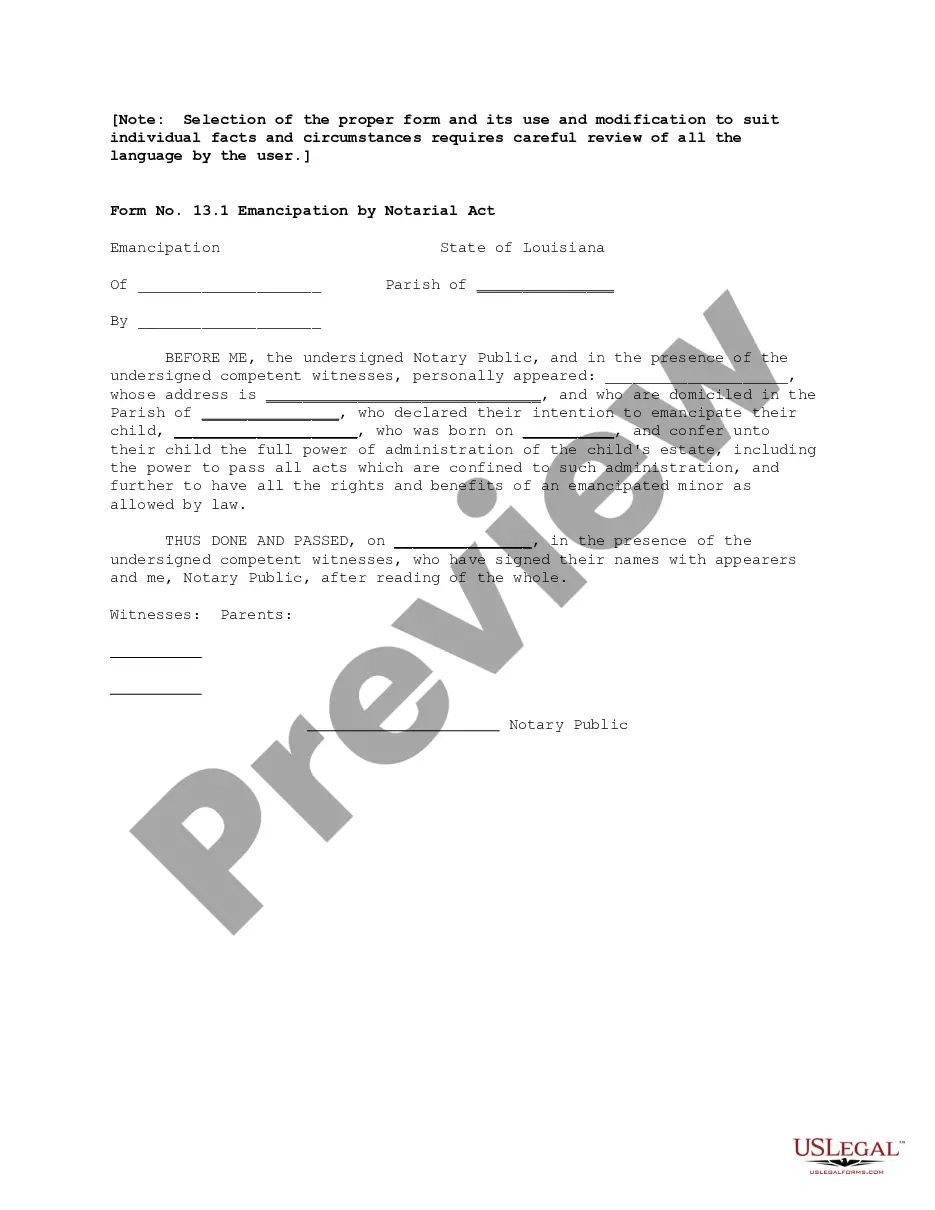

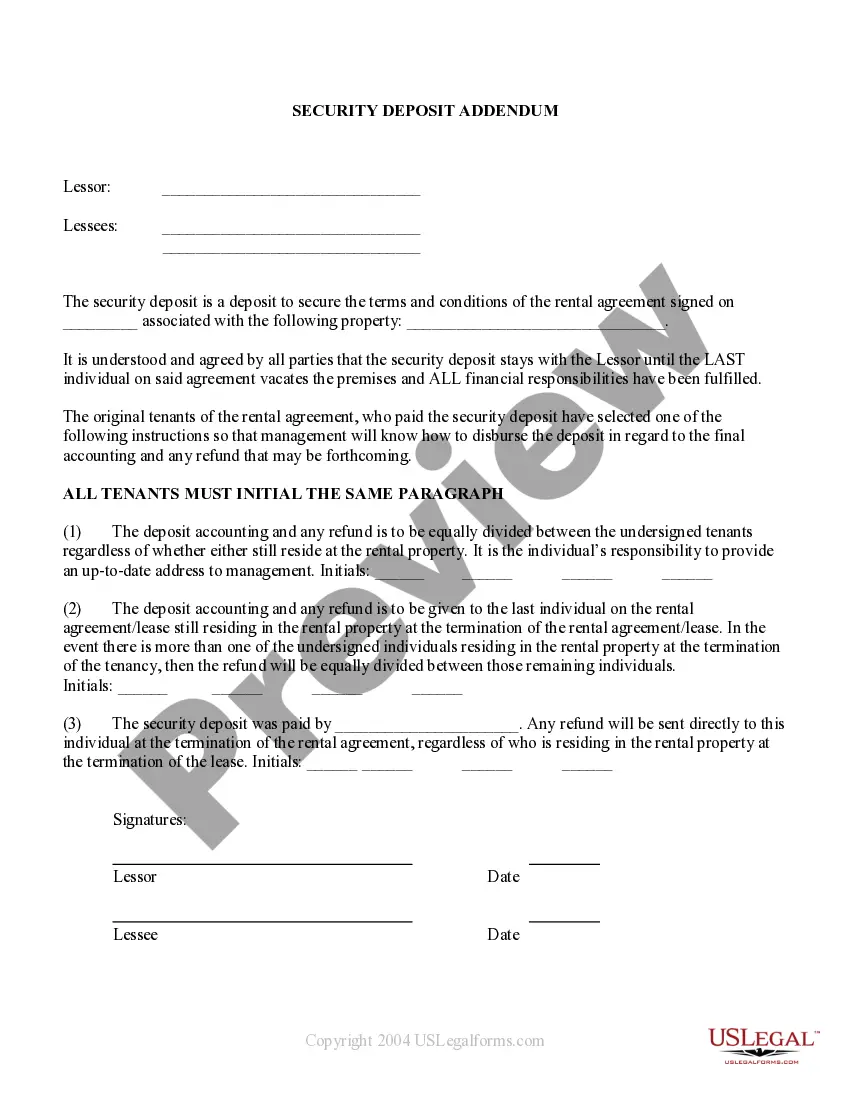
Form popularity
FAQ
This denial code indicates that the necessary supporting documentation or information was not included with the claim, leading to its denial.
CO 256 is a denial code that signifies "the procedure code or bill type is inconsistent with the place of service." In simple terms, this denial code indicates that the billed procedure is not appropriate for the location where the service was rendered.
The CO 256 denial code specifies that a certain service is not payable based on the terms and conditions defined in the managed care contract between the healthcare provider and the insurance payer.
What is Denial Code 55. Denial code 55 is used when a procedure, treatment, or drug is considered experimental or investigational by the payer. This means that the payer does not consider the specific procedure, treatment, or drug to be proven or established as effective for the patient's condition.
What is the CO 253 Denial Code? The CO 253 denial code refers to "services not covered by the payer." This means that the insurance provider has determined that the particular service or procedure is not covered under the patient's policy, resulting in a denial of payment.
How to Address Denial Code N265. The steps to address code N265 involve verifying and updating the ordering provider's information in the claim submission. First, review the claim to ensure that the ordering provider's National Provider Identifier (NPI) is present and accurately entered.
Denial code 256 is when a healthcare provider's service is not covered by a managed care contract, resulting in non-payment.
To resolve a CO 16 denial code, it is essential to identify the correct insurance carrier and resubmit the claim with accurate information. This process may require contacting the patient or gathering updated insurance information from the insurance provider directly.
Denial code 56 is used when a procedure or treatment has not been considered "proven to be effective" by the payer. This means that the insurance company does not believe that the specific procedure or treatment is necessary or beneficial for the patient's condition.

