Denied Claim Agreement With Japan In Pima
Description
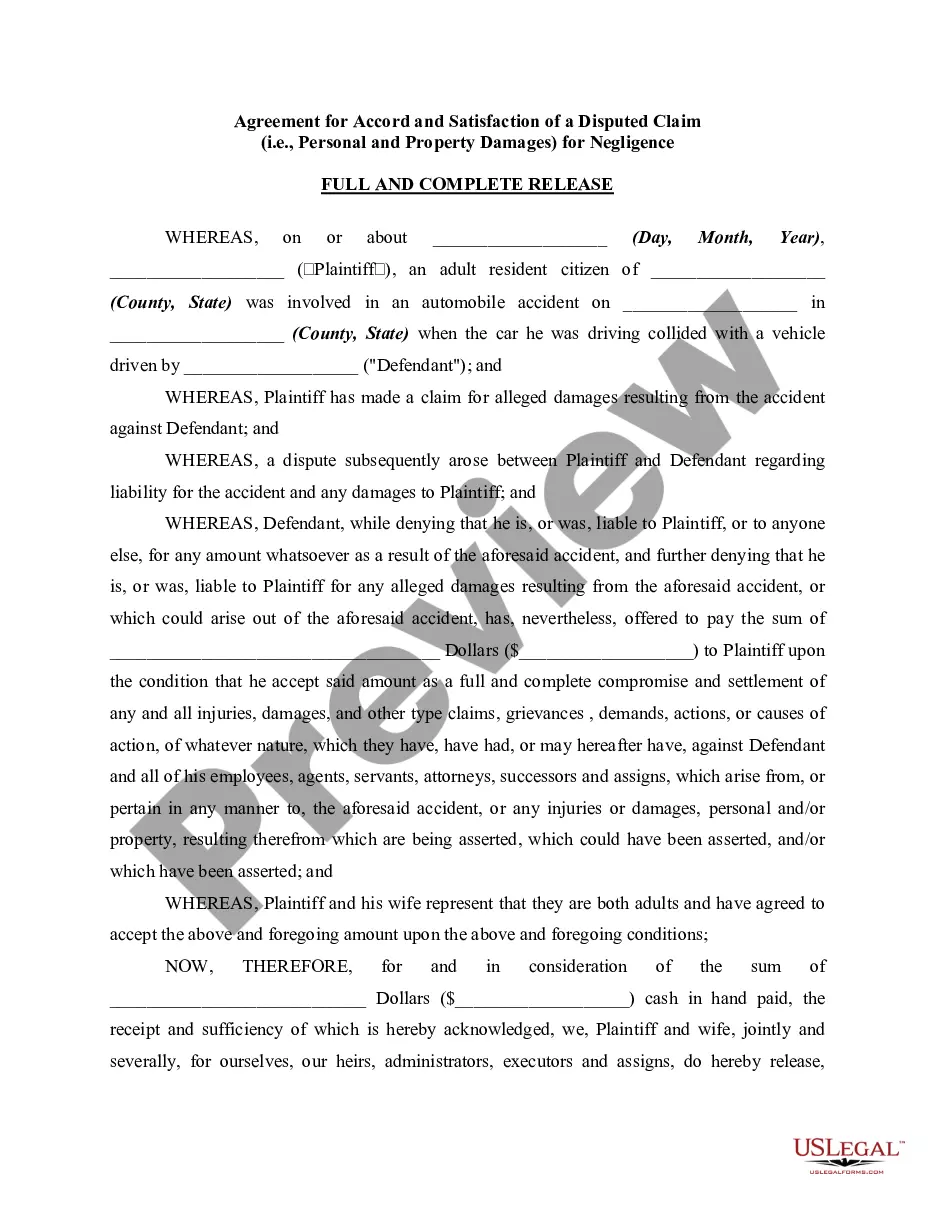
Get your form ready online
Our built-in tools help you complete, sign, share, and store your documents in one place.
Make edits, fill in missing information, and update formatting in US Legal Forms—just like you would in MS Word.
Download a copy, print it, send it by email, or mail it via USPS—whatever works best for your next step.
Sign and collect signatures with our SignNow integration. Send to multiple recipients, set reminders, and more. Go Premium to unlock E-Sign.
If this form requires notarization, complete it online through a secure video call—no need to meet a notary in person or wait for an appointment.
We protect your documents and personal data by following strict security and privacy standards.

Make edits, fill in missing information, and update formatting in US Legal Forms—just like you would in MS Word.

Download a copy, print it, send it by email, or mail it via USPS—whatever works best for your next step.

Sign and collect signatures with our SignNow integration. Send to multiple recipients, set reminders, and more. Go Premium to unlock E-Sign.

If this form requires notarization, complete it online through a secure video call—no need to meet a notary in person or wait for an appointment.

We protect your documents and personal data by following strict security and privacy standards.
Looking for another form?





Form popularity
FAQ
To respond you need to: Download or ask the court for a blank answer form. Respond to each of the numbered claims in the complaint. Briefly explain your responses and raise any defenses you have. File your answer with the court and deliver a copy to the person suing you (or their lawyer, if they have one).
Small Claims. Resolving civil disputes if damages are less than $3,500. A small claims lawsuit is a claim against another party for damages of an amount less than $3,500.00. These lawsuits are designed to resolve civil disputes in front of a small claims hearing officer or a Justice of the Peace.
You may not split a claim and file two separate actions. You may file for the "court costs"in addition to the $10,000 maximum. Civil lawsuits in Arizona are governed by the Justice Court Rules of Civil Procedure (PDF).
The defendant has 20 calendar days from service of process to file an answer (Form No. AOCLJCV4F) to the lawsuit. An answer is your written response that you file with the court admitting or denying the creditor's claims and the reasons why. The answer should respond to each element of the complaint.
The defendant has 20 calendar days from service of process to file an answer (Form No. AOCLJCV4F) to the lawsuit. An answer is your written response that you file with the court admitting or denying the creditor's claims and the reasons why. The answer should respond to each element of the complaint.
A complaint must: Be filed in the correct venue ; Be clearly written, stating the reasons for the claim; and. Not have the amount of ALL the claims exceed $3,500. One claim cannot be split into several smaller claim amounts.
Write in the name and address of the person who filed the Complaint against you, or the name and address of their attorney. You can find this on the Summons that you received. At the end, add your address and phone number and sign the answer.
A small claims lawsuit is a voluntary and simplified procedure. Small claims court may only decide lawsuits in which the plaintiff's claims are not more than $3,500 and the defendant's counterclaims are not more than $3,500, not counting interest and costs.
Arizona's Justice Courts have exclusive jurisdiction over all Small Claims filings. In the justice court, you may file a small claims lawsuit claiming an amount UP TO AND INCLUDING $3500.00.
Small Claims. Resolving civil disputes if damages are less than $3,500. A small claims lawsuit is a claim against another party for damages of an amount less than $3,500.00. These lawsuits are designed to resolve civil disputes in front of a small claims hearing officer or a Justice of the Peace.

