Here Denied Claim For Authorization In Philadelphia
Description
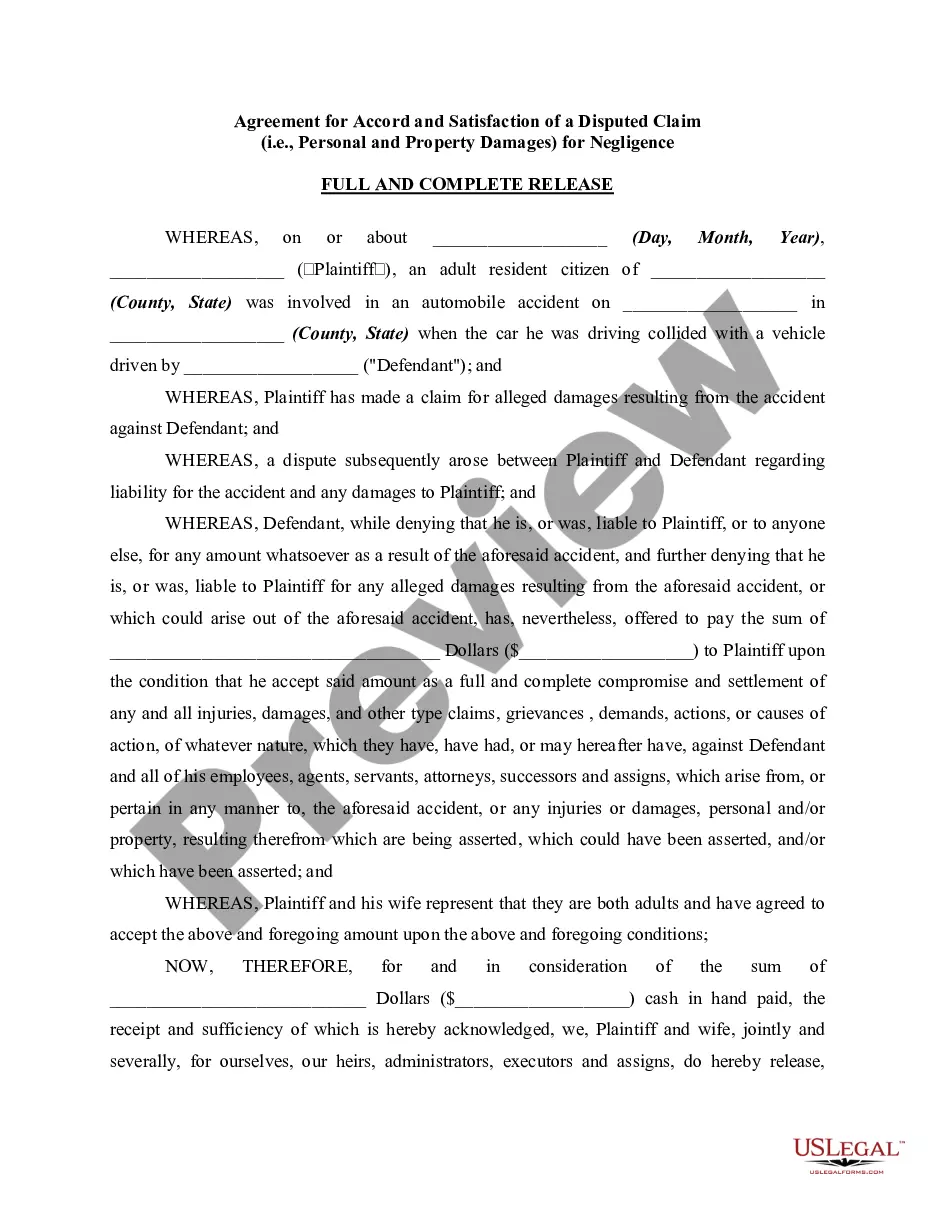
Get your form ready online
Our built-in tools help you complete, sign, share, and store your documents in one place.
Make edits, fill in missing information, and update formatting in US Legal Forms—just like you would in MS Word.
Download a copy, print it, send it by email, or mail it via USPS—whatever works best for your next step.
Sign and collect signatures with our SignNow integration. Send to multiple recipients, set reminders, and more. Go Premium to unlock E-Sign.
If this form requires notarization, complete it online through a secure video call—no need to meet a notary in person or wait for an appointment.
We protect your documents and personal data by following strict security and privacy standards.

Make edits, fill in missing information, and update formatting in US Legal Forms—just like you would in MS Word.

Download a copy, print it, send it by email, or mail it via USPS—whatever works best for your next step.

Sign and collect signatures with our SignNow integration. Send to multiple recipients, set reminders, and more. Go Premium to unlock E-Sign.

If this form requires notarization, complete it online through a secure video call—no need to meet a notary in person or wait for an appointment.

We protect your documents and personal data by following strict security and privacy standards.
Looking for another form?







Form popularity
FAQ
A denied prior auth request can occur when a provider's office submits a wrong billing code, misspells a name or makes another clerical error. Requests can also be denied if the prior auth request lacks sufficient information about why the medication or treatment is needed.
Denial code 197 means that the precertification, authorization, notification, or pre-treatment requirement was not fulfilled or was absent.
Thorough documentation based on a respected clinical source is the best way to obtain preauthorization or appeal a denial. In addition to government sources such as AHRQ, it may be worth asking your most frequent payers what guidelines they use. Clearly document any deviation from evidence-based guidelines.
What does Failed Authorization or Declined mean? These messages mean that there is a problem with the card you are attempting to process. These messages come from the payment processor and to find out the exact reason, we recommend first checking your Failed Authorizations Report.
A high Authorization Denial Rate indicates that the provider's authorization process may be inefficient or ineffective, leading to a significant number of denied claims and revenue loss.
If your request for prior authorization is denied, then you and your patient will be notified about the denial. The first step is to understand the reason behind the denial, so contact the health insurance company to find out the problem. For example, a PA request for a medication might be rejected due to many reasons.
Things to Include in Your Appeal Letter Patient name, policy number, and policy holder name. Accurate contact information for patient and policy holder. Date of denial letter, specifics on what was denied, and cited reason for denial. Doctor or medical provider's name and contact information.
Thorough documentation based on a respected clinical source is the best way to obtain preauthorization or appeal a denial. In addition to government sources such as AHRQ, it may be worth asking your most frequent payers what guidelines they use. Clearly document any deviation from evidence-based guidelines.
If the insurance company indicates a billing error or missing information, patients can work with their physician to review the paperwork and fix any errors that caused the denial. They can also ask the physician to provide backup evidence or notes that could help prove that the prescription is medically necessary.

