Here Denied Claim For Insurance In Middlesex
Description
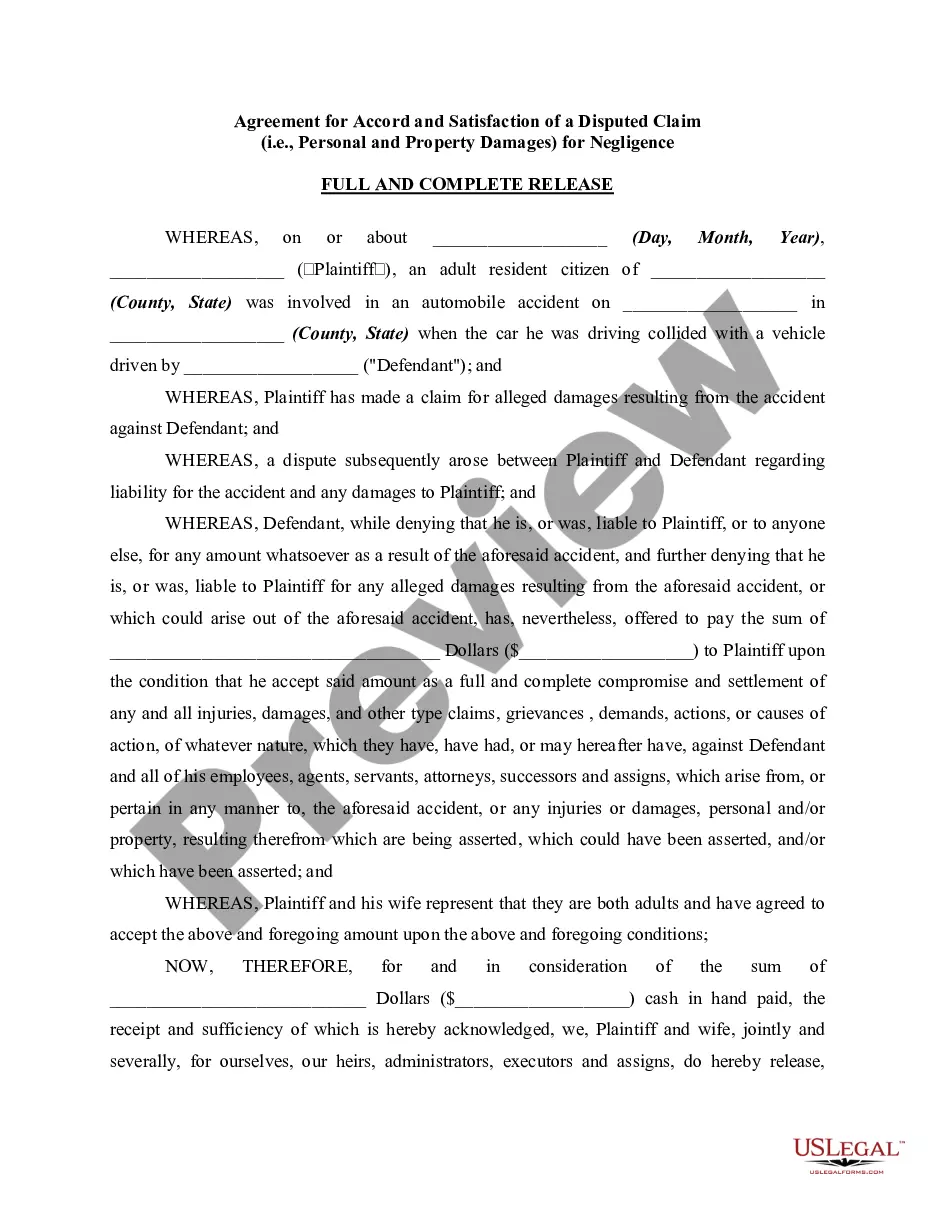
Get your form ready online
Our built-in tools help you complete, sign, share, and store your documents in one place.
Make edits, fill in missing information, and update formatting in US Legal Forms—just like you would in MS Word.
Download a copy, print it, send it by email, or mail it via USPS—whatever works best for your next step.
Sign and collect signatures with our SignNow integration. Send to multiple recipients, set reminders, and more. Go Premium to unlock E-Sign.
If this form requires notarization, complete it online through a secure video call—no need to meet a notary in person or wait for an appointment.
We protect your documents and personal data by following strict security and privacy standards.

Make edits, fill in missing information, and update formatting in US Legal Forms—just like you would in MS Word.

Download a copy, print it, send it by email, or mail it via USPS—whatever works best for your next step.

Sign and collect signatures with our SignNow integration. Send to multiple recipients, set reminders, and more. Go Premium to unlock E-Sign.

If this form requires notarization, complete it online through a secure video call—no need to meet a notary in person or wait for an appointment.

We protect your documents and personal data by following strict security and privacy standards.
Looking for another form?








Form popularity
FAQ
A claim rejection occurs before the claim is processed and most often results from incorrect data. Conversely, a claim denial applies to a claim that has been processed and found to be unpayable. This may be due to terms of the patient-payer contract or for other reasons that emerge during processing.
The Most common reasons for claim rejection Incorrect or missing information on the claim form. Probably the most common reason that a claim is rejected is simple mistakes on the claim form. Errors in billing and coding. Prior authorization and referral issues. Duplicate billing. Timeliness of filing.
Nationwide, high-volume insurers with higher in-network denial rates across HealthCare states included Blue Cross Blue Shield of Alabama (35% for its 12 plans in that state), UnitedHealth Group (33% across 274 plans in 20 states), Health Care Service Corporation (29% across 915 plans in four states), Molina ...
An insurance claims denial is when—at some point in that process—the insurer deems that the information provided is not relevant or satisfactory, or that the service itself was not provided appropriately, and so withholds payment to the physician.
How long does it take to investigate a car insurance claim in the UK? It depends on how complex the case is. Generally, insurance companies must acknowledge a car insurance claim within 21 days. After that, they have up to 3 months to investigate and decide on liability.
Omissions or inaccuracies in your insurance application The insurer can reject your claim if they have reason to believe you didn't take reasonable care to answer all the questions on the application truthfully and accurately. A common example is failure to disclose a pre-existing medical condition.
The insurance company may try to deny your claim for a host of reasons, including: Damages exceeding the limits of the insurance policy coverage. The existing coverage limits already being exhausted. The policy not including the appropriate kind of coverage.
If your resubmitted claim is denied and you believe the denial was improper, you may appeal the decision ing to the carrier's guidelines. Make sure you know exactly what information you need to submit with your appeal. Keep in mind that appeal procedures may vary by insurance company and state law.
If your claim has been denied or your benefits were terminated, and you do not agree with the decision, you have three options: Appeal the decision. File a lawsuit. Negotiate a Settlement.

