Dispute Claim Form For Google In Michigan
Description
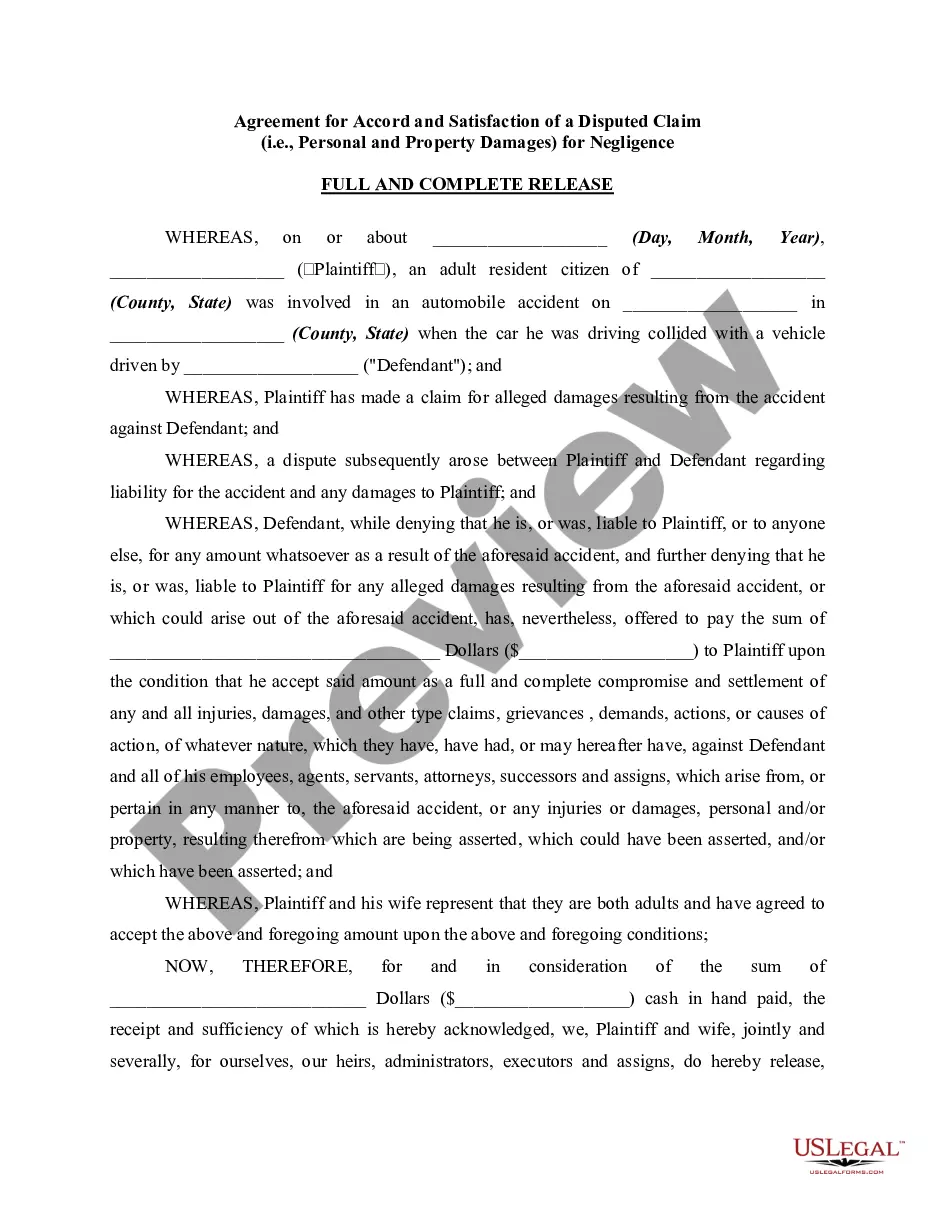
Get your form ready online
Our built-in tools help you complete, sign, share, and store your documents in one place.
Make edits, fill in missing information, and update formatting in US Legal Forms—just like you would in MS Word.
Download a copy, print it, send it by email, or mail it via USPS—whatever works best for your next step.
Sign and collect signatures with our SignNow integration. Send to multiple recipients, set reminders, and more. Go Premium to unlock E-Sign.
If this form requires notarization, complete it online through a secure video call—no need to meet a notary in person or wait for an appointment.
We protect your documents and personal data by following strict security and privacy standards.

Make edits, fill in missing information, and update formatting in US Legal Forms—just like you would in MS Word.

Download a copy, print it, send it by email, or mail it via USPS—whatever works best for your next step.

Sign and collect signatures with our SignNow integration. Send to multiple recipients, set reminders, and more. Go Premium to unlock E-Sign.

If this form requires notarization, complete it online through a secure video call—no need to meet a notary in person or wait for an appointment.

We protect your documents and personal data by following strict security and privacy standards.
Looking for another form?



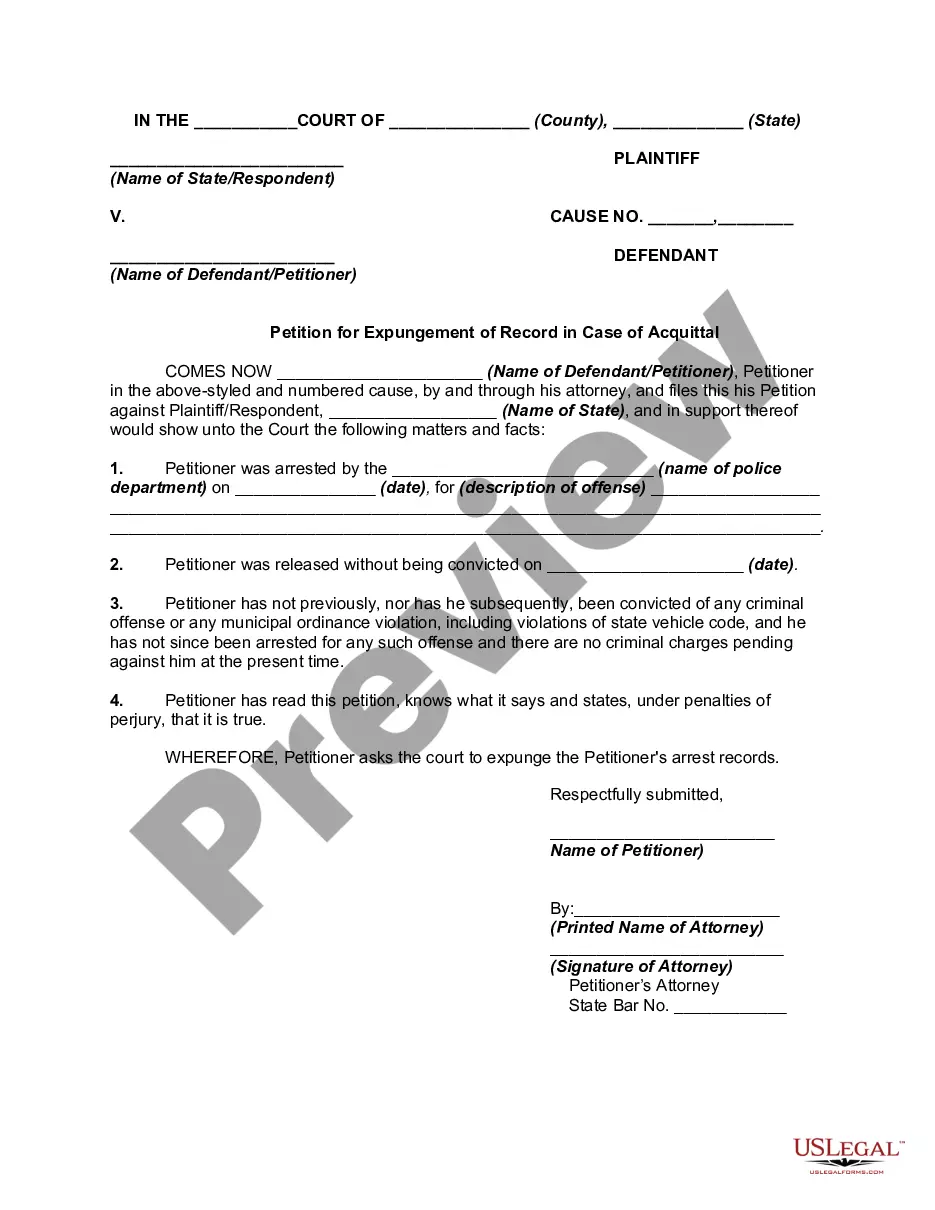






Form popularity
FAQ
File a complaint with your local consumer protection office or the state agency that regulates the company. Notify the Better Business Bureau (BBB) in your area about your problem. The BBB tries to resolve your complaints against companies.
Your complaint may be submitted to the Department using the appropriate Statement of Complaint form which can be obtained by calling (517) 241-9202. The complaint form may also be downloaded online at .michigan/dleg.
For all BBB services including business accreditation, ratings, reviews, and complaints, please visit us online at bbb. Please call 616-774-8236 for general questions or consumer issues.
Your complaint may be submitted to the Department using the appropriate Statement of Complaint form which can be obtained by calling (517) 241-9202. The complaint form may also be downloaded online at .michigan/dleg.
The Michigan Consumer Protection Act (1976 PA 331) gives consumers, prosecutors, and the Attorney General a way to fight deceptive practices. This act prohibits many unfair and deceptive trade practices and gives prosecutors more power to enforce the law.
Personal lawsuits HOA board members hold a fiduciary position. This means they are expected to transact HOA business, especially regarding its finances, with the highest level of integrity. HOA board members may be personally sued for acting negligently or violating their fiduciary duties.
In Michigan, HOAs are usually governed by the Nonprofit Corporation Act 162 of 1982. This act covers how HOAs should be established, managed, and operated. It includes requirements for filing articles of incorporation and creating governing documents like bylaws.
The first letter should state the purpose of the HOA violation, provide evidence, a quick overview if the rules and regulations to reference, and provide a reasonable time period for the homeowner to make the changes. The second letter is a warning letter 14 days after the first letter.
HOA fees are considered “debts” under the FDCPA, and homeowners are protected “consumers.” Victims of unfair debt collection practices can file a complaint with the state's Attorney General's Office, the FTC, or the CFPB.

