Here Denied Claim For Knees In Illinois
Description
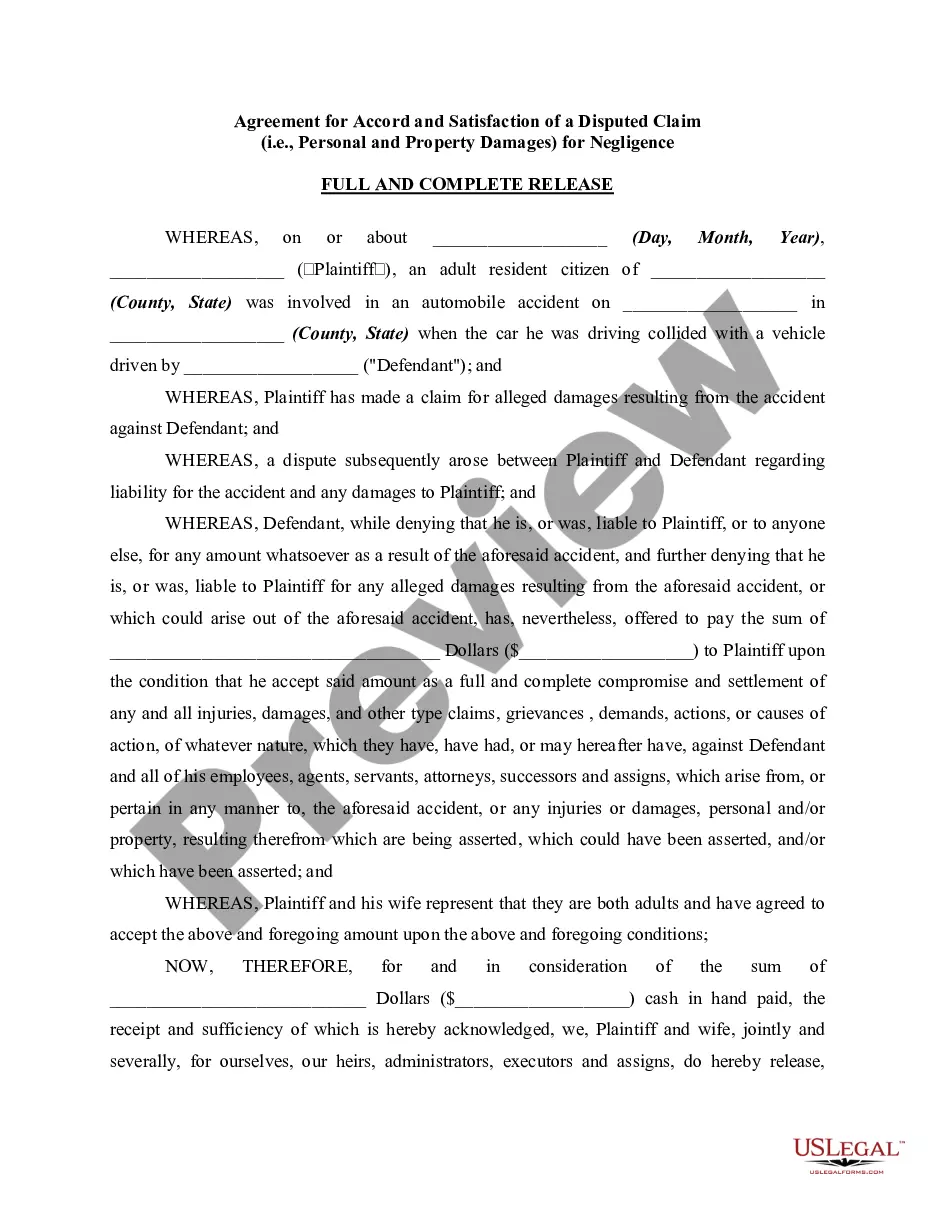
Get your form ready online
Our built-in tools help you complete, sign, share, and store your documents in one place.
Make edits, fill in missing information, and update formatting in US Legal Forms—just like you would in MS Word.
Download a copy, print it, send it by email, or mail it via USPS—whatever works best for your next step.
Sign and collect signatures with our SignNow integration. Send to multiple recipients, set reminders, and more. Go Premium to unlock E-Sign.
If this form requires notarization, complete it online through a secure video call—no need to meet a notary in person or wait for an appointment.
We protect your documents and personal data by following strict security and privacy standards.

Make edits, fill in missing information, and update formatting in US Legal Forms—just like you would in MS Word.

Download a copy, print it, send it by email, or mail it via USPS—whatever works best for your next step.

Sign and collect signatures with our SignNow integration. Send to multiple recipients, set reminders, and more. Go Premium to unlock E-Sign.

If this form requires notarization, complete it online through a secure video call—no need to meet a notary in person or wait for an appointment.

We protect your documents and personal data by following strict security and privacy standards.
Looking for another form?







Form popularity
FAQ
£14,840 to £26,190 for a moderate injury like a dislocation or torn meniscus that causes prolonged pain and mobility loss but not resulting in permanent disability. £26,190 to £96,210 for serious knee injuries that result in a significant permanent disability such as limping or difficulties walking on uneven ground.
Schedule Injuries Calculations involve multiplying 60% of the employee's average weekly wage (AWW) by the weeks on the schedule for the affected body part. This result is then multiplied by a percentage reflecting the severity or loss of use.
If you suffer a knee injury in an accident that wasn't your fault, you are well within your rights to seek compensation. Your claim should cover any pain and suffering you've endured as well as any loss of amenity. Furthermore, it should ensure you don't lose out financially too.
For example, a serious knee injury may be rated 11 to 24 out of 100. The applicable general damages award is between $21,740 and $57,930 (at the time of writing, assuming the Civil Liability Act applies to the claim). If there is no cap, then the court can award you more for general damages.
Workers' compensation claims with the highest settlement value involve catastrophic injuries that have a long-term impact on a victim's life. Workers who sustained severe injuries to delicate organs like the spine, brain, limbs, or burns often deserve a hefty settlement value.
The average knee injury workers' comp settlement is $34,003. However, people with severe knee injuries may be entitled to much more, while those with mild wounds may receive less. Your attorney will advise you of your expected settlement amount based on the severity of your injuries and whether you can work or not.
How to write a letter of reconsideration of appeal Confirm the recipient's information. Consider why you want a reconsideration. Find out why they passed. Support your request. Add a conclusion.
To Whom It May Concern: I am writing to request a review of your denial of the claim for treatment or services provided by name of provider on date provided. The reason for denial was listed as (reason listed for denial), but I have reviewed my policy and believe treatment or service should be covered.
Things to Include in Your Appeal Letter Patient name, policy number, and policy holder name. Accurate contact information for patient and policy holder. Date of denial letter, specifics on what was denied, and cited reason for denial. Doctor or medical provider's name and contact information.
If an insurance company denies a request or claim for medical treatment, insureds have the right to appeal to the company and also to then ask the Department of Insurance to review the denial. These actions often succeed in obtaining needed medical treatment, so a denial by an insurer is not the final word.
