Dispute Claim Form With Insurance Company In Franklin
Description
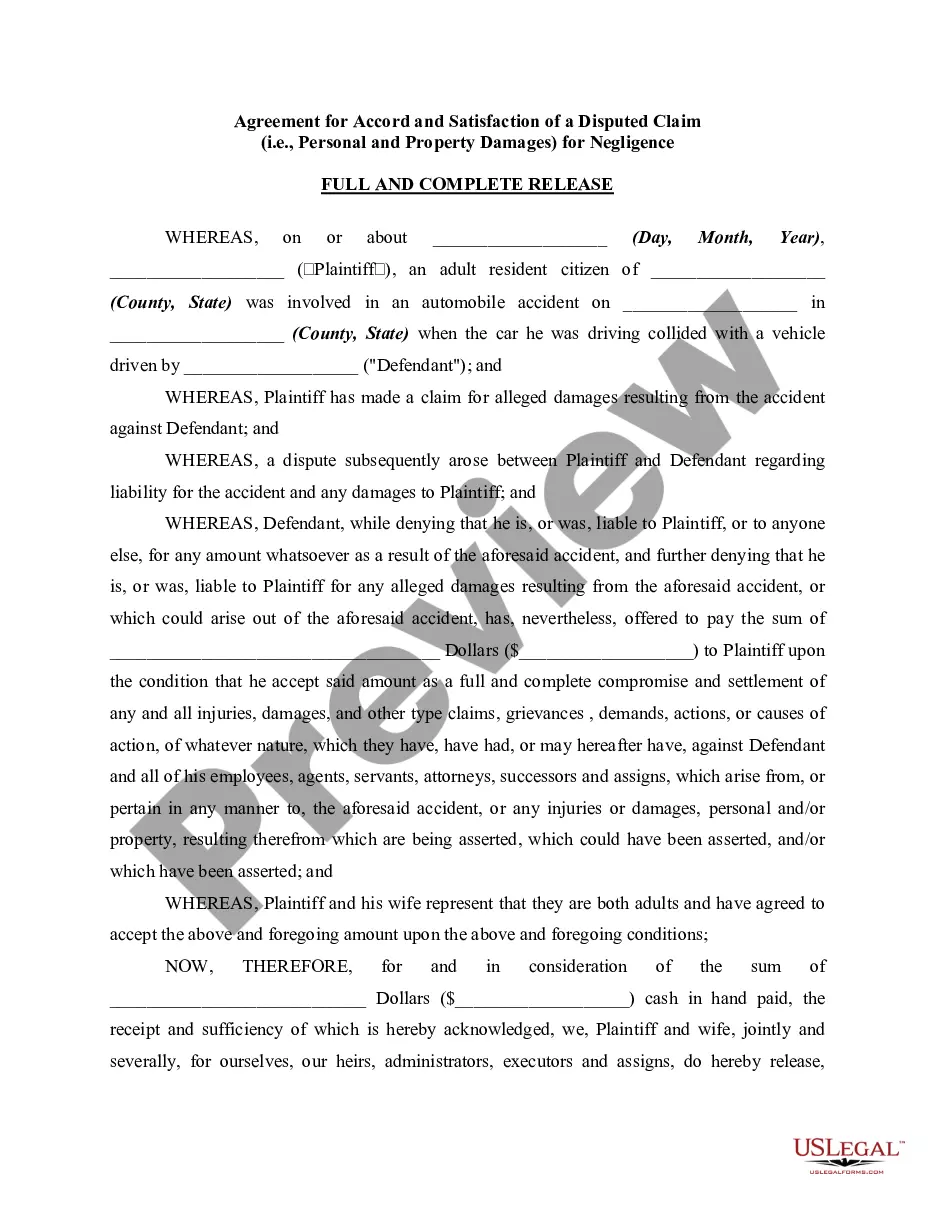
Get your form ready online
Our built-in tools help you complete, sign, share, and store your documents in one place.
Make edits, fill in missing information, and update formatting in US Legal Forms—just like you would in MS Word.
Download a copy, print it, send it by email, or mail it via USPS—whatever works best for your next step.
Sign and collect signatures with our SignNow integration. Send to multiple recipients, set reminders, and more. Go Premium to unlock E-Sign.
If this form requires notarization, complete it online through a secure video call—no need to meet a notary in person or wait for an appointment.
We protect your documents and personal data by following strict security and privacy standards.

Make edits, fill in missing information, and update formatting in US Legal Forms—just like you would in MS Word.

Download a copy, print it, send it by email, or mail it via USPS—whatever works best for your next step.

Sign and collect signatures with our SignNow integration. Send to multiple recipients, set reminders, and more. Go Premium to unlock E-Sign.

If this form requires notarization, complete it online through a secure video call—no need to meet a notary in person or wait for an appointment.

We protect your documents and personal data by following strict security and privacy standards.
Looking for another form?








Form popularity
FAQ
Step-by-Step Guide to Writing an Insurance Claim Letter Gather Information and Documentation: Start with Personal and Insurance Company Details: Introduce Your Claim: Describe the Incident: Detail Your Claim: Conclude with a Call to Action:
Auto Insurance Call your insurance professional as soon as possible — even from the scene of the accident—regardless of who is at fault. Use a mobile app to jumpstart your claim. Find out what documents are needed to support your claim. Understand the timing of your claim.
If you're not satisfied with your insurer's reply you can make a formal complaint using your insurer's official complaints process. To find out how the complaints process works, look at your policy documents or on your insurer's website.
Table of Contents Proving Accident Details. Avoid Speculation in Your Recorded Statement. Always Be Truthful. The Issue of Fault is Paramount. Be Polite. Don't Agree to Anything. Get a Copy of Your Statement.
Disputing a rejected or declined insurance claim Inform your insurance company in writing that you wish to dispute the decision and why. The insurance company is required to review the decision and inform you of any new decision or changes to their original decision.
Focus on the essentials: Include important details like names of people involved (if applicable), witnesses (if any), and contact information for everyone involved (optional, if you have it on hand). Example: ``I'm calling to file a claim for a car accident that happened today (date) at (time) on (road name).
How to Write a Letter to a Health Insurance Company for a Claim? Identify Your Basic Information. Compose a Formal Greeting. Express the Purpose of Your Letter. Brief Description of Medical Treatment. Provide Details of the Costs Involvement. Attach Required Documents. Prompt Processing Request. Closing Statement.
Things to Include in Your Appeal Letter Patient name, policy number, and policy holder name. Accurate contact information for patient and policy holder. Date of denial letter, specifics on what was denied, and cited reason for denial. Doctor or medical provider's name and contact information.

