Dispute Claim Form For Patients In Clark
Description
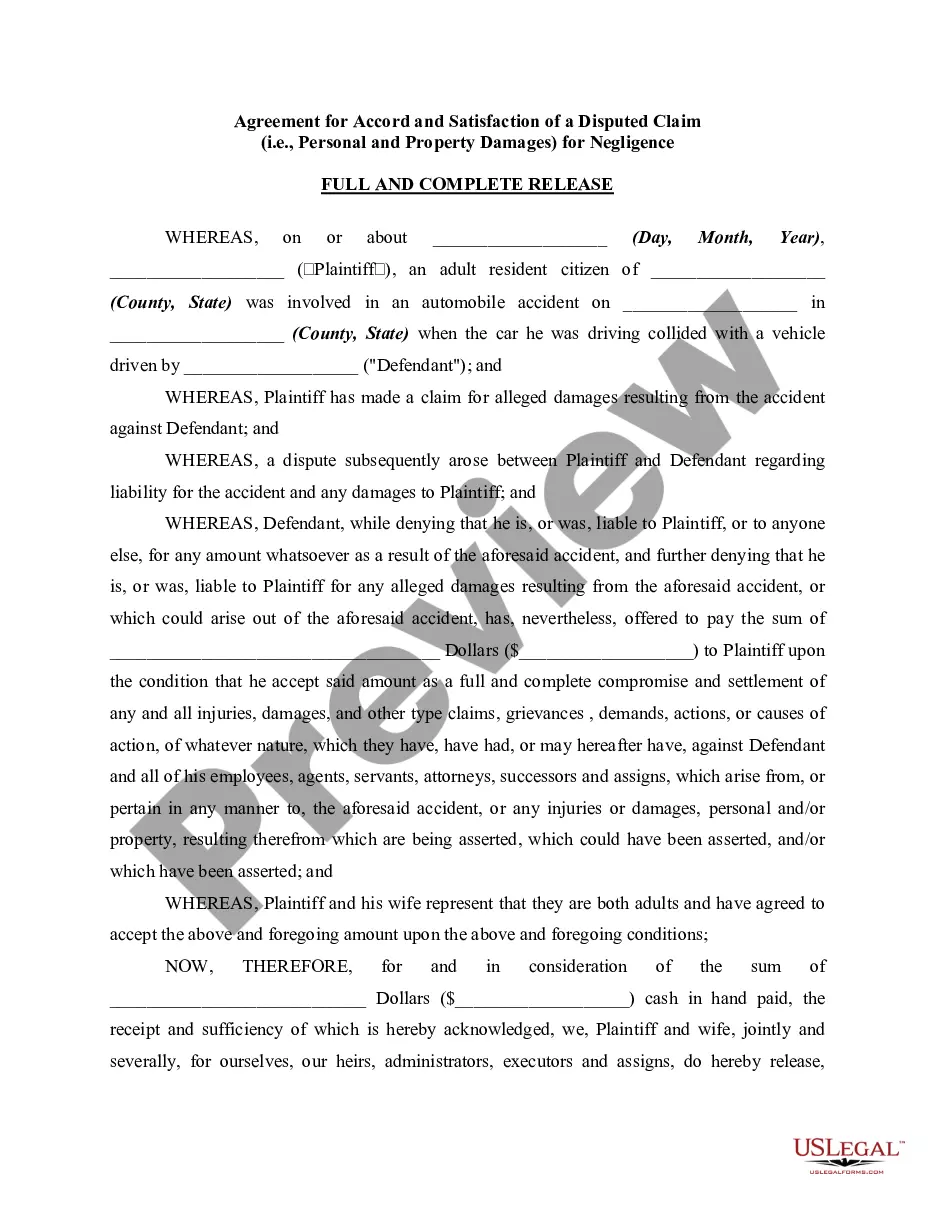
Get your form ready online
Our built-in tools help you complete, sign, share, and store your documents in one place.
Make edits, fill in missing information, and update formatting in US Legal Forms—just like you would in MS Word.
Download a copy, print it, send it by email, or mail it via USPS—whatever works best for your next step.
Sign and collect signatures with our SignNow integration. Send to multiple recipients, set reminders, and more. Go Premium to unlock E-Sign.
If this form requires notarization, complete it online through a secure video call—no need to meet a notary in person or wait for an appointment.
We protect your documents and personal data by following strict security and privacy standards.

Make edits, fill in missing information, and update formatting in US Legal Forms—just like you would in MS Word.

Download a copy, print it, send it by email, or mail it via USPS—whatever works best for your next step.

Sign and collect signatures with our SignNow integration. Send to multiple recipients, set reminders, and more. Go Premium to unlock E-Sign.

If this form requires notarization, complete it online through a secure video call—no need to meet a notary in person or wait for an appointment.

We protect your documents and personal data by following strict security and privacy standards.
Looking for another form?


Form popularity
FAQ
Dispute mistakes with the credit bureaus. You should dispute with each credit bureau that has the mistake. Explain in writing what you think is wrong, include the credit bureau's dispute form (if they have one), copies of documents that support your dispute, and keep records of everything you send.
Dispute Errors (if any): If you find inaccurate information on their report, you can file a dispute with LexisNexis directly. The FCRA gives you the right to dispute errors on your credit report.
To dispute claims information, contact LexisNexis and start a formal dispute. As part of your dispute, you'll provide basic identifying information such as your name and address. You should also be ready to provide: C.L.U.E. report reference number.
If you're not satisfied with your insurer's reply you can make a formal complaint using your insurer's official complaints process. To find out how the complaints process works, look at your policy documents or on your insurer's website.
If you'd like to change or delete something you have previously tracked, follow these steps: Open your Clue app. Go to Calendar View. Double tap the date with the data you want to change. Go to the tracking category you want to change.
An inpatient claim is a medical bill submitted by a healthcare facility, such as a hospital, for inpatient services. Generally, inpatient services are those provided to a patient who is admitted to a facility for treatment. Examples of facilities that submit inpatient claims include: Acute-care hospitals.
The CMS-1500 form and the 837-P These are the standard forms that the Centers for Medicare and Medicaid Services (CMS) require non-institutional healthcare professionals, like doctor's offices, to use for Medicare claims submissions. They are also widely accepted by other government and commercial payers.
In simpler terms, a medical claim form is a formal written request that a healthcare provider submits to an insurance company, Medicare or Medicaid, or another affiliated entity seeking compensation for the healthcare services provided to a patient.
A medical claim is a bill that healthcare providers submit to a patient's insurance provider. This bill contains unique medical codes detailing the care administered during a patient visit. The medical codes describe any service that a provider used to render care, including: A diagnosis. A procedure.

