Denied Claim Agreement With Canada In Clark
Description
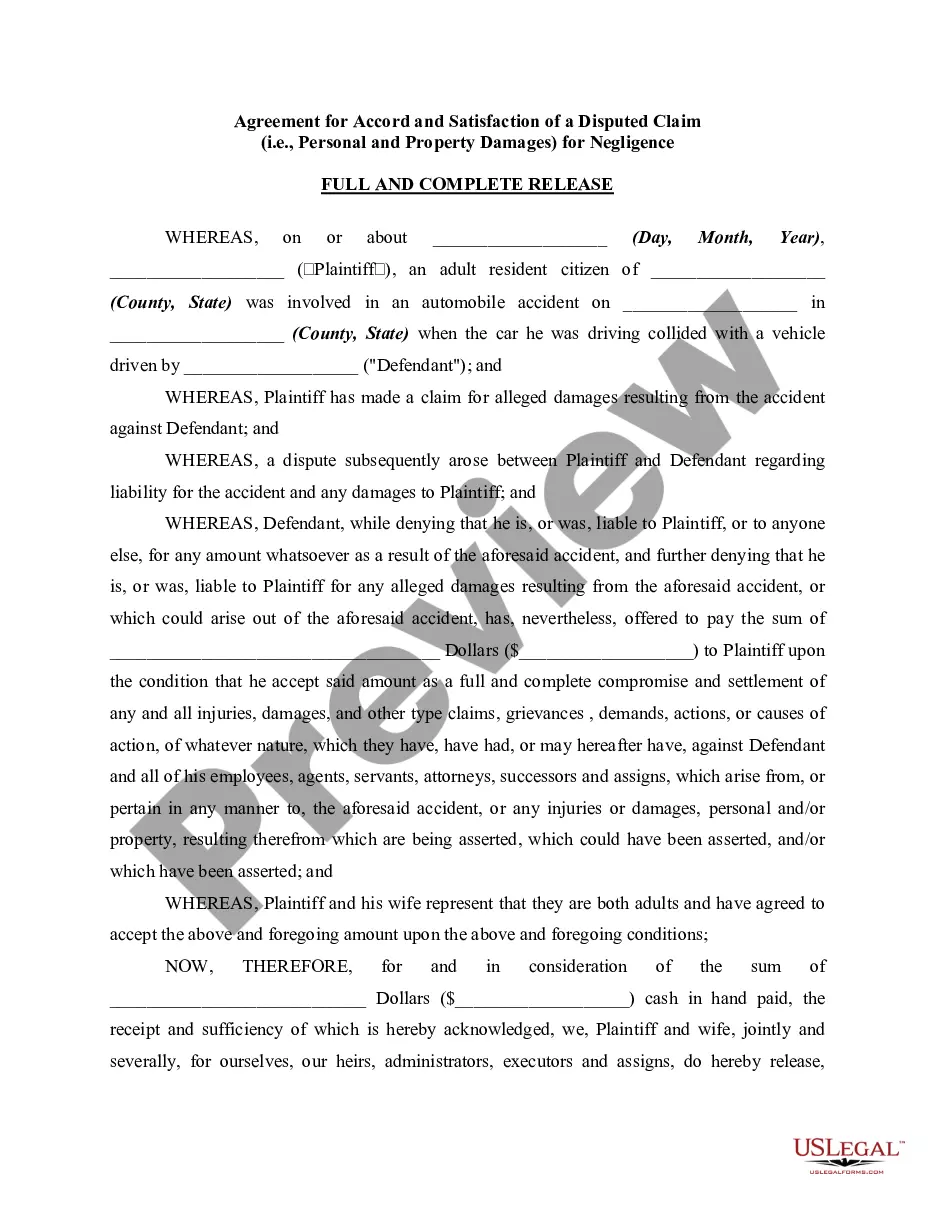
Get your form ready online
Our built-in tools help you complete, sign, share, and store your documents in one place.
Make edits, fill in missing information, and update formatting in US Legal Forms—just like you would in MS Word.
Download a copy, print it, send it by email, or mail it via USPS—whatever works best for your next step.
Sign and collect signatures with our SignNow integration. Send to multiple recipients, set reminders, and more. Go Premium to unlock E-Sign.
If this form requires notarization, complete it online through a secure video call—no need to meet a notary in person or wait for an appointment.
We protect your documents and personal data by following strict security and privacy standards.

Make edits, fill in missing information, and update formatting in US Legal Forms—just like you would in MS Word.

Download a copy, print it, send it by email, or mail it via USPS—whatever works best for your next step.

Sign and collect signatures with our SignNow integration. Send to multiple recipients, set reminders, and more. Go Premium to unlock E-Sign.

If this form requires notarization, complete it online through a secure video call—no need to meet a notary in person or wait for an appointment.

We protect your documents and personal data by following strict security and privacy standards.
Looking for another form?








Form popularity
FAQ
California Rules on the Insurance Claim Timeline 15 days to acknowledge receipt of a claim. 40 days to accept or deny the claim, which may include time to investigate, gather evidence, review medical records, and assess economic and non-economic damages. 30 days to issue payment for the settlement.
In claims management, a bilateral agreement between an insurer and a claimant that permits the continued processing of the claim while preserving the insurer's rights to deny coverage.
If a car insurance company delays in settling a claim, you can take several actions: Contact the Insurance Company: Reach out to your claims adjuster or customer service representative to inquire about the delay. Sometimes, a simple follow-up can expedite the process.
Once your claim is filed, the maximum allowable waiting period for a decision varies by the type of claim, ranging from 72 hours to 30 days. Your plan can extend certain time periods but must notify you before doing so. Usually, you will receive a decision within this timeframe.
Generally, the insurance company has about 30 days to investigate your claim. Pro tip: Your state's statutes of limitations will also determine how much time you have to file and settle a claim. The statute of limitations for insurance claims varies by state, as well as by claim type.
Yes. Under Canadian law, insurance companies can be sued with proper evidence.
Be persistent Your appeal should include an explanation of your reconsideration request, along with any necessary supporting documentation, such as a copy of the claim in question and copies of earlier communication to the company about the matter.
A claim rejection occurs before the claim is processed and most often results from incorrect data. Conversely, a claim denial applies to a claim that has been processed and found to be unpayable.
If an insurance company denies a request or claim for medical treatment, insureds have the right to appeal to the company and also to then ask the Department of Insurance to review the denial. These actions often succeed in obtaining needed medical treatment, so a denial by an insurer is not the final word.

