Independent Contractor Agreement Requirements In Ohio
Description

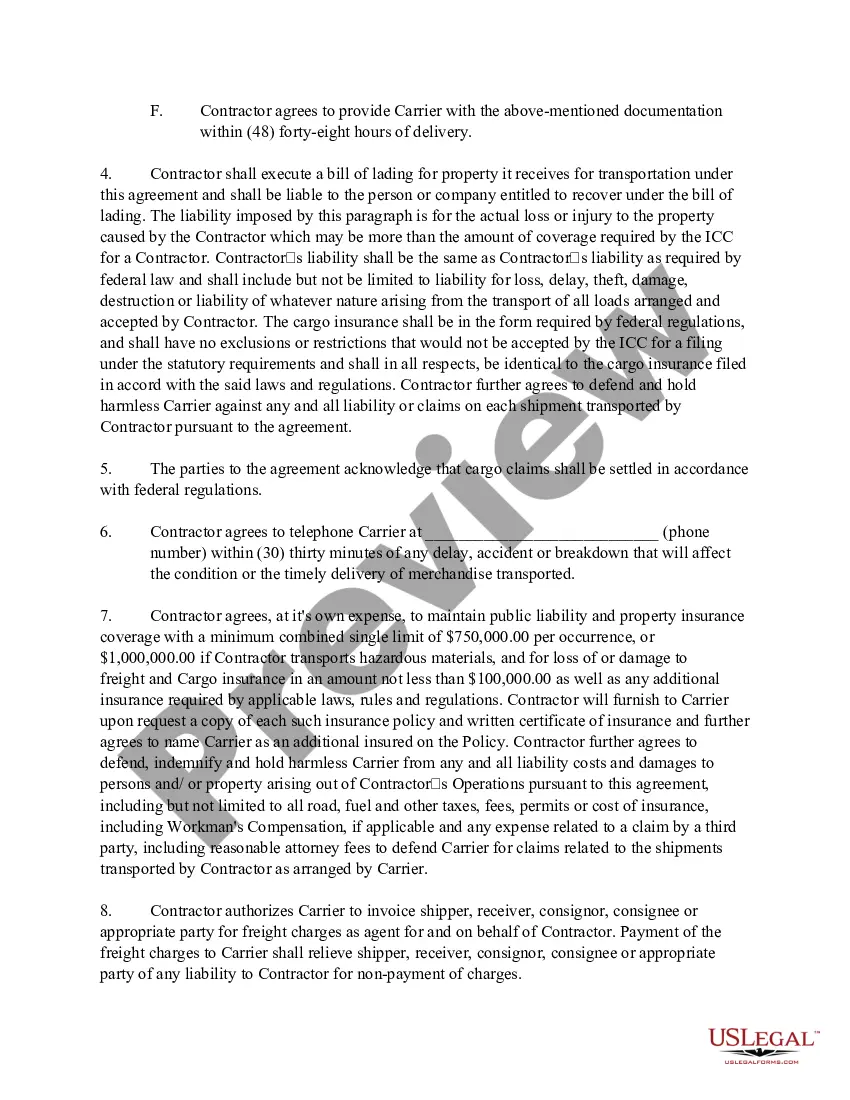
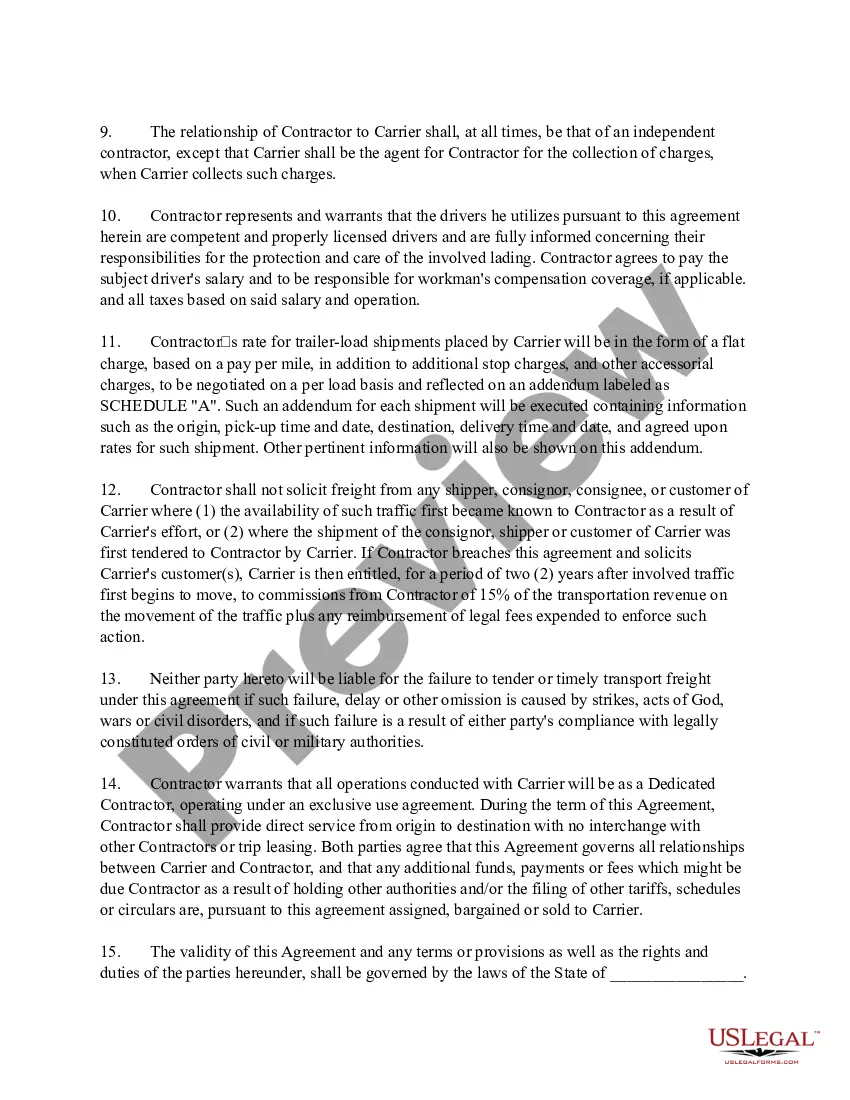

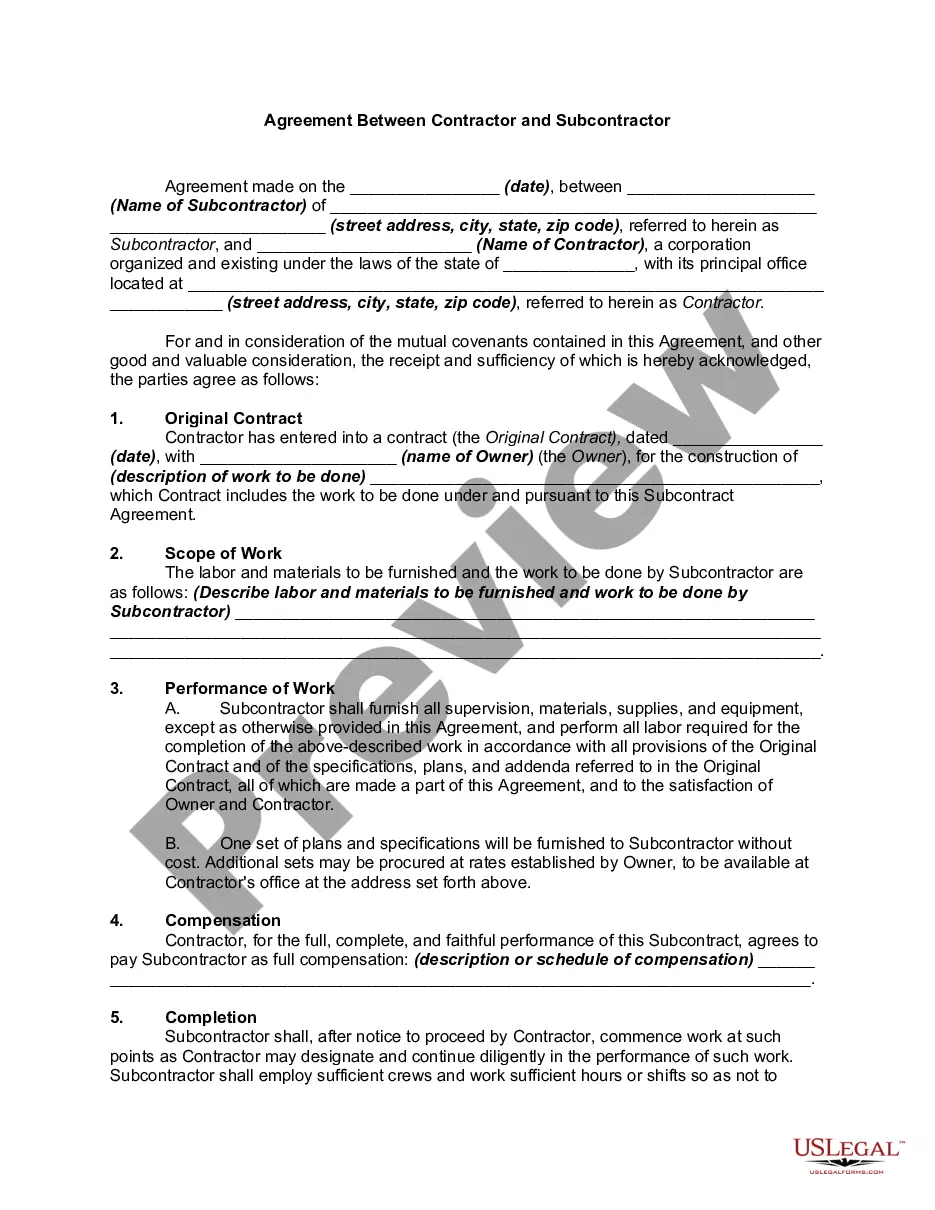
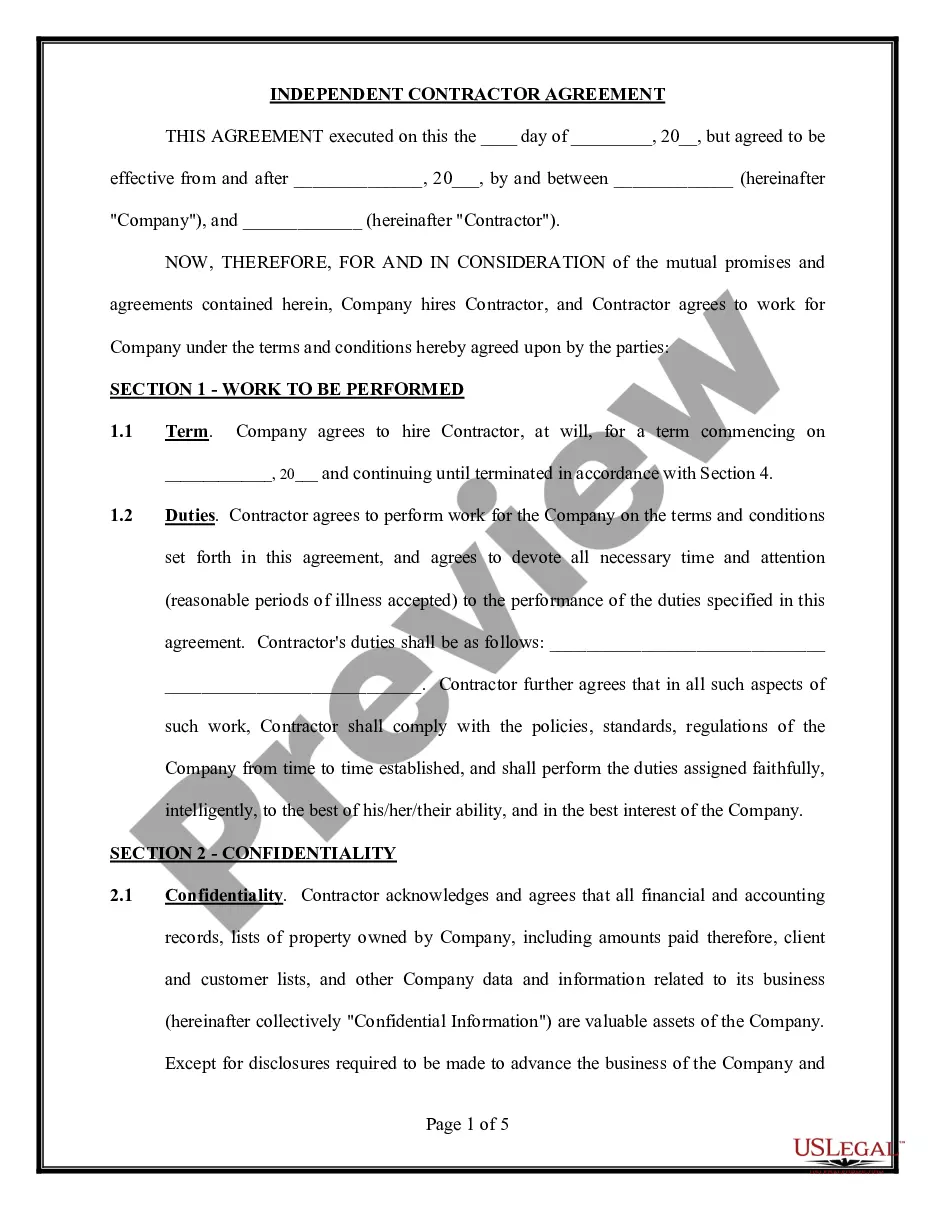
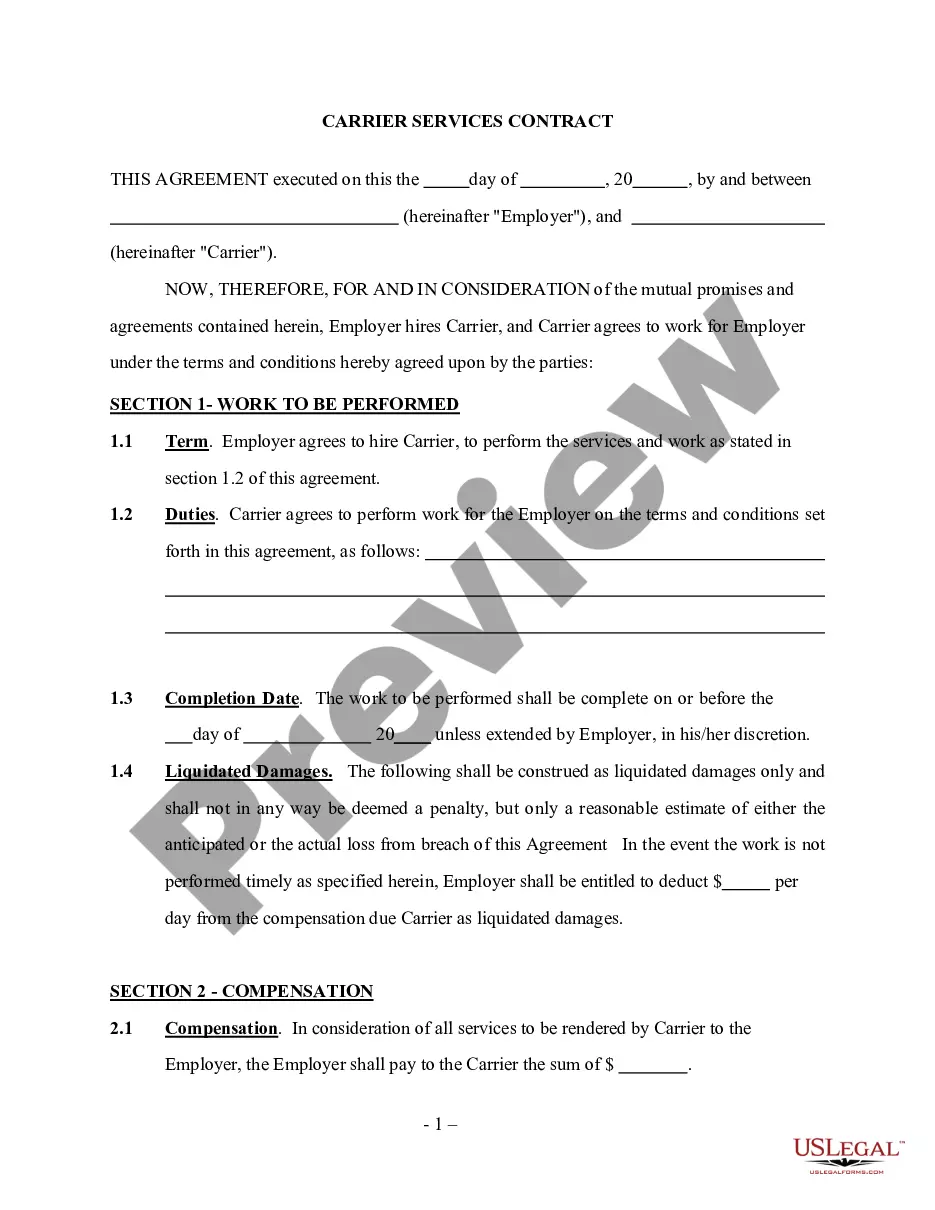
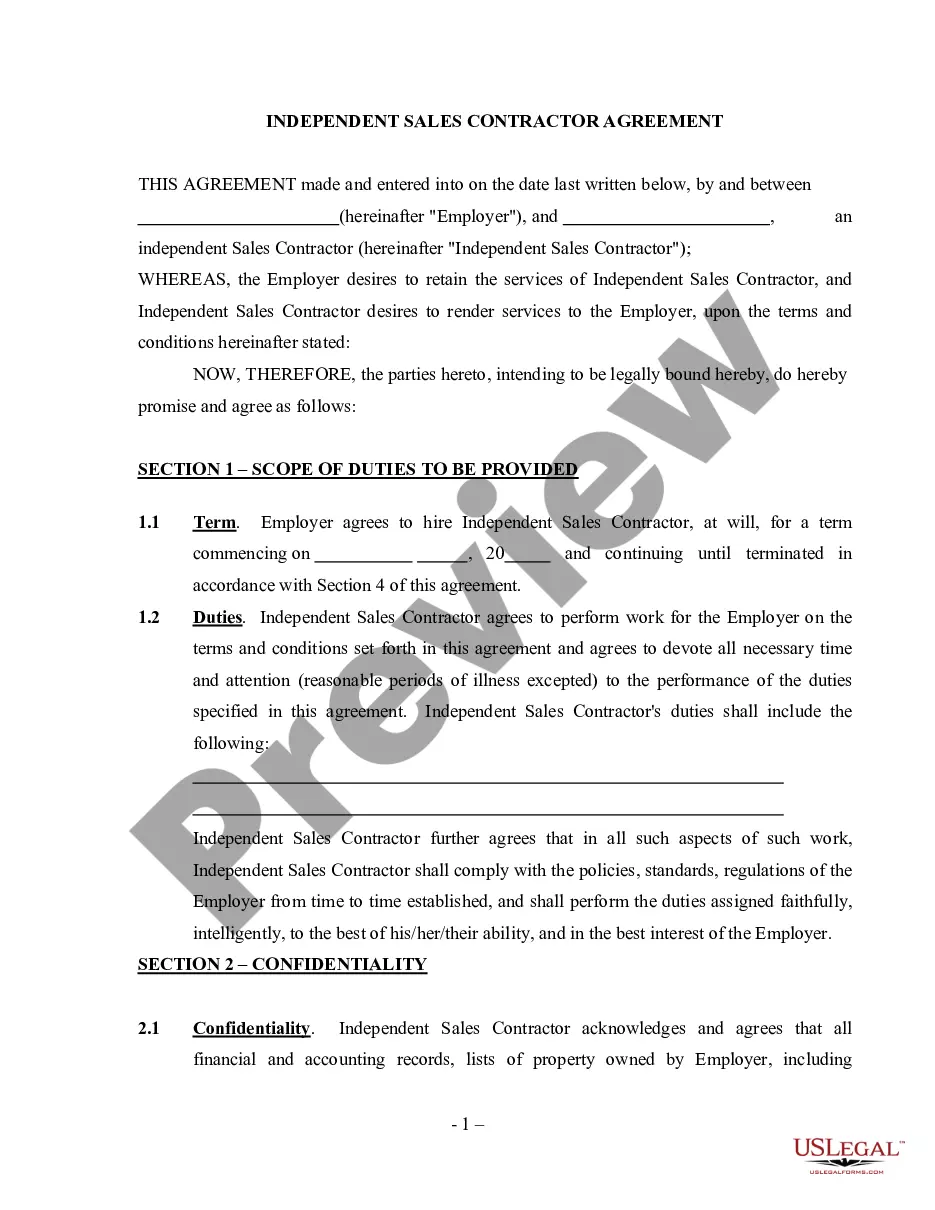
Get your form ready online
Our built-in tools help you complete, sign, share, and store your documents in one place.
Make edits, fill in missing information, and update formatting in US Legal Forms—just like you would in MS Word.
Download a copy, print it, send it by email, or mail it via USPS—whatever works best for your next step.
Sign and collect signatures with our SignNow integration. Send to multiple recipients, set reminders, and more. Go Premium to unlock E-Sign.
If this form requires notarization, complete it online through a secure video call—no need to meet a notary in person or wait for an appointment.
We protect your documents and personal data by following strict security and privacy standards.
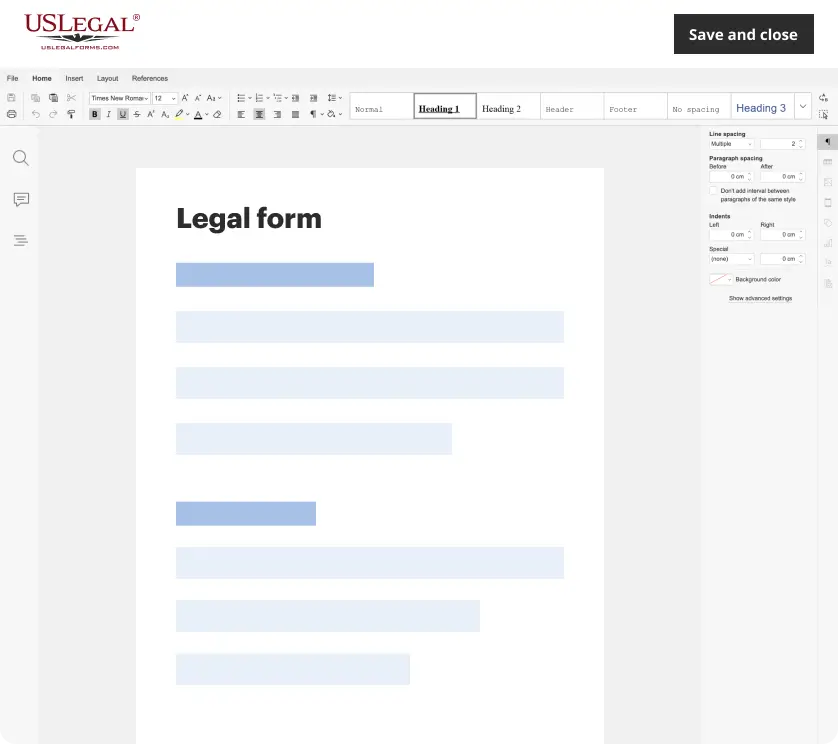
Make edits, fill in missing information, and update formatting in US Legal Forms—just like you would in MS Word.
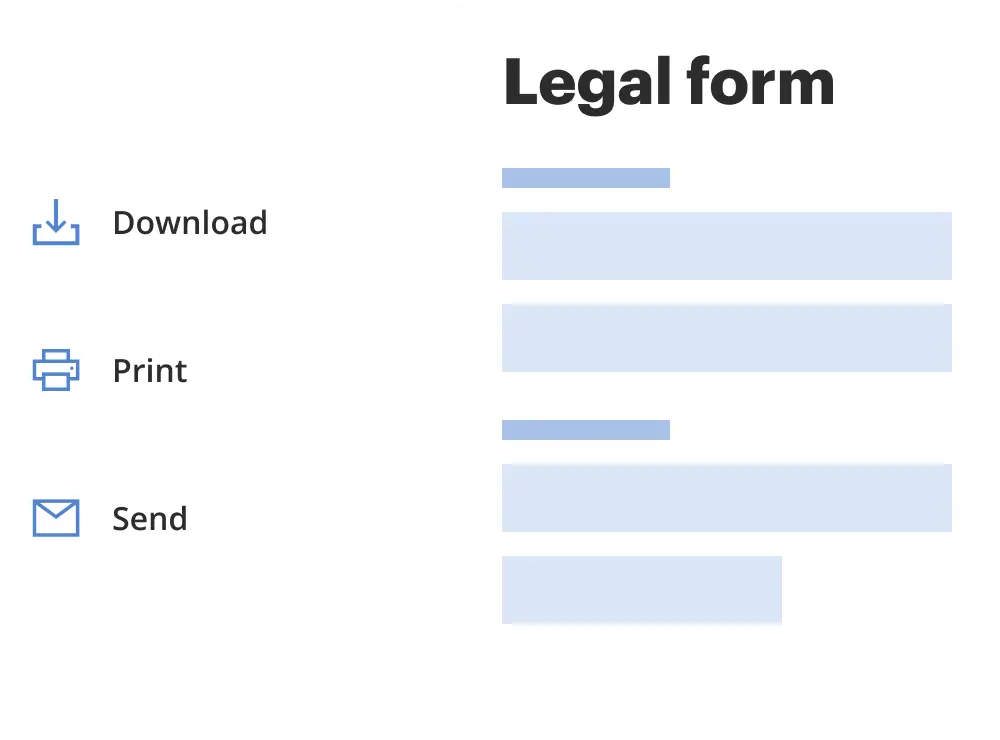
Download a copy, print it, send it by email, or mail it via USPS—whatever works best for your next step.
Sign and collect signatures with our SignNow integration. Send to multiple recipients, set reminders, and more. Go Premium to unlock E-Sign.

If this form requires notarization, complete it online through a secure video call—no need to meet a notary in person or wait for an appointment.

We protect your documents and personal data by following strict security and privacy standards.
Looking for another form?


Form popularity
FAQ
General contractors and subcontractors that don't fall into those categories do not need to pursue licensing with the state. However, just about every contracting business needs to carry a business license issued by the state. Businesses can register for a license through the Ohio Secretary of State.
A general contractor license is not required in Ohio if you perform minor repair work or on home improvement projects under $1,000. However, you may need a license from the state if you plan to work on larger projects.
The ABC Test for Independent Contractors This test is similar to the common law test in that it looks at the degree of control and the nature of the work. It also examines whether or not the worker is customarily engaged in independent contractor work related to the job they are performing for a business.
Below are eight important points to consider including in an independent contractor agreement. Define a Scope of Work. Set a Timeline for the Project. Specify Payment Terms. State Desired Results and Agree on Performance Measurement. Detail Insurance Requirements. Include a Statement of Independent Contractor Relationship.
To determine whether an Ohio worker is an employee or an independent contractor, courts follow the Sixth Circuit Court of Appeals multifactor test, which considers: The permanency of the relationship between the parties. The degree of skill required for rendering the services.
In Ohio, workers' compensation coverage doesn't extend to independent contractors. That's true even if you're injured in the performance of your duties for the client company or on their property.
In Ohio, any business with employees–even a single employee–is required to carry workers' compensation coverage. However, a sole proprietor, sole proprietor operating as an LLC, or partner in a business is not required to participate in the Ohio workers' compensation program.
All 1099Gs Issued by the Ohio Department of Taxation will be mailed by January 31st. 1099Gs are available to view and print online through our OH|TAX eServices. You can elect to be removed from the next year's mailing by signing up for email notification.
