Independent Contractor Agreement Requirements In Chicago
Description

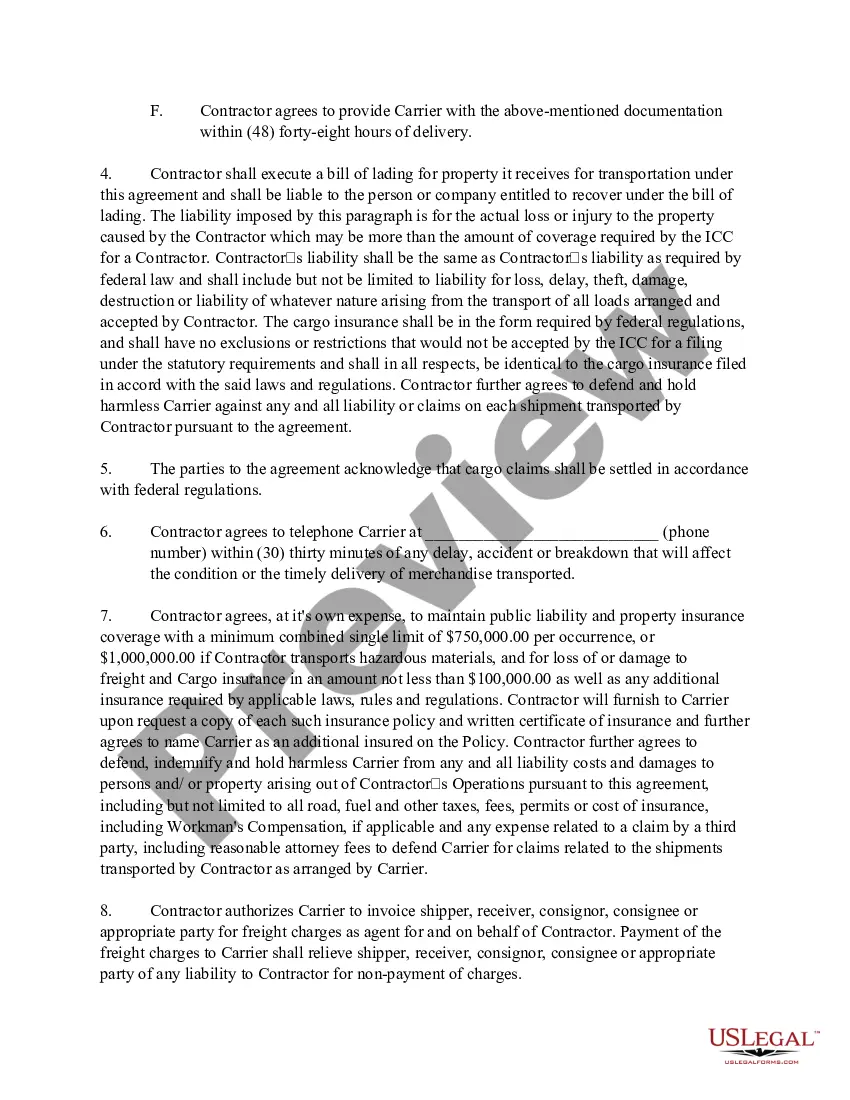
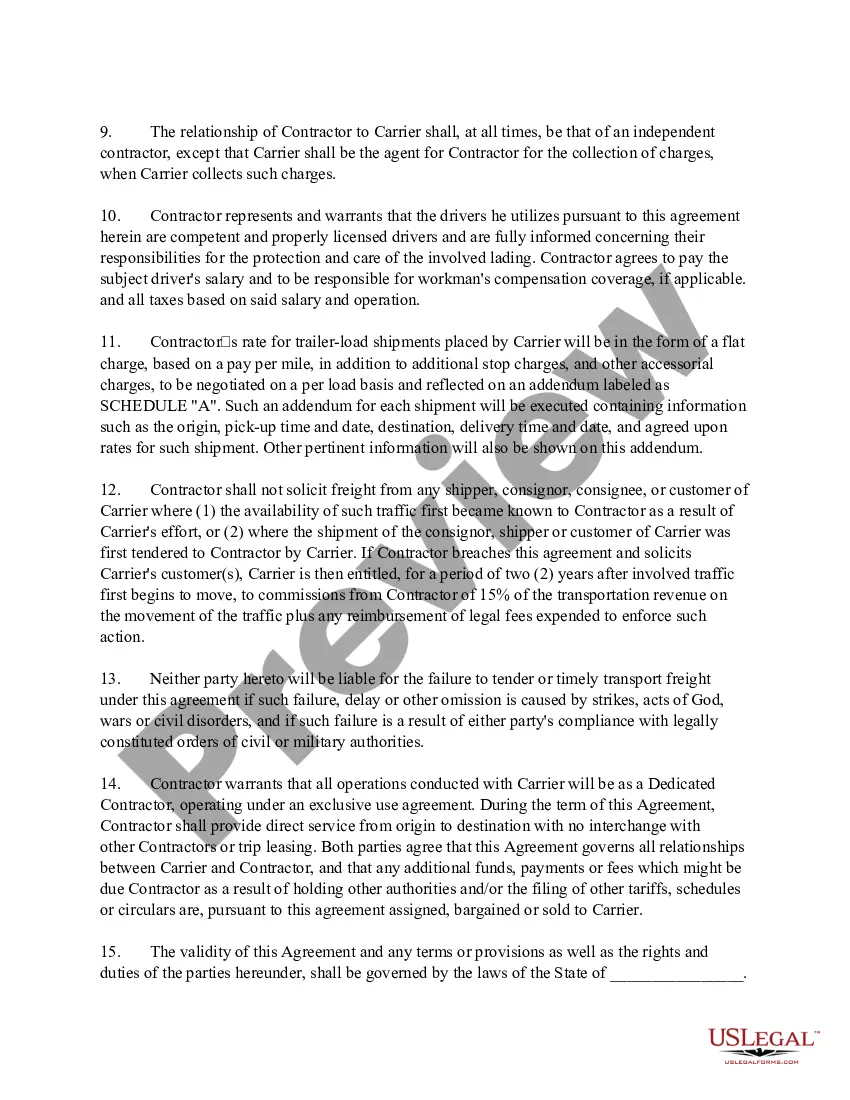
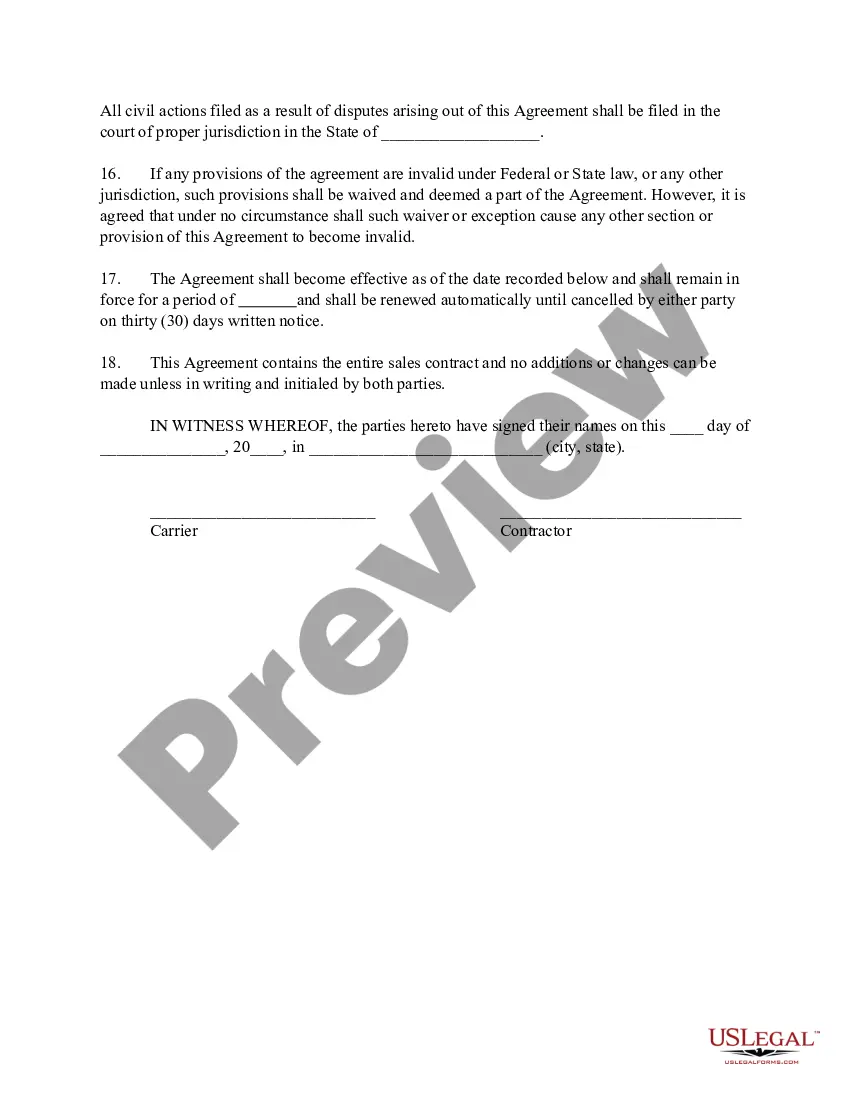
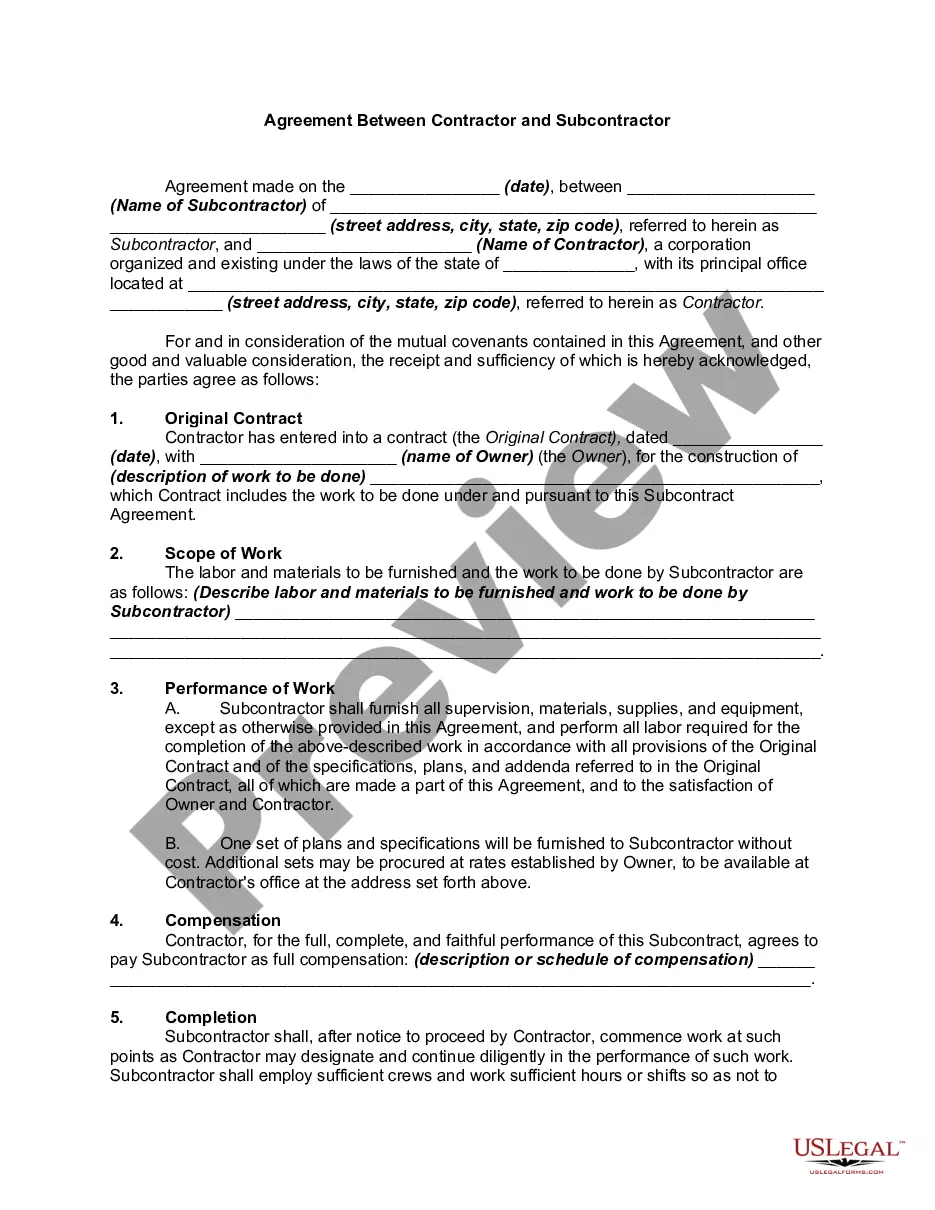
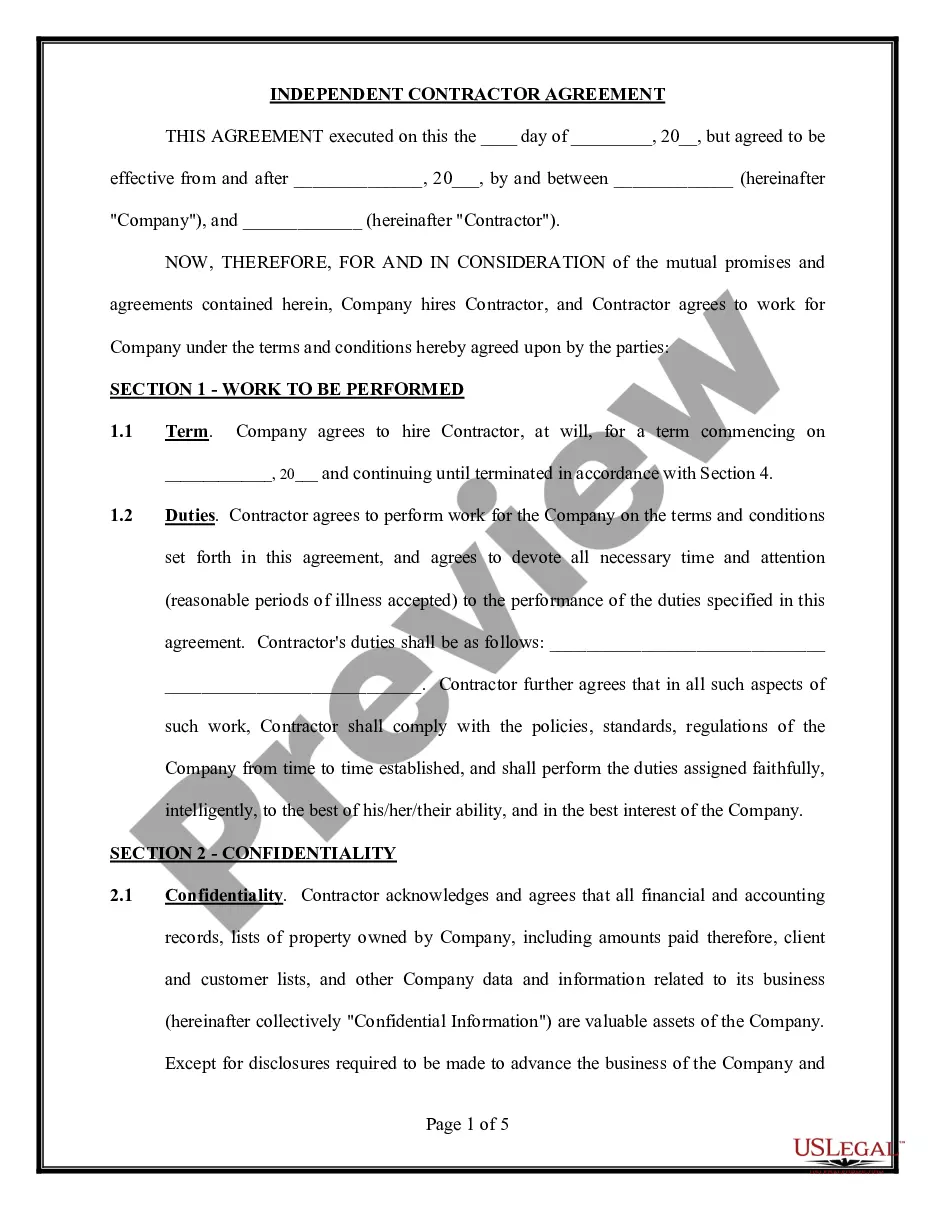
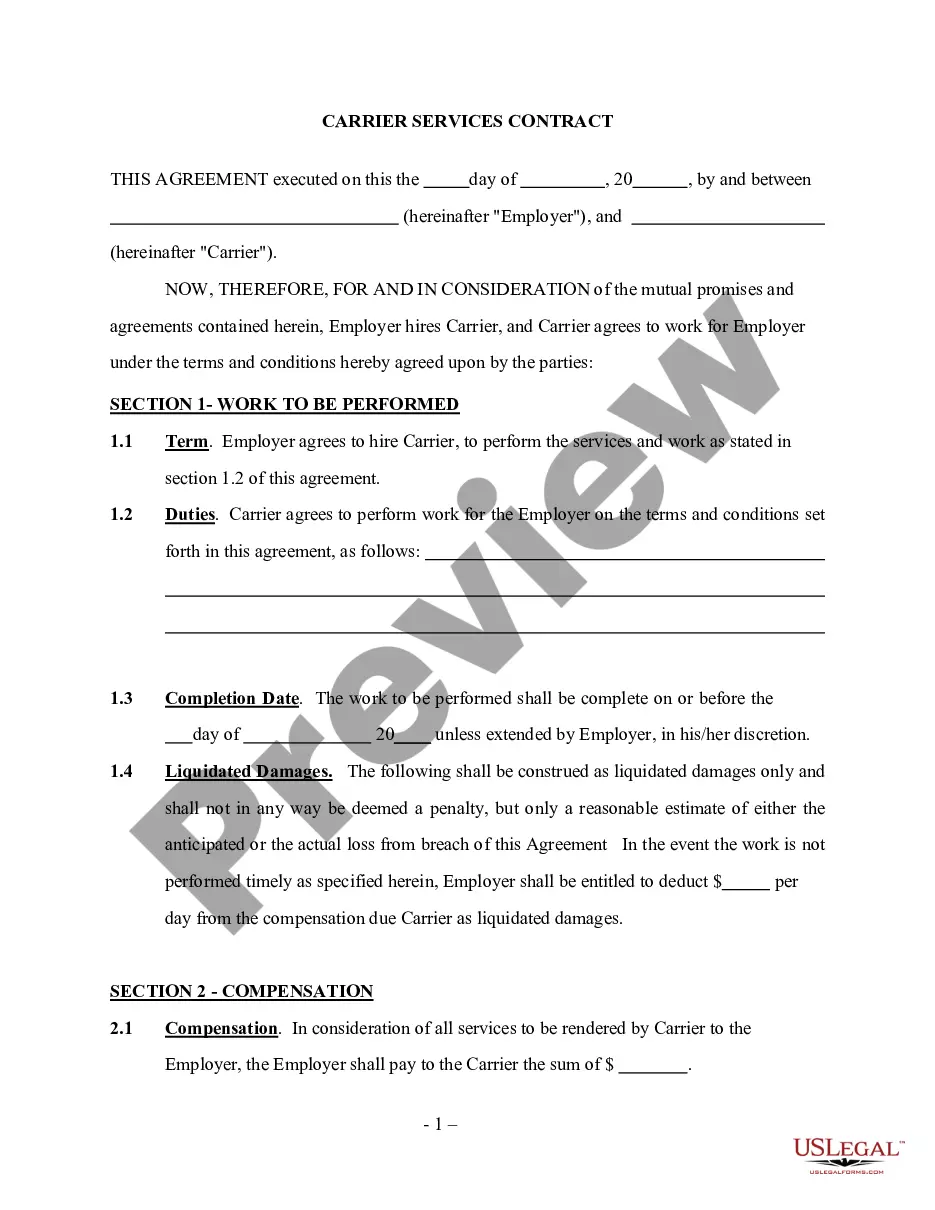
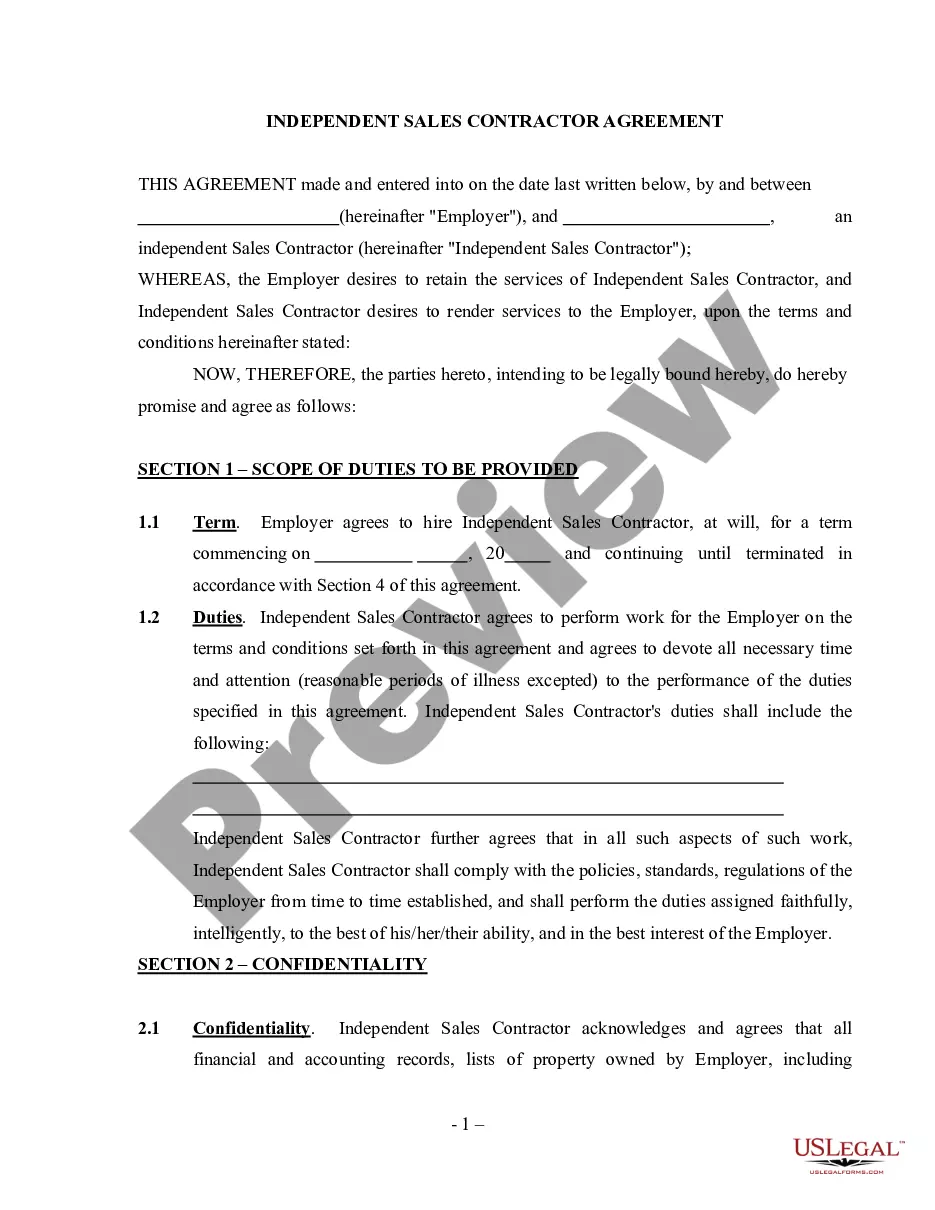
Get your form ready online
Our built-in tools help you complete, sign, share, and store your documents in one place.
Make edits, fill in missing information, and update formatting in US Legal Forms—just like you would in MS Word.
Download a copy, print it, send it by email, or mail it via USPS—whatever works best for your next step.
Sign and collect signatures with our SignNow integration. Send to multiple recipients, set reminders, and more. Go Premium to unlock E-Sign.
If this form requires notarization, complete it online through a secure video call—no need to meet a notary in person or wait for an appointment.
We protect your documents and personal data by following strict security and privacy standards.

Make edits, fill in missing information, and update formatting in US Legal Forms—just like you would in MS Word.

Download a copy, print it, send it by email, or mail it via USPS—whatever works best for your next step.

Sign and collect signatures with our SignNow integration. Send to multiple recipients, set reminders, and more. Go Premium to unlock E-Sign.

If this form requires notarization, complete it online through a secure video call—no need to meet a notary in person or wait for an appointment.

We protect your documents and personal data by following strict security and privacy standards.
Looking for another form?









Form popularity
FAQ
If you work independently, you have control over setting and negotiating your rates. If you contract through an agency, you rely on the agency to establish and secure an acceptable rate for each job. Similar to freelancers, contractors may handle invoicing independently. Read more: Salary vs.
Independent contractors encompass a broader range of business arrangements beyond just freelancing services, while freelancers typically offer specialized skills to clients in various industries. Despite these differences, both roles share the common traits of autonomy, contract-based work, and self-responsibility.
Freelancers usually don't work under legally binding contracts, which allows them to be available for multiple clients simultaneously. However, independent contractors sign a formal agreement with the company they choose to work with. These contracts outline the project costs, timelines, deliverables, payment, etc.
The Freelance Worker Protection Act provides protections for independent contractors who provide products or services in Illinois or who work for a hiring entity located in Illinois when the value of that work is equal to or greater than $500 in a 120-day period.
How to Be an Independent Contractor Step 1) Name Your Business. Step 2) Register Your Business Entity. Step 3) Obtain a Contractor's License. Step 4) Open Your Business Bank Account. Step 5) Start Marketing.
There's no legal difference at all between seeing yourself as self-employed, a freelancer or running your own business. I'll talk more about that in a moment.
Definition and Meaning. Essentially, a freelance job is one where a person works for themselves, rather than for a company. While freelancers do take on contract work for companies and organizations, they are ultimately self-employed.
Below are eight important points to consider including in an independent contractor agreement. Define a Scope of Work. Set a Timeline for the Project. Specify Payment Terms. State Desired Results and Agree on Performance Measurement. Detail Insurance Requirements. Include a Statement of Independent Contractor Relationship.
2 Employees: Often have more job security, with employment protected under labor laws and potential eligibility for unemployment benefits. 1099 Contractors: Generally have less job security, as contracts can be terminated per the agreement terms. They are not eligible for unemployment benefits.
The Freelance Worker Protection Act provides protections for independent contractors who provide products or services in Illinois or who work for a hiring entity located in Illinois when the value of that work is equal to or greater than $500 in a 120-day period.
